Kirjojen hintavertailu. Mukana 11 244 527 kirjaa ja 12 kauppaa.

Kirjahaku

Etsi kirjoja tekijän nimen, kirjan nimen tai ISBN:n perusteella.

1000 tulosta hakusanalla Johannes Quack; Cora Schuh; Susanne Kind

The Diversity of Nonreligion

The Diversity of Nonreligion

Johannes Quack; Cora Schuh; Susanne Kind

Routledge
2019
sidottu
This book explores the relational dynamic of religious and nonreligious positions as well as the tensions between competing modes of nonreligion. Across the globe, individuals and communities are seeking to distinguish themselves in different ways from religion as they take on an identity unaffiliated to any particular faith. The resulting diversity of nonreligion has until recently been largely ignored in academia. Conceptually, the book advances a relational approach to nonreligion, which is inspired by Pierre Bourdieu’s field theory. It also offers further analytical distinctions that help to identify and delineate different modes of nonreligion with respect to actors’ values, objectives, and their relations with relevant religious others. The significance of this conceptual frame is illustrated by three empirical studies, on organized humanism in Sweden, atheism and freethought in the Philippines, and secular politics in the Netherlands. These studies analyze the normativities and changing positions of different groups against the background of both institutionalized religious practice and changing religious fields more generally.This is a fascinating exploration of how nonreligion and secularities are developing across the world. It complements existing approaches to the study of religion, secularity, and secularism and will, therefore, be of great value to scholars of religious studies as well as the anthropology, history, and sociology of religion more generally.
The Diversity of Nonreligion

The Diversity of Nonreligion

Johannes Quack; Cora Schuh; Susanne Kind

Routledge
2021
nidottu
This book explores the relational dynamic of religious and nonreligious positions as well as the tensions between competing modes of nonreligion. Across the globe, individuals and communities are seeking to distinguish themselves in different ways from religion as they take on an identity unaffiliated to any particular faith. The resulting diversity of nonreligion has until recently been largely ignored in academia. Conceptually, the book advances a relational approach to nonreligion, which is inspired by Pierre Bourdieu’s field theory. It also offers further analytical distinctions that help to identify and delineate different modes of nonreligion with respect to actors’ values, objectives, and their relations with relevant religious others. The significance of this conceptual frame is illustrated by three empirical studies, on organized humanism in Sweden, atheism and freethought in the Philippines, and secular politics in the Netherlands. These studies analyze the normativities and changing positions of different groups against the background of both institutionalized religious practice and changing religious fields more generally.This is a fascinating exploration of how nonreligion and secularities are developing across the world. It complements existing approaches to the study of religion, secularity, and secularism and will, therefore, be of great value to scholars of religious studies as well as the anthropology, history, and sociology of religion more generally.
Disenchanting India

Disenchanting India

Johannes Quack

Oxford University Press Inc
2011
sidottu
India is frequently represented as the quintessential land of religion. Johannes Quack challenges this representation through an examination of the contemporary Indian rationalist organizations: groups who affirm the values and attitudes of atheism, humanism, or free-thinking. Quack shows the rationalists' emphasis on maintaining links to atheism and materialism in ancient India and outlines their strong ties to the intellectual currents of modern European history. At the heart of Disenchanting India is an ethnographic study of the organization ''Andhashraddha Nirmulan Samiti'' (Organization for the Eradication of Superstition), based in the Indian State of Maharashtra. Quack gives a nuanced account of the Organization's specific "mode of unbelief. " He describes the group's efforts to encourage a scientific temper and to combat beliefs and practices that it regards as superstitious. Quack also shows the role played by rationalism in the day-to-day lives of the Organization's members, as well as the Organization's controversial position within Indian society. Disenchanting India contributes crucial insight into the nature of rationalism in the intellectual life and cultural politics of India.
Disenchanting India

Disenchanting India

Johannes Quack

Oxford University Press Inc
2011
nidottu
India is frequently represented as the quintessential land of religion. Johannes Quack challenges this representation through an examination of the contemporary Indian rationalist organizations: groups who affirm the values and attitudes of atheism, humanism, or free-thinking. Quack shows the rationalists' emphasis on maintaining links to atheism and materialism in ancient India and outlines their strong ties to the intellectual currents of modern European history. At the heart of Disenchanting India is an ethnographic study of the organization ''Andhashraddha Nirmulan Samiti'' (Organization for the Eradication of Superstition), based in the Indian State of Maharashtra. Quack gives a nuanced account of the Organization's specific "mode of unbelief. " He describes the group's efforts to encourage a scientific temper and to combat beliefs and practices that it regards as superstitious. Quack also shows the role played by rationalism in the day-to-day lives of the Organization's members, as well as the Organization's controversial position within Indian society. Disenchanting India contributes crucial insight into the nature of rationalism in the intellectual life and cultural politics of India.
Johannes

Johannes

Heinz Körner

Mattabu-Production
2003
cd
Es geht um die magische Reise zu sich selbst. Um die Scheinwelt aus lauter Lügen und Kompromissen, die wir alle um uns herum aufgebaut haben. Um das Bewusstsein, wie sehr wir und unsere Mitmenschen in unserer Feigheit gefangen sind, die die Entwicklung unserer Fähigkeiten behindert. Es geht um die Einzigartigkeit und Bedeutung jedes einzelnen Menschen, um Mut und Kraft den eigenen Weg zu finden und zu gehen. Es geht um das Geheimnis des Lebens. Der Schauspieler Matthias Bullach lässt die mystische Begegnung mit Johannes zu einem spannenden und wahren Erlebnis werden.
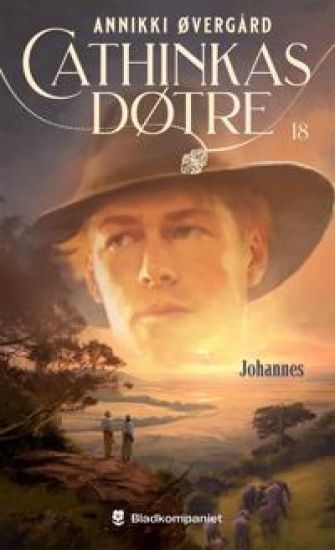
Johannes

Johannes

Annikki Øvergård

Bladkompaniet
2023
pokkari
Andrine tenker fortsatt på Kristian, selv om han venter barn med en annen. Imens hører Jenny endelig nytt fra Johannes, og hun tar sitt livs viktigste avgjørelse. Johannes er blitt bestyrer av en farm i Afrika. Tilværelsen tar en uventet vending da farmerens vakre datter ber ham med på safari. Han kunne ikke annet enn å tenke at bildet av Jenny ikke var like lett å holde fast ved etter at Sonja hadde kommet inn i livet hans. – Etterpå spiser vi sammen, du og jeg, Johannes, i teltet mitt, sa hun og smilte med dette helt spesielle glimtet i øynene.
Johannes

Johannes

Josefine Graakjær

Gladiator
2017
nidottu
Josefine Graakjær er tilbage. Hendes debut Rosebud fra 2015 var formet som en kvindes henvendelse til en mand, ét langt brev. Som 1. en udredning af et forlængst kæntret kærlighedsforhold med en abort som omdrejningspunkt – og 2. en stadig insisteren på at få svar eller i det mindste at blive hørt. Men hele tiden, bag ved i Rosebud rumsterede familiehistorien med druk og selvmord og det er nu den historie, hun med romanen Johannes tager fat på. I prologen et resume af fortællingen: Min farfar blev læge, og han hængte sig på hospitalet. Nej, kvalte sig med en ledning på Ærøskøbing Sygehus 80 år gammel. Farfar havde den sygdom Grundtvig havde, sagde han. Han kunne godt have trængt til en gang elektrochok, til at få neuronerne spredt lidt. Men han selvmedicinerede sig med alkohol. Og blev til sidst mere og mere dement og depressiv. Og selvfølgelig også kærlig. Den her historie er en historie fra hans 80-årige krop der var ved at falde sammen, men med en stadig lyst til at skrive til en gammel elskerinde. Du er min, skriver han til hende – til Pia. Jeg ville gerne have mødt hende, den halvblinde sygeplejerske der læste teologi, og som farfar ville forlade hjemmet for og bo sammen med. Det her er deres historie. Som også blev min. Min farfar hed Johannes; hans bror Richard vandt EM med det danske landshold i 1992. Min families triumf og tragedie kan spores tilbage til ham. Nej, nærmere til hans mor. Hun var en tyran, som min farmor siger. Fra prologen fører Josefine Graakjær sin læser ind i hvad man kunne kalde et stemmernes rige. Idet forfatteren lader os lære sine personer at kende indefra, gennem deres tanker og tale. Farfaren, Richard, farfarens kæreste Pia, oldemor. – Alt sammen igennem barnebarnet Josefine Graakjærs eksklusive og tror-jeg-godt-man-kan-sige forelskede skrift. En skrift som så rammende – som en art poetik – beskrives i romanen: Hakke op i hovedsætningerne eller efterligne en almindelig mands tale. Personligheden stiliseret til sammenhængen, det samme jeg forladt af sig selv. Fortælleren er en snylter på karakterens bevidsthed og vælger tilfældigt fra det mulige. Man kan se spørgsmålstegnene i hendes ansigt, det der kunne være sket i stedet, en anden scene. Og det er her på sin plads at sige, at Josefine Graakjær skriver en særlig form for litteratur. Ikke lige ud ad landevejen. Hun skriver en form for litteratur, som indeholder sig selv. Hvilket vil sige, at man må forstå, at man er med forfatteren på herrens mark. Man må forstå, at der ikke er nogen andre autoriteter end dem, som teksten hele tiden definerer. Således på den ene side udgør teksten i den grad sin egen autonomi. På den anden side, hvis man accepterer præmissen, er Josefine Graakjærs indlevelse i sine karakterer så righoldig at man kommer dybt ind i den menneskelige krop og psykes kringelkroge. For krop og psyke hører hos Josefine Graakjær i romanen Johannes uløseligt sammen. Ligesom man, når man taler om form, bliver kastet over i indhold, og når man taler om indhold bliver kastet over i formen, sådan hænger også krop og psyke sammen. – Ikke på et abstrakt plan, men i sætning for sætning. Og det er netop sætningerne hos Josefine Graakjær, der gør en svimmel. Det er her, det sker, det er her, man frydes og det er her, man næsten ikke tør trække vejret, for hvad sker der. Farfaren, Johannes, romanens ubestridte hovedperson er ramt på kornet. En gammel mand, liderlig og fortabt, hallucineret, sødmefuld og vulgær. – Man bliver klogere som menneske af at læse Josefine Graakjær.
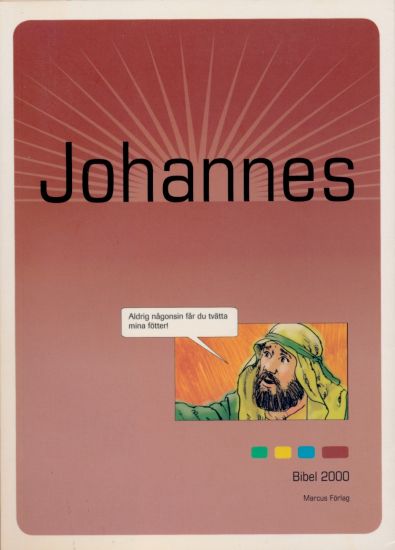
Johannes

Johannes

Marcus förlag
2007
nidottu
Upptäck kärlekens och mystikens evangelium. Johannesevangeliet är berättelsen om Jesus Kristus, skriven med ett rikt bildspråk i en mystisk och poetisk berättartradition. Texterna är några av de mest älskade i Nya testamentet. Johannesevangeliet är inte i första hand en historisk skildring om Jesu liv. Det innehåller snarare teologiska resonemang, berättelser och beskrivningar av under och tecken som Jesus gjorde. Berättelserna fördjupas i samtal och monologer. I Johannesevangeliet är Jesus den som är Ordet, livets bröd, ljus och en källa av levande vatten. Detta är den illustrerade utgåvan av Johannes berättelse om Jesus i Svenska Bibelkommissionens översättning Bibel 2000. Det illustrerade Johannesevangeliet av Bibel 2000 från Marcus Förlag ingår i en serie med de fyra evangelierna, illustrerade av Keith Neely och David Miles. Texterna är den kompletta utgåvan av Svenska Bibelkommissionens översättning Bibel 2000 med kapitel- och versindelning samt parallellhänvisningar.
Johannes

Johannes

Reijo Valta; Harri Filppa

Oulun sarjakuvaseura
2012
nidottu
Sarjakuvantekijän ja pilapiirtäjä Mika Svensk (1961-2009) oli paljasjalkainen oululainen. Sarjakuvansa ja pilapiirroksensa hän signeerasi nimimerkillä Johannes.Johannes oli itsenäinen ihmisen yksilönvapauksien puolustaja. Hän ei yrittänyt olla poliittisesti korrekti, vaan sanoi ja piirsi asian niin kuin se oli. Johannes - poliittisesti epäkorrekti Mika Svensk kokoaa yksiin kansiin Svenskin sarjakuvia ja pilakuvia 1980-luvun alusta alkaen.
Johannes

Johannes

Stephen Hill

Päivä
2022
nidottu
Eläessään läheisessä yhteydessä Jeesukseen opetuslapsi Johannes koki käytännössä, että suhde Jumalaan merkitsee Isästä virtaavan rakkauden vastaanottamista. Johanneksen evankeliumi onkin kulmakivi ilmestyksessä Jumalasta Isänä.Johannes kuvaa hengellistä siirtymistä vanhasta uuteen. "Uusi" on itse asiassa ikiaikaisempaa kuin "vanha". Ihmissydän on ikuinen, ja se saa tyydytyksensä ainoastaan siitä, mikä on lähtöisin ikuisuudesta ja johtaa takaisin ikuisuuteen. Lukiessamme Johanneksen evankeliumia löydämme uudelleen yhteyden alkulähteen elämään, rakkauteen ja todellisuuteen.Raamattua ei ole tarkoitettu elämän ohjekirjaksi vaan kohtauspaikaksi Jumalan kanssa. Stephen Hill sukeltaa syvälle sen kertomuksiin ja avaa niiden teologiaa. Samalla hän avaa uuden näkökulman Johanneksen evankeliumiin. Kun sen rikkauksia sisäistetään, se voi antaa voimavaroja Kristuksen koko seurakunnalle.
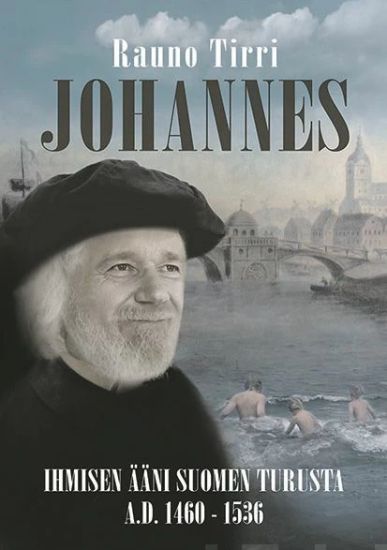
Johannes

Johannes

Rauno Tirri

Rauno Tirri
2015
nidottu
Tässä romaanissa Rauno Tirri kuvaa keski- ja uudenajan vaihteen elämää Turussa. Kuva silloisesta elämänmenosta välittyy Turussa asuvan Johanneksen kokemusten ja ajatusten läpi, joita hän vanhana miehenä alkaa päiväkirjaansa selaamalla muistella ja kirjoitella sulkakynällään paperille pieninä kertomuksina. Johanneksen elämänvaiheiden yhteys Rauno Tirrin edellisen kirjan ”Kirjeitä Naantalin luostarista” tarinaan paljastuu vähitellen. Liitteenä on katsaus Turun varhaishistoriaan. Rauno Tirri on naantalilainen biologi, Turun yliopiston emeritusprofessori, joka mielellään pohtii ihmisten uskomuksia ja selviytymistä eri aikakausina.
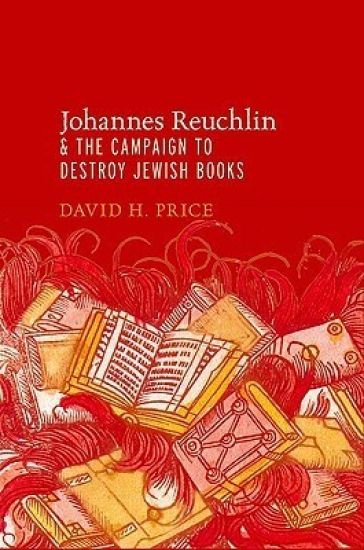
Johannes Reuchlin and the Campaign to Destroy Jewish Books

Johannes Reuchlin and the Campaign to Destroy Jewish Books

David H. Price

Oxford University Press Inc
2011
sidottu
This study reconstructs the history of a significant crisis in Christian-Jewish relations: the attempt to confiscate and destroy all Jewish books in Renaissance Germany. This unprecedented effort to end the practice of Judaism throughout the empire was challenged by Jewish communities and also, in an unexpected move, by Johannes Reuchlin (1455-1522), the founder of Christian Hebrew studies. Reuchlin had revolutionized the Christian study of the Bible with his Hebrew grammar. In 1510 he published an extensive, impassioned, and successful defense of Jewish writings and Jewish legal rights against the book pogrom, later acknowledged by Josel of Rosheim, the leader of German Jewry, as a ''miracle within a miracle.'' The fury that greeted Reuchlin's defense of Judaism resulted in a protracted heresy trial that polarized Europe, ultimately fostering a receptive environment for the nascent Reformation movement. The legal and theological battle over charges that Reuchlin's opinions were "impermissibly favorable to Jews," a conflict that elicited intervention on both sides from the most powerful political and intellectual leaders throughout Renaissance Europe, formed a new context for Christian reflection on the status of Judaism. David Price offers insight into important new Christian discourses on Judaism and anti-Semitism that emerged from the clash of Renaissance humanism with this potent anti-Jewish campaign, as well as an innovative analysis of Luther's virulent anti-Semitism in the context and aftermath of the Reuchlin Affair. His book is a valuable contribution to study of an important and complex development in European history: Christians acquiring accurate knowledge of Judaism and its history.