Kirjojen hintavertailu. Mukana 11 244 527 kirjaa ja 12 kauppaa.

Kirjahaku

Etsi kirjoja tekijän nimen, kirjan nimen tai ISBN:n perusteella.

1000 tulosta hakusanalla John Hughes

John Hughes

John Hughes

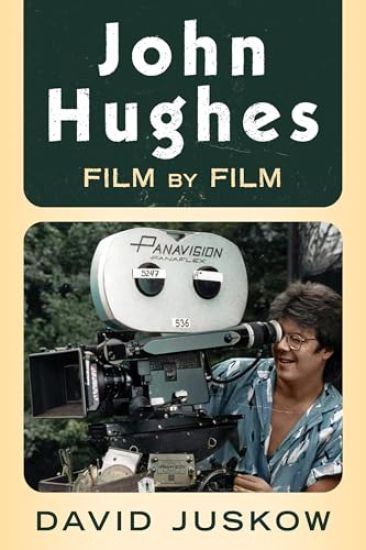
David Juskow

PEN SWORD BOOKS LTD
2026
sidottu
There are very few directors for whom you can say “that’s his or her brand of film”, but the legendary John Hughes is undoubtedly one of them. He presented a different perspective on growing up, showing parents to be much more human than movies had previously shown them to be. His ability to capture the experiences and emotions of young people, and to create relatable and memorable characters, has made his films enduring classics that continue to resonate with audiences young and old. The Breakfast Club, Pretty in Pink and Ferris Buhler’s Day Off are beloved works that defined a generation on the movie screen. Additionally, Hughes’s work as a screenwriter (often completing scripts over a single weekend) contributed vastly to the success of many films, some of which he is not sufficiently credited for. As the 1980s ended, Hughes demonstrated his versatility as a filmmaker by making comedies targeting adult audiences over teens—films that have found their place in the hearts of many. This book celebrates the movies of John Hughes and the good times they have brought us, while examining the man behind the legacy.
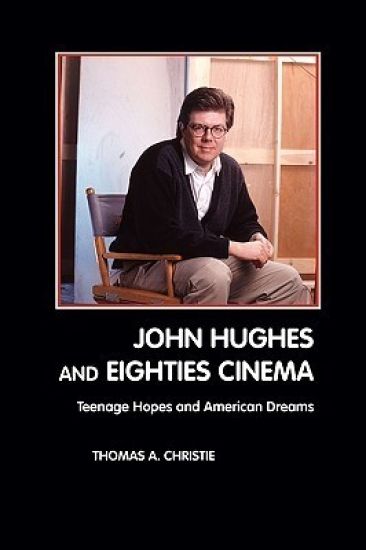
John Hughes and Eighties Cinema

John Hughes and Eighties Cinema

Thomas A. Christie

CRESCENT MOON PUBLISHING
2010
sidottu
JOHN HUGHES AND EIGHTIES CINEMA John Hughes is the acclaimed writer and director of Ferris Bueller's Day Off, The Breakfast Club, Weird Science, Pretty In Pink and many other classic movies of the 1980s. This book is the first full-length analysis of all of John Hughes's films throughout the 1980s; not only the features that he directed, but also those for which he provided the screenplay. By analysing these pictures and discussing their social and cultural significance in the wider context of the decade, Hughes's importance as a filmmaker will be considered, and his prominent contribution to cinema assessed. The book concludes with a detailed analysis of Ferris Bueller's Day Off, a film which is considered to be among Hughes's most critically successful works and also one of his most structurally refined. REVIEW ON AMAZON If like me, you were fortunate enough to live through and grow up during the 80's and early 90's, you'll remember just how rich comedy was back then. This book on it's own puts most comedies of the modern era to shame as it is a homage to one of the most talented minds in the game. I am of course speaking of none other than the late great John Hughes. This is a great book for getting into the details of how a master of his art came about and created such cinematic gems. Hughes will be sorely missed which is why books like this keep his spirit and work alive I'd say this book is for people who are nostalgic 20-somethings or cinema buffs, but all-round a good book for just about anyone who would like to know what made one of the funniest minds of Hollywood tick. EXTRACT FROM THE INTRODUCTION Today John Hughes is just as well known for the scripts he created for hugely popular family films throughout the 1990s, including Chris Columbus's blockbuster Home Alone (1990), Brian Levant's Beethoven (1992) and Nick Castle's Dennis the Menace (1993), written under his pen-name of Edmond Dant s. But even these accomplishments couldn't compare to the artistic diversity of his output throughout the eighties. Although it is easy to remember Hughes for his meteorically successful teen movies right the way through the including The Breakfast Club (1985) and Ferris Bueller's Day (1986), he was every bit as adroit in his handling of suburban satires such as Mr Mom (1983) and Uncle Buck (1989), his wry observations of the great American holiday in National Lampoon's Vacation (1983) and The Great Outdoors (1988), the trials of an exasperated everyman commuter in Planes, Trains and Automobiles (1987), and the expectation of anxious new parents in She's Having a Baby (1988). Throughout the course of Hughes's career, there has rarely been a lack of variety in his choice of subject matter.
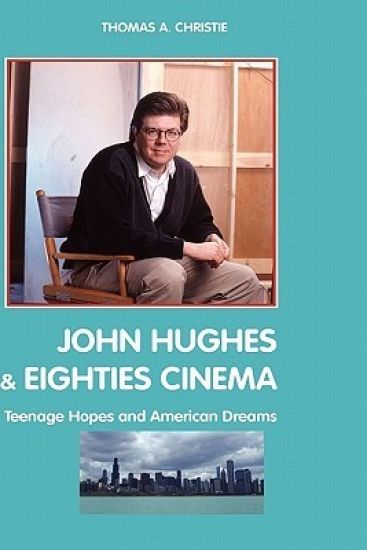
John Hughes and Eighties Cinema

John Hughes and Eighties Cinema

Thomas A. Christie

Crescent Moon Publishing
2013
pokkari
JOHN HUGHES AND EIGHTIES CINEMA John Hughes is the acclaimed writer and director of Ferris Bueller's Day Off, The Breakfast Club, Weird Science, Pretty In Pink and many other classic movies of the 1980s. This book is the first full-length analysis of all of John Hughes's films throughout the 1980s; not only the features that he directed, but also those for which he provided the screenplay. By analysing these pictures and discussing their social and cultural significance in the wider context of the decade, Hughes's importance as a filmmaker will be considered, and his prominent contribution to cinema assessed. The book concludes with a detailed analysis of Ferris Bueller's Day Off, a film which is considered to be among Hughes's most critically successful works and also one of his most structurally refined. The new edition has been updated and revised in the wake of John Hughes' death in 2009. Fully illustrated. With bibliography, filmography and notes. 376 pages. ISBN 9781861714367. www.crmoon.com REVIEW ON AMAZON If like me, you were fortunate enough to live through and grow up during the 80's and early 90's, you'll remember just how rich comedy was back then. This book on it's own puts most comedies of the modern era to shame as it is a homage to one of the most talented minds in the game. I am of course speaking of none other than the late great John Hughes. This is a great book for getting into the details of how a master of his art came about and created such cinematic gems. Hughes will be sorely missed which is why books like this keep his spirit and work alive I'd say this book is for people who are nostalgic 20-somethings or cinema buffs, but all-round a good book for just about anyone who would like to know what made one of the funniest minds of Hollywood tick. EXTRACT FROM THE INTRODUCTION: Think of the American cinema of the 1980s, and your mind is instantly bombarded by dozens and dozens of flamboyant moving images from this most distinctive of cinematic decades. You might be thinking of films which became classics such as Irvin Kershner's The Empire Strikes (1980), Steven Spielberg's Raiders of the Lost Ark (1981), Robert Zemeckis's Back to the Future (1985), or possibly even Tim Burton's Batman (1989). It was a decade that gave birth to some film franchises - one need only call to mind John Rambo's explosive first appearance in Ted Kotcheff's First Blood (1982), the harrowing exploits of Officer Murphy in Paul Verhoeven's RoboCop (1987), or even the improbably long-running knockabout antics of Cadet Mahoney and his fellow recruits which began with Hugh Wilson's Police Academy (1984). It was against this creatively abundant background of the Eighties film world that audiences were first introduced to the work of influential director and screenwriter John Hughes (1950-2009). Today Hughes is just as well known for the scripts he created for hugely popular family films throughout the 1990s, including Chris Columbus's blockbuster Home Alone (1990), Brian Levant's Beethoven (1992) and Nick Castle's Dennis the Menace (1993), written under his pen-name of Edmond Dant s. But even these accomplishments couldn't compare to the artistic diversity of his output throughout the eighties. Although it is easy to remember Hughes for his meteorically successful teen movies right the way through the including The Breakfast Club (1985) and Ferris Bueller's Day (1986), he was every bit as adroit in his handling of suburban satires such as Mr Mom (1983) and Uncle Buck (1989), his wry observations of the great American holiday in National Lampoon's Vacation (1983) and The Great Outdoors (1988), the trials of an exasperated everyman commuter in Planes, Trains and Automobiles (1987), and the expectation of anxious new parents in She's Having a Baby (1988). Throughout the course of Hughes's career, there has rarely been a lack of variety in his choice of subject matter.
Complete Works Of The Most Rev. John Hughes, Archbishop Of New York
Complete Works Of The Most Rev. John Hughes, Archbishop Of New York - Volume 1 1866 is an unchanged, high-quality reprint of the original edition of 1866. Hansebooks is editor of the literature on different topic areas such as research and science, travel and expeditions, cooking and nutrition, medicine, and other genres. As a publisher we focus on the preservation of historical literature. Many works of historical writers and scientists are available today as antiques only. Hansebooks newly publishes these books and contributes to the preservation of literature which has become rare and historical knowledge for the future.
Complete Works Of The Most Rev. John Hughes, Archbishop Of New York
Complete Works Of The Most Rev. John Hughes, Archbishop Of New York - Volume 2 1866 is an unchanged, high-quality reprint of the original edition of 1866. Hansebooks is editor of the literature on different topic areas such as research and science, travel and expeditions, cooking and nutrition, medicine, and other genres. As a publisher we focus on the preservation of historical literature. Many works of historical writers and scientists are available today as antiques only. Hansebooks newly publishes these books and contributes to the preservation of literature which has become rare and historical knowledge for the future.
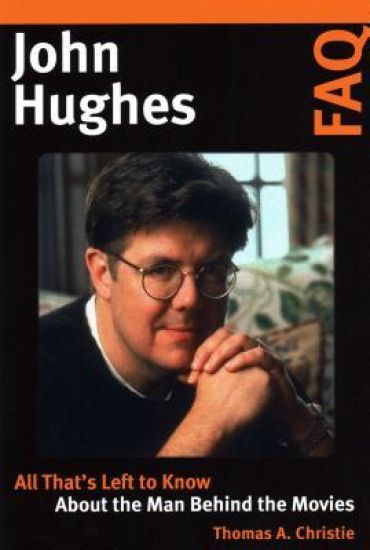
John Hughes FAQ

John Hughes FAQ

Thomas A. Christie

Applause Theatre Book Publishers
2019
pokkari
Looking for a comprehensive chronicle of the films of legendary director, screenwriter, and producer John Hughes? You’re holding it in your hands. Covering the entirety of Hughes's career, from his earliest features through to his mainstream box-office successes, John Hughes FAQ explores the key factors that contributed to his legendary status in the world of cinema. While Hughes has become especially well known for the eight films that he directed between 1984 and 1991—including Sixteen Candles (1984), The Breakfast Club (1985), and Ferris Bueller's Day Off (1986)—he made a considerably greater contribution to cinema through the dozens of high-profile screenplays that he developed for production throughout the '80s and '90s. John Hughes FAQ investigates many different aspects of Hughes's prolific career in film—discussing his distinctive flair for creating entertaining and engaging characters, his enthusiasm for new technology and eventful road trips, and his insightful social commentary on class and culture. Considering the entire sweep of Hughes's work behind the camera, John Hughes FAQ focuses not only on the popular classics of his filmography but also on many of his movies that have achieved a certain cultural prominence over the passing years.