
Kirjahaku
Etsi kirjoja tekijän nimen, kirjan nimen tai ISBN:n perusteella.
1000 tulosta hakusanalla Jose Carlos Cacheiro Aleman
This volume explores the life, work, and impact of the Peruvian thinker José Carlos Mariátegui (1894–1930), particularly his political biography, his intellectual production, and his critique of Eurocentrism.This posthumous fame is based on the idea that, in the whole of his political-theoretical project, the relationship between Latin America and Marxism was not built using a mechanical linking of effects and causes, of the blatant copy of the theory produced in Europe, of the immediate application of positivist formulas. In this complex relationship, enigmatic and insinuating, a dissonant historical temporality emerged in Latin America. The apparently unbalanced temporalities marked the matrix of capitalist exploitation, but also present, in Mariátegui’s view, glimmers of future possibilities.This book is essential reading for scholars of social sciences and history interested in understanding the historical roots and political dilemmas of Latin American and European societies from the unique perspective of one of the greatest thinkers of the twentieth century.
This volume explores the life, work, and impact of the Peruvian thinker José Carlos Mariátegui (1894–1930), particularly his political biography, his intellectual production, and his critique of Eurocentrism. This posthumous fame is based on the idea that, in the whole of his political-theoretical project, the relationship between Latin America and Marxism was not built using a mechanical linking of effects and causes, of the blatant copy of the theory produced in Europe, of the immediate application of positivist formulas. In this complex relationship, enigmatic and insinuating, a dissonant historical temporality emerged in Latin America. The apparently unbalanced temporalities marked the matrix of capitalist exploitation, but also present, in Mariátegui’s view, glimmers of future possibilities. This book is essential reading for scholars of social sciences and history interested in understanding the historical roots and political dilemmas of Latin American and European societies from the unique perspective of one of the greatest thinkers of the twentieth century.
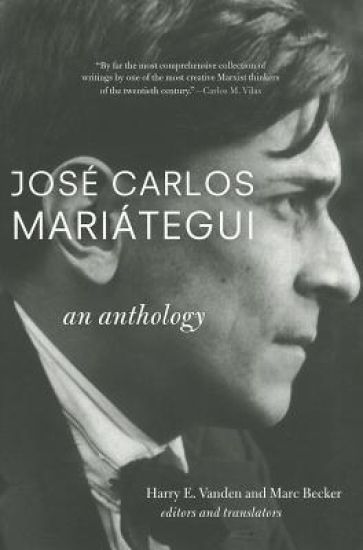
Jose Carlos Mariategui
Monthly Review Press,U.S.
2011
nidottu
Jose Carlos Mariategui is one of Latin America's most profound but overlooked thinkers. A self-taught journalist, social scientist, and activist from Peru, he was the first to emphasize that those fighting for the revolutionary transformation of society must adapt classical Marxist theory to the particular conditions of Latin American. He also stressed that indigenous peoples must take an active, if not leading, role in any revolutionary struggle.Today Latin America is the scene of great social upheaval. More progressive governments are in power than ever before, and grassroots movements of indigenous peoples, workers, and peasants are increasingly shaping the political landscape. The time is perfect for a rediscovery of Mariategui, who is considered an intellectual precursor of today's struggles in Latin America but virtually unknown in the English-speaking world. This volume collects his essential writings, including many that have never been translated and some that have never been published. The scope of this collection, masterful translation, and thoughtful commentary make it an essential book for scholars of Latin America and all of those fighting for a new world, waiting to be born.

Jose Carlos Mariategui
Monthly Review Press,U.S.
2011
sidottu
Jose Carlos Mariategui is one of Latin America's most profound but overlooked thinkers. A self-taught journalist, social scientist, and activist from Peru, he was the first to emphasize that those fighting for the revolutionary transformation of society must adapt classical Marxist theory to the particular conditions of Latin American. He also stressed that indigenous peoples must take an active, if not leading, role in any revolutionary struggle.Today Latin America is the scene of great social upheaval. More progressive governments are in power than ever before, and grassroots movements of indigenous peoples, workers, and peasants are increasingly shaping the political landscape. The time is perfect for a rediscovery of Mariategui, who is considered an intellectual precursor of today's struggles in Latin America but virtually unknown in the English-speaking world. This volume collects his essential writings, including many that have never been translated and some that have never been published. The scope of this collection, masterful translation, and thoughtful commentary make it an essential book for scholars of Latin America and all of those fighting for a new world, waiting to be born.
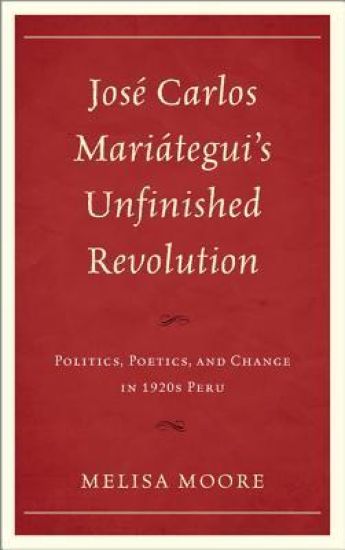
The years 1909–1930, the eleven-year presidency of the businessman-turned-politician Augusto B. Leguía, mark a formative period of Peruvian modernity, witnessing the continuity of a process of reconstruction and the development of an intellectual and cultural tradition after a humbling defeat during the War of the Pacific (1879–1883). But these years were also fraught with conflict generated by long-standing divisions and new rivalries. A postwar generation of intellectuals and artists, led by José Carlos Mariátegui and galvanized by left-wing thinking and an avant-garde aesthetic, sought representation in the fields of politics and the arts to realize the modernizing potentialities opened up by a Positivist oligarchy. New political and artistic conceptions raised their awareness of the fractured sense of nationhood in Peru and the need for a new project of nation-formation based on a common political and cultural consciousness. Crucially, this gave rise to divergent political and artistic positions and practices. Mariátegui’s Indigenist-Marxist politics and Modernist-inspired poetics, through his influential journal Amauta, were pivotal in revitalizing, conciliating and channeling those of his cohorts and challengers. Comprising six full-length chapters, a comprehensive introduction and conclusion, this monograph is ambitious in scope and depth. It provides fresh readings of key writings of Mariátegui, one of Latin America’s most important and revolutionary political, cultural and aesthetic theorists, through the lens of his poetics, emphasizing the value of this approach for a fuller understanding of his work’s political meaning and impact. It does so through detailed analysis of the poetic, expressive language employed in seminal political essays, aimed at forging a new Marxist position in 1920s Peru. Furthermore, it offers powerful and original critiques of under-studied intellectuals of this time, especially aprista-Futurists, Socialists and Indigenists, including female writers and artists such as Magda Portal, Ángela Ramos, and Julia Codesido whose work he championed. These readings are fully contextualized in terms of detailed critical study of complex sociopolitical conditions and positions, and biographical, intellectual backgrounds of Mariátegui and his contemporaries. This monograph underscores the fundamental importance of Mariátegui in the development of political and artistic practices and projects that shaped a national, shared, yet also heterogeneous, political culture and cultural tradition in Peru during and after his lifetime.
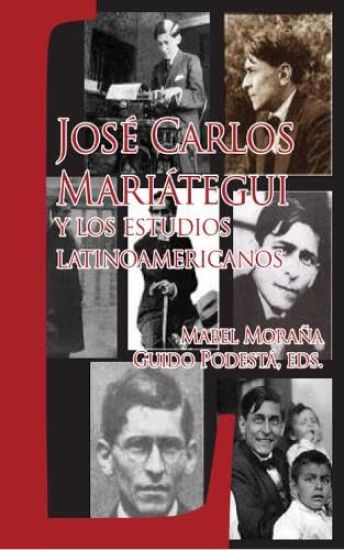
José Carlos Mariátegui y los estudios latinoamericanos
Instituto Internacional de Literatura Iberoamericana
2009
nidottu
Los trabajos que integran este libro intentan ofrecer una interpretación a nueva luz de la obra de José Carlos Mariátegui, sin duda uno de los representantes más brillantes y polémicos del pensamiento latinoamericano. Fuertemente afincada en su momento histórico, la obra de Mariátegui ha logrado sin embargo proyectarse de muy diversas formas y en distintas etapas en la reflexión y en la praxis política de América Latina. El presente volumen, de consulta imprescindible, vuelve a la obra del pensador peruano para interrogarla desde las nuevas perspectivas abiertas por los estudios culturales y la teoría poscolonial. ~ The works compiled in this book attempt to offer an interpretation in a new light of the work of José Carlos Mariátegui, undoubtedly one of the most brilliant and controversial representatives of Latin American thought. Strongly rooted in its historical moment, Mariátegui's work has nevertheless managed to project itself in many different ways and at different stages in the thinking and political practices of Latin America. This volume, an essential reference, returns to the work of the Peruvian thinker to question it from the new perspectives opened up by cultural studies and postcolonial theory.
José Carlos Mariátegui Und Seine Zeitschrift Amauta (Lima, 1926-1930)
Volker Hovestadt
Peter Lang GmbH
1987
nidottu
Zum ersten Mal liegt mit dieser Arbeit eine Untersuchung samtlicher Artikel Mariateguis in Amauta vor. Es wird die Bedeutung der Zeitschrift fur die Entwicklung einer kulturellen und politischen Eigenstandigkeit Perus herausgestellt. Neben der Darstellung historischer Hintergrunde zur Situation Perus in den zwanziger Jahren sowie einer ausfuhrlichen Biographie enthalt das Buch eine Standortbestimmung Mariateguis in Bezug auf V.R. Haya de la Torre und die III. Internationale. Die Verbindung von Indigenismus und Sozialismus bei Mariategui wird besonders gewurdigt. Das Spannungsverhaltnis zwischen Amauta und Mariategui, zwischen Theorie und Praxis, bildet den Schlussel zum Verstandnis des gleichermassen literarischen wie auch politischen Phanomens -Amauta-."

José Carlos García challenges traditional Andalusian recipes with his technique and small doses of daring. Always with his sights set on the sea, the chef from Malaga bases his cuisine on the use of local products from the fish market or the farmers' market, although he also draws inspiration from everything, he has discovered on his travels to create his dishes. STARTERS: Fine shell margarita; Warty venus clam bloody Mary; Caviar-lemon; Zurrapa spiral Sunflower seeds polvoron; Chorizo piglet; Paella biscuit; Scallop tartlet; Mushroom capuccino; Sun-dried tomato and smoked sardine rosette; Sea urchin cream, cava foam and apple; Malaga salad on a brick pastry toast; Parfait, px and amaranth; Gin-greapfruit; Parmesan sablé with payoyo cheese cream; Pressed potato with ronda butifarra sausage tartar; Tequila sunrise; Oyster with ham gelatine; Fried almond MAIN COURSES: Lamb neck and chestnuts; Coconut and prawn ceviche; Quisquilla shrimp with roasted pepper soup; Roasted artichokes with squid and manzanilla wine foam; Norway lobster ravioli and foie gras sauce; Lobster, roasted peppers and ponzu; Sea bass, liquid potato, parsley and gazpachuelo; Mountain gazpachuelo, trotters and prawn stew; Pigeon and beluga lentils; Veal cheeks with red cabbage; Red mullet, curry gnocchi and cauliflower; Garlicbeet Porra, smoked sardine and mustard; Ajoblanco, red wine and citrus peels granita; Herring, cream, dill and apple Beetroot rice; Lobster with mashed potatoes; Elver crêpes; Red prawns, avocado purée and pipirrana foam; Cod, beurre blanc and spinach; Baby squid stuffed with; Spanish black pudding with hollandaise sauce; Roasted John Dory and mild marinade; Monkfish, grapefruit and citrus fruit; Veal sweetbread, pomegranate and parsnips; Hake with roasted poultry broth; Iberian pork tenderloin steak in potato papillote; Sirloin Café de Paris; Norway lobster, ash and onion puree; Vichyssoise, eel and bergamot; Prawn ravioli with apple foam; Trotters with banana; Mackerel and cabello de ángel coca DESSERTS: Algarrobo tart; Cheese and pistachio tart; Crêpe suzette Café de Paris; Tocino de cielo; Crispy nest with lemon peel ice cream and banana vanilla toffee; Vanilla and raspberry; Carrot and curry cream; Pumpkin panna cotta; Pineapple with peppermint granita; Coffee crème brûlée with liquorice ice cream; Pears in red wine with sheep's milk ice cream
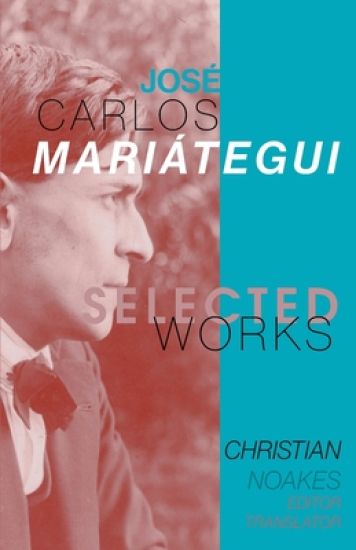
Selected Works of José Carlos Mariátegui
Iskra Books
2021
pokkari

Selected Works of José Carlos Mariátegui
Iskra Books
2021
pokkari
Jos Carlos Mari tegui was born in Moquegua, Peru, to a poor mestizo family on July 14, 1894. Considered by many to be the father of Latin American Communism, he is celebrated for being the first person to utilize Marxist methods of analysis in order to better understand concrete reality in Peru and for carving a path to revolution based off of these particular historical conditions. As such, he was one of the first Latin American socialists to acknowledge the revolutionary potential of the peasantry and Indigenous peoples. Rather than take a paternalistic or humanitarian position, Mari tegui believed that these overlapping groups needed to be the architects of their own liberation and to do so using their own cultural knowledge, experience, and language.

La formación teórica de José Carlos Mariátegui
Matías Zucconi
Editorial Academica Espanola
2018
pokkari
El pensamiento del autor peruano Jos Carlos Mari tegui (1894-1930) resulta iluminador para el pensamiento latinoamericano. Silenciado, ocultado y muchas veces tergiversado por la ortodoxia marxista posterior a su fallecimiento, las ideas del "Amauta" no pueden dejar de tenerse en cuenta por su facilidad para entender con sensibilidad que si el marxismo pretende alguna vez hacer mella en el continente debe cuestionarse, antes que nada, ciertos aspectos esenciales de la vida del mundo andino. As es que en la obra de este escritor, sumamente heterodoxo, se abre una l nea de investigaci n que toma en cuenta la cultura, las costumbres, la religi n no-institucionalizada y la propia constituci n de las clases trabajadoras del Per y otros pa ses. En este sentido es que realiza una espiritualizaci n que se aleja del corpus oficial de ideas sovi ticas relacionadas con la II y III Internacional, ponderando nuevos conceptos como el de mito, basados en su estudio de la realidad latinoamericana y de su recepci n de autores como Antonio Gramsci y Georges Sorel.

52 Cosas Que Margarita Desea Que José Carlos Sepa: Una Manera Diferente de Decirlo
Simone; Levy; J. L. Leyva
Createspace Independent Publishing Platform
2014
nidottu
Deseas que no decaiga la llama en tu relaci n matrimonial? ste es tu libro Es el regalo perfecto para tu pareja. Existe un libro igual con tus nombres. B scalo como "52 Cosas Que nombre de ella] Desea Que nombre de l] Sepa". Si no est publicado a n, solic talo a la casa editora, que aparece en la contraportada. Podr n disfrutar de este libro en pareja las 52 semanas del a o
Influenced by anarchism and especially by the anarcho-syndicalist Georges Sorel, the political praxis of Peruvian activist and scholar José Carlos Mariátegui (1894–1930) deviated from the policies mandated by the Comintern. Mariátegui saw that new subjectivities would be required to bring about a revolution that would not recreate bourgeois or fascist structures. A new society, he argued, required a new culture. Thus, Mariátegui not only founded the Peruvian Socialist Party, but also created Amauta, a magazine that brought together the writings of the political and cultural avant-gardes. In the spirit of this approach, Bread and Beauty not only studies the political signifi cance of cultural habits and products; it also looks at the cultural underpinnings of the political proposals found in Mariátegui’s writings and actions.
La poética de la memoria en Relación de los hechos de José Carlos Becerra
Octavio Hernández
Editorial Academica Espanola
2020
pokkari
Ante la p rdida, la ausencia y los estragos que el tiempo ocasiona sobre los seres y las cosas, Jos Carlos Becerra por medio del binomio palabra y memoria, reconstruye aquellas im genes del pasado para salvaguardar del tiempo lo que fue o pudo haber sido.Becerra ve en la evocaci n, en el recuerdo y en el olvido, la posibilidad de dar continuidad al pasado, no como lamento sino como b squeda de s mismo. La poes a de Jos Carlos Becerra, es una po tica tambi n del vac o. El poeta se afirma en una realidad que ya est reducida al polvo y que su nica salvaci n vendr de la palabra, misma que a veces no le alcanza. Ahora el dilema es c mo nombrar aquello que es ausencia, aquellos instersticios entre pasado y presente.
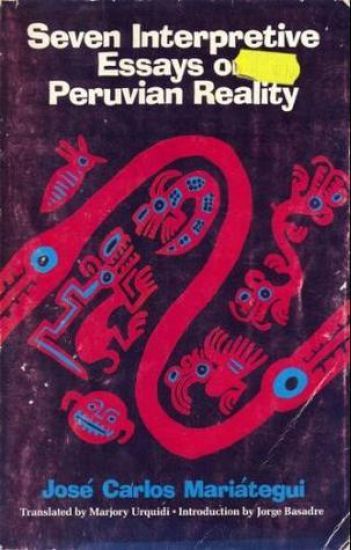
Seven Interpretive Essays on Peruvian Reality
José Carlos Mariátegui
University of Texas Press
1971
pokkari
"Once again I repeat that I am not an impartial; objective critic. My judgments are nourished by my ideals, my sentiments, my passions. I have an avowed and resolute ambition: to assist in the creation of Peruvian socialism. I am far removed from the academic techniques of the university."-From the Author's NoteJose Carlos MariÁtegui was one of the leading South American social philosophers of the early twentieth century. He identified the future of Peru with the welfare of the Indian at a time when similar ideas were beginning to develop in Middle America and the Andean region. Generations of Peruvian and other Latin American social thinkers have been profoundly influenced by his writings.Seven Interpretive Essays on Peruvian Reality (Siete ensayos de interpretaciÓn de la realidad peruana), first published in 1928, is MariÁtegui's major statement of his position and has gone into many editions, not only in Peru but also in other Latin American countries. The topics discussed in the essays-economic evolution, the problem of the Indian, the land problem, public education, the religious factor, regionalism and centralism, and the literary process-are in many respects as relevant today as when the book was written.MariÁtegui's thinking was strongly tinged with Marxism. Because contemporary sociology, anthropology, and economics have been influenced by Marxism much more in Latin America than in North America, it is important that North Americans become more aware of MariÁtegui's position and accord it its proper historical significance.Jorge Basadre, the distinguished Peruvian historian, in an introduction written especially for this translation, provides an account of MariÁtegui's life and describes the political and intellectual climate in which these essays were written.
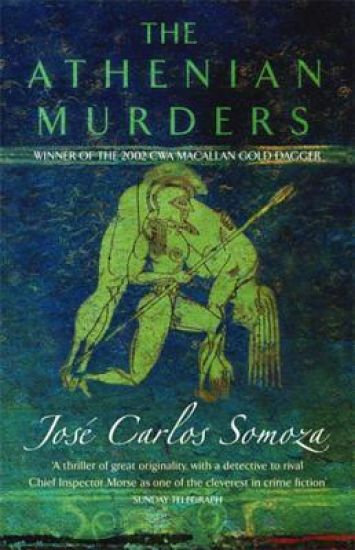
* Inside an ancient Greek murder story lives a modern day literary murder mystery. * A brilliant, very entertaining and absolutely original literary mystery, revolving round two intertwined riddles.
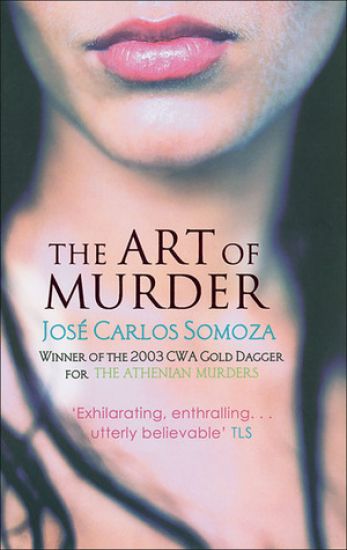
In 2006, the art world has moved far beyond sheep in formaldehyde and the most avant-garde movement is to use living people as artwork. Undergoing weeks of preparation to become 'canvases', the models are required to stay in their pose for ten to twelve hours a day and, as art pieces, they are also for sale. After being exhibited, the 'canvases' can be bought and taken to the purchaser's home, where they are rented for weeks or months.Many beautiful young men and women long to become a 'canvas' - knowing they are a masterpeice and worth millions seems to make all the sacrifices worthwhile - especially if they can be 'painted' by the celebrated artist Bruno Van Tysch. But there is a darker side to this art movement when it is found that the models/works of art are sometimes used in interactive works - snuff movies, where the 'art' is filmed being tortured and killed. Van Tysch's work is being targeted and the investigators must find the killer before the displays of imitations of Rembrandt's masterpieces - the biggest exhibition of 'hyperdramatic art' yet seen - is put on show.
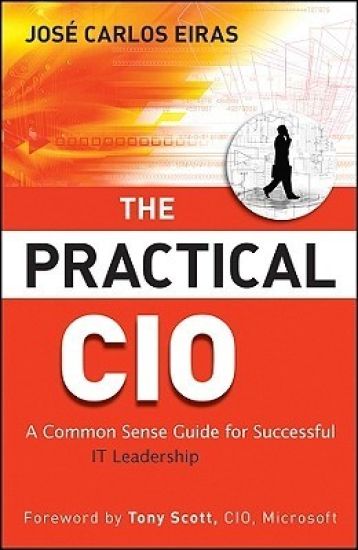
The IT executive's ultimate handbook for survival in a rapidly changing economy The Practical CIO: A Common Sense Guide for Successful IT Leadership provides needed advice for modern executives competing in a challenging global environment. Proactively establish goals for ITHold all vendors accountableExtract maximum value from existing IT investmentsManage and market the IT brandBuild relationships up, down and sideways across the enterprise and beyond its traditional boundariesAct like a CEO Brimming with interviews and case studies from leading global enterprises such as Microsoft, Prudential, Citigroup, Chiquita Brands, Smithfield Foods and West Marine. The Practical CIO is designed for clear-eyed IT and C-level executives with no patience for hype or overly optimistic visions of a "better tomorrow." Truly a commonsense guide for successful IT leadership, this book delivers exactly the kind of hard-nosed, actionable advice that executives urgently require.