

Kirjahaku
Etsi kirjoja tekijän nimen, kirjan nimen tai ISBN:n perusteella.
1000 tulosta hakusanalla Joseph P Rogers


Promoting Social and Emotional Learning
Maurice Elias; Joseph E. Zins; Roger P. Weissberg
ASCD
1997
nidottu
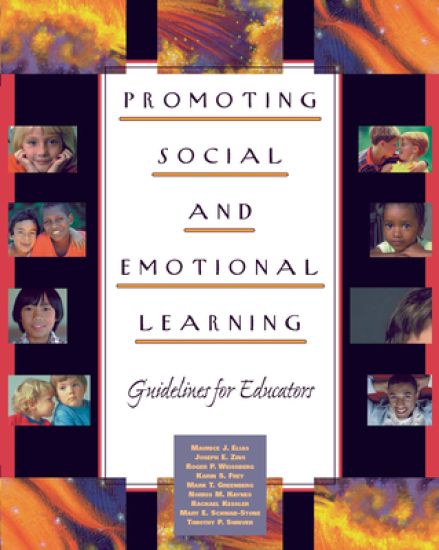
Promoting Social and Emotional Learning
Maurice Elias; Joseph E. Zins; Roger P. Weissberg
Association for Supervision Curriculum Development
1997
sidottu
Fostering knowledgeable, responsible, and caring students is one of the most urgent challenges facing schools, families, and communities. Promoting Social and Emotional Learning provides sound principles for meeting this challenge.Students today face unparalleled demands. In addition to achieving academically, they must learn to work cooperatively, make responsible decisions about social and health practices, resist negative peer and media influences, contribute constructively to their family and community, function in an increasingly diverse society, and acquire the skills, attitudes, and values necessary to become productive workers and citizens. A comprehensive, integrated program of social and emotional education can help students meet these many demands.The authors draw upon scientific studies, theories, site visits, and their own extensive experiences to describe approaches to social and emotional learning at all levels. Framing the discussion are 39 concise guidelines, as well as many field-inspired examples for classrooms, schools, and districts. Chapters address how to develop, implement, and evaluate effective strategies.Educators who have programs in place will find ways to strengthen them. Those seeking further direction will find an abundance of approaches and ideas. Appendixes include a curriculum scope for preschool through grade 12 and an extensive list of contacts that readers may follow up on for firsthand knowledge about effective social and emotional programs.The authors of Promoting Social and Emotional Learning are members of the Research and Guidelines Work Group of the Collaborative for the Advancement of Social and Emotional Learning (CASEL).




De Inaequalitatibus Quas Saturnus Et Jupiter
P. Rogerio Josepho Boscovich
KESSINGER PUBLISHING, LLC
2010
pokkari

Joseph P. Kennedy's reputation as a savvy businessman, diplomat, and sly political patriarch is well-documented. But his years as a Hollywood mogul have never been fully explored until now. In Joseph P. Kennedy Presents, Cari Beauchamp brilliantly explores this unknown chapter in Kennedy's biography. Between 1926 and 1930, Kennedy positioned himself as a major Hollywood player. In two short years, he was running three studios simultaneously and then, in a bold move, he merged his studios with David Sarnoff to form the legendary RKO Studio. Beauchamp also tells the story of Kennedy's affair with Gloria Swanson; how he masterminded the mergers that created the blueprint for contemporary Hollywood; and made the fortune that became the foundation of his empire.

Revolution Against Free Government Not A Right But A Crime: An Address By Joseph P. Thompson
Joseph P. Thompson
Kessinger Pub
2007
pokkari

Joseph P. Kennedy reigned in Hollywood from 1926 to 1930, when he ran three movie studios, led the revolution in sound pictures, and created the first modern entertainment empire. Sorting through the archives of Kennedy deals, letters, and memos, Cari Beauchamp tells for the first time how he made it all happen, a miracle of smoke and mirrors that resulted in a gambit never seen before or since: the merger with RCA that resulted in RKO Studios. Beauchamp writes about the pictures Kennedy produced; the stars he made and ruined (including his lover, Gloria Swanson); and the Hollywood titans he charmed, cajoled, and battled, including William Randolph Hearst, in this fascinating tale of greed and business genius that shows how Kennedy not only made a fortune but changed the very nature of the business of moviemaking.
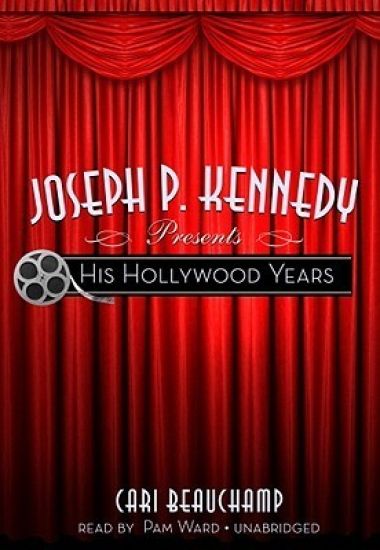
Joseph P. Kennedy Presents His Hollywood Years
Cari Beauchamp
Blackstone Audiobooks
2009
mp3 cd-levyllä
Joseph P. Kennedy reigned in Hollywood from 1926 to 1930, when he ran three movie studios, led the revolution in sound pictures, and created the first modern entertainment empire. Sorting through the archives of Kennedy deals, letters, and memos, Cari Beauchamp tells for the first time how he made it all happen, a miracle of smoke and mirrors that resulted in a gambit never seen before or since: the merger with RCA that resulted in RKO Studios. Beauchamp writes about the pictures Kennedy produced; the stars he made and ruined (including his lover, Gloria Swanson); and the Hollywood titans he charmed, cajoled, and battled, including William Randolph Hearst, in this fascinating tale of greed and business genius that shows how Kennedy not only made a fortune but changed the very nature of the business of moviemaking.

Joseph P. Kennedy, Sr.: The Life and Legacy of the Patriarch Behind America's Most Famous Political Dynasty
Charles River
Createspace Independent Publishing Platform
2017
nidottu
*Includes pictures *Includes online resources and a bibliography for further reading "We have a rich man, untrained in diplomacy, unlearned in history and politics, who is a great publicity seeker and who apparently is ambitious to be the first Catholic president of the U.S." - British MP Josiah Wedgwood's description of Joe Kennedy, Sr. as U.S. Ambassador to the United Kingdom In many ways, John Fitzgerald Kennedy and his young family were the perfect embodiment of the '60s. The decade began with a sense of idealism, personified by the attractive Kennedy, his beautiful and fashionable wife Jackie, and his young children. Months into his presidency, Kennedy exhorted the country to reach for the stars, calling upon the nation to send a man to the Moon and back by the end of the decade. In 1961, Kennedy made it seem like anything was possible, and Americans were eager to believe him. The Kennedy years were fondly and famously labeled "Camelot," by Jackie herself, suggesting an almost mythical quality about the young President and his family. As it turned out, the '60s closely reflected the glossy, idealistic portrayal of John F. Kennedy, as well as the uglier truths. The country would achieve Kennedy's goal of a manned moon mission, and the landmark Civil Rights Act of 1964 finally guaranteed minorities their civil rights and restored equality, ensuring that the country "would live out the true meaning of its creed." But the idealism and optimism of the decade was quickly shattered, starting with Kennedy's assassination in 1963. The '60s were permanently marred by the Vietnam War, and by the time Robert F. Kennedy and Martin Luther King, Jr. were assassinated in 1968, the country was irreversibly jaded. The events of the decade produced protests and countercultures unlike anything the country had seen before, as young people came of age more quickly than ever. While JFK was the member of the Kennedy dynasty to reach the White House, he was hardly the first to seek the presidency. In fact, that ambition was held by his father, Joseph P. Kennedy, Sr., the family's most controversial figure. The son of working class Irish Americans, Joe, Sr. fought his way to fame and fortune in every way available to him, both legal and illegally, morally and immorally. As he was in business, so he was with his family - devoted and underhanded, determined and cutthroat. He knew what he wanted for himself, his wife, and his children, and he was unwilling to let anyone or anything stand in the way. From his wife, he wanted children, devotion, and silence about his many affairs. From his sons, he wanted power and position. From his daughters, he expected beauty, grace, and absolute loyalty. For the most part, the Kennedy patriarch would get what he wanted, but he frequently paid a terrible price for it. Of course, Kennedy also had his own personal ambitions, which included residing in the White House. A mover and shaker in Democratic politics, he threw his support behind Franklin Roosevelt, a man he later came to hate. The most he got out of this alliance was a brief appointment as the U.S. Ambassador to the UK, where he made himself increasingly unpopular by devoutly opposing American involvement in World War II even as the situation got more desperate for the British by the day. Later, he wanted the presidency for his sons, three of which he would help bury. Finally, he wanted peace for himself and his family, a simple desire that proved to be more elusive than any of his more ambitious hopes. In the end, one of his peers may have summed it up best when he said, "I like Joe Kennedy but I have no illusions about him. He understands power. Everywhere he went, from Brahmin Boston to the Court of St. James's, he saw great hypocrisy about the philosophy of those who rule. Power is the end. What other delight is there but to enjoy the sheer sense of control?"
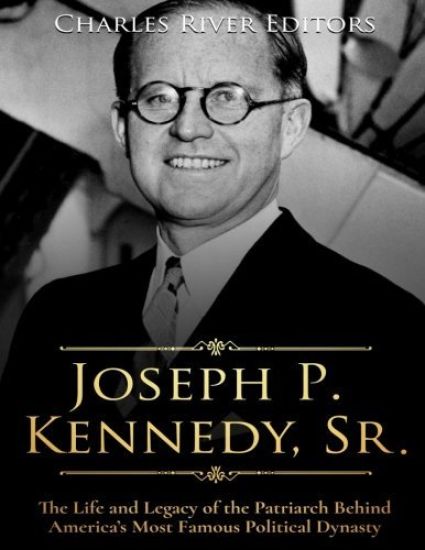
Joseph P. Kennedy, Sr.: The Life and Legacy of the Patriarch Behind America's Most Famous Political Dynasty
Charles River
Createspace Independent Publishing Platform
2017
nidottu
*Includes pictures *Includes online resources and a bibliography for further reading "We have a rich man, untrained in diplomacy, unlearned in history and politics, who is a great publicity seeker and who apparently is ambitious to be the first Catholic president of the U.S." - British MP Josiah Wedgwood's description of Joe Kennedy, Sr. as U.S. Ambassador to the United Kingdom In many ways, John Fitzgerald Kennedy and his young family were the perfect embodiment of the '60s. The decade began with a sense of idealism, personified by the attractive Kennedy, his beautiful and fashionable wife Jackie, and his young children. Months into his presidency, Kennedy exhorted the country to reach for the stars, calling upon the nation to send a man to the Moon and back by the end of the decade. In 1961, Kennedy made it seem like anything was possible, and Americans were eager to believe him. The Kennedy years were fondly and famously labeled "Camelot," by Jackie herself, suggesting an almost mythical quality about the young President and his family. As it turned out, the '60s closely reflected the glossy, idealistic portrayal of John F. Kennedy, as well as the uglier truths. The country would achieve Kennedy's goal of a manned moon mission, and the landmark Civil Rights Act of 1964 finally guaranteed minorities their civil rights and restored equality, ensuring that the country "would live out the true meaning of its creed." But the idealism and optimism of the decade was quickly shattered, starting with Kennedy's assassination in 1963. The '60s were permanently marred by the Vietnam War, and by the time Robert F. Kennedy and Martin Luther King, Jr. were assassinated in 1968, the country was irreversibly jaded. The events of the decade produced protests and countercultures unlike anything the country had seen before, as young people came of age more quickly than ever. While JFK was the member of the Kennedy dynasty to reach the White House, he was hardly the first to seek the presidency. In fact, that ambition was held by his father, Joseph P. Kennedy, Sr., the family's most controversial figure. The son of working class Irish Americans, Joe, Sr. fought his way to fame and fortune in every way available to him, both legal and illegally, morally and immorally. As he was in business, so he was with his family - devoted and underhanded, determined and cutthroat. He knew what he wanted for himself, his wife, and his children, and he was unwilling to let anyone or anything stand in the way. From his wife, he wanted children, devotion, and silence about his many affairs. From his sons, he wanted power and position. From his daughters, he expected beauty, grace, and absolute loyalty. For the most part, the Kennedy patriarch would get what he wanted, but he frequently paid a terrible price for it. Of course, Kennedy also had his own personal ambitions, which included residing in the White House. A mover and shaker in Democratic politics, he threw his support behind Franklin Roosevelt, a man he later came to hate. The most he got out of this alliance was a brief appointment as the U.S. Ambassador to the UK, where he made himself increasingly unpopular by devoutly opposing American involvement in World War II even as the situation got more desperate for the British by the day. Later, he wanted the presidency for his sons, three of which he would help bury. Finally, he wanted peace for himself and his family, a simple desire that proved to be more elusive than any of his more ambitious hopes. In the end, one of his peers may have summed it up best when he said, "I like Joe Kennedy but I have no illusions about him. He understands power. Everywhere he went, from Brahmin Boston to the Court of St. James's, he saw great hypocrisy about the philosophy of those who rule. Power is the end. What other delight is there but to enjoy the sheer sense of control?"
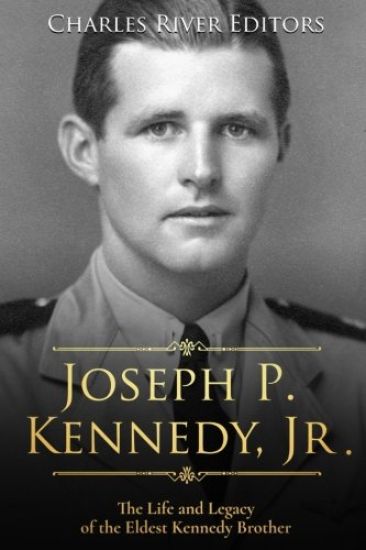
Joseph P. Kennedy, Jr.: The Life and Legacy of the Eldest Kennedy Brother
Charles River
Createspace Independent Publishing Platform
2017
nidottu
*Includes pictures *Includes online resources and a bibliography for further reading "This child is the future President of the nation." - John F. Fitzgerald, referring to his grandson, Joseph P. Kennedy, Jr. In many ways, John Fitzgerald Kennedy and his young family were the perfect embodiment of the '60s. The decade began with a sense of idealism, personified by the attractive Kennedy, his beautiful and fashionable wife Jackie, and his young children. Months into his presidency, Kennedy exhorted the country to reach for the stars, calling upon the nation to send a man to the Moon and back by the end of the decade. In 1961, Kennedy made it seem like anything was possible, and Americans were eager to believe him. The Kennedy years were fondly and famously labeled "Camelot," by Jackie herself, suggesting an almost mythical quality about the young President and his family. As it turned out, the '60s closely reflected the glossy, idealistic portrayal of John F. Kennedy, as well as the uglier truths. The country would achieve Kennedy's goal of a manned moon mission, and the landmark Civil Rights Act of 1964 finally guaranteed minorities their civil rights and restored equality, ensuring that the country "would live out the true meaning of its creed." But the idealism and optimism of the decade was quickly shattered, starting with Kennedy's assassination in 1963. The '60s were permanently marred by the Vietnam War, and by the time Robert F. Kennedy and Martin Luther King, Jr. were assassinated in 1968, the country was irreversibly jaded. The events of the decade produced protests and countercultures unlike anything the country had seen before, as young people came of age more quickly than ever. By the time Bobby Kennedy was killed, references to the infamous "Kennedy Curse" became more common, to the point that Americans are now familiar with the phrase, but if such a curse did truly exist, it did not originate with the fallen president or his younger brother. Instead, the first Kennedy to suffer an untimely death was the oldest brother, and the one originally expected to achieve a preeminent place in politics. Joseph Kennedy, Jr. was the expected heir to his father's dream of a Kennedy in the White House. His parents doted on their firstborn, even as more children followed in quick succession. They sent him to the best schools, made sure he made the right sort of friends, and constantly reminded him of his political destiny. Joseph Kennedy, Sr., who would reach the upper echelons of the federal government himself, groomed his son for a future in politics, encouraging him to refine his opinions and exposing him to the most important issues of the day. Handsome, bright, and charming, the rest of the Kennedy brothers looked up to Joe, Jr. Bobby would name his firstborn son after his oldest brother, and some of the time Bobby did serve in the Navy was aboard the USS Joseph P. Kennedy Jr., a Navy ship that would also form part of the blockade of Cuba ordered by President Kennedy at the height of the Cuban Missile Crisis. Unfortunately, as those facts suggest, Joe, Jr. would be one of millions of young men across the world who had to confront issues in the 1930s that proved more volatile than just about any other time in history. As he came of age, Joe was weighing in on Hitler and his Nazi followers, and when America entered World War II, there was no question he would fight in some capacity. For a young man with presidential aspirations, being a veteran with a sterling record was one of the best stepping stones to a nascent career in politics, and being viewed as one who was willing to fight for his country was crucial. Joe's ambitions and his well-cultivated sense of patriotism would lead him to volunteer as a Navy flier, and sadly, his future and that of his family's political dynasty would be irreversibly changed by an accident in the summer of 1944.

Joseph P. Kennedy, Jr.: The Life and Legacy of the Eldest Kennedy Brother
Charles River
Createspace Independent Publishing Platform
2017
nidottu
*Includes pictures *Includes online resources and a bibliography for further reading "This child is the future President of the nation." - John F. Fitzgerald, referring to his grandson, Joseph P. Kennedy, Jr. In many ways, John Fitzgerald Kennedy and his young family were the perfect embodiment of the '60s. The decade began with a sense of idealism, personified by the attractive Kennedy, his beautiful and fashionable wife Jackie, and his young children. Months into his presidency, Kennedy exhorted the country to reach for the stars, calling upon the nation to send a man to the Moon and back by the end of the decade. In 1961, Kennedy made it seem like anything was possible, and Americans were eager to believe him. The Kennedy years were fondly and famously labeled "Camelot," by Jackie herself, suggesting an almost mythical quality about the young President and his family. As it turned out, the '60s closely reflected the glossy, idealistic portrayal of John F. Kennedy, as well as the uglier truths. The country would achieve Kennedy's goal of a manned moon mission, and the landmark Civil Rights Act of 1964 finally guaranteed minorities their civil rights and restored equality, ensuring that the country "would live out the true meaning of its creed." But the idealism and optimism of the decade was quickly shattered, starting with Kennedy's assassination in 1963. The '60s were permanently marred by the Vietnam War, and by the time Robert F. Kennedy and Martin Luther King, Jr. were assassinated in 1968, the country was irreversibly jaded. The events of the decade produced protests and countercultures unlike anything the country had seen before, as young people came of age more quickly than ever. By the time Bobby Kennedy was killed, references to the infamous "Kennedy Curse" became more common, to the point that Americans are now familiar with the phrase, but if such a curse did truly exist, it did not originate with the fallen president or his younger brother. Instead, the first Kennedy to suffer an untimely death was the oldest brother, and the one originally expected to achieve a preeminent place in politics. Joseph Kennedy, Jr. was the expected heir to his father's dream of a Kennedy in the White House. His parents doted on their firstborn, even as more children followed in quick succession. They sent him to the best schools, made sure he made the right sort of friends, and constantly reminded him of his political destiny. Joseph Kennedy, Sr., who would reach the upper echelons of the federal government himself, groomed his son for a future in politics, encouraging him to refine his opinions and exposing him to the most important issues of the day. Handsome, bright, and charming, the rest of the Kennedy brothers looked up to Joe, Jr. Bobby would name his firstborn son after his oldest brother, and some of the time Bobby did serve in the Navy was aboard the USS Joseph P. Kennedy Jr., a Navy ship that would also form part of the blockade of Cuba ordered by President Kennedy at the height of the Cuban Missile Crisis. Unfortunately, as those facts suggest, Joe, Jr. would be one of millions of young men across the world who had to confront issues in the 1930s that proved more volatile than just about any other time in history. As he came of age, Joe was weighing in on Hitler and his Nazi followers, and when America entered World War II, there was no question he would fight in some capacity. For a young man with presidential aspirations, being a veteran with a sterling record was one of the best stepping stones to a nascent career in politics, and being viewed as one who was willing to fight for his country was crucial. Joe's ambitions and his well-cultivated sense of patriotism would lead him to volunteer as a Navy flier, and sadly, his future and that of his family's political dynasty would be irreversibly changed by an accident in the summer of 1944.

