Kirjojen hintavertailu. Mukana 11 244 527 kirjaa ja 12 kauppaa.

Kirjahaku

Etsi kirjoja tekijän nimen, kirjan nimen tai ISBN:n perusteella.

1000 tulosta hakusanalla Joseph P. Byrne

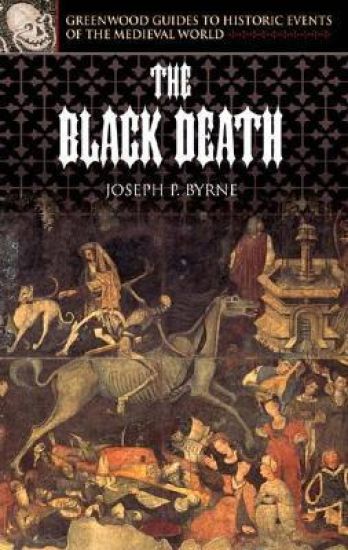
The Black Death

The Black Death

Joseph P. Byrne

Greenwood Press
2004
sidottu
Probably the greatest natural disaster to ever curse humanity, the Black Death's lethality is legendary, killing between a quarter to over half of any given stricken area's population. Though historians suspect a first wave of bubonic plague struck the Mediterranean area between 571 - 760 C.E., there is no doubt that the plague was carried west by the Mongol Golden Horde in the late 1340s as they raided as far west as Constantinople, where it is believed that Genoese traders became infected, and then carried, the disease into European and northern African ports after their escape. Within about two years practically the entire European continent and much of North Africa had been burned over by this disaster of apocalyptic proportions. Eight thematic chapters guide the reader through the medical perspective of the plague— medieval and modern—and to the plague's impact on society, cities, individuals, and art of the time. Medieval doctors named miasmatic vapors—bad air —as a primary cause of infection, along with an improper balance of the four Humors—blood, phlegm, black bile and yellow bile, often caused by ominous astrological alignments; or so they believed. Scapegoats, often Jews, were persecuted and murdered as frightened people desperately sought somebody to blame for the spread of the plague. Others assumed the plague was God's punishment of wicked humanity, and roamed the countryside in groups that would flagellate themselves publicly as an act of atonement. An annotated timeline guides the reader to the key events and dates of this recurring disaster. Nine illustrations show how artists represented the plague's impact on the self and society. Twelve primary documents, half of them never before translated into English, come from eyewitnesses ranging from Constantinople, Damascus, Prague, Italy, France, Germany, and England. A glossary is provided that enables readers to quickly look up unfamiliar medical and historical terms and concepts such as Bacillus, Verjuice, and Peasants' Revolt of 1381. An annotated bibliography follows, divided by topic. The work is fully indexed.
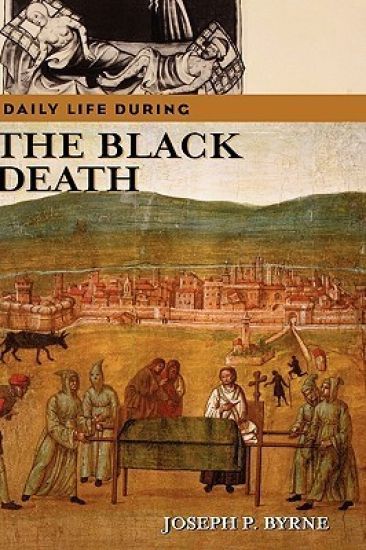
Daily Life during the Black Death

Daily Life during the Black Death

Joseph P. Byrne

Greenwood Press
2006
sidottu
Daily life during the Black Death was anything but normal. When plague hit a community, every aspect of life was turned upside down, from relations within families to its social, political, and economic stucture. Theaters emptied, graveyards filled, and the streets were ruled by the terrible corpse-bearers whose wagons of death rumbled day and night. Daily life during the Black Death was anything but normal. During the three and a half centuries that constituted the Second Pandemic of Bubonic Plague, from 1348 to 1722, Europeans were regularly assaulted by epidemics that mowed them down like a reaper's scythe. When plague hit a community, every aspect of life was turned upside down, from relations within families to its social, political and economic structure. Theaters emptied, graveyards filled, and the streets were ruled by terrible corpse-bearers whose wagons of death rumbled night and day. Plague time elicited the most heroic and inhuman behavior imaginable. And yet Western Civilization survived to undergo the Renaissance, Reformation, Scientific Revolution, and early Enlightenment. In Daily Life during the Black Death Joseph Byrne opens with an outline of the course of the Second Pandemic, the causes and nature of bubonic plague, and the recent revisionist view of what the Black Death really was. He presents the phenomenon of plague thematically by focusing on the places people lived and worked and confronted their horrors: the home, the church and cemetary, the village, the pest houses, the streets and roads. He leads readers to the medical school classroom where the false theories of plague were taught, through the careers of doctors who futiley treated victims, to the council chambers of city hall where civic leaders agonized over ways to prevent and then treat the pestilence. He discusses the medicines, prayers, literature, special clothing, art, burial practices, and crime that plague spawned. Byrne draws vivid examples from across both Europe and the period, and presents the words of witnesses and victims themselves wherever possible. He ends with a close discussion of the plague at Marseille (1720-22), the last major plague in northern Europe, and the research breakthroughs at the end of the nineteenth century that finally defeated bubonic plague.
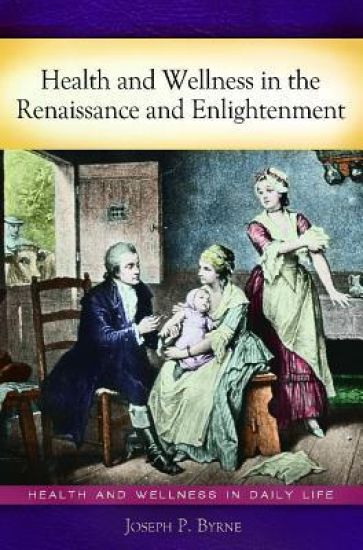
Health and Wellness in the Renaissance and Enlightenment
Examining a 300-year period that encompasses the Scientific Revolution, this engrossing book offers a fresh and clearly organized discussion of the human experience of health, medicine, and health care, from the Age of Discovery to the era of the French Revolution.Health and Wellness in the Renaissance and Enlightenment compares and contrasts health care practices of various cultures from around the world during the vital period from 1500 to 1800. These years, which include the Age of Discovery and the Scientific Revolution, were a period of rapid advance of both science and medicine. New drugs were developed and new practices, some of which stemmed from increasingly frequent contact between various cultures, were initiated.Examining the medical systems of Europe, Asia, Africa, and the colonial world, this comprehensive study covers a wide array of topics including education and training of medical professionals and the interaction of faith, religion, and medicine. The book looks specifically at issues related to women's health and the health of infants and children, at infectious diseases and occupational and environmental hazards, and at brain and mental disorders. Chapters also focus on advances in surgery, dentistry, and orthopedics, and on the apothecary and his pharmacopoeia.
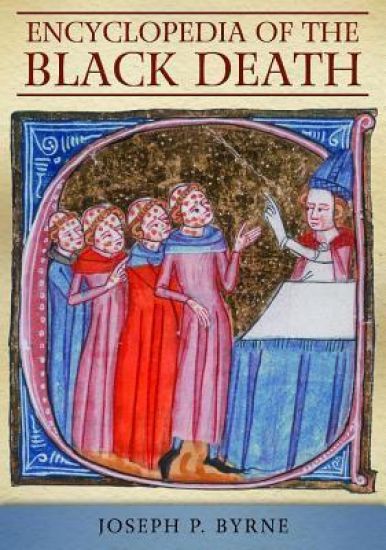
Encyclopedia of the Black Death

Encyclopedia of the Black Death

Joseph P. Byrne

ABC-CLIO
2012
sidottu
This encyclopedia provides 300 interdisciplinary, cross-referenced entries that document the effect of the plague on Western society across the four centuries of the second plague pandemic, balancing medical history and technical matters with historical, cultural, social, and political factors.Encyclopedia of the Black Death is the first A–Z encyclopedia to cover the second plague pandemic, balancing medical history and technical matters with historical, cultural, social, and political factors and effects in Europe and the Islamic world from 1347–1770. It also bookends the period with entries on Biblical plagues and the Plague of Justinian, as well as modern-era material regarding related topics, such as the work of Robert Koch and Louis Pasteur, the Third Plague Pandemic of the mid-1800s, and plague in the United States.Unlike previous encyclopedic works about this subject that deal broadly with infectious disease and its social or historical contexts, including the author's own, this interdisciplinary work synthesizes much of the research on the plague and related medical history published in the last decade in accessible, compellingly written entries. Controversial subject areas such as whether "plague" was bubonic plague and the geographic source of plague are treated in a balanced and unbiased manner.
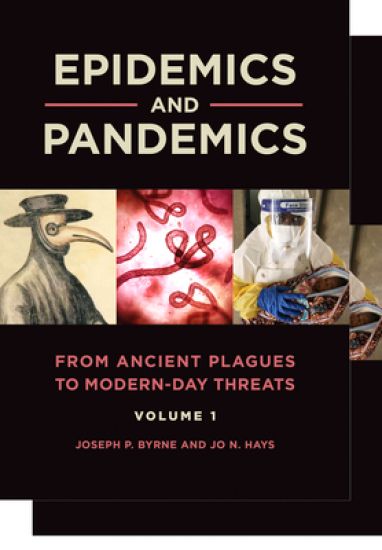
Epidemics and Pandemics

Epidemics and Pandemics

Joseph P. Byrne; Jo N. Hays

Greenwood Publishing Group Inc
2021
muu
Beyond their impact on public health, epidemics shape and are shaped by political, economic, and social forces. This book examines these connections, exploring key topics in the study of disease outbreaks and delving deep into specific historical and contemporary examples.From the Black Death that ravaged Europe in the 14th century to the influenza pandemic following World War I and the novel strain of coronavirus that made "social distancing" the new normal, wide-scale disease outbreaks have played an important role throughout human history. In addition to the toll they take on human lives, epidemics have spurred medical innovations, toppled governments, crippled economies, and led to cultural revolutions.Epidemics and Pandemics: From Ancient Plagues to Modern-Day Threats provides readers with a holistic view of the terrifying—and fascinating—topic of epidemics and pandemics. In Volume 1, readers will discover what an epidemic is, how it emerges and spreads, what diseases are most likely to become epidemics, and how disease outbreaks are tracked, prevented, and combatted. They will learn about the impacts of such modern factors as global air travel and antibiotic resistance, as well as the roles played by public health agencies and the media. Volume 2 offers detailed case studies that explore the course and lasting significance of individual epidemics and pandemics throughout history.
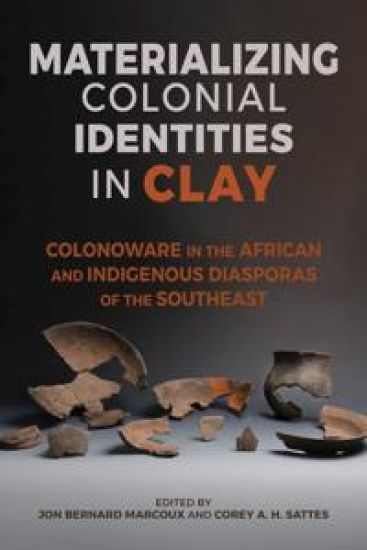
Materializing Colonial Identities in Clay

Materializing Colonial Identities in Clay

Andrew Agha; Ronald W. Anthony; Jodi A. Barnes; David J. Cranford; Katherine P. Gill; J. W. Joseph; Julia A. King; Jon Bernard Marcoux; Sarah E. Platt; Corey A. H. Sattes; Craig T. Sheldon; Scott M. Strickland; Martha A. Zierden

THE UNIVERSITY OF ALABAMA PRESS
2024
sidottu
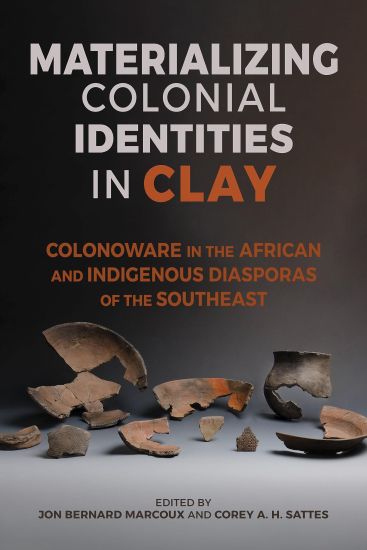
In Materializing Colonial Identities in Clay, Jon Bernard Marcoux, Corey A. H. Sattes, and contributors examine colonoware to explore the active roles that African Americans and Indigenous people played in constructing southern colonial culture and part of their shared history with Europeans. Colonoware was most likely produced by African and Indigenous potters and used by all colonial groups for cooking, serving, and storing food. It formed the foundation of colonial foodways in many settlements across the southeastern United States. Even so, compared with other ceramics from this period, less has been understood about its production and use because of the lack of documentation. This collection of essays fills this gap with valuable, recent archaeological data from which much may be surmised about the interaction among Europeans, Indigenous, and Africans, especially within the contexts of the African and Indigenous slave trade and plantation systems. The chapters represent the full range of colonoware research: from the beginning to the end of its production, from urban to rural contexts, and from its intraregional variation in the Lowcountry to the broad patterns of colonialism across the early American Southeast. The book summarizes current approaches in colonoware research and how these may bridge the gaps between broader colonial American studies, Indigenous studies, and African Diaspora studies. A concluding discussion contextualizes the chapters through the perspectives of intersectionality and Black feminist theory, drawing attention to the gendered and racialized meanings embodied in colonoware, and considering how colonialism and slavery have shaped these cultural dimensions and archaeologists’ study of them.
Materializing Colonial Identities in Clay

Materializing Colonial Identities in Clay

Andrew Agha; Ronald W. Anthony; Jodi A. Barnes; David J. Cranford; Katherine P. Gill; J. W. Joseph; Julia A. King; Jon Bernard Marcoux; Sarah E. Platt; Corey A. H. Sattes; Craig T. Sheldon; Scott M. Strickland; Martha A. Zierden

THE UNIVERSITY OF ALABAMA PRESS
2024
nidottu
In Materializing Colonial Identities in Clay, Jon Bernard Marcoux, Corey A. H. Sattes, and contributors examine colonoware to explore the active roles that African Americans and Indigenous people played in constructing southern colonial culture and part of their shared history with Europeans. Colonoware was most likely produced by African and Indigenous potters and used by all colonial groups for cooking, serving, and storing food. It formed the foundation of colonial foodways in many settlements across the southeastern United States. Even so, compared with other ceramics from this period, less has been understood about its production and use because of the lack of documentation. This collection of essays fills this gap with valuable, recent archaeological data from which much may be surmised about the interaction among Europeans, Indigenous, and Africans, especially within the contexts of the African and Indigenous slave trade and plantation systems. The chapters represent the full range of colonoware research: from the beginning to the end of its production, from urban to rural contexts, and from its intraregional variation in the Lowcountry to the broad patterns of colonialism across the early American Southeast. The book summarizes current approaches in colonoware research and how these may bridge the gaps between broader colonial American studies, Indigenous studies, and African Diaspora studies. A concluding discussion contextualizes the chapters through the perspectives of intersectionality and Black feminist theory, drawing attention to the gendered and racialized meanings embodied in colonoware, and considering how colonialism and slavery have shaped these cultural dimensions and archaeologists’ study of them.
Joseph P. Kennedy Presents: His Hollywood Years
Joseph P. Kennedy's reputation as a savvy businessman, diplomat, and sly political patriarch is well-documented. But his years as a Hollywood mogul have never been fully explored until now. In Joseph P. Kennedy Presents, Cari Beauchamp brilliantly explores this unknown chapter in Kennedy's biography. Between 1926 and 1930, Kennedy positioned himself as a major Hollywood player. In two short years, he was running three studios simultaneously and then, in a bold move, he merged his studios with David Sarnoff to form the legendary RKO Studio. Beauchamp also tells the story of Kennedy's affair with Gloria Swanson; how he masterminded the mergers that created the blueprint for contemporary Hollywood; and made the fortune that became the foundation of his empire.
Joseph P. Kennedy Presents His Hollywood Years

Joseph P. Kennedy Presents His Hollywood Years

Cari Beauchamp

Blackstone Audiobooks
2009
cd
Joseph P. Kennedy reigned in Hollywood from 1926 to 1930, when he ran three movie studios, led the revolution in sound pictures, and created the first modern entertainment empire. Sorting through the archives of Kennedy deals, letters, and memos, Cari Beauchamp tells for the first time how he made it all happen, a miracle of smoke and mirrors that resulted in a gambit never seen before or since: the merger with RCA that resulted in RKO Studios. Beauchamp writes about the pictures Kennedy produced; the stars he made and ruined (including his lover, Gloria Swanson); and the Hollywood titans he charmed, cajoled, and battled, including William Randolph Hearst, in this fascinating tale of greed and business genius that shows how Kennedy not only made a fortune but changed the very nature of the business of moviemaking.
Joseph P. Kennedy Presents His Hollywood Years

Joseph P. Kennedy Presents His Hollywood Years

Cari Beauchamp

Blackstone Audiobooks
2009
mp3 cd-levyllä
Joseph P. Kennedy reigned in Hollywood from 1926 to 1930, when he ran three movie studios, led the revolution in sound pictures, and created the first modern entertainment empire. Sorting through the archives of Kennedy deals, letters, and memos, Cari Beauchamp tells for the first time how he made it all happen, a miracle of smoke and mirrors that resulted in a gambit never seen before or since: the merger with RCA that resulted in RKO Studios. Beauchamp writes about the pictures Kennedy produced; the stars he made and ruined (including his lover, Gloria Swanson); and the Hollywood titans he charmed, cajoled, and battled, including William Randolph Hearst, in this fascinating tale of greed and business genius that shows how Kennedy not only made a fortune but changed the very nature of the business of moviemaking.
Joseph P. Kennedy, Sr.: The Life and Legacy of the Patriarch Behind America's Most Famous Political Dynasty
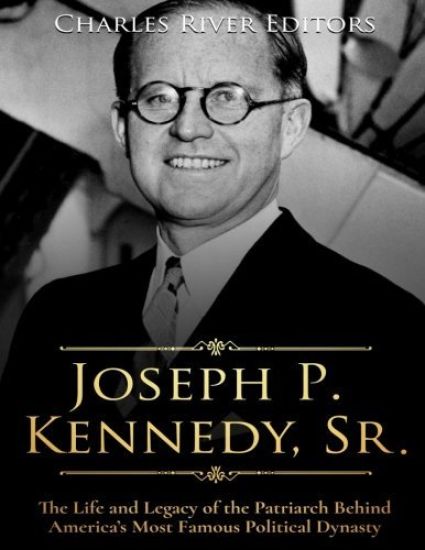
*Includes pictures *Includes online resources and a bibliography for further reading "We have a rich man, untrained in diplomacy, unlearned in history and politics, who is a great publicity seeker and who apparently is ambitious to be the first Catholic president of the U.S." - British MP Josiah Wedgwood's description of Joe Kennedy, Sr. as U.S. Ambassador to the United Kingdom In many ways, John Fitzgerald Kennedy and his young family were the perfect embodiment of the '60s. The decade began with a sense of idealism, personified by the attractive Kennedy, his beautiful and fashionable wife Jackie, and his young children. Months into his presidency, Kennedy exhorted the country to reach for the stars, calling upon the nation to send a man to the Moon and back by the end of the decade. In 1961, Kennedy made it seem like anything was possible, and Americans were eager to believe him. The Kennedy years were fondly and famously labeled "Camelot," by Jackie herself, suggesting an almost mythical quality about the young President and his family. As it turned out, the '60s closely reflected the glossy, idealistic portrayal of John F. Kennedy, as well as the uglier truths. The country would achieve Kennedy's goal of a manned moon mission, and the landmark Civil Rights Act of 1964 finally guaranteed minorities their civil rights and restored equality, ensuring that the country "would live out the true meaning of its creed." But the idealism and optimism of the decade was quickly shattered, starting with Kennedy's assassination in 1963. The '60s were permanently marred by the Vietnam War, and by the time Robert F. Kennedy and Martin Luther King, Jr. were assassinated in 1968, the country was irreversibly jaded. The events of the decade produced protests and countercultures unlike anything the country had seen before, as young people came of age more quickly than ever. While JFK was the member of the Kennedy dynasty to reach the White House, he was hardly the first to seek the presidency. In fact, that ambition was held by his father, Joseph P. Kennedy, Sr., the family's most controversial figure. The son of working class Irish Americans, Joe, Sr. fought his way to fame and fortune in every way available to him, both legal and illegally, morally and immorally. As he was in business, so he was with his family - devoted and underhanded, determined and cutthroat. He knew what he wanted for himself, his wife, and his children, and he was unwilling to let anyone or anything stand in the way. From his wife, he wanted children, devotion, and silence about his many affairs. From his sons, he wanted power and position. From his daughters, he expected beauty, grace, and absolute loyalty. For the most part, the Kennedy patriarch would get what he wanted, but he frequently paid a terrible price for it. Of course, Kennedy also had his own personal ambitions, which included residing in the White House. A mover and shaker in Democratic politics, he threw his support behind Franklin Roosevelt, a man he later came to hate. The most he got out of this alliance was a brief appointment as the U.S. Ambassador to the UK, where he made himself increasingly unpopular by devoutly opposing American involvement in World War II even as the situation got more desperate for the British by the day. Later, he wanted the presidency for his sons, three of which he would help bury. Finally, he wanted peace for himself and his family, a simple desire that proved to be more elusive than any of his more ambitious hopes. In the end, one of his peers may have summed it up best when he said, "I like Joe Kennedy but I have no illusions about him. He understands power. Everywhere he went, from Brahmin Boston to the Court of St. James's, he saw great hypocrisy about the philosophy of those who rule. Power is the end. What other delight is there but to enjoy the sheer sense of control?"
Joseph P. Kennedy, Sr.: The Life and Legacy of the Patriarch Behind America's Most Famous Political Dynasty
*Includes pictures *Includes online resources and a bibliography for further reading "We have a rich man, untrained in diplomacy, unlearned in history and politics, who is a great publicity seeker and who apparently is ambitious to be the first Catholic president of the U.S." - British MP Josiah Wedgwood's description of Joe Kennedy, Sr. as U.S. Ambassador to the United Kingdom In many ways, John Fitzgerald Kennedy and his young family were the perfect embodiment of the '60s. The decade began with a sense of idealism, personified by the attractive Kennedy, his beautiful and fashionable wife Jackie, and his young children. Months into his presidency, Kennedy exhorted the country to reach for the stars, calling upon the nation to send a man to the Moon and back by the end of the decade. In 1961, Kennedy made it seem like anything was possible, and Americans were eager to believe him. The Kennedy years were fondly and famously labeled "Camelot," by Jackie herself, suggesting an almost mythical quality about the young President and his family. As it turned out, the '60s closely reflected the glossy, idealistic portrayal of John F. Kennedy, as well as the uglier truths. The country would achieve Kennedy's goal of a manned moon mission, and the landmark Civil Rights Act of 1964 finally guaranteed minorities their civil rights and restored equality, ensuring that the country "would live out the true meaning of its creed." But the idealism and optimism of the decade was quickly shattered, starting with Kennedy's assassination in 1963. The '60s were permanently marred by the Vietnam War, and by the time Robert F. Kennedy and Martin Luther King, Jr. were assassinated in 1968, the country was irreversibly jaded. The events of the decade produced protests and countercultures unlike anything the country had seen before, as young people came of age more quickly than ever. While JFK was the member of the Kennedy dynasty to reach the White House, he was hardly the first to seek the presidency. In fact, that ambition was held by his father, Joseph P. Kennedy, Sr., the family's most controversial figure. The son of working class Irish Americans, Joe, Sr. fought his way to fame and fortune in every way available to him, both legal and illegally, morally and immorally. As he was in business, so he was with his family - devoted and underhanded, determined and cutthroat. He knew what he wanted for himself, his wife, and his children, and he was unwilling to let anyone or anything stand in the way. From his wife, he wanted children, devotion, and silence about his many affairs. From his sons, he wanted power and position. From his daughters, he expected beauty, grace, and absolute loyalty. For the most part, the Kennedy patriarch would get what he wanted, but he frequently paid a terrible price for it. Of course, Kennedy also had his own personal ambitions, which included residing in the White House. A mover and shaker in Democratic politics, he threw his support behind Franklin Roosevelt, a man he later came to hate. The most he got out of this alliance was a brief appointment as the U.S. Ambassador to the UK, where he made himself increasingly unpopular by devoutly opposing American involvement in World War II even as the situation got more desperate for the British by the day. Later, he wanted the presidency for his sons, three of which he would help bury. Finally, he wanted peace for himself and his family, a simple desire that proved to be more elusive than any of his more ambitious hopes. In the end, one of his peers may have summed it up best when he said, "I like Joe Kennedy but I have no illusions about him. He understands power. Everywhere he went, from Brahmin Boston to the Court of St. James's, he saw great hypocrisy about the philosophy of those who rule. Power is the end. What other delight is there but to enjoy the sheer sense of control?"
Joseph P. Kennedy, Jr.: The Life and Legacy of the Eldest Kennedy Brother

Joseph P. Kennedy, Jr.: The Life and Legacy of the Eldest Kennedy Brother

Charles River

Createspace Independent Publishing Platform
2017
nidottu
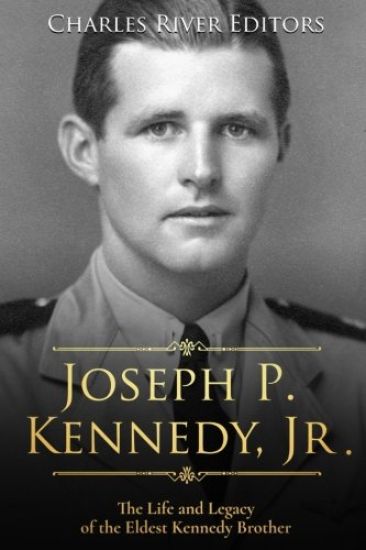
*Includes pictures *Includes online resources and a bibliography for further reading "This child is the future President of the nation." - John F. Fitzgerald, referring to his grandson, Joseph P. Kennedy, Jr. In many ways, John Fitzgerald Kennedy and his young family were the perfect embodiment of the '60s. The decade began with a sense of idealism, personified by the attractive Kennedy, his beautiful and fashionable wife Jackie, and his young children. Months into his presidency, Kennedy exhorted the country to reach for the stars, calling upon the nation to send a man to the Moon and back by the end of the decade. In 1961, Kennedy made it seem like anything was possible, and Americans were eager to believe him. The Kennedy years were fondly and famously labeled "Camelot," by Jackie herself, suggesting an almost mythical quality about the young President and his family. As it turned out, the '60s closely reflected the glossy, idealistic portrayal of John F. Kennedy, as well as the uglier truths. The country would achieve Kennedy's goal of a manned moon mission, and the landmark Civil Rights Act of 1964 finally guaranteed minorities their civil rights and restored equality, ensuring that the country "would live out the true meaning of its creed." But the idealism and optimism of the decade was quickly shattered, starting with Kennedy's assassination in 1963. The '60s were permanently marred by the Vietnam War, and by the time Robert F. Kennedy and Martin Luther King, Jr. were assassinated in 1968, the country was irreversibly jaded. The events of the decade produced protests and countercultures unlike anything the country had seen before, as young people came of age more quickly than ever. By the time Bobby Kennedy was killed, references to the infamous "Kennedy Curse" became more common, to the point that Americans are now familiar with the phrase, but if such a curse did truly exist, it did not originate with the fallen president or his younger brother. Instead, the first Kennedy to suffer an untimely death was the oldest brother, and the one originally expected to achieve a preeminent place in politics. Joseph Kennedy, Jr. was the expected heir to his father's dream of a Kennedy in the White House. His parents doted on their firstborn, even as more children followed in quick succession. They sent him to the best schools, made sure he made the right sort of friends, and constantly reminded him of his political destiny. Joseph Kennedy, Sr., who would reach the upper echelons of the federal government himself, groomed his son for a future in politics, encouraging him to refine his opinions and exposing him to the most important issues of the day. Handsome, bright, and charming, the rest of the Kennedy brothers looked up to Joe, Jr. Bobby would name his firstborn son after his oldest brother, and some of the time Bobby did serve in the Navy was aboard the USS Joseph P. Kennedy Jr., a Navy ship that would also form part of the blockade of Cuba ordered by President Kennedy at the height of the Cuban Missile Crisis. Unfortunately, as those facts suggest, Joe, Jr. would be one of millions of young men across the world who had to confront issues in the 1930s that proved more volatile than just about any other time in history. As he came of age, Joe was weighing in on Hitler and his Nazi followers, and when America entered World War II, there was no question he would fight in some capacity. For a young man with presidential aspirations, being a veteran with a sterling record was one of the best stepping stones to a nascent career in politics, and being viewed as one who was willing to fight for his country was crucial. Joe's ambitions and his well-cultivated sense of patriotism would lead him to volunteer as a Navy flier, and sadly, his future and that of his family's political dynasty would be irreversibly changed by an accident in the summer of 1944.
Joseph P. Kennedy, Jr.: The Life and Legacy of the Eldest Kennedy Brother

Joseph P. Kennedy, Jr.: The Life and Legacy of the Eldest Kennedy Brother

Charles River

Createspace Independent Publishing Platform
2017
nidottu
*Includes pictures *Includes online resources and a bibliography for further reading "This child is the future President of the nation." - John F. Fitzgerald, referring to his grandson, Joseph P. Kennedy, Jr. In many ways, John Fitzgerald Kennedy and his young family were the perfect embodiment of the '60s. The decade began with a sense of idealism, personified by the attractive Kennedy, his beautiful and fashionable wife Jackie, and his young children. Months into his presidency, Kennedy exhorted the country to reach for the stars, calling upon the nation to send a man to the Moon and back by the end of the decade. In 1961, Kennedy made it seem like anything was possible, and Americans were eager to believe him. The Kennedy years were fondly and famously labeled "Camelot," by Jackie herself, suggesting an almost mythical quality about the young President and his family. As it turned out, the '60s closely reflected the glossy, idealistic portrayal of John F. Kennedy, as well as the uglier truths. The country would achieve Kennedy's goal of a manned moon mission, and the landmark Civil Rights Act of 1964 finally guaranteed minorities their civil rights and restored equality, ensuring that the country "would live out the true meaning of its creed." But the idealism and optimism of the decade was quickly shattered, starting with Kennedy's assassination in 1963. The '60s were permanently marred by the Vietnam War, and by the time Robert F. Kennedy and Martin Luther King, Jr. were assassinated in 1968, the country was irreversibly jaded. The events of the decade produced protests and countercultures unlike anything the country had seen before, as young people came of age more quickly than ever. By the time Bobby Kennedy was killed, references to the infamous "Kennedy Curse" became more common, to the point that Americans are now familiar with the phrase, but if such a curse did truly exist, it did not originate with the fallen president or his younger brother. Instead, the first Kennedy to suffer an untimely death was the oldest brother, and the one originally expected to achieve a preeminent place in politics. Joseph Kennedy, Jr. was the expected heir to his father's dream of a Kennedy in the White House. His parents doted on their firstborn, even as more children followed in quick succession. They sent him to the best schools, made sure he made the right sort of friends, and constantly reminded him of his political destiny. Joseph Kennedy, Sr., who would reach the upper echelons of the federal government himself, groomed his son for a future in politics, encouraging him to refine his opinions and exposing him to the most important issues of the day. Handsome, bright, and charming, the rest of the Kennedy brothers looked up to Joe, Jr. Bobby would name his firstborn son after his oldest brother, and some of the time Bobby did serve in the Navy was aboard the USS Joseph P. Kennedy Jr., a Navy ship that would also form part of the blockade of Cuba ordered by President Kennedy at the height of the Cuban Missile Crisis. Unfortunately, as those facts suggest, Joe, Jr. would be one of millions of young men across the world who had to confront issues in the 1930s that proved more volatile than just about any other time in history. As he came of age, Joe was weighing in on Hitler and his Nazi followers, and when America entered World War II, there was no question he would fight in some capacity. For a young man with presidential aspirations, being a veteran with a sterling record was one of the best stepping stones to a nascent career in politics, and being viewed as one who was willing to fight for his country was crucial. Joe's ambitions and his well-cultivated sense of patriotism would lead him to volunteer as a Navy flier, and sadly, his future and that of his family's political dynasty would be irreversibly changed by an accident in the summer of 1944.