Kirjojen hintavertailu. Mukana 11 470 189 kirjaa ja 12 kauppaa.

Kirjahaku

Etsi kirjoja tekijän nimen, kirjan nimen tai ISBN:n perusteella.

1000 tulosta hakusanalla Julie Suares

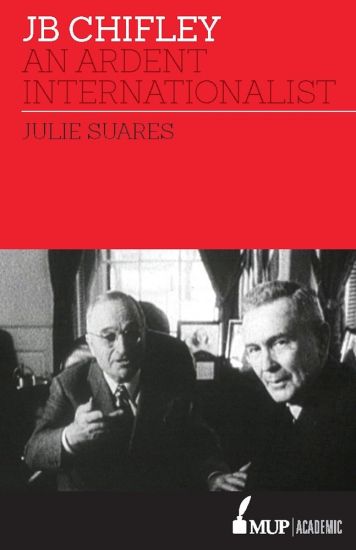
JB Chifley

JB Chifley

Julie Suares

Melbourne University Press
2019
sidottu
Joseph Benedict (Ben) Chifley, former train driver and Prime Minister of Australia from 1945 to 1949, lived through two economic depressions and two world wars. This, combined with his rural background and commitment to the labour movement, played a major role in the development of his internationalist perspective. Often overlooked by historians, Chifley believed that the only way to avoid war and economic depression was through the establishment of international rules-based economic and collective security institutions. These were beliefs he had held since the early 1930s.Chifley was a prime minister with a keen interest in post-war Asia, who understood that the old colonial order was ending. He was a great admirer of the Indian Prime Minister, Jawaharlal Nehru. This book reveals the extraordinary convergence of worldviews of two fellow internationalists, Chifley and Nehru. This convergence can be seen in their views on the need to adjust to a changing post-colonial world; their internationalism; their support for the United Nations; their opposition to Western colonialism; their anti-war attitudes and their animosity towards the American and British Cold War framework through which the post-war world was viewed.Historian Frank Bongiorno wrote on JB Chifley: "It is a tremendous achievement to produce such a new vision of a major political figure. It is an important contribution to Australian political, foreign policy and intellectual history."
JB Chifley

JB Chifley

Julie Suares

Melbourne University Press
2019
nidottu
Joseph Benedict (Ben) Chifley, former train driver and Prime Minister of Australia from 1945 to 1949, lived through two economic depressions and two world wars. This, combined with his rural background and commitment to the labour movement, played a major role in the development of his internationalist perspective. Often overlooked by historians, Chifley believed that the only way to avoid war and economic depression was through the establishment of international rules-based economic and collective security institutions. These were beliefs he had held since the early 1930s.Chifley was a prime minister with a keen interest in post-war Asia, who understood that the old colonial order was ending. He was a great admirer of the Indian Prime Minister, Jawaharlal Nehru. This book reveals the extraordinary convergence of worldviews of two fellow internationalists, Chifley and Nehru. This convergence can be seen in their views on the need to adjust to a changing post-colonial world; their internationalism; their support for the United Nations; their opposition to Western colonialism; their anti-war attitudes and their animosity towards the American and British Cold War framework through which the post-war world was viewed.Historian Frank Bongiorno wrote about Julie's work on Chifley: 'it is a tremendous achievement to produce such a new vision of a major political figure . it is an important contribution to Australian political, foreign policy and intellectual history'.
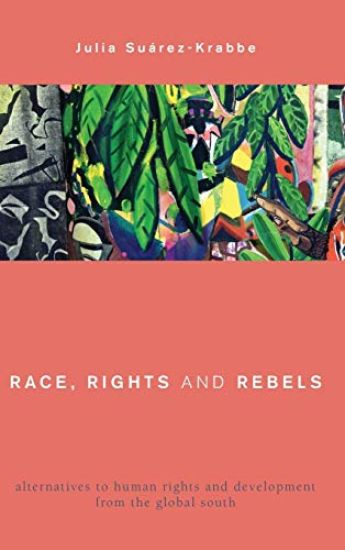
Race, Rights and Rebels

Race, Rights and Rebels

Julia Suárez-Krabbe

Rowman Littlefield International
2015
sidottu
Human rights and development cannot be understood separately. They are historically connected by the idea of race, and have evolved concomitantly with the latter. As the tools of race, human rights and development have been forged in the effort to legitimize and maintain coloniality. While rights and development can be used as tools to achieve protection, specific political goals, or access in the dominant society, they limit radical social change because they are framed within a specific dominant ontology, and sustain a particular political horizon. This book provides an original analysis of the evolution of the overlapping histories of human rights and development through the prism of coloniality, and offers an important contribution to the search for alternatives to these through the lens of indigenous and other southern theories and epistemologies. In this effort, Julia Suárez-Krabbe brings new perspectives to discussions pertaining to the decolonial perspective, race, knowledge, pluriversality, mestizaje and identity while elaborating on original philosophical concepts that can ground alternatives to human rights and development.
Race, Rights and Rebels

Race, Rights and Rebels

Julia Suárez-Krabbe

Rowman Littlefield International
2015
nidottu
Human rights and development cannot be understood separately. They are historically connected by the idea of race, and have evolved concomitantly with the latter. As the tools of race, human rights and development have been forged in the effort to legitimize and maintain coloniality. While rights and development can be used as tools to achieve protection, specific political goals, or access in the dominant society, they limit radical social change because they are framed within a specific dominant ontology, and sustain a particular political horizon. This book provides an original analysis of the evolution of the overlapping histories of human rights and development through the prism of coloniality, and offers an important contribution to the search for alternatives to these through the lens of indigenous and other southern theories and epistemologies. In this effort, Julia Suárez-Krabbe brings new perspectives to discussions pertaining to the decolonial perspective, race, knowledge, pluriversality, mestizaje and identity while elaborating on original philosophical concepts that can ground alternatives to human rights and development.
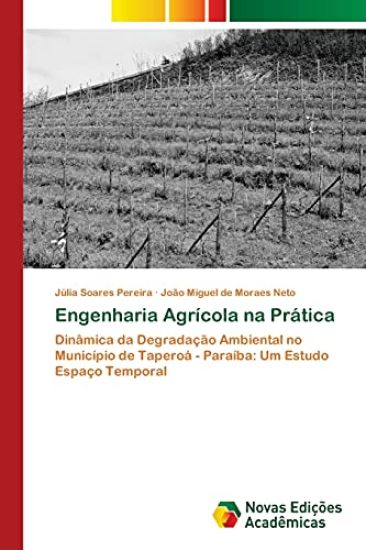
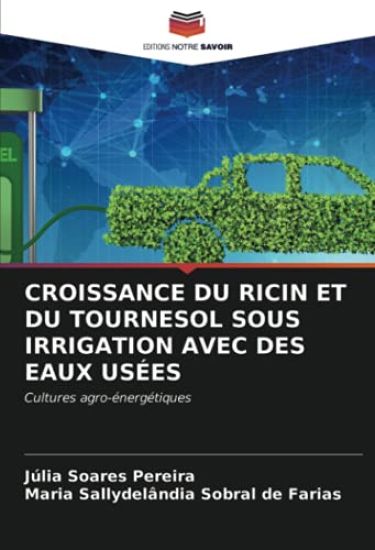
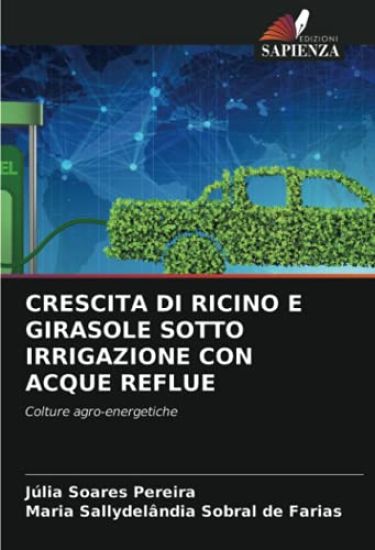
Engenharia Agrícola na Prática

Engenharia Agrícola na Prática

Júlia Soares Pereira; João Miguel de Moraes Neto

Novas Edicoes Academicas
2021
pokkari
O munic pio de Tapero localiza-se na regi o central do Estado da Para ba, Mesorregi o Borborema e Microrregi o do Cariri Ocidental. Est inclu do na rea geogr fica de abrang ncia do semi rido do Brasil, tendo como crit rios o ndice pluviom trico, o ndice de aridez e o risco a seca. Esta pesquisa est centrada no estudo da degrada o ambiental no munic pio de Tapero - Para ba, levando em considera o os limites geogr ficos que fica em torno da sub-bacia do rio, sendo ao norte, Areia de Bara na, Salgadinho e Assun o, ao leste, Santo Andr e S o Jos dos Cordeiros, ao sul, S o Jos dos Cordeiros e Livramento, e ao oeste, Cacimbas e Passagem. Foram utilizados recursos dispon veis atrav s das t cnicas de geoprocessamento. O objetivo geral da pesquisa analisar os n veis de degrada o a partir de um estudo espa o temporal da cobertura vegetal, degrada o das terras, al m das vulnerabilidades da regi o, sendo elas social, econ mica, tecnol gica, ambiental e de susceptibilidade as estiagens.
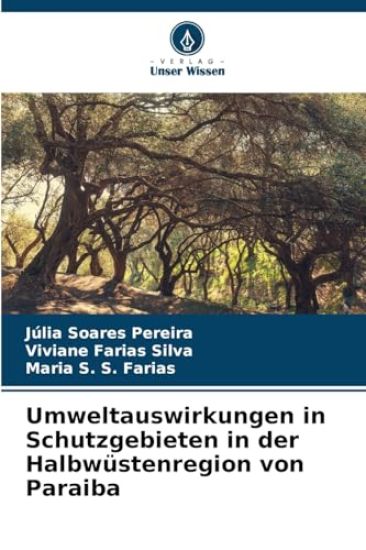
Umweltauswirkungen in Schutzgebieten in der Halbwüstenregion von Paraiba

Umweltauswirkungen in Schutzgebieten in der Halbwüstenregion von Paraiba

Júlia Soares Pereira; Viviane Farias Silva; Maria S S Farias

Verlag Unser Wissen
2024
pokkari
DIDAKTIK DES MENSCHEN Was ist die Bedeutung des Wassers? Den Durst des Menschen zu stillen. Es l sst die Pflanzen gedeihen. Welche Bedeutung hat der Boden? Um arbeitende F e zu tragen. Um sterbende K rper zu verwandeln. Welche Bedeutung hat der Mensch? Welchen Sinn hat der Himmel? Um unsere Augen blau zu f rben. Um jeden Fl gel fliegen zu lassen. Welchen Sinn hat die Sonne? Jedes Gesicht zu r ten. Sie reinigt das Unreine. Welche Bedeutung hat der Mensch? Welche Bedeutung hat der Mond? Die Natur zur Ruhe zu bringen. Lass den n chsten Tag kommen. Und so werden weitere Verse folgen, bis meine eigene Frage keinen Sinn mehr ergibt. Welchen Sinn hat der Mensch? Seinen N chsten zu beschuldigen. F r ein St ck Land zu t ten. In ein befreundetes Land eindringen. Heilige Gef ngnisse bauen. Zur Strafe exekutieren. Bomben auf andere werfen. Mensch, kann der Mensch vern nftig sein? Roberto Pontes
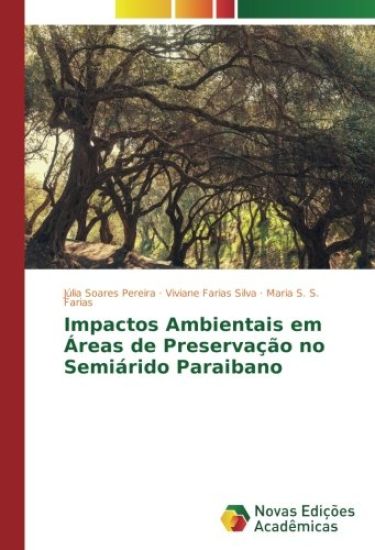
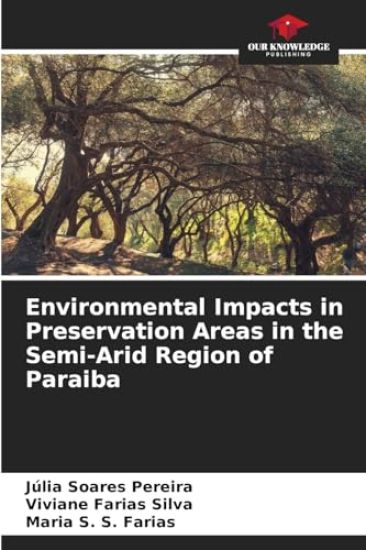
Environmental Impacts in Preservation Areas in the Semi-Arid Region of Paraiba

Environmental Impacts in Preservation Areas in the Semi-Arid Region of Paraiba

Júlia Soares Pereira; Viviane Farias Silva; Maria S S Farias

Our Knowledge Publishing
2024
pokkari
DIDACTICS OF MAN What is the meaning of water? To quench man's thirst. To make plants flourish. What meaning does the ground have? To support labouring feet. To transform dying bodies. What meaning does man have? What meaning does the sky have? To dye our eyes blue. To let any wing fly. What meaning does the sun have? To redden any face. To purify the impure. What meaning does man have? What meaning does the moon have? To rest nature. Let the next day come. And so other verses will follow until my own question no longer makes sense. What sense does man have? To accuse his neighbour. To kill for a piece of land. To invade a friendly country. Making holy prisons. Execute for punishment. Drop bombs on others. Man, can man make sense? Roberto Pontes
Impacts environnementaux dans les zones de préservation de la région semi-aride de Paraiba

Impacts environnementaux dans les zones de préservation de la région semi-aride de Paraiba

Júlia Soares Pereira; Viviane Farias Silva; Maria S S Farias

Editions Notre Savoir
2024
pokkari
DIDACTIQUE DE L'HOMME Quelle est la signification de l'eau ? tancher la soif de l'homme. Faire fleurir les plantes. Quelle est la signification du sol ? Soutenir les pieds qui travaillent. Transformer les corps mourants. Quel est le sens de l'homme ? Quel est le sens du ciel ? Teindre nos yeux en bleu. Pour faire voler n'importe quelle aile. Quel est le sens du soleil ? Rougir n'importe quel visage. Purifier l'impur. Quel est le sens de l'homme ? Quel est le sens de la lune ? Reposer la nature. Laisser venir le jour suivant. Et d'autres versets suivront jusqu' ce que ma propre question n'ait plus de sens. Quel est le sens de l'homme ? Accuser son voisin. Tuer pour un lopin de terre. Envahir un pays ami. Faire des prisons sacr es. Ex cuter pour punir. Lancer des bombes sur les autres. L'homme, peut-il avoir un sens ? Roberto Pontes
Impatti ambientali nelle aree di conservazione della regione semiarida di Paraiba

Impatti ambientali nelle aree di conservazione della regione semiarida di Paraiba

Júlia Soares Pereira; Viviane Farias Silva; Maria S S Farias

Edizioni Sapienza
2024
pokkari
DIDATTICA DELL'UOMO Qual il significato dell'acqua? Placare la sete dell'uomo. Far fiorire le piante. Che significato ha la terra? Per sostenere i piedi che lavorano. Per trasformare i corpi morenti. Che significato ha l'uomo? Che significato ha il cielo? Per tingere di blu i nostri occhi. Per far volare qualsiasi ala. Che significato ha il sole? Per arrossare qualsiasi viso. Per purificare l'impuro. Che significato ha l'uomo? Che significato ha la luna? Far riposare la natura. Lasciare che il giorno dopo arrivi. E cos seguiranno altri versi finch la mia stessa domanda non avr pi senso. Che senso ha l'uomo? Accusare il suo vicino. Uccidere per un pezzo di terra. Invadere un paese amico. Fare prigioni sacre. Giustiziarsi per punizione. Gettare bombe su altri. L'uomo, l'uomo pu avere un senso? Roberto Pontes
Oddzialywanie na srodowisko na obszarach chronionych w pólsuchym regionie Paraiba

Oddzialywanie na srodowisko na obszarach chronionych w pólsuchym regionie Paraiba

Júlia Soares Pereira; Viviane Farias Silva; Maria S S Farias

Wydawnictwo Nasza Wiedza
2024
pokkari
DYDAKTYKA CZLOWIEKA Jakie jest znaczenie wody? Aby ugasic pragnienie czlowieka. Sprawia, że rośliny kwitną. Jakie znaczenie ma ziemia? Aby wspierac pracujące stopy. Aby przeksztalcac umierające ciala. Jakie znaczenie ma czlowiek? Jakie znaczenie ma niebo? By zabarwic nasze oczy na niebiesko. By pozwolic latac każdemu skrzydlu. Jakie znaczenie ma slońce? By zaczerwienic każdą twarz. Aby oczyścic to, co nieczyste. Jakie znaczenie ma czlowiek? Jakie znaczenie ma księżyc? By dac odpocząc naturze. Niech nadejdzie następny dzień. I tak będą pojawiac się kolejne wersety, aż moje wlasne pytanie przestanie miec sens. Jaki sens ma czlowiek? Oskarżac swojego sąsiada. Zabijac dla kawalka ziemi. Najeżdżac przyjazny kraj. Tworzyc święte więzienia. Wykonywac egzekucje za karę. Zrzucac bomby na innych. Czlowieku, czy czlowiek może miec sens? Roberto Pontes