Kirjojen hintavertailu. Mukana 11 244 527 kirjaa ja 12 kauppaa.

Kirjahaku

Etsi kirjoja tekijän nimen, kirjan nimen tai ISBN:n perusteella.

1000 tulosta hakusanalla Julija Bije

Vojna Katrin

Vojna Katrin

Julija Bije

Samokat
2022
sidottu
"Vojna Katrin" - graficheskij roman o vojne, v kotorom net ni odnoj voennoj stseny. Rasskaz ob okkupatsii Frantsii vedjotsja ot litsa devochki-evrejki, kotoraja byla vynuzhdena smenit imja i iskat ubezhischa ot natsistov v raznykh ugolkakh strany. Iz tsennykh veschej u nejo s soboj lish fotoapparat. Ona zapechatlevaet vsekh prijutivshikh ejo ljudej i takim obrazom sostavljaet galereju svidetelstv o Vtoroj mirovoj. Obektiv ejo kamery fokusiruetsja na dobre, i cherez nego my vidim Frantsiju 1940-kh godov glazami vzroslejuschego v vojnu podrostka. Khudozhnitsa Kler Fovel sozdala graficheskij roman "Vojna Katrin", vdokhnovivshis odnoimjonnym proizvedeniem Julii Bije. V 2018 godu avtory poluchili premiju Mezhdunarodnogo festivalja komiksov v Anguleme, samuju prestizhnuju v etoj oblasti. Khudozhestvennyj roman "Vojna Katrin" vyshel v izdatelstve "Samokat" 2021 godu. Pjat prichin kupit 1 Istoricheskij komiks, kotoryj rasskazyvaet o vojne neobychnym, trogatelnym sposobom, glazami rebenka, uvlechennogo svoim iskusstvom - iskusstvom fotografii. 2 Dialogovaja adaptatsija, kotoruju predlagaet v graficheskom romane pisatelnitsa pozvoljaet okhvatit bolee shirokuju auditoriju. 3 Sposob pokazat sovremennym detjam, chto vojna - eto ne tolko tam, gde streljajut, a Kholokost - ne tolko v lagerjakh smerti. 4 Radostnaja mjagkost risunkov Kler Fovel, podatlivye kontury ee siluetov pridajut trogatelnyj i dazhe vnevremennoj razmakh romanu. 5 Chto est fotografija, kak ne sposob vnimatelno vsmotretsja v tekh, kto vstrechaetsja nam na puti, sokhranit ego v pamjati i peredat etu pamjat dalshe - nam s vami.Perevodchik: Kozhevnikova EkaterinaKhudozhnik: Fovel Kler
Vojna Katrin

Vojna Katrin

Julija Bije

Samokat
2021
sidottu
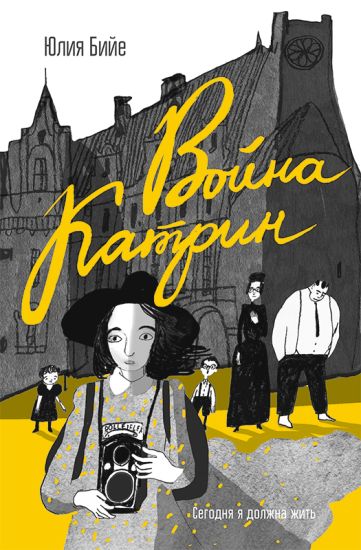
"Vojna Katrin" - vozmozhno, samaja mirnaja kniga o vojne: v nej net vzryvov, vystrelov i krovi. Vse rany dostalis dushe.Devochka-evrejka zhivjot pod chuzhim imenem i skitaetsja po Frantsii, spasajas ot natsistov. Ej neverojatno povezlo: na puti ej vstrechajutsja khoroshie ljudi, i ona nakhodit svoe prizvanie. V rukakh u nejo fotoapparat, i snimki ejo - unikalnye svidetelstva perezhitogo.Avtor tonko i ubeditelno pokazyvaet vzroslenie podrostka. Eto kniga o moguschestve dobra, i tem vazhnee, chto v osnove etogo pronzitelnogo povestvovanija lezhat realnye fakty.Julija Bije - izvestnaja frantsuzskaja pisatelnitsa, avtor romanov, rasskazov, stikhov i komiksov, laureat mnogochislennykh premij, v tom chisle Premii Andersena (2018). Ejo proizvedenija perevedeny na anglijskij, nemetskij, italjanskij, ispanskij, kitajskij jazyki, a teper i na russkij.Dlja srednego i starshego shkolnogo vozrasta.Perevodchik: Kozhevnikova Marianna, Kozhevnikova Ekaterina
Simbirskaja Julija Simbirskaja. Dalnie berega
Zhene prishlos provesti vse leto s Tonej, i eto byla nastojaschaja pytka. Tonja - krasivaja, volevaja, zadiristaja devchonka, kotoraja ochen ljubit posmejatsja nad drugimi, osobenno nad temi, kto ne mozhet srazu ej otvetit. U nee net nastojaschikh roditelej, ee vospityvaet Zhenina tetja. A teper vot i Zhenina mama reshila o nej pozabotitsja. Ves mir vertitsja vokrug etoj koljuchki! A s ee storony - odni nasmeshki i podkoly. I do Zheninykh chuvstv, pokhozhe, nikomu dela net dazhe mame. No odnazhdy Zhenja nashla tainstvennoe Tonino pismo, sprjatannoe v knige. Teper-to ona otomstit za vse svoi obidy! No chto, esli plany mesti neozhidanno privedut Zhenju k tem dalekim beregam, kotorye ona davno iskala, a vmesto obidy i revnosti pridet ponimanie?
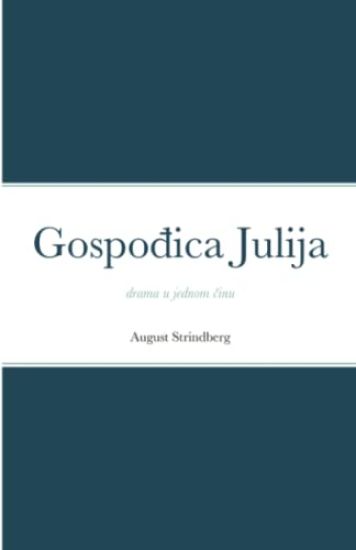
Gospodica Julija

Gospodica Julija

August Strindberg

Lulu.com
2020
pokkari
August Strindberg Gospođica Julija drama u jednom činu - M1, Z2 Nepremostive drustvene i osobne razlike postepeno pretvaraju naivni flert između koketne grofove kceri i markantnog sluge u neminovnu tragediju. Gospođica Julija jedno je od najznamenitijih djela svedskog dramatičara Augusta Strindberga. Drama je napisana 1888. i premijerno izvedena 1906. godine. Djelo odlikuje naturalistički pristup intrigantnoj temi, vjesta psiholoska iznijansiranost likova i suptilnost njihovih emocija.
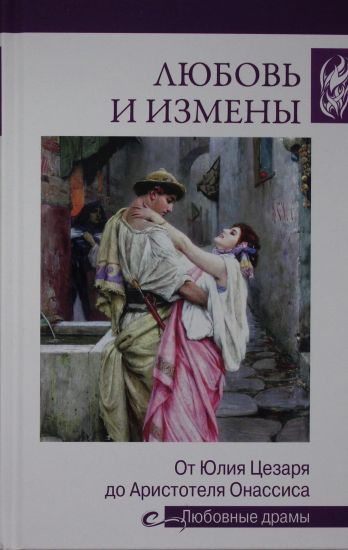
Ljubov i izmeny.Ot Julija Tsezarja do Aristotelja Onassisa
V dannoj knige vy najdete otvety na voprosy, kotorye volnujut milliony ljudej: pochemu izmenjajut muzhchiny i zhenschiny i kak reagirovat na izmenu blizkogo cheloveka? Vnimaniju chitatelej predstavleny rasskazy o lichnoj zhizni mnogikh znamenitykh ljudej Drevnego mira i sovremennosti: koronovannykh osob, pisatelej, khudozhnikov, kompozitorov, zvjozd teatra i kino, politicheskikh dejatelej i t. d. Kniga prednaznachena dlja shirokogo kruga chitatelej.
Die Fälle Caster Semenya und Julija Jefimowa
Neben dem immerw hrenden Thema Doping und einigen herausragenden Weltrekorden sorgten vor allem zwei Ereignisse w hrend der Olympischen Sommerspiele 2016 in Rio de Janeiro f r Diskussionsstoff: Die Teilnahme gleich mehrerer hyperandrogener Frauen - insbesondere der S dafrikanerin Caster Semenya - am 800-Meter-Lauf der Frauen und die an ffentliche Blo stellung und Hetze grenzende Berichterstattung ber die russische Schwimmerin Julija Jefimowa (Yuliya Yefimova/Efimova). Der Autor legt dar, dass die Teilnahme von Intersexuellen am Leistungssport f r Frauen letztlich der Intention des Frauensports zuwiderl uft. Im Fall der russischen Schwimmerin Jefimowa zeigt er auf, dass sie w hrend der Olympiade in Rio de Janeiro zu Unrecht attackiert und d monisiert wurde. F r den zuk nftigen Umgang mit vermeintlichen Dopings ndern schl gt er einen individuelleren, menschenw rdigeren und sich st rker an etablierte Rechtsnormen orientierenden Umgang vor.
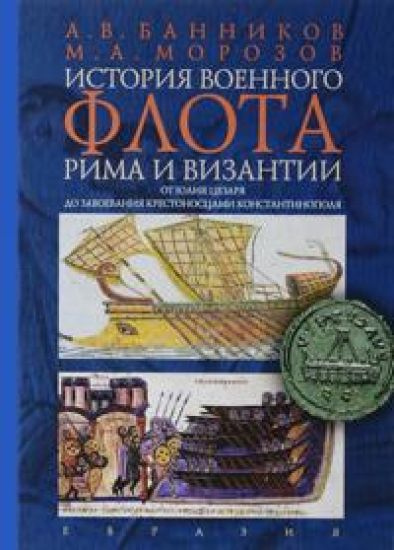
Istorija voennogo flota Rima i Vizantii (ot Julija Tsezarja do zavoevanija krestonostsami Konstantinopolja)
V knige rassmatrivajutsja protsess vozniknovenija i evoljutsija rimskogo reguljarnogo flota, a takzhe ego rol v strukture vooruzhennykh sil snachala Rimskoj, a v posledujuschem i Vizantijskoj imperii. Posle pobedy Rima nad vsemi krupnymi morskimi derzhavami Sredizemnomorja ego flot lish v slaboj stepeni prinimal uchastie v rasshirenii i podderzhanii rimskogo moguschestva. Gorazdo bolee zametnoj byla rol rechnykh eskadr, patrulirovavshikh Rejn i Dunaj, kotorye stali granitsami Imperii. Dlja podderzhanija etikh flotilij v boesposobnom sostojanii pravitelstvo postojanno prikladyvalo ogromnye usilija, osobenno v IV-V vv. Usilenie znachenija voenno-morskogo flota proiskhodit uzhe v vizantijskij period, kogda na politicheskoj stsene pojavljajutsja araby-musulmane, jarostno atakovavshie Imperiju ne tolko s sushi, no i s morja. Protivostojanie grekov s musulmanami na more s peremennym uspekhom prodolzhalos s VII v. po X v. V X stoletii vizantijtsy vosstanovili svoe gospodstvo v Vostochnom Sredizemnomore. Odnako uzhe v XI v....
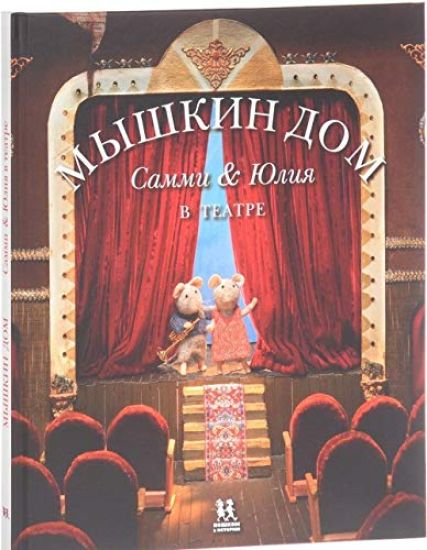
Myshkin dom. Sammi i Julija v teatre

Myshkin dom. Sammi i Julija v teatre

Karina Skhapman

Peshkom V Istoriju
2015
sidottu
Myshkin dom gollandskaja pisatelnitsa Karina Skhapman postroila sama iz korobok, pape-mashe i raznotsvetnykh loskutkov. V njom bolshe sta ujutnykh komnat s malenkimi koridorami i balkonchikami. Est dazhe podval i cherdak. V dome mnogo zhiltsov. Sredi nikh i myshata Sammi i Julija. Julija zhivjot s mamoj v malenkoj komnatke na sedmom etazhe, a Sammi s semjoj - v bolshoj kvartire, kotoraja vykhodit oknami na ulitsu. Sammi i Julija - luchshie druzja i vsjo delajut vmeste. Na etot raz ikh zhdjot vazhnoe sobytie - Sammi vystupaet v samom nastojaschem teatre. Julija pomogaet Sammi repetirovat. U Sammi s soboj volshebnyj kameshek, kotoryj objazatelno prinesjot emu udachu na kontserte. V poslednij moment Sammi terjaet ego v teatre. Vsjo propalo! No Julija nakhodit kameshek i vozvraschaet ego Sammi. Teper vsjo budet khorosho! Eto uzhe vtoraja kniga pro Sammi i Juliju, vyshedshaja v Rossii. "Myshkin dom" stal bestsellerom v Evrope.
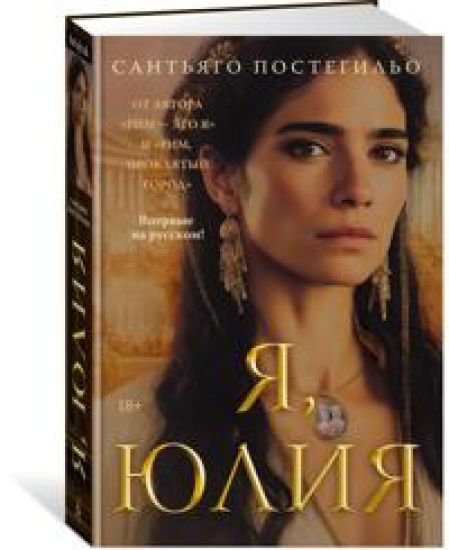
Ja, Julija

Ja, Julija

Santiago Posteguillo

Azbooka
2025
sidottu
192 god. V Rime pravit obezumevshij imperator Kommod, kotoryj mnit sebja novym Gerkulesom, ustraivaet pokazatelnye vystuplenija s demonstratsiej svoej nechelovecheskoj sily i derzhit v zalozhnikakh semi namestnikov udalennykh oblastej. Senat terjaet ostatki terpenija, i nastupaet odin iz tekh periodov rimskoj istorii, kogda byt imperatorom osobenno opasno dlja zhizni. Posle smerti Kommoda Julija Domna, zhena namestnika Septimija Severa, uezzhaet k muzhu, tem samym razvjazyvaja emu ruki, i vskore u Rima okazyvaetsja neskolko imperatorov: pomimo sobstvenno rimskogo, esche dvoe v dalekikh provintsijakh, v tom chisle i Sever. Politicheskie intrigi, popytki zakljuchat aljansy, zagovory, neskolko vojn - pjat burnykh let Julija stoit plechom k plechu s muzhem, vystupaja ego polnopravnym sovetnikom i vykazyvaja nemalye politicheskie i strategicheskie talanty. I u Julii est sobstvennyj plan - ee ambitsii trebujut ne prosto privesti Septimija Severa k vlasti... Santjago Postegilo, filolog i lingvist, dotoshnyj issledovatel i energichnyj rasskazchik, avtor istoricheskikh bestsellerov, posvjaschennykh istorii Drevnego Rima, v tom chisle mnogotomnogo epika o Julii Tsezare, nad kotorym on rabotaet v nastojaschee vremja ("Rim - eto ja", "Rim, prokljatyj gorod"), napisal dilogiju o Julii Domne - zhenschine, fakticheski pravivshej Rimom vo vremena, kogda mnenija zhenschin nikto ne sprashival. V romane "Ja, Julija", v 2018 godu poluchivshem prestizhnuju premiju Planeta, nakonets obretaet golos blistatelnaja figura, lishennaja golosa na mnogo vekov. Vpervye na russkom! Perevodchik: Petrov Vladimir
Plenjonnaja ldom

Plenjonnaja ldom

Julija

Freedom
2022
sidottu
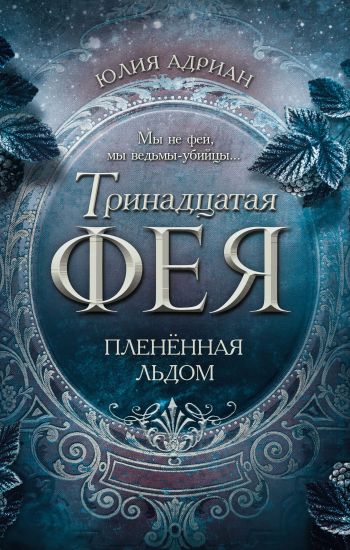
Odni zovut ee Lilit, drugie - Korolevoj, treti - vedmoj. No dlja svoikh sester ona Trinadtsataja feja, vosstavshaja iz sna moguschestvennaja mstitelnitsa. I ee mest strashna - pjat iz dvenadtsati sester pali v otchajannoj borbe. Priblizhaetsja vremja suda: v dalekoj Antarktike, tsarstve snegov i vechnykh ldov, ostavshiesja v zhivykh sestry budut reshat sudbu samoj opasnoj iz fej. Lish Sedmaja feja vladeet tajnoj probuzhdenija vedmy i znaet, kak polozhit konets zlu. Vot tolko sila ee issjakaet, a vmeste s nej - i edinstvennyj shans prizvat Korolevu k otvetu... Prodolzhenie originalnoj, goticheskoj skazki o fee, kotoraja, na samom dele, obladaet vedminskoj magiej. Temnoe fentezi. Istorija, v kotoroj izvestnye nam skazki o Belosnezhke, Spjaschej krasavitse, Genzele i Gretel obretajut novoe dykhanie. V etoj chasti serii vy uznaete tajnu Lilit, o tom, kak ona stala Korolevoj, navodjaschej uzhas na ostalnykh fej, poznakomites s ee predystoriej. Ved chtoby prijti k finalu, zachastuju polezno vernutsja k istokam. "My - istorii. Ja - istorija, i Ledjanaja vedma - tozhe. Vse my sozdany iz chernil, iz chernoj krovi. I pust zhizni nashi zakonchatsja, no sledy ikh budut vechno khranitsja na stranitsakh knig. I kazhdyj raz, kogda rebenok otkryvaet knigu skazok i jasnym, chistym golosom ozhivljaet slova, - my voskresaem vnov". Pochti 1, 5 tys. otzyvov na seriju na nemetskom Amazon! Zdes est vse, chto vam nravitsja v fentezi: temnaja magija, sestrinskij razdor, ljubov na grani smerti i chudovischnye prokljatija. Glavnaja geroinja ocharovatelna: ee surovyj kharakter vedmy i zhelanie vozmezdija perepletajutsja s devichej vljublennostju i somnenijami v sobstvennykh reshenijakh. Kak i kazhdaja iz nas, ona uchitsja ljubit i proschat. Vsego 13 magicheskikh sil, 13 vedm. No kak odolet kazhduju iz nikh? Vmeste s Trinadtsatoj Feej vy srazites s sestrami, primenjaja ostryj um, nakhodchivost i novye navyki. Tolko pomnite: chelovecheskie chuvstva mogut oslabit vashu khvatku...
Sezony nezhnosti. Sekrety schastlivogo obraza zhizni, retsepty dlja dushi i domashnij dekor
Dorogoj chitatel! Menja zovut Julija Rik, i ja priglashaju tebja v udivitelnyj mir medlennoj zhizni, vdokhnovenija i radosti tvorchestva. Eta kniga rodilas iz moej glubokoj very v to, chto nastojaschee schaste prjachetsja ne v gonke za uspekhom, a v umenii zamedlitsja, vydokhnut i najti krasotu v prostykh momentakh: v shume dozhdja za oknom, v aromate svezheispechennogo khleba, v teple domashnego ochaga. Na etikh stranitsakh ja sobrala dlja tebja ne prosto sovety i retsepty, a tseluju filosofiju zhizni, gde glavnye geroi - spokojstvie, priroda i tvoj ujutnyj dom. Eto moj iskrennij podarok dlja vsekh, kto ustal ot suety i mechtaet napolnit svoi dni osoznannostju i tikhim volshebstvom. Otkryv etu knigu, ty najdesh: - Retsepty dlja dushi i tela, kotorye sogrejut i poradujut v ljuboe vremja goda. - Idei dekora, pomogajuschie sozdat v dome tu samuju atmosferu tepla i ujuta, v kotoruju khochetsja vozvraschatsja. - Sekrety i podskazki, kak prevratit rutinu v istochnik radosti i sdelat svoj obraz zhizni nastojaschim iskusstvom. Davaj vmeste uchitsja chuvstvovat ritm prirody i tsenit kazhdyj mig. Ja budu rada stat tvoim provodnikom v etom puteshestvii. S ljubovju i veroj v prostye radosti, Julija.
Epistolophilia

Epistolophilia

Julija Sukys

University of Nebraska Press
2012
sidottu
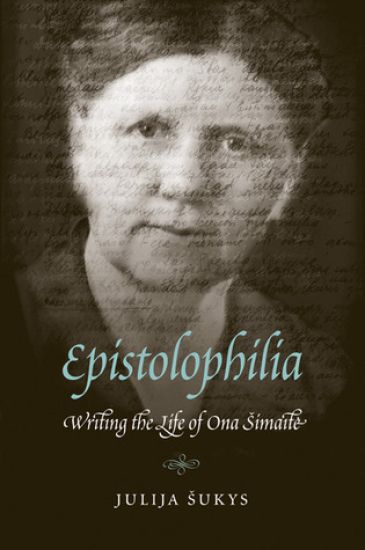
The librarian walks the streets of her beloved Paris. An old lady with a limp and an accent, she is invisible to most. Certainly no one recognizes her as the warrior and revolutionary she was, when again and again she slipped into the Jewish ghetto of German-occupied Vilnius to carry food, clothes, medicine, money, and counterfeit documents to its prisoners. Often she left with letters to deliver, manuscripts to hide, and even sedated children swathed in sacks. In 1944 she was captured by the Gestapo, tortured for twelve days, and deported to Dachau.Through Epistolophilia, Julija Šukys follows the letters and journals—the "life-writing"—of this woman, Ona Šimaite (1894–1970). A treasurer of words, Šimaite carefully collected, preserved, and archived the written record of her life, including thousands of letters, scores of diaries, articles, and press clippings. Journeying through these words, Šukys negotiates with the ghost of Šimaite, beckoning back to life this quiet and worldly heroine—a giant of Holocaust history (one of Yad Vashem's honored "Righteous Among the Nations") and yet so little known. The result is at once a mediated self-portrait and a measured perspective on a remarkable life. It reveals the meaning of life-writing, how women write their lives publicly and privately, and how their words attach them—and us—to life.
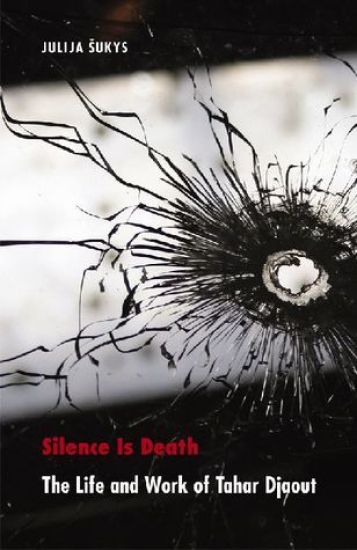
Silence Is Death

Silence Is Death

Julija Sukys

University of Nebraska Press
2007
sidottu
On May 26, 1993, the Algerian novelist and poet Tahar Djaout was gunned down in an attack attributed to Islamist extremists. An outspoken critic of the extremism roiling his nation, Djaout, in his death, became a powerful symbol for the "murder of Algerian culture," as scores of journalists, writers, and scholars were targeted in a swelling wave of violence. The author of twelve books of fiction and poetry, Djaout was murdered at a critical point in his career, just as his literary voice was maturing. His death was a great loss not only for Algeria and for Francophone literature but also for world literature. Rage at the news of his slaying was explosive but did nothing to quell the increasing bloodshed. Silence Is Death considers the life and work of Djaout in light of his murder and his role in the conflict that raged between Islamist terrorist cells and Algeria's military regime in the 1990s. The result is an innovative meditation on death, authorship, and the political role of intellectuals. By collapsing the genres of history, biography, personal memoir, fiction, and cultural analysis, Julija Šukys investigates notions of authorial neutrality as well as the relationship between reader and writer in life and in death. Her work offers a view of reading as an encounter across time and place and opens the possibility of a relationship between different cultures under peaceful terms.
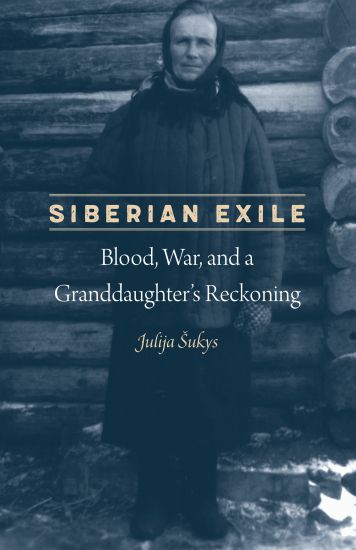
Siberian Exile

Siberian Exile

Julija Sukys

University of Nebraska Press
2017
sidottu
2018 AABS Book Prize Winner 2018 Vine Award for Canadian Jewish Literature in Nonfiction When Julija Šukys was a child, her paternal grandfather, Anthony, rarely smiled, and her grandmother, Ona, spoke only in her native Lithuanian. But they still taught Šukys her family’s story: that of a proud people forced from their homeland when the soldiers came. In mid-June 1941, three Red Army soldiers arrested Ona, forced her onto a cattle car, and sent her east to Siberia, where she spent seventeen years separated from her children and husband, working on a collective farm. The family story maintained that it was all a mistake. Anthony, whose name was on Stalin’s list of enemies of the people, was accused of being a known and decorated anti-Bolshevik and Lithuanian nationalist. Some seventy years after these events, Šukys sat down to write about her grandparents and their survival of a twenty-five-year forced separation and subsequent reunion. Piecing the story together from letters, oral histories, audio recordings, and KGB documents, her research soon revealed a Holocaust-era secret-a family connection to the killing of seven hundred Jews in a small Lithuanian border town. According to KGB documents, the man in charge when those massacres took place was Anthony, Ona’s husband. In Siberian Exile Šukys weaves together the two narratives: the story of Ona, noble exile and innocent victim, and that of Anthony, accused war criminal. She examines the stories that communities tell themselves and considers what happens when the stories we’ve been told all our lives suddenly and irrevocably change, and how forgiveness or grace operate across generations and across the barriers of life and death.
Law, Human Creativity and Generative Artificial Intelligence
This book addresses the complex issue of human creativity in the age of Artificial Intelligence.Artificial intelligence (AI) is increasingly being used to create texts, images, and musical compositions. This increase in the application of AI within the creative industries can of course enhance human performance while producing creative and commercial challenges for human authors. Against this background, this book considers how current mechanisms for incentivising creativity – including legal regulations, such as copyright, state funding and tax regimes – are inadequate in the age of AI. Acknowledging the opportunity that AI presents, the book then proposes alternative regulatory mechanisms through which human creativity can be incentivised.This book will appeal to scholars and researchers in the areas of socio-legal studies, intellectual property law, media law, and law and technology.
Siberian Exile

Siberian Exile

Julija Sukys

University of Nebraska Press
2019
pokkari
2018 AABS Book Prize Winner 2018 Vine Award for Canadian Jewish Literature in Nonfiction When Julija Šukys was a child, her paternal grandfather, Anthony, rarely smiled, and her grandmother, Ona, spoke only in her native Lithuanian. But they still taught Šukys her family’s story: that of a proud people forced from their homeland when the soldiers came. In mid-June 1941, three Red Army soldiers arrested Ona, forced her onto a cattle car, and sent her east to Siberia, where she spent seventeen years separated from her children and husband, working on a collective farm. The family story maintained that it was all a mistake. Anthony, whose name was on Stalin’s list of enemies of the people, was accused of being a known and decorated anti-Bolshevik and Lithuanian nationalist. Some seventy years after these events, Šukys sat down to write about her grandparents and their survival of a twenty-five-year forced separation and subsequent reunion. Piecing the story together from letters, oral histories, audio recordings, and KGB documents, her research soon revealed a Holocaust-era secret-a family connection to the killing of seven hundred Jews in a small Lithuanian border town. According to KGB documents, the man in charge when those massacres took place was Anthony, Ona’s husband. In Siberian Exile Šukys weaves together the two narratives: the story of Ona, noble exile and innocent victim, and that of Anthony, accused war criminal. She examines the stories that communities tell themselves and considers what happens when the stories we’ve been told all our lives suddenly and irrevocably change, and how forgiveness or grace operate across generations and across the barriers of life and death.