
Kirjahaku
Etsi kirjoja tekijän nimen, kirjan nimen tai ISBN:n perusteella.
1000 tulosta hakusanalla Kim Marie Mahfood
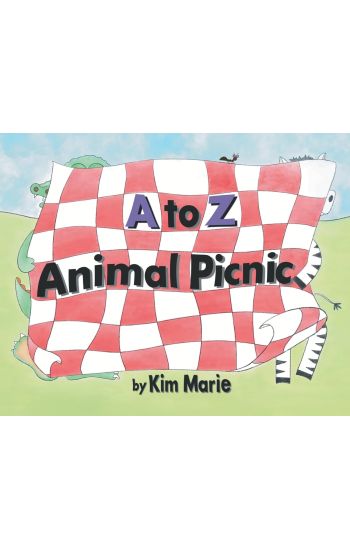
Page after page of pets preparing and packing for the picnic.Follow the animals, from A to Z, as they make their way to the annual animal picnic. Every page is a bit of a tongue twister - reinforcing the sound of each letter of the alphabet through repetition.
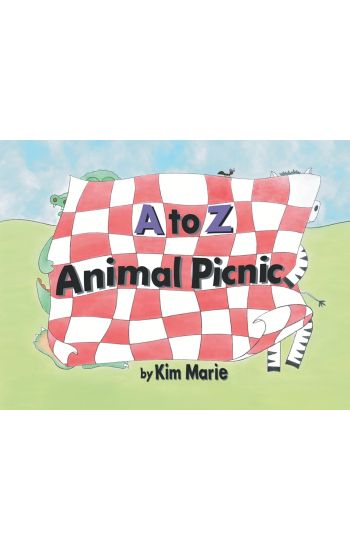
Page after page of pets preparing and packing for the picnic.Follow the animals, from Alexander Alligator to Zachary Zebra, as they make their way to the animal picnic. Every page is a tongue twister - reinforcing the sound of each letter of the alphabet through repetition. With a complete story, hidden pictures, tongue twisters, and ants to count, A to Z Animal Picnic is more than an alphabet book.

There is nothing as funny as a giraffe who makes you laugh. Not a pig dancing a jig. Not a flamingo playing bingo. Not a cat swinging a bat. Nothing. Or is there?
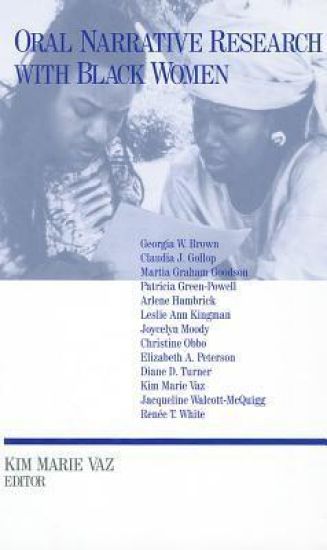
This book consists of essays on methodological issues by Africana (African and African American) women scholars who have successfully employed oral narrative methods in their research. Some themes covered in these essays are the strengths of oral narrative research for expanding and transforming knowledge about black women and how these scholars learned to conduct oral narrative research; descriptions of the types of narratives they have gathered, the difficulties they have encountered and how these were overcome; and the ethical dilemmas faced while undertaking their research endeavors. What makes this book a valuable teaching tool are the pedagogical suggestions and research artifacts contained within. Contributors have described one or two activities that may assist instructorÆs efforts to teach oral narrative methodologies. Methodological essays about the phenomenological and empirical aspects of carrying out oral narrative research from an Afrafeminist/womanist standpoint are rare and book-length works are almost nonexistent. Oral Narrative Research with black women participates in the growing movement of Afrafeminist/womanist scholarship that fills this void. This is an insightful, thought-provoking resource for researchers, students, and scholars interested in conducting qualitative research or who want to include black women in their research.
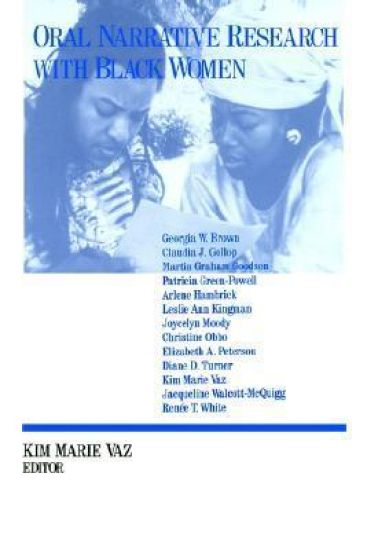
This book consists of essays on methodological issues by Africana (African and African American) women scholars who have successfully employed oral narrative methods in their research. Some themes covered in these essays are the strengths of oral narrative research for expanding and transforming knowledge about black women and how these scholars learned to conduct oral narrative research; descriptions of the types of narratives they have gathered, the difficulties they have encountered and how these were overcome; and the ethical dilemmas faced while undertaking their research endeavors. What makes this book a valuable teaching tool are the pedagogical suggestions and research artifacts contained within. Contributors have described one or two activities that may assist instructorÆs efforts to teach oral narrative methodologies. Methodological essays about the phenomenological and empirical aspects of carrying out oral narrative research from an Afrafeminist/womanist standpoint are rare and book-length works are almost nonexistent. Oral Narrative Research with black women participates in the growing movement of Afrafeminist/womanist scholarship that fills this void. This is an insightful, thought-provoking resource for researchers, students, and scholars interested in conducting qualitative research or who want to include black women in their research.
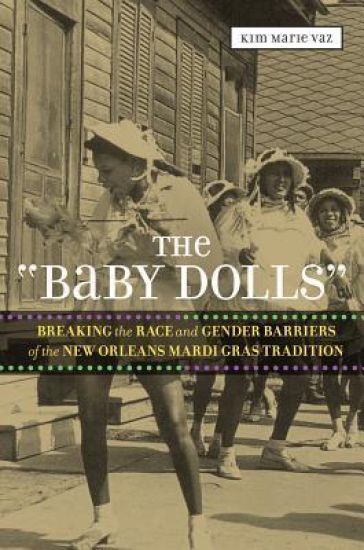
One of the first women's organizations to ""mask"" in a Mardi Gras parade, the ""Million Dollar Baby Dolls"" redefined the New Orleans carnival tradition. Tracing their origins from Storyville brothels and dance halls to their re-emergence in post-Katrina New Orleans, author Kim Vaz uncovers the fascinating history of the ""raddy-walking, shake-dancing, cigar-smoking, money-flinging"" ladies that strutted their way into a predominantly male establishment.The Baby Dolls formed around 1912 as an organization for African American women who used their profits from working in New Orleans's red-light district to compete with other black women in their profession on Mardi Gras. Part of this competition involved the tradition of masking in which carnival groups create a collective identity through costuming. Their baby doll costumes- short satin dresses, stockings with garters, and bonnets- set against their bold and provocative public behavior not only exploited stereotypes but also empowered and made visible an otherwise marginalized demographic of women. In addition to their subversive presence at Mardi Gras, the Baby Dolls helped shape the sound of jazz in the city. The Baby Dolls often worked in and patronized dance halls and honky-tonks, where they introduced new dance steps and challenged house musicians to keep up the beat. The entrepreneurial Baby Dolls also sponsored dances with live jazz bands, effectively underwriting the advancement of an art form now inseparable from New Orleans's identity.Over time, the Baby Doll's members diverged as different neighborhoods adopted the tradition. Groups such as the Golden Slipper Club, the Gold Diggers, the Rosebud Social and Pleasure Club, and the Satin Sinners stirred the creative imagination of middle-class Black women and men across New Orleans, from the downtown Tremé area to the uptown community of Mahalia Jackson. Vaz follows the Baby Doll phenomenon through one hundred years of photos, articles, and interviews to conclude with the birth of contemporary groups such as the modern day Antoinette K-Doe's Ernie K-Doe Baby Dolls, the New Orleans Society of Dance's Baby Doll Ladies, and the Tremé Million Dollar Baby Dolls. Her book celebrates these organizations' crucial contribution to Louisiana's cultural history.

Clara the Bulldog: Eats Too Much Bacon
Kim Marie Herold
Createspace Independent Publishing Platform
2013
nidottu

Clara the Bulldog Wants to be a Reindeer
Kim Marie Herold
Createspace Independent Publishing Platform
2015
nidottu
Becoming God's Woman: Daily Agenda
Kim Marie Johnson
Createspace Independent Publishing Platform
2016
nidottu
God's Word teaches us that the Proverbs 31 Woman had her finances under control. She worked with her hands, looked for the best bargains, and bought land. The Bible also tells us that we should be in debt to no man.The Controlling Debt & Finances Journal is your complete resource for keeping track of your income and spending. Create a budget, chart daily spending, and discover how and where your spending habits need change. Track up to two mortgages and three car loans. Lastly, spend down credit cards, small accounts, and school loans. This journal contains everything you need to get and keep your debt under control.Forget about confusing filing systems and notebooks that lose valuable pages. The Controlling Debt and Finances Journal keeps everything neatly in one place. When the journal is full, it stores neatly on your shelf for future reference. At tax time, it is the ultimate tool for providing a record of income, expenses, and deductibles.

Do you have a bucket list? Everywhere you look, there are bucket lists. There are Summer Bucket Lists, Adventure Bucket Lists, and even Wedding Bucket Lists. There are bucket lists for writers, artists, and designers. Each large destination American city such as San Francisco, Orlando, and Hollywood has its bucket list. European destinations such as London, Paris, and Venice have their bucket list. Originally, Bucket lists were things you wanted to do or accomplish "before you kicked the bucket." These were important life goals. Some bucket lists were as short as ten items, while others had hundreds. A true bucket list is more important than a check list made by someone else. It is personal to our hopes and dreams. For some of us, it consists of beauty that we want to create with our own hands. Or places we would like to visit. For others, it is the excitement of the next great adventure.My Bucket List is a perfect place to keep track of your bucket list. There is a section for brainstorming the items you want to put on your list and place for your itemized and sequential bucket list. Finally, there is a section to record information about each item from your list that you complete. My Bucket list is small enough to carry in a purse or backpack. It has the potential to become a treasured keepsake of memories. What's on your bucket list?
Hopeful Wishes & Butterfly Dreams
Kim Marie Johnson
Createspace Independent Publishing Platform
2017
nidottu
Whether you love to write about your day or about dreams for your future, you will love the Hopeful Wishes and Butterfly Dreams Journal. It makes a great gift for young girls or women of all ages.
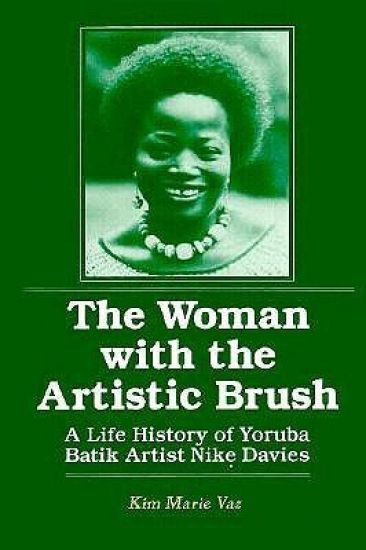
Nike Davies is one of the few African women known internationally in contemporary art circles. The Woman with the Artistic Brush traces her life history and illustrates the strategies developed by women to mitigate male rule. Presenting a critique of the woman's place in contemporary Yoruba society from the perspective of a woman who lived it, this book covers Nike's life from the time of her mother's death when Nike was six to the culmination of her dream in the creation, against severe societal odds, of a center for arts and culture that has over 120 members. Along the way, The Woman with the Artistic Brush details how Nike ran away from home and joined a traveling theater group after her father tried to arrange her marriage, subsequently married and joined in the polygynous household of a noted artist from the popular Osogbo school, and finally broke clear of that situation after suffering sixteen years of domestic violence. The Woman with the Artistic Brush is another superb contribution to the Foremother Legacies series.
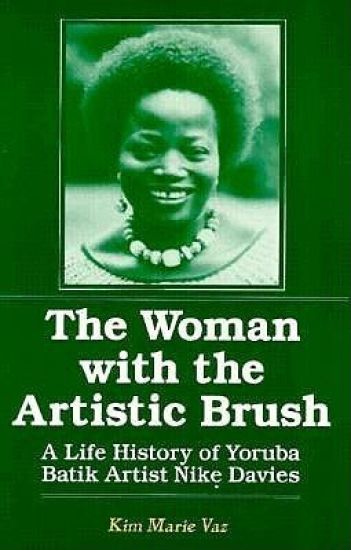
Nike Davies is one of the few African women known internationally in contemporary art circles. The Woman with the Artistic Brush traces her life history and illustrates the strategies developed by women to mitigate male rule. Presenting a critique of the woman's place in contemporary Yoruba society from the perspective of a woman who lived it, this book covers Nike's life from the time of her mother's death when Nike was six to the culmination of her dream in the creation, against severe societal odds, of a center for arts and culture that has over 120 members. Along the way, The Woman with the Artistic Brush details how Nike ran away from home and joined a traveling theater group after her father tried to arrange her marriage, subsequently married and joined in the polygynous household of a noted artist from the popular Osogbo school, and finally broke clear of that situation after suffering sixteen years of domestic violence. The Woman with the Artistic Brush is another superb contribution to the Foremother Legacies series.
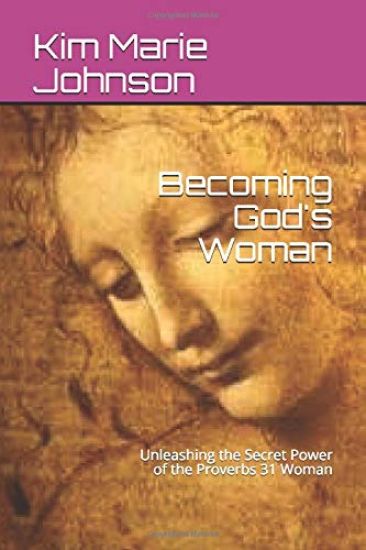
Who is the Proverbs 31 Woman? She is very often seen as God's perfect woman. She is held up as an example to whom all women should aspire. Is this God's ideal? God never says He wants women to be perfect. In fact, if you read about the women who are presented in the Bible, you will see that they were perfectly imperfect. We may not be perfect, but we do our best. We are Godly women, and we depend on God for strength and guidance. You cannot compare yourself to this perfect woman. However, since she is found in God's Word, we can be certain there were things that women (and men) were meant to learn about her. The Proverbs 31 Woman has a secret power to lead you to information God meant for you to know. In Hebrew, she is Eshet Chayil, the woman God created us to be. This is no woman of perfection. The Eshet Chayil is a Warrior. She is a real Flesh and blood woman of valor and might and she has much to teach us. Most importantly, she will help you to understand the power God has given you to become Eshet Chayil.DISCOVER THE SECRET POWER OF THE PROVERBS 31 WOMAN AND UNLEASH IT IN YOUR LIFE.