Kirjojen hintavertailu. Mukana 12 459 402 kirjaa ja 12 kauppaa.

Kirjahaku

Etsi kirjoja tekijän nimen, kirjan nimen tai ISBN:n perusteella.

1000 tulosta hakusanalla Kingsley Charles Kingsley

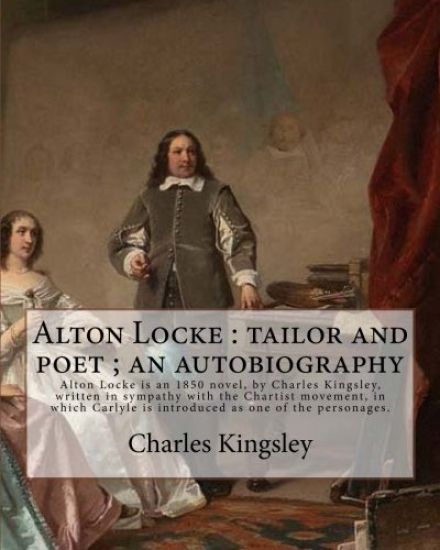
Alton Locke: tailor and poet; an autobiography By: Charles Kingsley: Charles Kingsley (12 June 1819 - 23 January 1875) was a broad
Alton Locke is an 1850 novel, by Charles Kingsley, written in sympathy with the Chartist movement, in which Carlyle is introduced as one of the personages. Plot edit] Alton Locke is the story of a young tailor-boy who has instincts and aspirations beyond the normal expectations of his working-class background. He is intensely patriotic and has ambitions to be a poet. In the course of the narrative, Alton Locke loves and struggles in vain. Physically, he is a weak man, but is able to encompass all the best emotions, along with vain longings, wild hopes, and a righteous indignation at the plight of his contemporaries. He joins the Chartist movement because he can find no better vehicle by which to improve the lot of the working class, experiencing a sense of devastation at its apparent failure. Utterly broken in spirit, Alton Locke sails for America to seek a new life there; however, he barely reaches the shore of the New World before he dies...... Charles Kingsley (12 June 1819 - 23 January 1875) was a broad church priest of the Church of England, a university professor, social reformer, historian and novelist. He is particularly associated with Christian socialism, the working men's college, and forming labour cooperatives that failed but led to the working reforms of the progressive era. He was a friend and correspondent with Charles Darwin. Life: Kingsley was born in Holne, Devon, the elder of two sons of the Reverend Charles Kingsley and his wife Mary Lucas Kingsley. His brother, Henry Kingsley, also became a novelist. He spent his childhood in Clovelly, Devon, where his father was Curate 1826-1832 and Rector 1832-1836, 2] and at Barnack, Northamptonshire and was educated at Bristol Grammar School and Helston Grammar School 3] before studying at King's College London, and the University of Cambridge. Charles entered Magdalene College, Cambridge, in 1838, and graduated in 1842. 4] He chose to pursue a ministry in the church. From 1844, he was rector of Eversley in Hampshire. In 1859 he was appointed chaplain to Queen Victoria. 5] In 1860, he was appointed Regius Professor of Modern History at the University of Cambridge. 5] In 1861 he became a private tutor to the Prince of Wales. 5] In 1869 Kingsley resigned his Cambridge professorship and, from 1870 to 1873, was a canon of Chester Cathedral. While in Chester he founded the Chester Society for Natural Science, Literature and Art, which played an important part in the establishment of the Grosvenor Museum. 6] In 1872 he accepted the Presidency of the Birmingham and Midland Institute and became its 19th President. 7] In 1873 he was made a canon of Westminster Abbey. 5] Kingsley died in 1875 and was buried in St Mary's Churchyard in Eversley. Kingsley sat on the 1866 Edward Eyre Defence Committee along with Thomas Carlyle, John Ruskin, Charles Dickens and Alfred Lord Tennyson, where he supported Jamaican Governor Edward Eyre's brutal suppression of the Morant Bay Rebellion against the Jamaica Committee. One of his daughters, Mary St Leger Kingsley, became known as a novelist under the pseudonym "Lucas Malet". Kingsley's life was written by his widow in 1877, entitled Charles Kingsley, his Letters and Memories of his Life. Kingsley also received letters from Thomas Huxley in 1860 and later in 1863, discussing Huxley's early ideas on agnosticism..........
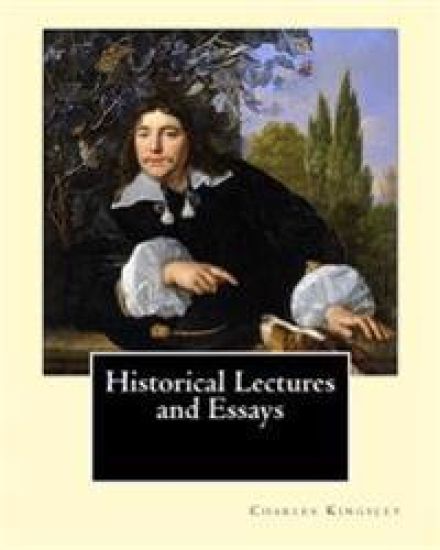
Historical Lectures and Essays By: Charles Kingsley: Charles Kingsley (12 June 1819 - 23 January 1875) was a broad church priest of the Church of Engl
Charles Kingsley (12 June 1819 - 23 January 1875) was a broad church priest of the Church of England, a university professor, social reformer, historian and novelist. He is particularly associated with Christian socialism, the working men's college, and forming labour cooperatives that failed but led to the working reforms of the progressive era. He was a friend and correspondent with Charles Darwin. Life: Kingsley was born in Holne, Devon, the elder of two sons of the Reverend Charles Kingsley and his wife Mary Lucas Kingsley. His brother, Henry Kingsley, also became a novelist. He spent his childhood in Clovelly, Devon, where his father was Curate 1826-1832 and Rector 1832-1836, and at Barnack, Northamptonshire and was educated at Bristol Grammar School and Helston Grammar School before studying at King's College London, and the University of Cambridge. Charles entered Magdalene College, Cambridge, in 1838, and graduated in 1842. 4] He chose to pursue a ministry in the church. From 1844, he was rector of Eversley in Hampshire. In 1859 he was appointed chaplain to Queen Victoria. 5] In 1860, he was appointed Regius Professor of Modern History at the University of Cambridge. 5] In 1861 he became a private tutor to the Prince of Wales. In 1869 Kingsley resigned his Cambridge professorship and, from 1870 to 1873, was a canon of Chester Cathedral. While in Chester he founded the Chester Society for Natural Science, Literature and Art, which played an important part in the establishment of the Grosvenor Museum. In 1872 he accepted the Presidency of the Birmingham and Midland Institute and became its 19th President. In 1873 he was made a canon of Westminster Abbey. Kingsley died in 1875 and was buried in St Mary's Churchyard in Eversley. Kingsley sat on the 1866 Edward Eyre Defence Committee along with Thomas Carlyle, John Ruskin, Charles Dickens and Alfred Lord Tennyson, where he supported Jamaican Governor Edward Eyre's brutal suppression of the Morant Bay Rebellion against the Jamaica Committee. One of his daughters, Mary St Leger Kingsley, became known as a novelist under the pseudonym "Lucas Malet". Kingsley's life was written by his widow in 1877, entitled Charles Kingsley, his Letters and Memories of his Life. Kingsley also received letters from Thomas Huxley in 1860 and later in 1863, discussing Huxley's early ideas on agnosticism.
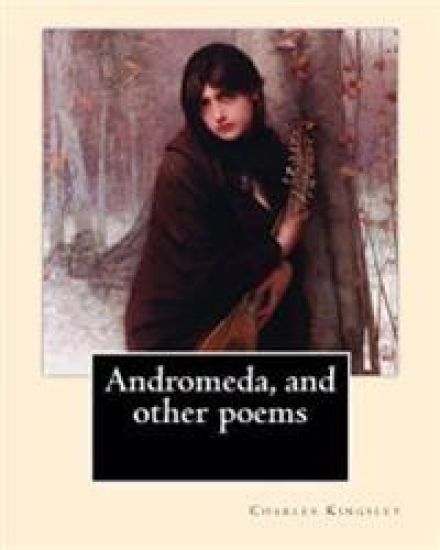
Andromeda, and other poems By: Charles Kingsley: Charles Kingsley (12 June 1819 - 23 January 1875) was a broad church priest of the Church of England
Charles Kingsley (12 June 1819 - 23 January 1875) was a broad church priest of the Church of England, a university professor, social reformer, historian and novelist. He is particularly associated with Christian socialism, the working men's college, and forming labour cooperatives that failed but led to the working reforms of the progressive era. He was a friend and correspondent with Charles Darwin. Life: Kingsley was born in Holne, Devon, the elder of two sons of the Reverend Charles Kingsley and his wife Mary Lucas Kingsley. His brother, Henry Kingsley, also became a novelist. He spent his childhood in Clovelly, Devon, where his father was Curate 1826-1832 and Rector 1832-1836, and at Barnack, Northamptonshire and was educated at Bristol Grammar School and Helston Grammar School before studying at King's College London, and the University of Cambridge. Charles entered Magdalene College, Cambridge, in 1838, and graduated in 1842. 4] He chose to pursue a ministry in the church. From 1844, he was rector of Eversley in Hampshire. In 1859 he was appointed chaplain to Queen Victoria. 5] In 1860, he was appointed Regius Professor of Modern History at the University of Cambridge. 5] In 1861 he became a private tutor to the Prince of Wales. In 1869 Kingsley resigned his Cambridge professorship and, from 1870 to 1873, was a canon of Chester Cathedral. While in Chester he founded the Chester Society for Natural Science, Literature and Art, which played an important part in the establishment of the Grosvenor Museum. In 1872 he accepted the Presidency of the Birmingham and Midland Institute and became its 19th President. In 1873 he was made a canon of Westminster Abbey. Kingsley died in 1875 and was buried in St Mary's Churchyard in Eversley. Kingsley sat on the 1866 Edward Eyre Defence Committee along with Thomas Carlyle, John Ruskin, Charles Dickens and Alfred Lord Tennyson, where he supported Jamaican Governor Edward Eyre's brutal suppression of the Morant Bay Rebellion against the Jamaica Committee. One of his daughters, Mary St Leger Kingsley, became known as a novelist under the pseudonym "Lucas Malet". Kingsley's life was written by his widow in 1877, entitled Charles Kingsley, his Letters and Memories of his Life. Kingsley also received letters from Thomas Huxley in 1860 and later in 1863, discussing Huxley's early ideas on agnosticism.
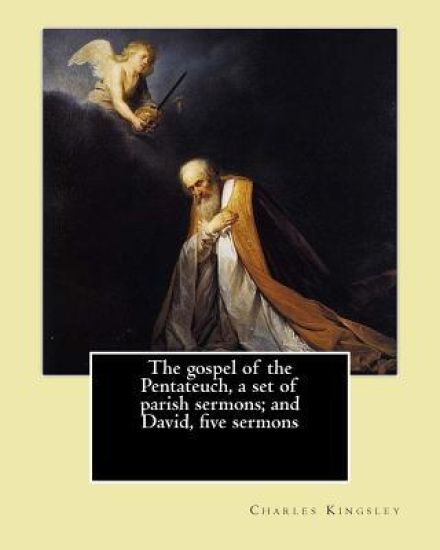
The gospel of the Pentateuch, a set of parish sermons; and David, five sermons By: Charles Kingsley: Charles Kingsley (12 June 1819 - 23 January 1875)
Charles Kingsley (12 June 1819 - 23 January 1875) was a broad church priest of the Church of England, a university professor, social reformer, historian and novelist. He is particularly associated with Christian socialism, the working men's college, and forming labour cooperatives that failed but led to the working reforms of the progressive era. He was a friend and correspondent with Charles Darwin. Life: Kingsley was born in Holne, Devon, the elder of two sons of the Reverend Charles Kingsley and his wife Mary Lucas Kingsley. His brother, Henry Kingsley, also became a novelist. He spent his childhood in Clovelly, Devon, where his father was Curate 1826-1832 and Rector 1832-1836, and at Barnack, Northamptonshire and was educated at Bristol Grammar School and Helston Grammar School before studying at King's College London, and the University of Cambridge. Charles entered Magdalene College, Cambridge, in 1838, and graduated in 1842. He chose to pursue a ministry in the church. From 1844, he was rector of Eversley in Hampshire. In 1859 he was appointed chaplain to Queen Victoria. In 1860, he was appointed Regius Professor of Modern History at the University of Cambridge. In 1861 he became a private tutor to the Prince of Wales. In 1869 Kingsley resigned his Cambridge professorship and, from 1870 to 1873, was a canon of Chester Cathedral. While in Chester he founded the Chester Society for Natural Science, Literature and Art, which played an important part in the establishment of the Grosvenor Museum. In 1872 he accepted the Presidency of the Birmingham and Midland Institute and became its 19th President. In 1873 he was made a canon of Westminster Abbey. Kingsley died in 1875 and was buried in St Mary's Churchyard in Eversley. Kingsley sat on the 1866 Edward Eyre Defence Committee along with Thomas Carlyle, John Ruskin, Charles Dickens and Alfred Lord Tennyson, where he supported Jamaican Governor Edward Eyre's brutal suppression of the Morant Bay Rebellion against the Jamaica Committee. One of his daughters, Mary St Leger Kingsley, became known as a novelist under the pseudonym "Lucas Malet". Kingsley's life was written by his widow in 1877, entitled Charles Kingsley, his Letters and Memories of his Life. Kingsley also received letters from Thomas Huxley in 1860 and later in 1863, discussing Huxley's early ideas on agnosticism.
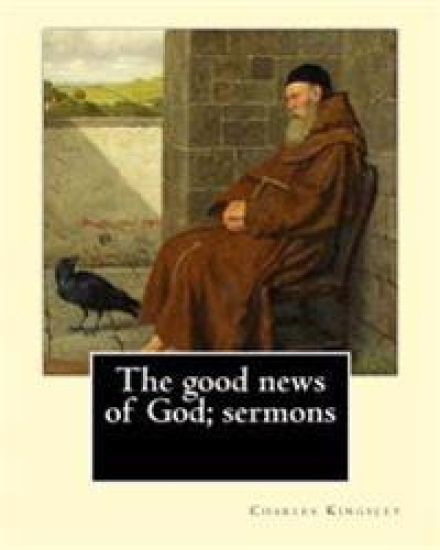
The good news of God; sermons By: Charles Kingsley: Charles Kingsley (12 June 1819 - 23 January 1875) was a broad church priest of the Church of Engla
Charles Kingsley (12 June 1819 - 23 January 1875) was a broad church priest of the Church of England, a university professor, social reformer, historian and novelist. He is particularly associated with Christian socialism, the working men's college, and forming labour cooperatives that failed but led to the working reforms of the progressive era. He was a friend and correspondent with Charles Darwin. Life: Kingsley was born in Holne, Devon, the elder of two sons of the Reverend Charles Kingsley and his wife Mary Lucas Kingsley. His brother, Henry Kingsley, also became a novelist. He spent his childhood in Clovelly, Devon, where his father was Curate 1826-1832 and Rector 1832-1836, and at Barnack, Northamptonshire and was educated at Bristol Grammar School and Helston Grammar School before studying at King's College London, and the University of Cambridge. Charles entered Magdalene College, Cambridge, in 1838, and graduated in 1842. He chose to pursue a ministry in the church. From 1844, he was rector of Eversley in Hampshire. In 1859 he was appointed chaplain to Queen Victoria. In 1860, he was appointed Regius Professor of Modern History at the University of Cambridge. In 1861 he became a private tutor to the Prince of Wales. In 1869 Kingsley resigned his Cambridge professorship and, from 1870 to 1873, was a canon of Chester Cathedral. While in Chester he founded the Chester Society for Natural Science, Literature and Art, which played an important part in the establishment of the Grosvenor Museum. In 1872 he accepted the Presidency of the Birmingham and Midland Institute and became its 19th President. In 1873 he was made a canon of Westminster Abbey. Kingsley died in 1875 and was buried in St Mary's Churchyard in Eversley. Kingsley sat on the 1866 Edward Eyre Defence Committee along with Thomas Carlyle, John Ruskin, Charles Dickens and Alfred Lord Tennyson, where he supported Jamaican Governor Edward Eyre's brutal suppression of the Morant Bay Rebellion against the Jamaica Committee. One of his daughters, Mary St Leger Kingsley, became known as a novelist under the pseudonym "Lucas Malet". Kingsley's life was written by his widow in 1877, entitled Charles Kingsley, his Letters and Memories of his Life. Kingsley also received letters from Thomas Huxley in 1860 and later in 1863, discussing Huxley's early ideas on agnosticism.
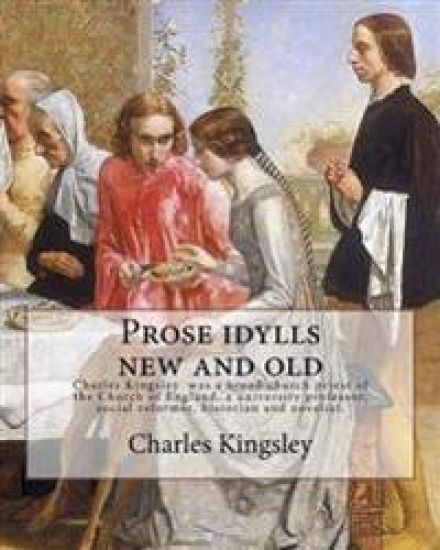
Prose idylls new and old By: Charles Kingsley: Charles Kingsley (12 June 1819 - 23 January 1875) was a broad church priest of the Church of England
Charles Kingsley (12 June 1819 - 23 January 1875) was a broad church priest of the Church of England, a university professor, social reformer, historian and novelist. He is particularly associated with Christian socialism, the working men's college, and forming labour cooperatives that failed but led to the working reforms of the progressive era. He was a friend and correspondent with Charles Darwin. Life: Kingsley was born in Holne, Devon, the elder of two sons of the Reverend Charles Kingsley and his wife Mary Lucas Kingsley. His brother, Henry Kingsley, also became a novelist. He spent his childhood in Clovelly, Devon, where his father was Curate 1826-1832 and Rector 1832-1836, and at Barnack, Northamptonshire and was educated at Bristol Grammar School and Helston Grammar School before studying at King's College London, and the University of Cambridge. Charles entered Magdalene College, Cambridge, in 1838, and graduated in 1842. He chose to pursue a ministry in the church. From 1844, he was rector of Eversley in Hampshire. In 1859 he was appointed chaplain to Queen Victoria. In 1860, he was appointed Regius Professor of Modern History at the University of Cambridge. In 1861 he became a private tutor to the Prince of Wales. In 1869 Kingsley resigned his Cambridge professorship and, from 1870 to 1873, was a canon of Chester Cathedral. While in Chester he founded the Chester Society for Natural Science, Literature and Art, which played an important part in the establishment of the Grosvenor Museum. In 1872 he accepted the Presidency of the Birmingham and Midland Institute and became its 19th President. In 1873 he was made a canon of Westminster Abbey. Kingsley died in 1875 and was buried in St Mary's Churchyard in Eversley. Kingsley sat on the 1866 Edward Eyre Defence Committee along with Thomas Carlyle, John Ruskin, Charles Dickens and Alfred Lord Tennyson, where he supported Jamaican Governor Edward Eyre's brutal suppression of the Morant Bay Rebellion against the Jamaica Committee. One of his daughters, Mary St Leger Kingsley, became known as a novelist under the pseudonym "Lucas Malet". Kingsley's life was written by his widow in 1877, entitled Charles Kingsley, his Letters and Memories of his Life. Kingsley also received letters from Thomas Huxley in 1860 and later in 1863, discussing Huxley's early ideas on agnosticism.
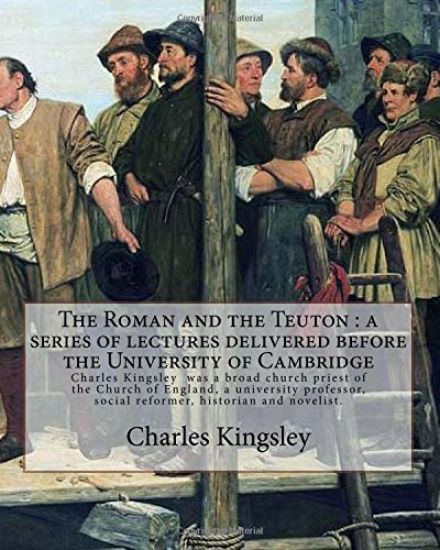
The Roman and the Teuton: a series of lectures delivered before the University of Cambridge By: Charles Kingsley: Charles Kingsley (12 June 1819
Charles Kingsley (12 June 1819 - 23 January 1875) was a broad church priest of the Church of England, a university professor, social reformer, historian and novelist. He is particularly associated with Christian socialism, the working men's college, and forming labour cooperatives that failed but led to the working reforms of the progressive era. He was a friend and correspondent with Charles Darwin. Life: Kingsley was born in Holne, Devon, the elder of two sons of the Reverend Charles Kingsley and his wife Mary Lucas Kingsley. His brother, Henry Kingsley, also became a novelist. He spent his childhood in Clovelly, Devon, where his father was Curate 1826-1832 and Rector 1832-1836, and at Barnack, Northamptonshire and was educated at Bristol Grammar School and Helston Grammar School before studying at King's College London, and the University of Cambridge. Charles entered Magdalene College, Cambridge, in 1838, and graduated in 1842. He chose to pursue a ministry in the church. From 1844, he was rector of Eversley in Hampshire. In 1859 he was appointed chaplain to Queen Victoria. In 1860, he was appointed Regius Professor of Modern History at the University of Cambridge. In 1861 he became a private tutor to the Prince of Wales. In 1869 Kingsley resigned his Cambridge professorship and, from 1870 to 1873, was a canon of Chester Cathedral. While in Chester he founded the Chester Society for Natural Science, Literature and Art, which played an important part in the establishment of the Grosvenor Museum. In 1872 he accepted the Presidency of the Birmingham and Midland Institute and became its 19th President. In 1873 he was made a canon of Westminster Abbey. Kingsley died in 1875 and was buried in St Mary's Churchyard in Eversley. Kingsley sat on the 1866 Edward Eyre Defence Committee along with Thomas Carlyle, John Ruskin, Charles Dickens and Alfred Lord Tennyson, where he supported Jamaican Governor Edward Eyre's brutal suppression of the Morant Bay Rebellion against the Jamaica Committee. One of his daughters, Mary St Leger Kingsley, became known as a novelist under the pseudonym "Lucas Malet". Kingsley's life was written by his widow in 1877, entitled Charles Kingsley, his Letters and Memories of his Life. Kingsley also received letters from Thomas Huxley in 1860 and later in 1863, discussing Huxley's early ideas on agnosticism.
Westward Ho! is an 1855 British historical novel by Charles Kingsley.
Westward Ho is an 1855 British historical novel by Charles Kingsley. The novel was based on the adventures of Elizabethan corsair Amyas Preston (Amyas Leigh in the novel), who sets sail with Sir Francis Drake, Sir Walter Raleigh and other privateers to the New World, where they battle with the Spanish. Set initially in Bideford in North Devon during the reign of Elizabeth I, Westward Ho follows the adventures of Amyas Leigh (Amyas Preston), an unruly child who as a young man follows Francis Drake to sea. Amyas loves local beauty Rose Salterne, as does nearly everyone else; much of the novel involves the kidnap of Rose by a Spaniard.
Charles Kingsley
Novelist, poet, Anglican priest, and controversialist, Charles Kingsley (1819–75) epitomizes the bustling Victorian man of faith and letters, a prolific polymath as ready to break a lance with John Henry Newman over Christian doctrine as he was to preach to schoolchildren on the virtues of manly, physical struggle. Kingsley’s The Water-Babies and Westward Ho! were best-sellers which became classics of children’s literature. Kingsley has come to epitomize the Victorian age.On closer inspection, Kingsley is harder to categorize: a socialist who was also an imperialist, a Chartist revolutionary who was Queen Victoria’s favourite novelist, a natural theologian who popularized Darwin, a priest who celebrated sex as sacrament. Kingsley only appears straightforward if you consider him one piece at a time. The debates he shaped remain with us today: faith and sexuality, economics and exploitation, race and identity. The aim of this book is to present the whole man: to consider the public crusades for public health alongside the most private fantasies of sexual intercourse; to consider the ardent imperialist alongside the Darwinist. It will be of interest to all students of Victorian studies, as well as of British/Imperial history, church history, and especially the history of science.
Charles Kingsley

Charles Kingsley

TAYLOR FRANCIS LTD
2022
nidottu
Novelist, poet, Anglican priest, and controversialist, Charles Kingsley (1819–75) epitomizes the bustling Victorian man of faith and letters, a prolific polymath as ready to break a lance with John Henry Newman over Christian doctrine as he was to preach to schoolchildren on the virtues of manly, physical struggle. Kingsley’s The Water-Babies and Westward Ho! were best-sellers which became classics of children’s literature. Kingsley has come to epitomize the Victorian age.On closer inspection, Kingsley is harder to categorize: a socialist who was also an imperialist, a Chartist revolutionary who was Queen Victoria’s favourite novelist, a natural theologian who popularized Darwin, a priest who celebrated sex as sacrament. Kingsley only appears straightforward if you consider him one piece at a time. The debates he shaped remain with us today: faith and sexuality, economics and exploitation, race and identity. The aim of this book is to present the whole man: to consider the public crusades for public health alongside the most private fantasies of sexual intercourse; to consider the ardent imperialist alongside the Darwinist. It will be of interest to all students of Victorian studies, as well as of British/Imperial history, church history, and especially the history of science.
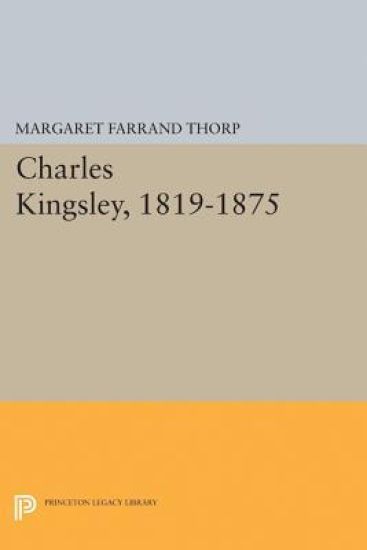
Charles Kingsley, 1819-1875

Charles Kingsley, 1819-1875

Margaret Farrand Thorp

Princeton University Press
2015
pokkari
A biography of the distinguished novelist, poet, preacher and social reformer, who typifies the Victorian man as closely as the Good Queen herself typifies the Victorian woman. Originally published in 1937. The Princeton Legacy Library uses the latest print-on-demand technology to again make available previously out-of-print books from the distinguished backlist of Princeton University Press. These editions preserve the original texts of these important books while presenting them in durable paperback and hardcover editions. The goal of the Princeton Legacy Library is to vastly increase access to the rich scholarly heritage found in the thousands of books published by Princeton University Press since its founding in 1905.
Charles Kingsley, 1819-1875

Charles Kingsley, 1819-1875

Margaret Farrand Thorp

Princeton University Press
2016
sidottu
A biography of the distinguished novelist, poet, preacher and social reformer, who typifies the Victorian man as closely as the Good Queen herself typifies the Victorian woman. Originally published in 1937. The Princeton Legacy Library uses the latest print-on-demand technology to again make available previously out-of-print books from the distinguished backlist of Princeton University Press. These editions preserve the original texts of these important books while presenting them in durable paperback and hardcover editions. The goal of the Princeton Legacy Library is to vastly increase access to the rich scholarly heritage found in the thousands of books published by Princeton University Press since its founding in 1905.