Kirjahaku
Etsi kirjoja tekijän nimen, kirjan nimen tai ISBN:n perusteella.
1000 tulosta hakusanalla Knut A. Jacobsen
In attempting to carve out a place for themselves in local and global contexts, young Sikhs mobilize efforts to construct, choose, and emphasize different aspects of religious and cultural identification depending on their social setting and context. Young Sikhs in a Global World presents current research on young Sikhs with multicultural and transnational life-styles and considers how they interpret, shape and negotiate religious identities, traditions, and authority on an individual and collective level. With a particular focus on the experiences of second generation Sikhs as they interact with various people in different social fields and cultural contexts, the book is constructed around three parts: 'family and home', 'public display and gender', and 'reflexivity and translations'. New scholarly voices and established academics present qualitative research and ethnographic fieldwork and analyse how young Sikhs try to solve social, intellectual and psychological tensions between the family and the expectations of the majority society, between Punjabi culture and religious values.
The Sa?khyayoga institution of Kapil Ma?h is a religious organisation with a small tradition of followers which emerged in the last decade of the nineteenth century and the first decades of the twentieth century in Bengal in India around the renunciant and yogin Hariharananda Ara?ya. This tradition developed during the same period in which modern yoga was born and forms a chapter in the expansion of yoga traditions in modern Hinduism.The book analyses the yoga teaching of Hariharananda Ara?ya (1869-1947) and the Kapil Ma?h tradition, its origin, history and contemporary manifestations, and this tradition’s connection to the expansion of yoga and the Yogasutra in modern Hinduism. The Sa?khyayoga of the Kapil Ma?h tradition is based on the Patañjalayogasastra, on a number of texts in Sanskrit and Bengali written by their gurus, and on the lifestyle of the renunciant yogin living isolated in a cave. The book investigates Hariharananda Ara?ya’s connection to pre-modern yoga traditions and the impact of modern production and transmission of knowledge on his interpretations of yoga. The book connects the Kapil Ma?h tradition to the nineteenth century transformations of Bengali religious culture of the educated upper class that led to the production of a new type of yogin. The book analyses Sa?khyayoga as a living tradition, its current teachings and practices, and looks at what Sa?khyayogins do and what Sa?khyayoga is as a yoga practice.A valuable contribution to recent and ongoing debates, this book will be of interest to academics in the fields of Religious Studies, Anthropology, Asian Studies, Indology, Indian philosophy, Hindu Studies and Yoga Studies.
This book explores Hindu religion from a global perspective and investigates the presence of Hindu religious traditions and some of their diversity worldwide.Hindu traditions are on the move and are established in many new locations around the world, and old and new traditions are continuously changing and being invented and reinvented. The chapters of the book explore these processes and some of the many forms of Hinduism found around the world due to Hindu expansions and suggest different ways of understanding these transformations. The different chapters of the book present new case studies based on historical and ethnographic research that expand on the empirical material typically used to generalize about Hinduism in the world and emphasize diversity.A timely overview and analysis of Hinduism outside India, with a focus on the diversity of Hindu traditions and their contemporary transformation in a number of different geographical settings worldwide, this book will be of interest to students and scholars of Hinduism, South Asian religion and society, Asian religions, and migration and religion in the contemporary world.
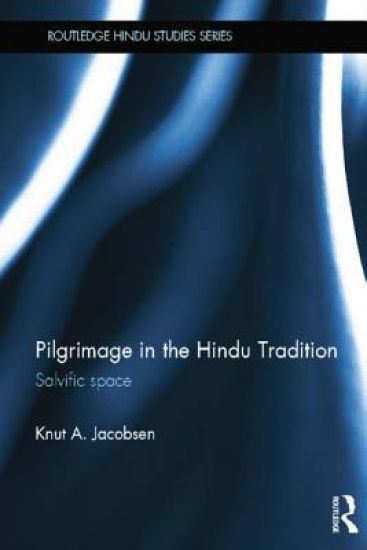
Salvific space is one of the central ideas in the Hindu traditions of pilgrimage, and concerns the ability of space, especially sites associated with bodies of water such as rivers and lakes, to grant salvific rewards. Focusing on religious, historical and sociological questions about the phenomenon, this book investigates the narratives, rituals, history and structures of salvific space, and looks at how it became a central feature of Hinduism.Arguing that salvific power of place became a major dimension of Hinduism through a development in several stages, the book analyses the historical process of how salvific space and pilgrimage in the Hindu tradition developed. It discusses how the traditions of salvific space exemplify the decentred polycentrism that defines Hinduism. The book uses original data from field research, as well as drawing on main textual sources such as Mahabharata, the Pura?as, the medieval digests on pilgrimage places (tirthas), and a number of Sthalapura?as and Mahatmyas praising the salvific power of the place. By looking at some of the contradictions in and challenges to the tradition of Hindu salvific space in history and in contemporary India, the book is a useful study on Hinduism and South Asian Studies.
The Sa?khyayoga institution of Kapil Ma?h is a religious organisation with a small tradition of followers which emerged in the last decade of the nineteenth century and the first decades of the twentieth century in Bengal in India around the renunciant and yogin Hariharananda Ara?ya. This tradition developed during the same period in which modern yoga was born and forms a chapter in the expansion of yoga traditions in modern Hinduism.The book analyses the yoga teaching of Hariharananda Ara?ya (1869-1947) and the Kapil Ma?h tradition, its origin, history and contemporary manifestations, and this tradition’s connection to the expansion of yoga and the Yogasutra in modern Hinduism. The Sa?khyayoga of the Kapil Ma?h tradition is based on the Patañjalayogasastra, on a number of texts in Sanskrit and Bengali written by their gurus, and on the lifestyle of the renunciant yogin living isolated in a cave. The book investigates Hariharananda Ara?ya’s connection to pre-modern yoga traditions and the impact of modern production and transmission of knowledge on his interpretations of yoga. The book connects the Kapil Ma?h tradition to the nineteenth century transformations of Bengali religious culture of the educated upper class that led to the production of a new type of yogin. The book analyses Sa?khyayoga as a living tradition, its current teachings and practices, and looks at what Sa?khyayogins do and what Sa?khyayoga is as a yoga practice.A valuable contribution to recent and ongoing debates, this book will be of interest to academics in the fields of Religious Studies, Anthropology, Asian Studies, Indology, Indian philosophy, Hindu Studies and Yoga Studies.
Salvific space is one of the central ideas in the Hindu traditions of pilgrimage, and concerns the ability of space, especially sites associated with bodies of water such as rivers and lakes, to grant salvific rewards. Focusing on religious, historical and sociological questions about the phenomenon, this book investigates the narratives, rituals, history and structures of salvific space, and looks at how it became a central feature of Hinduism.Arguing that salvific power of place became a major dimension of Hinduism through a development in several stages, the book analyses the historical process of how salvific space and pilgrimage in the Hindu tradition developed. It discusses how the traditions of salvific space exemplify the decentred polycentrism that defines Hinduism. The book uses original data from field research, as well as drawing on main textual sources such as Mahabharata, the Pura?as, the medieval digests on pilgrimage places (tirthas), and a number of Sthalapura?as and Mahatmyas praising the salvific power of the place. By looking at some of the contradictions in and challenges to the tradition of Hindu salvific space in history and in contemporary India, the book is a useful study on Hinduism and South Asian Studies.
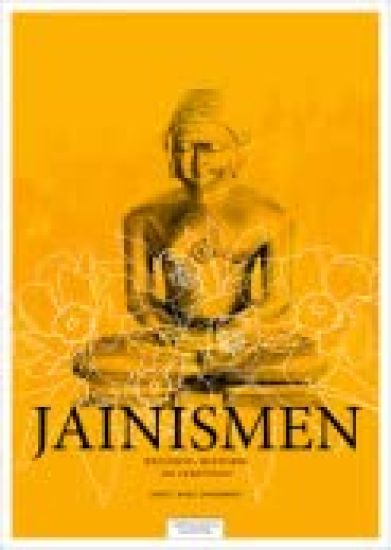
Jainismen er en av verdens eldste nålevende religioner. Den stammer fra India og er framfor alt ikkevoldens religion. Sentrale temaer er måtehold, forsakelse, streng askese, vakker estetikk og respekt for alt levende. Religionen bemerker seg med sin klare forståelse av karma, og med en filosofi som vektlegger virkelighetens mangesidige natur. Jainismens teorier om karma og toleranse var en viktig kilde for Mahatma Gandhis ikkevoldslære. Også Gandhis bruk av faste for å dempe konfliktnivået i samfunnet har slektskap med jainismens ritualer og dens lære om matens betydning.Jainismen. Religion, historie og ikkevold tar for seg:opprinnelse og historie sentrale tekster lære og filosofi globale visjoner ritualer og symboler utbredelse og diaspora Målgruppen er studenter i religionsvitenskap og Sør-Asia-studier og alle som er interessert i religion, samfunn og kultur.
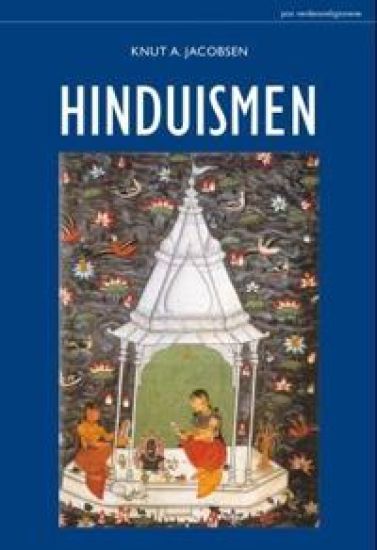
Hinduismen er verdens tredje største religion og den dominerende religionen i India, en kommende økonomisk stormakt og snart verdens folkerikeste land. Her får du en velskrevet og personlig introduksjon fra en av Norges fremste eksperter på dette området.Hinduismen er - med sin åpenhet for hellighet - en pluralistisk, inkluderende og grunnleggende tolerant religion. Hva er hinduisme gir denne religionens mange unike bidrag til menneskehetens religiøse fellesarv. Religiøse skikker i India har i flere tusen år fascinert vesten som har knyttet forestillinger om det fantastiske til dette geografiske området, og sett på hinduismen som kilden til all verdens visdom. Hva er hinduisme gir et engasjert innblikk i noen av denne religionens mirakel- og visdomstradisjoner.
Boka gir ei historisk innføring i hinduismens mangfold av uttrykksformer. Den ser på teksttradisjoner, vishnuismen, shivaismen, yogatradisjoner, ritualer og utfordringer hinduismen møter i den moderne verden. Har ordforklaringer, litteraturliste og register.
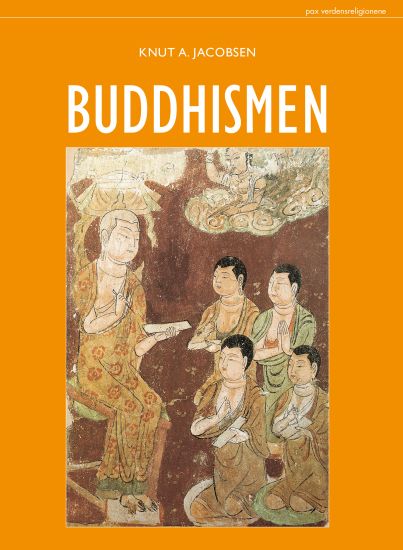
Boken gir en innføring i buddhismens historie og utforming. Har ordliste, stikkordregister og litteraturliste.
Hyllest til Gudinnen inneholder et essay om Gudinnen i hinduismen og en oversettelse av denne religionens viktigste gudinnetekst. Hinduismen er den eneste av verdensreligionene som i sin klassiske utforming, så vel som i samtidens, har dominerende gudinnetradisjoner. Disse tradisjonene går flere tusen år tilbake i tid. Monoteistiske forestillinger om Gudinnen som den ene ytterste guddommelige virkelighet går tilbake til 500-tallet v.t. og teksten Devi-Mahatmya. Teksten hadde avgjørende betydning for at den store Gudinnen ble en vedvarende størrelse i Indias religiøse liv, og er en av de viktigste religiøse tekster i hinduismen også i våre dager. Boken inneholder en oversettelse av denne teksten i sin helhet. Interessen i vår tid for Gud som kvinnelig eller et gudsbegrep som overstiger kjønnsdualismen, har gjort hinduismens forestillinger om Gudinnen relevante langt utover Indias og hinduismens grenser. Denne boken henvender seg derfor ikke bare til mennesker med interesse for religioner i India og Sør-Asia, men også til alle som er opptatt av Gudinnen. Knut A. Jacobsen er professor i religionsvitenskap ved Universitetet i Bergen. Jacobsen er spesialist på religioner i India og på indiske religioner i diaspora. Han har tidligere utgitt en rekke bøker om hinduismen, buddhismen, sikhismen og indiske yogatradisjoner.
Sikhismen er en av verdens sentrale religioner og en viktig del av menneskehetens religiøse fellesarv. På verdensbasis identifiserer nesten 25 millioner seg med denne religionen og i Norge bor det rundt 5000 sikher. Denne boken gir en fremstilling av denne særpregete religionen og sikhenes religiøse liv. Boken omhandler:sikhismens grunnlegger Guru Nanak guruene og sikhenes hellige bok den historiske utviklingen lære og symboler samfunn og identitet ritualer, fester og helligsteder sikhenes diaspora i Norge
Buddhismen : religion, historia, liv
Knut A Jacobsen
Natur Kultur Läromedel och Akademi
2002
kartonkisidos
För första gången på svenska publiceras nu en bred och grundläggande bok om buddhismen. Författare är Knut A. Jacobsen, erkänd forskare inom både hinduism och buddhism. Boken är en inbjudan: "Få eller inga som tagit del av den buddhistiska läran förblir oberörda […]. Ingen som har läst någon av buddhismens pali-skrifter kan undgå att förtrollas av den vishet som förmedlas av Buddha, en av de största religiösa tänkare som mänskligheten frambragt." Men den är också en analys av religionen som en kulturell yttring skapad av människor i vissa historiska och religiösa sammanhang. Som sådan är boken väl lämpad för undervisning på högskolekurser inom religionsvetenskap och religionshistoria. Författaren presenterar religionens historia, dess filosofiska utveckling och kulturella kännetecken. Religionsgrundaren Buddha skildras och granskas som historisk och mytisk gestalt. Ett annat spår är det filosofiska innehållet: Buddhas världsuppfattning och lära samt de tolkningar som etablerades. Här fortsätter beskrivningen vidare till den filosofiska utvecklingen inom Mahayana-filosofin. Författaren placerar även religionen i sin indiska kontext samt följer dess utveckling där efter att Buddha uppnått den slutliga nirvana fram till och med spridningen av hans lära över hela Asien. Den religiösa praktikens olika moment - till exempel pilgrimsfärder, gåvogivande och tillbedjan av Buddhastatyer - har i västvärldens föreställning om buddhism haft lägre status än läran om de högre sanningarna. Här ger författarna dem plats och avslutar sedan boken med att resonera kring förändringarna av buddhismen under modern tid. Politiskt och socialt engagerade buddhister ryms vid sidan av kurser i buddhistisk meditation. Boken innehåller en utförlig litteraturförteckning, ett avsnitt med ordförklaringar samt ett register med namn och begrepp. Översättning Thomas Andersson Knut A Jacobsen (1956) disputerade vid University of California och är nu professor vid sektionen för religionsvetenskap, Universitetet i Bergen. Författaren är specialist på hinduism och sydasiatisk buddhism och har under många och längre perioder vistats i Indien.
Hinduismen är en pluralistisk, tolerant och mycket färgrik och komplex religiös tradition. Den är både en religiös praxis och en av mänsklighetens största religiösa kunskapstraditioner. De flesta av religionens närmare en miljard anhängare bor och lever i dag i Indien, Sri Lanka och Nepal. Indien är hinduismens heliga land och det är där de flesta heliga platserna finns. Landet har förblivit heligt även för de miljoner hinduer som bor i andra länder. Boken ger en historisk inblick i hinduismens mångfald av uttrycksformer. I 13 kapitel beskrivs teologi och religiös mångfald, texttraditioner, historia, Vishnuismen, Shivaismen, Shaktismen, hinduismens religiösa tankesystem och indisk filosofi, yogatraditioner, ritualer, hinduismen och den moderna världen och mycket mer. Hinduismen vänder sig till högskolestuderande inom religionsvetenskap och religionskunskap samt till den allmänt intresserade. Översättning Malin Ericson Knut A. Jacobsen (född 1956) disputerade vid University of California och är nu professor vid sektionen för religionsvetenskap, Universitetet i Bergen. Han är specialist på hinduismen och sydasiatisk buddhism och har vistats i Indien under långa och många perioder. Han har på Natur och Kultur även givit ut boken Buddhismen. Religion, historia, liv (2002).
Verdensfilosofier
Håkan Rydving; Knut A. Jacobsen; Roald Kristiansen
Universitetsforlaget
2021
nidottu
I India, Kina og Midtøsten blomstret den førmoderne filosofien innenfor de religiøse tradisjonene. Forfatterne av Verdensfilosofier viser at filosofi har en lang historie i flere ikke-europeiske kulturområder. Forfatterne gir en generell innføring i den tette sammenkoblingen mellom religion og filosofi i de førmoderne kulturene i India, Kina og Midtøsten. De retter oppmerksomheten mot erkjennelsesteori og forståelsen av relasjonen mellom mennesket, verden og det guddommelige. Men de belyser også debatten mellom de ulike filosofiske skolene. Ikke-europeiske filosofier er del av menneskehetens førmoderne filosofiske arv, men har lenge vært en underbelyst del av vestlig undervisning i filosofi. Førmoderne filosofi fantes ikke bare i den europeiske tradisjonen. Men det er fremdeles ukjent for mange at tilsvarende former for tenkning har en lang historie i mange ikke-europeiske kulturområder. Denne boken er et lite bidrag til formidlingen av nødvendig kunnskap om verdens filosofier. Den gir en nyttig nyanse til forståelsen av likeverd i en global verden og i det flerkulturelle samfunnet.
Boka Hinduismen og buddhismen gir oversikt over hinduismens og buddhismens historie og utvikling, og holder fast på både enheten og mangfoldet i de to religionene. Fortellingsstoffet får rikelig plass. Religionenes lære og forestillinger blir grundig gjennomgått, med teksteksempler, kommentarer og billedstoff. Samtidig får deres praktiske side bred omtale. Hvordan praktiserer alminnelige mennesker sin religion? Hvordan blir tradisjonene formidlet fra generasjon til generasjon? Hvilken rolle spiller religionen i samfunnet?Hinduismen og buddhismen er først og fremst beregnet på studenter ved lærerhøgskolene og er tilpasset pensumrammene der. Fremstillingen har også et sideblikk til læreplanen for den 10-årige grunnskolen - den vil være en viktig forberedelse for alle som skal undervise i de aktuelle religionene, og vil gi bakgrunn for å møte elever som tilhører disse. Boka vil også egne seg for dem som trenger en viss fordypning i disse religionene, som en del av studiet i religionshistorie, kristendomskunnskap, statsvitenskap, antropologi, kunsthistorie og andre fag som tar opp ikke-europeiske kulturer. For øvrig vil alle som ønsker å gå litt under overflaten i sin forståelse av Østens religioner, ha glede av boka.
Når Gud bestemmer menyen
Robert W. Kvalvaag; Rasmus Reinvang; Knut A. Jacobsen; Gunnar Neegaard
Yrkeslitteratur
2008
sidottu
Boka handler om tillatt og forbudt mat og drikke i de store verdensreligionene og den historiske og religiøse bakgrunnen for dem. Norge er et flerkulturelt samfunn. Mat og drikke er en viktig del av enhver kultur, og kunnskaper om den religiøse bakgrunnen for matskikkene er av stor betydning på mange samfunnsområder.I denne boka blir regler for valg/bortvalg av mat og drikke beskrevet og dokumentert med utgangspunkt i religionenes hellige tekster og tradisjoner.Boka omfatter jødedommen, kristendommen, syvendedagsadventistsamfunnet, Jesu Kristi kirke, islam, hinduisme, Hare Krishna-bevegelsen, buddhisme. Det er trossamfunnenes egne regler og de begrunnelsene de selv gir som står i fokus.Gunnar Neegaard er førstelektor ved Høgskolen i Oslo.
Miraklet Indien och dess baksida
Lars Eklund; Staffan Lindberg; Jörgen Dige Pedersen; Henrik Chetan Aspengren; Jostein Jakobsen; Kenneth Bo Nielsen; Anand P Vaidya; Knut A Jacobsen; Anne Waldrop; Alf G Nilsen
Argos/Palmkrons Förlag
2018
nidottu
Dags för en ny IndienbildBilden av Indien i västerlandet, även i Sverige, är minst sagt motsägelsefull. Å ena sidan vet de flesta att indisk ekonomi blomstrar, att indierna numera är världsmästare på IT- och relaterade tjänster globalt och att Indien har världens största drömfabrik i form av Bollywood.Å andra sidan 'vet' alla att det är landet där kvinnor behandlas värst i hela världen, där huvudstaden New Delhi kallas våldtäkternas huvudstad alla kategorier. Lägg därtill den utbredda fattigdomen, förorenade floder och storstädernas kaos.