
Kirjahaku
Etsi kirjoja tekijän nimen, kirjan nimen tai ISBN:n perusteella.
1000 tulosta hakusanalla Knut Elstermann; Axel Prahl
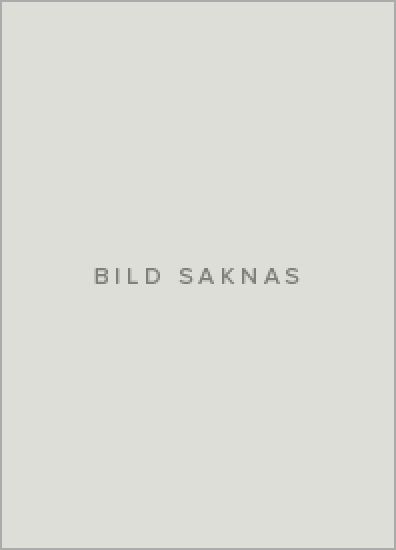

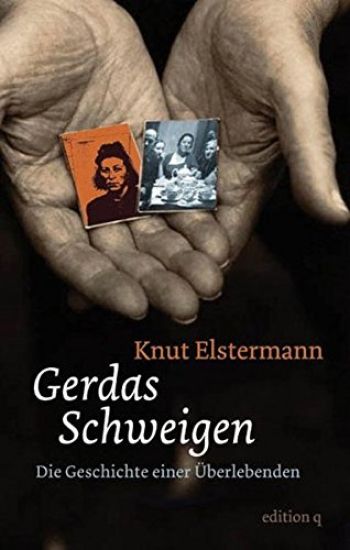
Am Anfang steht ein Tabubruch: Das Kind fragt seine "Tante Gerda" aus Amerika, gerade zu Besuch in der DDR, wie sie ihr Kind im KZ verloren habe. Die Kaffeegäste schweigen entsetzt. 30 Jahre später besucht Knut Elstermann Gerda in New York und stellt ihr diese Frage erneut. Er berichtet von engen Familienbanden der Vorkriegszeit, vom Überleben jüdischer Freunde und Bekannte, aber auch von Deportation und Tod: In Auschwitz musste Gerda dem Sterben ihres neugeborenen Kindes tatenlos zusehen. Sie entkam dem Todesmarsch - ein Wehrmachtssoldat beschützte sie. Es ist die Geschichte einer Suche nach Wahrheit in Akten und Zeitzeugenberichten sowie in der eigenen Erinnerung. -Sie versteckte sich vor den Nazis, überlebte Auschwitz - 60 Jahre später fand sie erstmals die Kraft, darüber zu sprechen.
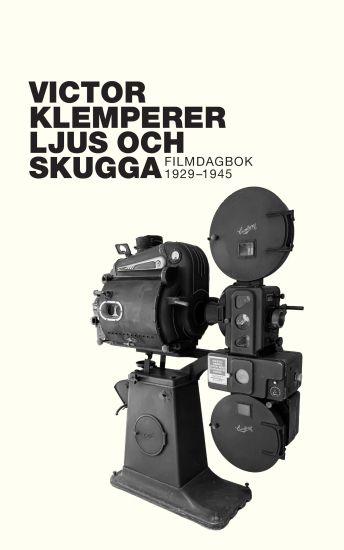
Ljus och skugga : filmdagbok 1929-1945
Victor Klemperer; Johan Klingborg; Knut Elstermann
Glänta Produktion
2025
nidottu
Victor Klemperer är idag antagligen mest känd för sin banbrytande analys av nazismens språkbruk under Tredje riket i boken LTI. I filmdagboken Ljus och skugga framträder han som passionerad och kritisk cineast, men också som tidsvittne till mötet mellan det nya mediet och publiken i övergången mellan stumfilm och ljudfilm. Nationalsocialisternas maktövertagande sammanföll med ljudfilmens tekniska mognad, vilket öppnade för massuggestion i en helt ny skala. Dag för dag synliggör Klemperer hur propagandan oupphörligen flätas in i underhållningsfilmen och hans filmdagbok formar sig till ett obevekligt försvar för konstens och kulturens betydelse i kulturfientliga tider.Dagboksanteckningarna i Ljus och skugga skrevs mellan 1929 och 1945 men utgavs först 2020. Översättningen är gjord av Tommy Andersson, som bland annat också översatt Klemperers LTI. Tredje rikets språk. Litteraturforskaren och kritikern Johan Klingborg har skrivit efterordet.Victor Klemperer (1880--1960) var professor i romanska språk vid tekniska högskolan i Dresden. På svenska finns även hans dagböcker från Hitlertiden, Intill slutet vill jag vittna. Dagböcker 1933--1945 och LTI. Tredje rikets språk. En filologs anteckningsbok.

Es geht im KNUT um Knut und seinen Mitbewohnern. Knut ist ein pedantischer Sonderling, der mit der Genauigkeit seiner Sprache f r skurrile Situationen sorgt.

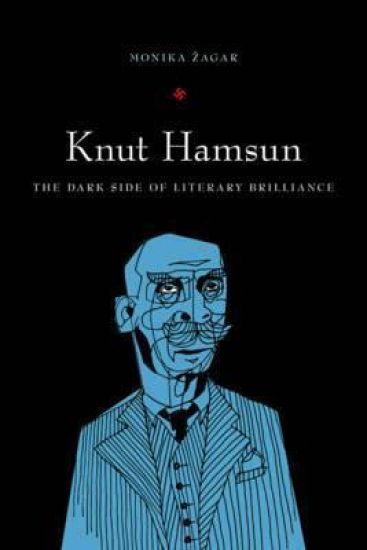
Awarded the Nobel Prize for Literature in 1920, Knut Hamsun (1859–1952) was a towering figure of Norwegian letters. He was also a Nazi sympathizer and supporter of the German occupation of Norway during the Second World War. In 1943, Hamsun sent his Nobel medal to Third-Reich propaganda minister Joseph Goebbels as a token of his admiration and authored a reverential obituary for Hitler in May 1945. For decades, scholars have wrestled with the dichotomy between Hamsun's merits as a writer and his infamous ties to Nazism.In her incisive study of Hamsun, Monika Zagar refuses to separate his political and cultural ideas from an analysis of his highly regarded writing. Her analysis reveals the ways in which messages of racism and sexism appear in plays, fiction, and none-too-subtle nonfiction produced by a prolific author over the course of his long career. In the process, Zagar illuminates Norway's changing social relations and long history of interaction with other peoples.Focusing on selected masterpieces as well as writings hitherto largely ignored, Zagar demonstrates that Hamsun did not arrive at his notions of race and gender late in life. Rather, his ideas were rooted in a mindset that idealized Norwegian rural life, embraced racial hierarchy, and tightly defined the acceptable notion of women in society. Making the case that Hamsun's support of Nazi political ideals was a natural outgrowth of his reactionary aversion to modernity, Knut Hamsun serves as a corrective to scholarship treating Hamsun's Nazi ties as unpleasant but peripheral details in a life of literary achievement.
Awarded the Nobel Prize for Literature in 1920, Knut Hamsun (1859–1952) was a towering figure of Norwegian letters. He was also a Nazi sympathizer and supporter of the German occupation of Norway during the Second World War. In 1943, Hamsun sent his Nobel medal to Third-Reich propaganda minister Joseph Goebbels as a token of his admiration and authored a reverential obituary for Hitler in May 1945. For decades, scholars have wrestled with the dichotomy between Hamsun's merits as a writer and his infamous ties to Nazism.In her incisive study of Hamsun, Monika Zagar refuses to separate his political and cultural ideas from an analysis of his highly regarded writing. Her analysis reveals the ways in which messages of racism and sexism appear in plays, fiction, and none-too-subtle nonfiction produced by a prolific author over the course of his long career. In the process, Zagar illuminates Norway's changing social relations and long history of interaction with other peoples.Focusing on selected masterpieces as well as writings hitherto largely ignored, Zagar demonstrates that Hamsun did not arrive at his notions of race and gender late in life. Rather, his ideas were rooted in a mindset that idealized Norwegian rural life, embraced racial hierarchy, and tightly defined the acceptable notion of women in society. Making the case that Hamsun's support of Nazi political ideals was a natural outgrowth of his reactionary aversion to modernity, Knut Hamsun serves as a corrective to scholarship treating Hamsun's Nazi ties as unpleasant but peripheral details in a life of literary achievement.
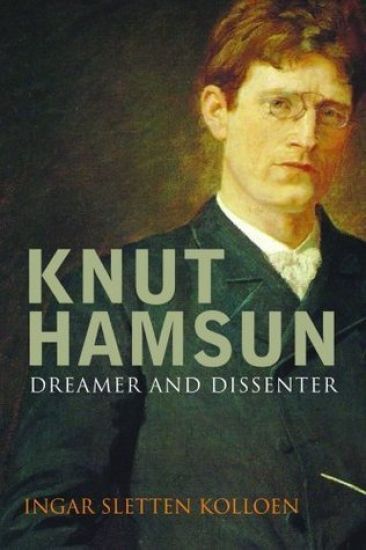
An absorbing biography of Nobel Prize–winning novelist Knut Hamsun, based on a wealth of previously unavailable sources Norwegian writer Knut Hamsun (1859–1952), winner of the Nobel Prize for Literature in 1920, was a man both brilliant and controversial. Lauded for his literary achievements by Hemingway, Gide, Hesse, and others, he also provoked outrage for his open collaboration with the Fascists during the German occupation of Norway and for his insistent refusal to renounce his Nazi sympathies.This gripping biography of Hamsun, now available for the first time in English, offers a nuanced account of this morally ambiguous man. Drawing on Hamsun’s extraordinary private archives and on his psychoanalyst’s notes, Ingar Sletten Kolloen delves deeply into Hamsun’s personal life and character. In vivid and telling detail, he describes Hamsun’s early years in a peasant farming family, his tempestuous and jealousy-racked second marriage, his erratic relationship with his children, and his infamous love affair with Nazi Germany, the roots of which Kolloen traces to Hamsun’s earliest days. Much like the characters he created in novels such as Hunger, Growth of the Soil, Mysteries, and Pan, Hamsun was irrational, eccentric, strange, and compelling—a man uncomfortable in his own time.

Knut Wicksell
Routledge
1994
muu
This collection brings together the major secondary literature on this crucial figure. The range and quality of the articles collected indicates the richness of Wicksell's work and the importance of his legacy.
Knut Wicksell is arguably the greatest Swedish social scientist of all time, and poverty was a theme that occupied him all his life. Indeed, it was probably Wicksell's interest in poverty that was the critical factor in drawing him away from his purely mathematical background towards a greater understanding of the social sciences as a whole.In this outstanding volume, Mats Lundahl, one of the world's leading development economists, examines Wicksell's thinking in the area of poverty, and shows the importance of his contributions to this field.

Knut Wicksell is arguably the greatest Swedish social scientist of all time, and poverty was a theme that occupied him all his life. Indeed, it was probably Wicksell's interest in poverty that was the critical factor in drawing him away from his purely mathematical background towards a greater understanding of the social sciences as a whole.In this outstanding volume, Mats Lundahl, one of the world's leading development economists, examines Wicksell's thinking in the area of poverty, and shows the importance of his contributions to this field.

Knut Wicksell made enormous contributions to capital theory, monetary theory and fiscal policy. However whilst his books are widely available in English, few of his more than 800 articles have ever been translated. This volume, first published in 1997, includes new translations of Wicksell's contributions to marginalism and capital theory; public economics and unemployment.
Knut Wicksell
Routledge
2011
sidottu
This book, along with its predecessor, makes most of Wicksell's most important contributions accessible to English speaking readers for the first time. The essays collected here, first published in 1999, focus on money and price theory and include Wicksell's book reviews of Leon Walrus, Ludwig von Mises and John Bates Clark.