Kirjahaku
Etsi kirjoja tekijän nimen, kirjan nimen tai ISBN:n perusteella.
1000 tulosta hakusanalla Laura Dayton Fessenden



This book has been considered important throughout the human history, and so that this work is never forgotten we have made efforts in its preservation by republishing this book in a modern format for present and future generations. This whole book has been reformatted, retyped and designed. These books are not made of scanned copies and hence the text is clear and readable.


Laura's Guide to Buying the Perfect Home in Greater Daytona Beach
Laura Edwards
iUniverse
2006
pokkari
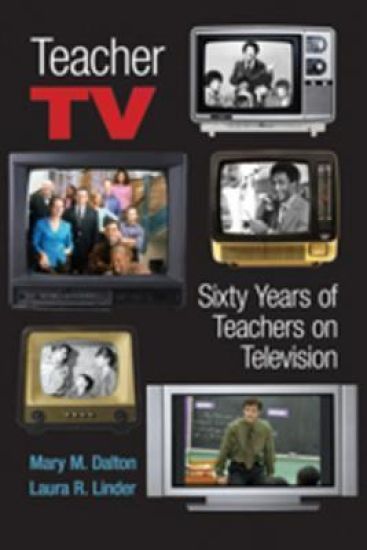
Teacher TV: Sixty Years of Teachers on Television examines some of the most influential teacher characters presented on television from the earliest sitcoms to contemporary dramas and comedies. Both topical and chronological, the book follows a general course across decades and focuses on dominant themes and representations, linking some of the most popular shows of the era to larger cultural themes. Some of these include: • a view of how gender is socially constructed in popular culture and in society • racial tensions throughout the decades • educational privileges for elite students • the mundane and the provocative in teacher depictions on television • the view of gender and sexual orientation through a new lens • life in inner-city public schools • the culture of testing and dropping out Every pre-service and classroom teacher should read this book. It is also a valuable text for upper-division undergraduate and graduate level courses in media and education as well.
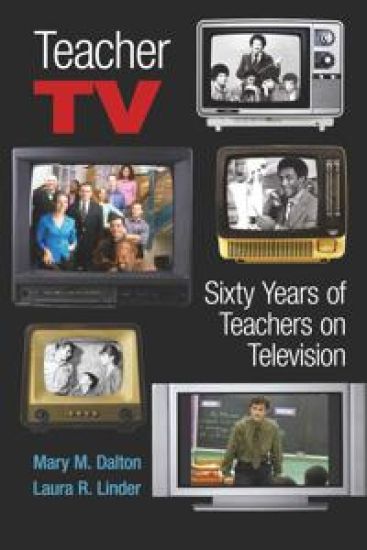
Teacher TV: Seventy Years of Teachers on Television, Second Edition examines some of the most influential teacher characters presented on television from the earliest sitcoms to contemporary dramas and comedies. Both topical and chronological, the book follows a general course across decades and focuses on dominant themes and representations. Although each chapter presents an overview of the all the teachers on television for each decade, the focus will link some of the most popular shows of the era to larger cultural themes. "1950s Gender Wars: Our Miss Brooks and Mr. Peepers" looks at acceptable behavior for men teachers and women teachers on television and offers a context for making links to how gender is socially constructed in popular culture and in society. The racial tensions of the 1960s take a more implicit form on two series and are examined in "1960s Race and Social Relevancy: The Bill Cosby Show and Room 222." In "1970s Ideology and Social Class: Welcome Back Kotter and The Paper Chase," both lower and upper ends of the class spectrum are blunted in favor of storylines that are personal and predictable instead of overtly political. Two popular television sitcoms validate educational privileges for elite students in "1980s Normalizing Meritocracy: The Facts of Life and Head of the Class." The 1980s reflect a return to conservatism, and two popular television sitcoms mark the transition by validating educational privileges for elite students. The 1990s mark a time of significant change for teachers on television. In "Gaining Ground From Margin to Center: Hangin’ With Mr. Cooper and My So Called Life," the two featured shows, illustrate the mundane and the provocative in teacher depictions on television. In "Embracing Multiculturalism: Boston Public and The Wire" we use these dramas as exemplars of the 2000s to examine themes such as race, gender, and sexuality, but view them through a new lens. Chapter Eight is new to this edition and looks at the downward spiral in the depiction of educators in popular culture during 2010s and pays specific attention to Madam Secretary and Teachers. The Afterword, which is also new, explores these television texts in the larger socio-political context and makes important links between television narratives and issues of identity, the culture of testing, poverty, and dropping out. We must reestablish the importance of public education and consider its essential role in creating an informed citizenry, which is necessary for the future of democracy. Recent trends represent a dangerously skewed view of educators, and it is essential that we begin to "flip the script"—literally and figurative—to combat the cynicism of today's television narratives and stop the way those stories influence public perceptions of education in America.

The Sea Star Adventures: With Dalton, Noah, Jocelyn an Aspen Adams
Lara Lee Adams
Createspace Independent Publishing Platform
2016
nidottu
Come along on a fun filed adventure and learn fun facts about look at Beautiful pictures of sea stars ans sunflower sea stars with a child's point of view.

In the doorway of an elegant New York apartment, blood seeps over silk negligee, over polished wood floors and plush carpet: a beautiful young woman lies dead, her face disfigured by a single gun shot. But who was Laura?

In a captivating departure, Larry Watson, "a writer whose work is worthy of prizes" ("Los Angeles Times Book Review"), unveils a portrait of faith, obsession, and enduring love -- and a work of greater tenderness than anything he has yet written. "Laura" Love captures Paul Finley, in, of all places, his own bedroom -- literally waking him from his dreams. The night he discovers Laura Pettit standing at his windowsill, Paul is eleven years old, a boy naturally inclined toward seriousness, precociously adept at the art of watching the world without being watched. Laura is twenty-two, a fiercely passionate and independent poet already experiencing the first flickers of fame, a beautiful woman on the brink of seducing Paul's father. No matter; Paul is smitten. When she leaves him to rejoin the grown-ups' party downstairs, Laura issues Paul a wholly impossible command, one that will haunt and consume both of them for the rest of their lives: "Forget me." Laying bare the inner life of one man during the course of nearly four decades, Larry Watson delivers a riveting treatise on the excruciating power of love -- and two of the most remarkable characters in recent American literature. Infused with breathtaking pathos and delicate grace, "Laura" is an extraordinary triumph of the novelist's art.
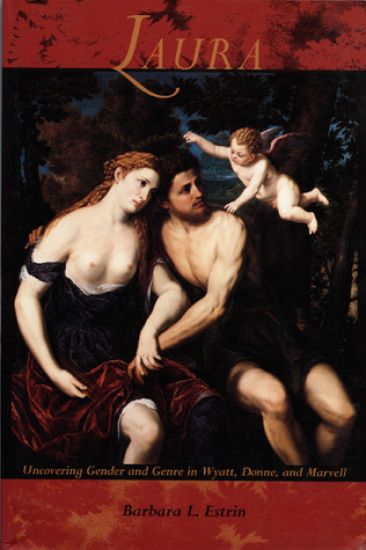
How do men imagine women? In the poetry of Petrarch and his English successors-Wyatt, Donne, and Marvell-the male poet persistently imagines pursuing a woman, Laura, whom he pursues even as she continues to deny his affections. Critics have long held that, in objectifying Laura, these male-authored texts deny the imaginative, intellectual, and physical life of the woman they idealize. In Laura, Barbara L. Estrin counters this traditional view by focusing not on the generative powers of the male poet, but on the subjectivity of the imagined woman and the imaginative space of the poems she occupies. Through close readings of the Rime sparse and the works of Wyatt, Donne, and Marvell, Estrin uncovers three Lauras: Laura-Daphne, who denies sexuality; Laura-Eve, who returns the poet’s love; and Laura-Mercury, who reinvents her own life. Estrin claims that in these three guises Laura subverts both genre and gender, thereby introducing multiple desires into the many layers of the poems. Drawing upon genre and gender theories advanced by Jean-FranÇois Lyotard and Judith Butler to situate female desire in the poem’s framework, Estrin shows how genre and gender in the Petrarchan tradition work together to undermine the stability of these very concepts.Estrin’s Laura constitutes a fundamental reconceptualization of the Petrarchan tradition and contributes greatly to the postmodern reassessment of the Renaissance period. In its descriptions of how early modern poets formulate questions about sexuality, society and poetry, Laura will appeal to scholars of the English and Italian Renaissance, of gender studies, and of literary criticism and theory generally.
How do men imagine women? In the poetry of Petrarch and his English successors-Wyatt, Donne, and Marvell-the male poet persistently imagines pursuing a woman, Laura, whom he pursues even as she continues to deny his affections. Critics have long held that, in objectifying Laura, these male-authored texts deny the imaginative, intellectual, and physical life of the woman they idealize. In Laura, Barbara L. Estrin counters this traditional view by focusing not on the generative powers of the male poet, but on the subjectivity of the imagined woman and the imaginative space of the poems she occupies. Through close readings of the Rime sparse and the works of Wyatt, Donne, and Marvell, Estrin uncovers three Lauras: Laura-Daphne, who denies sexuality; Laura-Eve, who returns the poet’s love; and Laura-Mercury, who reinvents her own life. Estrin claims that in these three guises Laura subverts both genre and gender, thereby introducing multiple desires into the many layers of the poems. Drawing upon genre and gender theories advanced by Jean-FranÇois Lyotard and Judith Butler to situate female desire in the poem’s framework, Estrin shows how genre and gender in the Petrarchan tradition work together to undermine the stability of these very concepts.Estrin’s Laura constitutes a fundamental reconceptualization of the Petrarchan tradition and contributes greatly to the postmodern reassessment of the Renaissance period. In its descriptions of how early modern poets formulate questions about sexuality, society and poetry, Laura will appeal to scholars of the English and Italian Renaissance, of gender studies, and of literary criticism and theory generally.