
Kirjahaku
Etsi kirjoja tekijän nimen, kirjan nimen tai ISBN:n perusteella.
1000 tulosta hakusanalla Laura J. E. Anderson

Earth Child: The E.D. Piper Chronicles: Earth Child: The E.D. Piper Chronicles
Laura J. Kaighn
Createspace Independent Publishing Platform
2013
nidottu
Earth Child: The E.D. Piper Chronicles, by Laura J. Kaighn, of Lady Hawke Storytelling, explores the world of Ehlora Dawn Piper, a young shape-shifter on the run from a geneticist intent on replicating her extraordinary abilities. Dr. Kraven's pursuit of our teen heroine is both obsessive and unrelenting. His goal: to create an army of super soldiers capable of utilizing Ehlora's many forms and skills "I am human. I am animal. I am Earth Child. My fate - and that of the Earth - is in your hands." E.D. Piper. Documenting her experiences in a personal journal, Ehlora's exodus is punctuated by many a unique character and colorful circumstance. She's a reluctant heroine, often finding herself at the right place at the opportune moment to employ her shape-shifting and healing talents to help others. With each encounter, Ehlora learns more about human nature and her own destiny. Ehlora's inspirational journey takes her through some of the most beautiful regions of our bountiful Earth Mother - from New Jersey's Pine Barrens to South Dakota's open ranges; from the Arizona desert to New York's Adirondack Park and Florida's gulf coast; from Wyoming's Grand Tetons and Washington's rocky shoreline to Virginia's Appalachian Mountains and more. Along the way, Ehlora learns the lessons of a suspicious society and the healing properties of living in harmony with Earth's many inhabitants, whether feathered, scaled, fleshed or furred. This young adult fantasy novel is written for any aspiring person - tween through adult - who has ever braved the trials of being different in a culture where your looks, actions and efforts are judged by the greater populace at large. Share Ehlora's adventures and wonder at the natural glories of our varied and precious planet. Discover your own destiny and "Make the Connection " We are all Earth Children. Experience the treasures of being in balance with our environment - aware and invested - both promising and inimitable

Tightening the Reins of Justice in America
Laura J. Graham; Lisa E. Graham; Lee J. Graham
Praeger Publishers Inc
1983
sidottu
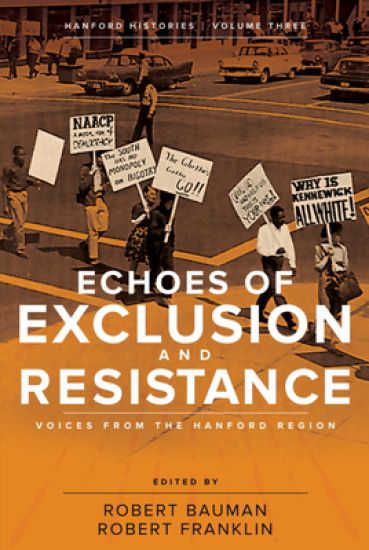
Echoes of Exclusion and Resistance
Laura J. Arata; Thomas E. Marceau
Washington State University Press
2021
pokkari
Like the rest of the American West, the mid-Columbia region has always been diverse. Its history mirrors common multiracial narratives, but with important nuances. In the late 1880s, Chinese railroad workers were segregated to East Pasco, a practice that later extended to all non-whites and continued for decades. Kennewick residents became openly proud of their status as a "lily-white" town.In Echoes of Exclusion and Resistance, the third Hanford Histories volume, four scholars--Laura Arata, Robert Bauman, Robert Franklin, and Thomas E. Marceau--draw from Hanford History Project, Atomic Heritage Foundation, and Afro-American Community Cultural and Educational Society oral histories to focus on the experiences of non-white groups whose lives were deeply impacted by the Hanford Site. Linked in ways they likely could not know, each group resisted the segregation and discrimination they encountered, and in the process, challenged the region's dominant racial norms.The Wanapum, evicted by Hanford Nuclear Reservation construction, relate stories of their people, as well as their responses to dislocation and forced evacuation. Unable to interact with the ancient landscapes and utilize the natural resources of their traditional lands, they suffered painful, irretrievable losses. Early arrivals to the town of Pasco, the Yamauchi family built the American dream--including successful businesses and highly educated children--only to have their aspirations crushed by World War II Japanese-American internment. Thousands of African Americans migrated to the area for wartime jobs and discovered rampant segregation. Through negotiations, demonstrations, and protests, they fought the region's ingrained racial disparity. During the early years of the Cold War, Black women, mostly from East Texas, also relocated to work at Hanford. They offer a unique perspective on employment, discrimination, family, and faith.
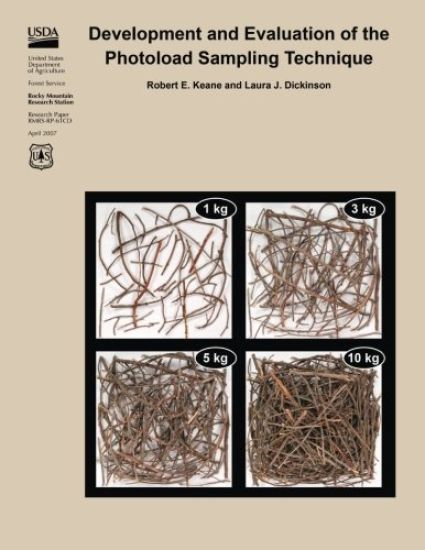
Development and Evaluation of the Photoload Sampling Technique
Laura J. Dickinson; Robert E. Keane
Createspace Independent Publishing Platform
2015
nidottu
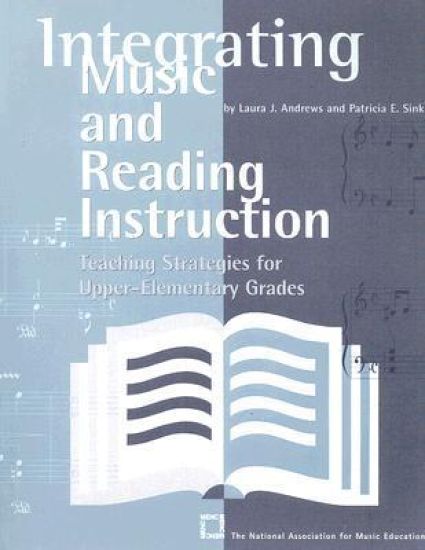
Integrating Music and Reading Instruction
Laura J. Andrews; Patricia E. Sink
Rowman Littlefield Education
2002
nidottu
Addressing the important topic of the effects of music and reading integration on students' achievements and attitudes, this book presents twenty lessons for integrating selected music and reading concepts and skills. Designed for upper-elementary music and reading teachers, it provides specific materials and teaching techniques.
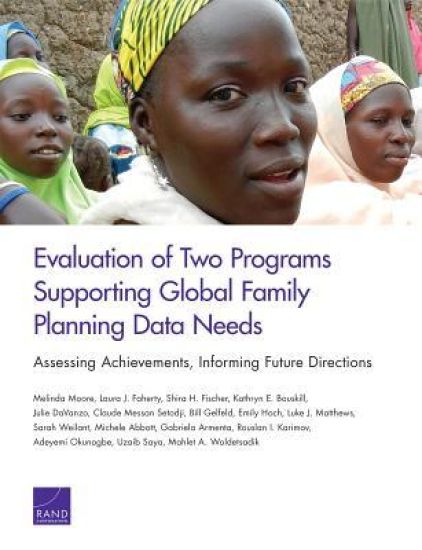
Evaluation of Two Programs Supporting Global Family Planning Data Needs
Melinda Moore; Laura J Faherty; Shira H Fischer; Kathryn E Bouskill; Julie Davanzo; Claude Messan Setodji; Bill Gelfeld; Emily Hoch; Luke J Matthews; Sarah Weilant; Michele Abbott; Gabriela Armenta; Rouslan I Karimov; Adeyemi Okunogbe; Uzaib Saya; Mahlet A Woldetsadik
RAND
2018
nidottu
In 2013, the Bill & Melinda Gates Foundation launched two programs to help monitor progress toward a new global goal to increase modern contraceptive use by 2020: Performance Monitoring and Accountability 2020 (PMA2020) and Track20. This evaluation of both programs is based on interviews with more than 260 stakeholders, statistical analysis of the PMA2020 survey, and analysis of stakeholder ratings of data maturity and sustainability.
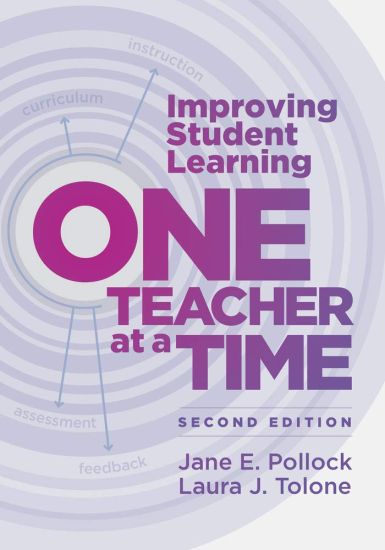
Improving Student Learning One Teacher at a Time
Jane E. Pollock; Laura J. Tolone
Association for Supervision Curriculum Development
2020
nidottu
In this second edition of Improving Student Learning One Teacher at a Time, Jane E. Pollock and Laura J. Tolone combine updated research and real-world stories to demonstrate how it takes only one teacher to make a difference in student performance. Their approach expands the classic three-part curriculum-instruction-assessment framework by adding one key ingredient: feedback. This ""Big Four"" approach offers an easy-to-follow process that helps teachers build better curriculum documents with:Curriculum standards that are clear and well-paced, and describe what students will learn.Instruction based in research, from daily lessons to whole units of study.Assessment that maximizes feedback and requires critical and creative thinking.Feedback that tracks and reports individual student progress by standards.Pollock and Tolone demonstrate how consistent, timely feedback from multiple sources can help students monitor their own understanding and help teachers align assignments, quizzes, and tests more explicitly to the standards. The Big Four shifts the focus away from the basics of what makes a good teacher toward what makes good learning happen for every student every day.

The School Counselor's Guide to Helping Students with Disabilities
Laura E. Marshak; Claire J. Dandeneau; Fran P. Prezant; Nadene A. L'Amoreaux
John Wiley Sons Inc
2010
nidottu
Down-to-earth advice for helping students with disabilities succeed The School Counselor's Guide to Helping Students with Disabilities offers school counselors a practical guide for handling the complexities of working with children and youth who have disabilities. The book is organized to correspond with the myriad responsibilities and roles assumed by school counselors in elementary, middle and high school settings. The authors provide both seasoned and new school counselors with the insight and tools they need to successfully promote the academic, personal, social, and career success of students with disabilities. Presents a wealth of relevant disability-related knowledge and useful strategiesIncludes information on the most pertinent legislation pertaining to students with disabilitiesOffers the most effective counseling interventions for helping young children or adolescents experiencing social exclusion because of their disabilitiesBonus section contains a wealth of disability-specific information with implications and practical applications for counselors This important book brings together experts in two disciplines, school counseling and special education/disabilities, in order to address the practicalities and possibilities of working with students with disabilities.

Biological Electron Microscopy
Michael J. Dykstra; Laura E. Reuss
Kluwer Academic/Plenum Publishers
2003
sidottu
Electron microscopy is frequently portrayed as a discipline that stands alone, separated from molecular biology, light microscopy, physiology, and biochemistry, among other disciplines. It is also presented as a technically demanding discipline operating largely in the sphere of "black boxes" and governed by many absolute laws of procedure. At the introductory level, this portrayal does the discipline and the student a disservice. The instrumentation we use is complex, but ultimately understandable and, more importantly, repairable. The procedures we employ for preparing tissues and cells are not totally understood, but enough information is available to allow investigators to make reasonable choices concerning the best techniques to apply to their parti cular problems. There are countless specialized techniques in the field of electron and light microscopy that require the acquisition of specialized knowledge, particularly for interpretation of results (electron tomography and energy dispersive spectroscopy immediately come to mind), but most laboratories possessing the equipment to effect these approaches have specialists to help the casual user. The advent of computer operated electron microscopes has also broadened access to these instruments, allowing users with little technical knowledge about electron microscope design to quickly become operators. This has been a welcome advance, because earlier instru ments required a level of knowledge about electron optics and vacuum systems to produce optimal photographs and to avoid "crashing" the instruments that typically made it difficult for beginners.
Child Trauma And HIV Risk Behaviour In Women
Laura E. Whitmire; Lisa L. Harlow; Kathryn Quina; Patricia J. Morokoff
Brunner-Mazel Inc
1998
sidottu
Utilizing longitudinal research, the authors have identified the mediational nature of the process of how traumatic events in childhood lead to increased HIV risk as adults. The book approaches the outcomes of childhood maltreatment systematically; demonstrates for the first time the need to examine the mediators of abuse, the indirect paths from childhood experiences to adult behaviors; offers useful measures of HIV risk based on risky behaviors; presents a feminist analysis of cultural norms that support HIV risk in women.The research presented clarifies present conceptualizations of interpersonal power, and gender's impact on the process and negotiation of, and desire to engage in, safer sexual practices. Knowing the importance of mediators will enable counselors and therapists to intervene on these variables at an early stage, thereby helping to reduce the incidence of subsequent risky behavior.

Child Trauma And HIV Risk Behaviour In Women
Laura E. Whitmire; Lisa L. Harlow; Kathryn Quina; Patricia J. Morokoff
Brunner-Mazel Inc
1998
nidottu
Utilizing longitudinal research, the authors have identified the mediational nature of the process of how traumatic events in childhood lead to increased HIV risk as adults. The book approaches the outcomes of childhood maltreatment systematically; demonstrates for the first time the need to examine the mediators of abuse, the indirect paths from childhood experiences to adult behaviors; offers useful measures of HIV risk based on risky behaviors; presents a feminist analysis of cultural norms that support HIV risk in women.The research presented clarifies present conceptualizations of interpersonal power, and gender's impact on the process and negotiation of, and desire to engage in, safer sexual practices. Knowing the importance of mediators will enable counselors and therapists to intervene on these variables at an early stage, thereby helping to reduce the incidence of subsequent risky behavior.

Biological Electron Microscopy
Michael J. Dykstra; Laura E. Reuss
Springer-Verlag New York Inc.
2012
nidottu
Electron microscopy is frequently portrayed as a discipline that stands alone, separated from molecular biology, light microscopy, physiology, and biochemistry, among other disciplines. It is also presented as a technically demanding discipline operating largely in the sphere of "black boxes" and governed by many absolute laws of procedure. At the introductory level, this portrayal does the discipline and the student a disservice. The instrumentation we use is complex, but ultimately understandable and, more importantly, repairable. The procedures we employ for preparing tissues and cells are not totally understood, but enough information is available to allow investigators to make reasonable choices concerning the best techniques to apply to their parti cular problems. There are countless specialized techniques in the field of electron and light microscopy that require the acquisition of specialized knowledge, particularly for interpretation of results (electron tomography and energy dispersive spectroscopy immediately come to mind), but most laboratories possessing the equipment to effect these approaches have specialists to help the casual user. The advent of computer operated electron microscopes has also broadened access to these instruments, allowing users with little technical knowledge about electron microscope design to quickly become operators. This has been a welcome advance, because earlier instru ments required a level of knowledge about electron optics and vacuum systems to produce optimal photographs and to avoid "crashing" the instruments that typically made it difficult for beginners.
The Hidden Talents Framework
Bruce J. Ellis; Laura S. Abrams; Ann S. Masten; Robert J. Sternberg; Nim Tottenham; Willem E. Frankenhuis
Cambridge University Press
2023
pokkari
Although early-life adversity can undermine healthy development, an evolutionary-developmental perspective implies that children growing up in harsh environments will develop intact, or even enhanced, skills for solving problems in high-adversity contexts (i.e., 'hidden talents'). This Element situates the hidden talents model within a larger interdisciplinary framework. Summarizing theory and research on hidden talents, it proposes that stress-adapted skills represent a form of adaptive intelligence enabling individuals to function within the constraints of harsh environments. It discusses potential applications of this perspective to multiple sectors concerned with youth from harsh environments, including education, social services, and juvenile justice, and compares the hidden talents model with contemporary developmental resilience models. The hidden talents approach, it concludes, offers exciting directions for research on childhood adversity, with translational implications for leveraging stress-adapted skills to more effectively tailor education, jobs, and interventions to fit the needs of individuals from a diverse range of life circumstances.
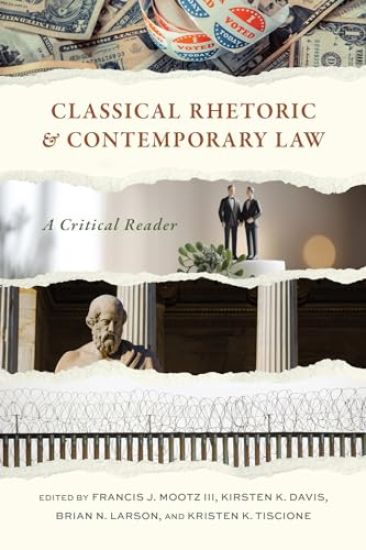
Classical Rhetoric and Contemporary Law
Vasileios Adamidis; Elizabeth C. Britt; David A. Frank; Michael Gagarin; Eugene Garver; Mark A. Hannah; Catherine L. Langford; Craig A. Meyer; Susan E. Provenzano; Nick J. Sciullo; Laura A. Webb
THE UNIVERSITY OF ALABAMA PRESS
2024
sidottu
Pairs passages from works of classical rhetoric with contemporary legal rulings to highlight and analyze their deep and abiding connections in matters of persuasionClassical Rhetoric and Contemporary Law: A Critical Reader is a rich work that analyzes the interplay between ancient rhetorical traditions and modern legal practice, reestablishing the lost connections between law and classical rhetoric. From Isocrates’s Panegyricus in 380 BCE to the landmark US Supreme Court case Trump v. Hawaii in 2018, and from Antiphon’s fifth century BCE First Tetralogy to 1995’s O. J. Simpson trial, the volume draws on an array of sources to illuminate how ancient rhetorical insights may even today challenge and enrich our grasp of contemporary legal principles. The collection opens with a brisk review of the historical development of rhetoric. The second part examines a pair of rhetorical theorists whose works frame the period across which classical rhetoric declined as a mode of thought. A contemporary appellate case contrasts with the work of Giambattista Vico, an eighteenth-century professor of rhetoric who warned of the separation of law from rhetoric. The analysis of the work of twentieth-century scholars ChaÏm Perelman and Lucie Olbrects-Tyteca shows that where Cartesian rationality fails, the humanistic tradition of rhetoric allows the law to respond to the needs of justice. In the third part, ten case studies bring together a classical rhetorical theorist with a contemporary court case, demonstrating the abiding relevance of the classical tradition to contemporary jurisprudence. With its cross-disciplinary appeal, Classical Rhetoric and Contemporary Law encompasses the work of legal, rhetorical, English, and communication scholars alike, catalyzing interactive exploration into the profound ways ancient rhetorical insights continue to shape our comprehension of today’s legal landscape.CONTRIBUTORS Vasileios Adamidis / Elizabeth C. Britt / Kirsten K. Davis / David A. Frank / Michael Gagarin / Eugene Garver / Mark A. Hannah / Catherine L. Langford / Brian N. Larson / Craig A. Meyer / Francis J. Mootz III / Susan E. Provenzano / Nick J. Sciullo / Kristen K. Tiscione / Laura A. Webb

Srebrenica in the Aftermath of Genocide
Lara J. Nettelfield; Sarah E. Wagner
Cambridge University Press
2013
sidottu
The fall of the United Nations 'safe area' of Srebrenica in July 1995 to Bosnian Serb and Serbian forces stands out as the international community's most egregious failure to intervene during the Bosnian war. It led to genocide, forced displacement and a legacy of loss. But wartime inaction has since spurred numerous postwar attempts to address the atrocities' effects on Bosnian society and its diaspora. Srebrenica in the Aftermath of Genocide reveals how interactions between local, national and international interventions - from refugee return and resettlement to commemorations, war crimes trials, immigration proceedings and election reform - have led to subtle, positive effects of social repair, despite persistent attempts at denial. Using an interdisciplinary approach, diverse research methods, and more than a decade of fieldwork in five countries, Lara J. Nettelfield and Sarah E. Wagner trace the genocide's reverberations in Bosnia and abroad. The findings of this study have implications for research on post-conflict societies around the world.
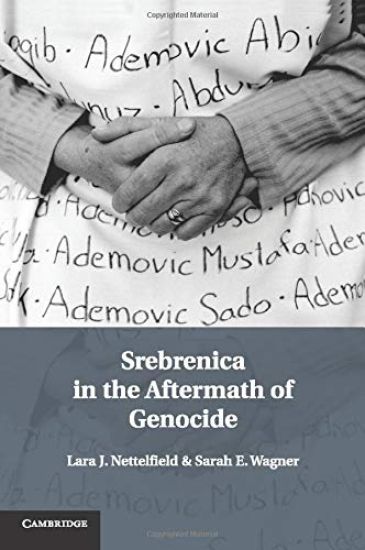
Srebrenica in the Aftermath of Genocide
Lara J. Nettelfield; Sarah E. Wagner
Cambridge University Press
2015
pokkari
The fall of the United Nations 'safe area' of Srebrenica in July 1995 to Bosnian Serb and Serbian forces stands out as the international community's most egregious failure to intervene during the Bosnian war. It led to genocide, forced displacement and a legacy of loss. But wartime inaction has since spurred numerous postwar attempts to address the atrocities' effects on Bosnian society and its diaspora. Srebrenica in the Aftermath of Genocide reveals how interactions between local, national and international interventions - from refugee return and resettlement to commemorations, war crimes trials, immigration proceedings and election reform - have led to subtle, positive effects of social repair, despite persistent attempts at denial. Using an interdisciplinary approach, diverse research methods, and more than a decade of fieldwork in five countries, Lara J. Nettelfield and Sarah E. Wagner trace the genocide's reverberations in Bosnia and abroad. The findings of this study have implications for research on post-conflict societies around the world.

Vila GTO Rte Net. a Tanita Sterv E S a Rea Vonatkozo Utasita Sok Nyoma N Gymnasiumi Haszna Latra Irta Szo Lgye My J.
Ja Nos Szo Lgye My
British Library, Historical Print Editions
2012
pokkari
Lista Alfabetica Y Cronologica De Los Senores Empleados E Individuos Matriculados En El Ilustre Y Nacional Colegio De Abogados
Imprenta De J. M. Lara Publisher
KESSINGER PUBLISHING, LLC
2010
pokkari
Memoria Sobre El Estado De La Agricultura E Industria De La Republica (1843)
J. M. Lara Publisher
KESSINGER PUBLISHING, LLC
2010
pokkari