

Kirjahaku
Etsi kirjoja tekijän nimen, kirjan nimen tai ISBN:n perusteella.
1000 tulosta hakusanalla Laura Kowalewski
Raum, Reiz und Rhythmus in Laszló Moholy-Nagys Entwurf zur "Dynamik der Gross-Stadt"
Laura Kowalewski
GRIN Verlag
2018
nidottu
Die Dekonstruktion von Metapher und Sprache. Über den Gattungsunterschied von Literatur und Philosophie
Laura Kowalewski
GRIN Verlag
2018
nidottu

Anna Atkins' "British Algae: Cyanotype Impressions". Über den bildgebenden Kontaktdruck und ästhetischen Eindruck
Laura Kowalewski
GRIN Verlag
2018
nidottu

Über Körper und Konflikte. Mona Hatoums "The Negotiating Table" (1983)
Laura Kowalewski
GRIN Verlag
2018
nidottu
Gustave Courbets "Les Casseurs de Pierres" (1849). Sinnbild seiner Epoche?
Laura Kowalewski
GRIN Verlag
2018
nidottu
Andrea Frasers Museum Highlights. Eine Dekonstruktion der Kritik der Institution
Laura Kowalewski
GRIN Verlag
2018
nidottu

Ästhetische Programme der Post-/Moderne. Clement Greenberg, Jean-François Lyotard und Rosalind Krauss
Laura Kowalewski
GRIN Verlag
2018
nidottu
Prestige, Preis, Popularität. Eine Diskursanalyse über den Wert der Kunst
Laura Kowalewski
GRIN Verlag
2018
nidottu

Perspektiven auf den Romantischen Konzeptualismus und deren Anwendung am Beispiel von Jan Timmes Werken
Laura Kowalewski
GRIN Verlag
2018
nidottu
Medien Macht Moderne. Kittlers Aufschreibesysteme 1800/1900
Laura Kowalewski
GRIN Verlag
2018
nidottu
Ancient Mesoamerica
Richard E. Blanton; Stephen A. Kowalewski; Gary M. Feinman; Laura M. Finsten
Cambridge University Press
1993
pokkari
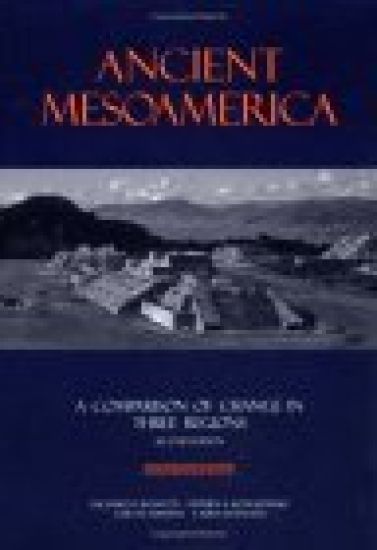
Mesoamerica has become one of the world's most important areas for research into the emergence of complex human societies. Between 10,000 years ago and the arrival of the Spanish in 1521, some of the most significant changes in the evolution of human societies occurred. These included the emergence of agriculture and sedentary villages, the growth of centralized governments (chiefdoms and states), and the rise of market systems, cities, and highly stratified social systems. In the 1970s and 1980s a number of ambitious research efforts produced exciting data on culture change in Mesoamerica. In this revised and updated 1993 edition of a book first published in 1981, the authors present a synthesis of Mesoamerican prehistory, focusing on three of its most intensively studied regions, the Valleys of Oaxaca and Mexico and the Maya lowlands. An original framework of ideas is developed to explain long-term change in complex societies.

In the doorway of an elegant New York apartment, blood seeps over silk negligee, over polished wood floors and plush carpet: a beautiful young woman lies dead, her face disfigured by a single gun shot. But who was Laura?

In a captivating departure, Larry Watson, "a writer whose work is worthy of prizes" ("Los Angeles Times Book Review"), unveils a portrait of faith, obsession, and enduring love -- and a work of greater tenderness than anything he has yet written. "Laura" Love captures Paul Finley, in, of all places, his own bedroom -- literally waking him from his dreams. The night he discovers Laura Pettit standing at his windowsill, Paul is eleven years old, a boy naturally inclined toward seriousness, precociously adept at the art of watching the world without being watched. Laura is twenty-two, a fiercely passionate and independent poet already experiencing the first flickers of fame, a beautiful woman on the brink of seducing Paul's father. No matter; Paul is smitten. When she leaves him to rejoin the grown-ups' party downstairs, Laura issues Paul a wholly impossible command, one that will haunt and consume both of them for the rest of their lives: "Forget me." Laying bare the inner life of one man during the course of nearly four decades, Larry Watson delivers a riveting treatise on the excruciating power of love -- and two of the most remarkable characters in recent American literature. Infused with breathtaking pathos and delicate grace, "Laura" is an extraordinary triumph of the novelist's art.
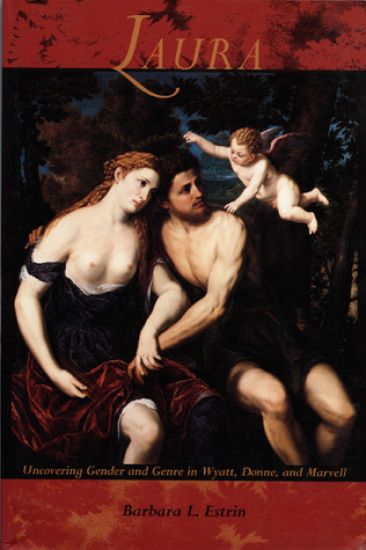
How do men imagine women? In the poetry of Petrarch and his English successors-Wyatt, Donne, and Marvell-the male poet persistently imagines pursuing a woman, Laura, whom he pursues even as she continues to deny his affections. Critics have long held that, in objectifying Laura, these male-authored texts deny the imaginative, intellectual, and physical life of the woman they idealize. In Laura, Barbara L. Estrin counters this traditional view by focusing not on the generative powers of the male poet, but on the subjectivity of the imagined woman and the imaginative space of the poems she occupies. Through close readings of the Rime sparse and the works of Wyatt, Donne, and Marvell, Estrin uncovers three Lauras: Laura-Daphne, who denies sexuality; Laura-Eve, who returns the poet’s love; and Laura-Mercury, who reinvents her own life. Estrin claims that in these three guises Laura subverts both genre and gender, thereby introducing multiple desires into the many layers of the poems. Drawing upon genre and gender theories advanced by Jean-FranÇois Lyotard and Judith Butler to situate female desire in the poem’s framework, Estrin shows how genre and gender in the Petrarchan tradition work together to undermine the stability of these very concepts.Estrin’s Laura constitutes a fundamental reconceptualization of the Petrarchan tradition and contributes greatly to the postmodern reassessment of the Renaissance period. In its descriptions of how early modern poets formulate questions about sexuality, society and poetry, Laura will appeal to scholars of the English and Italian Renaissance, of gender studies, and of literary criticism and theory generally.
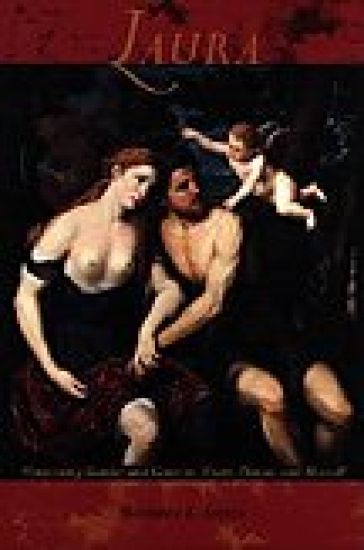
How do men imagine women? In the poetry of Petrarch and his English successors-Wyatt, Donne, and Marvell-the male poet persistently imagines pursuing a woman, Laura, whom he pursues even as she continues to deny his affections. Critics have long held that, in objectifying Laura, these male-authored texts deny the imaginative, intellectual, and physical life of the woman they idealize. In Laura, Barbara L. Estrin counters this traditional view by focusing not on the generative powers of the male poet, but on the subjectivity of the imagined woman and the imaginative space of the poems she occupies. Through close readings of the Rime sparse and the works of Wyatt, Donne, and Marvell, Estrin uncovers three Lauras: Laura-Daphne, who denies sexuality; Laura-Eve, who returns the poet’s love; and Laura-Mercury, who reinvents her own life. Estrin claims that in these three guises Laura subverts both genre and gender, thereby introducing multiple desires into the many layers of the poems. Drawing upon genre and gender theories advanced by Jean-FranÇois Lyotard and Judith Butler to situate female desire in the poem’s framework, Estrin shows how genre and gender in the Petrarchan tradition work together to undermine the stability of these very concepts.Estrin’s Laura constitutes a fundamental reconceptualization of the Petrarchan tradition and contributes greatly to the postmodern reassessment of the Renaissance period. In its descriptions of how early modern poets formulate questions about sexuality, society and poetry, Laura will appeal to scholars of the English and Italian Renaissance, of gender studies, and of literary criticism and theory generally.