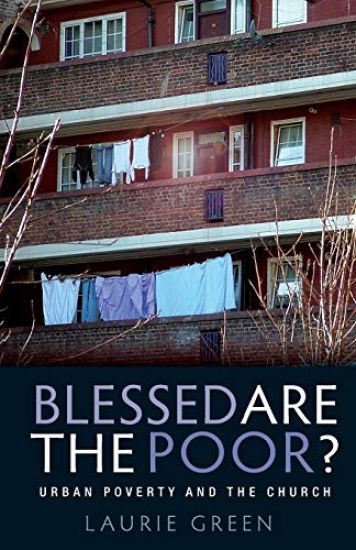
Listening intently to what the poor have to say is Laurie Green’s way into a new study of Jesus’ most famous Beatitude – Blessed are the Poor. Combining years of pavement level experience with informed biblical analysis he sets out for us how the perspective of the poor opens us up to new biblical and theological insights. These issue in a radical rethink about mission and what it means to be Church in a post-secular society. The book introduces us to Britain’s poorest housing estates and uses the radical edge of contextual theology to present a prophetic challenge to each one of us, and to a Church which is reluctant to respond seriously to the challenges of the Beatitudes.
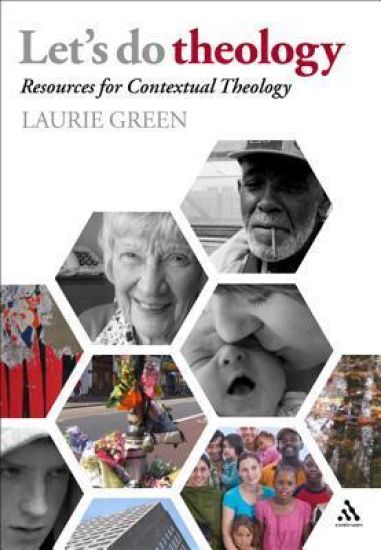
An updated, new edition of a critically acclaimed set text on Contextual Theological Method. Let's Do Theology is an intensely practical book drawing examples from parish life and educational experience in the UK and overseas. It describes how to strike the balance between unthinking but faithful action and careful theological reflection. The book offers a proven method for contextual theology, with full analysis and radical critique. It enables ordinary women and men to take part in the theological enterprise (democratizing theology).
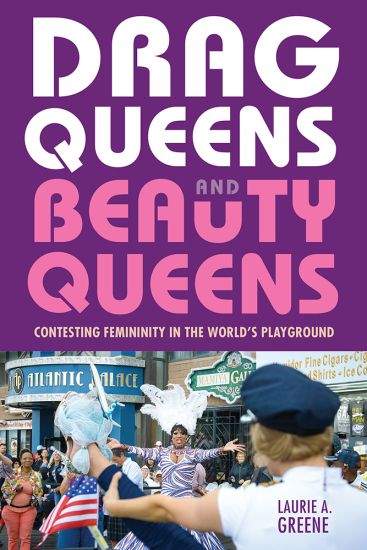
The Miss America pageant has been held in Atlantic City for the past hundred years, helping to promote the city as a tourist destination. But just a few streets away, the city hosts a smaller event that, in its own way, is equally vital to the local community: the Miss’d America drag pageant. Drag Queens and Beauty Queens presents a vivid ethnography of the Miss’d America pageant and the gay neighborhood from which it emerged in the early 1990s as a moment of campy celebration in the midst of the AIDS crisis. It examines how the pageant strengthened community bonds and activism, as well as how it has changed now that Rupaul’s Drag Race has brought many of its practices into the cultural mainstream. Comparing the Miss’d America pageant with its glitzy cisgender big sister, anthropologist Laurie Greene discovers how the two pageants have influenced each other in unexpected ways. Drag Queens and Beauty Queens deepens our understanding of how femininity is performed at pageants, exploring the various ways that both the Miss’d America and Miss America pageants have negotiated between embracing and critiquing traditional gender roles. Ultimately, it celebrates the rich tradition of drag performance and the community it engenders.
The Miss America pageant has been held in Atlantic City for the past hundred years, helping to promote the city as a tourist destination. But just a few streets away, the city hosts a smaller event that, in its own way, is equally vital to the local community: the Miss’d America drag pageant. Drag Queens and Beauty Queens presents a vivid ethnography of the Miss’d America pageant and the gay neighborhood from which it emerged in the early 1990s as a moment of campy celebration in the midst of the AIDS crisis. It examines how the pageant strengthened community bonds and activism, as well as how it has changed now that Rupaul’s Drag Race has brought many of its practices into the cultural mainstream. Comparing the Miss’d America pageant with its glitzy cisgender big sister, anthropologist Laurie Greene discovers how the two pageants have influenced each other in unexpected ways. Drag Queens and Beauty Queens deepens our understanding of how femininity is performed at pageants, exploring the various ways that both the Miss’d America and Miss America pageants have negotiated between embracing and critiquing traditional gender roles. Ultimately, it celebrates the rich tradition of drag performance and the community it engenders.
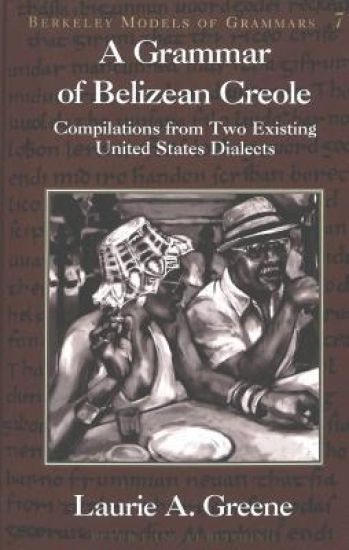
In New Orleans and the boroughs of New York City, varieties of Belizean Creole are spoken within immigrant communities. This text provides a grammatical description and comparison of these two expatriate varieties of the Caribbean Creole language, Belizean Creole. The grammar is unusual in that it incorporates cultural and social variables in the formal grammatical analysis, describing linguistic -performance- as well as communal -competence.- Two appendices are included containing an abridged Belizean Creole-English dictionary and a group of sample dialogues that have been phonetically transcribed and translated."
African American freedom is often defined in terms of emancipation and civil rights legislation, but it did not arrive with the stroke of a pen or the rap of a gavel. No single event makes this more plain, Laurie Green argues, than the 1968 Memphis sanitation workers' strike, which culminated in the assassination of Martin Luther King Jr. Exploring the notion of ""freedom"" in postwar Memphis, Green demonstrates that the civil rights movement was battling an ongoing ""plantation mentality"" based on race, gender, and power that permeated southern culture long before - and even after - the groundbreaking legislation of the mid-1960s. With its slogan ""I AM a Man!"", the Memphis strike provides a clarion example of how the movement fought for a black freedom that consisted of not only constitutional rights but also social and human rights. As the sharecropping system crumbled and migrants streamed to the cities during and after World War II, the struggle for black freedom touched all aspects of daily life. Green traces the movement to new locations, from protests against police brutality and racist movie censorship policies to innovations in mass culture, such as black-oriented radio stations. Incorporating scores of oral histories, Green demonstrates that the interplay of politics, culture, and consciousness is critical to truly understanding freedom and the black struggle for it.
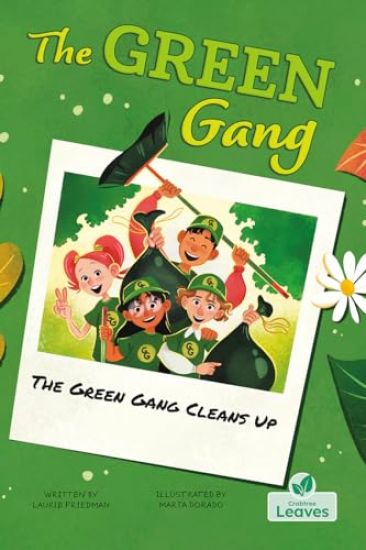
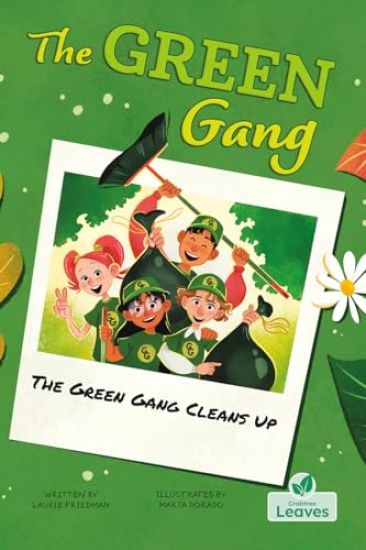
When the GREEN GANG sees the amount of trash at their local park, they spring into action. What steps will the GREEN GANG take to make the park a cleaner place for everyone to enjoy? Also includes a page for caregivers and teachers that suggests guiding questions to help aid in reading comprehension. Downloadable Teacher Notes available.
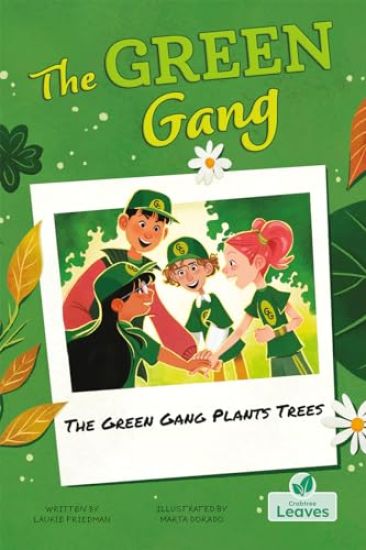
When the GREEN GANG learns about the importance of planting trees to slow global warming, they spring into action. What steps will the GREEN GANG take to make a difference at their school? Also includes a page for caregivers and teachers that suggests guiding questions to help aid in reading comprehension. Downloadable Teacher Notes available.
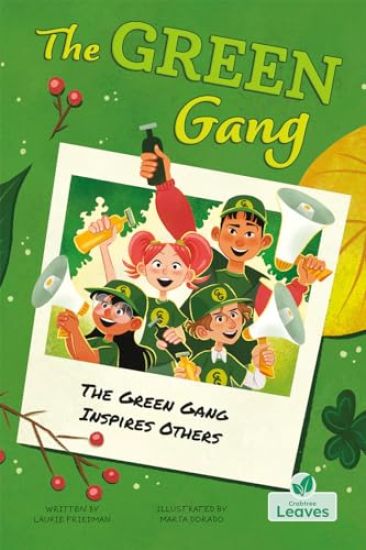
When the GREEN GANG learns about the importance of every person doing what they can to reduce waste, they spring into action. What steps will the GREEN GANG take to inspire others to make a difference? Downloadable Teacher Notes available.
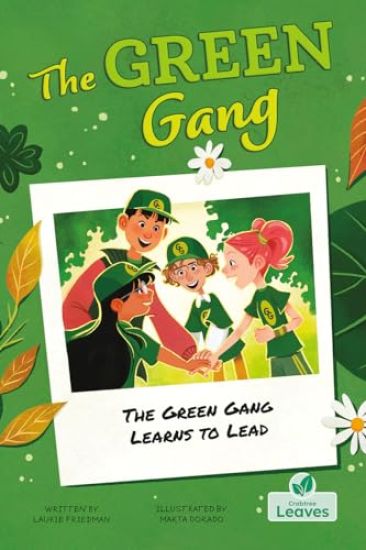
The GREEN GANG decides they want to share their knowledge about living a green lifestyle with younger kids at their school. What steps will the GREEN GANG take to get others to follow their lead? Also includes a page for caregivers and teachers that suggests guiding questions to help aid in reading comprehension. Downloadable Teacher Notes available.
When the GREEN GANG sees the amount of trash at their local park, they spring into action. What steps will the GREEN GANG take to make the park a cleaner place for everyone to enjoy? Also includes a page for caregivers and teachers that suggests guiding questions to help aid in reading comprehension. Downloadable Teacher Notes available.
When the GREEN GANG learns about the importance of every person doing what they can to reduce waste, they spring into action. What steps will the GREEN GANG take to inspire others to make a difference? Downloadable Teacher Notes available.
The GREEN GANG decides they want to share their knowledge about living a green lifestyle with younger kids at their school. What steps will the GREEN GANG take to get others to follow their lead? Also includes a page for caregivers and teachers that suggests guiding questions to help aid in reading comprehension. Downloadable Teacher Notes available.