Kirjojen hintavertailu. Mukana 11 244 527 kirjaa ja 12 kauppaa.

Kirjahaku

Etsi kirjoja tekijän nimen, kirjan nimen tai ISBN:n perusteella.

1000 tulosta hakusanalla Lawrence Woods

Edward Shelley's Journal, 1856-61

Edward Shelley's Journal, 1856-61

Lawrence Woods

AuthorHouse
2005
sidottu
Fresh from a stint recruiting Albanians to fight the Cossacks in the Crimean War, Edward Shelley embarked for South America, to avoid tiresome (and embarrassing) Parliamentary hearings back home. Thus began a trip around the world over the next 52 months, as he searched for adventure and new scenes to explore, stopping at intervals to collect traveling money from home. Shelley found adventure in full measure, crossing the Andes, passing through revolution-ravaged Mexico, sleeping alongside an erupting Hawaiian volcano and following invading British and French armies into China; and even close brushes with death receive only laconic mention in his journal. Annotations of the journal typescript explain journal some obscure entries and provide the historical and geographical context for his travels.
Edward Shelley's Journal, 1856-61

Edward Shelley's Journal, 1856-61

Lawrence Woods

AuthorHouse
2005
pokkari
Fresh from a stint recruiting Albanians to fight the Cossacks in the Crimean War, Edward Shelley embarked for South America, to avoid tiresome (and embarrassing) Parliamentary hearings back home. Thus began a trip around the world over the next 52 months, as he searched for adventure and new scenes to explore, stopping at intervals to collect traveling money from home. Shelley found adventure in full measure, crossing the Andes, passing through revolution-ravaged Mexico, sleeping alongside an erupting Hawaiian volcano and following invading British and French armies into China; and even close brushes with death receive only laconic mention in his journal. Annotations of the journal typescript explain journal some obscure entries and provide the historical and geographical context for his travels.
William Jefferson Hardin and the Ghost of Slavery
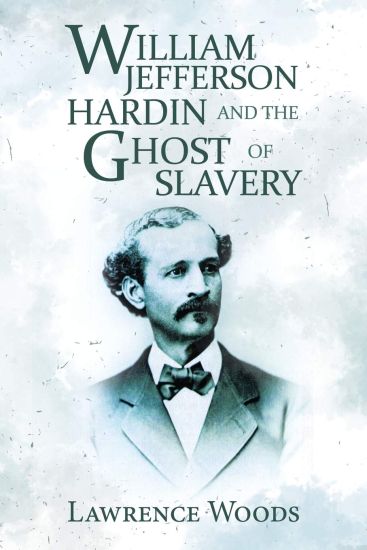
Early in his life, Hardin knew he was born a free person of color, and by the time he was twenty, he knew he had a more comprehensive education than most of the white men of his age. In the West, he actually looked French or Spanish, but he still was proud that he was of one-eighth African descent. In 1850 Hardin was twenty, when the Fugitive Slave Law created a terrible threat to a free person of color, as slave-catchers then roamed the northern states, seeking people they could seize, process through the poor enforcement of the law, and resell southward. He soon moved to Canada, as a safer place to live, but "didn't like" that country, and returned to Wisconsin (a part of the old Northwest Territory, where slavery was illegal). Then in 1857, the Supreme Court said that people of African descent were "inferior," whether slave or free. In Colorado in 1863, Hardin was a barber, that favorite occupation of African American men, who associated with the upper classes of white men, and if personable-as Hardin was-made valuable friends. Soon he was speaking to "overflow" crowds, even though he was telling the story of a Haitian slave's successful revolt against the French. He even got a job with the Denver mint. But although he had never been a slave, the ghost of slavery still lurked behind him, and an editor, writing about the mint job, said that Hardin had an "ugly black mug."
William Jefferson Hardin and the Ghost of Slavery
Early in his life, Hardin knew he was born a free person of color, and by the time he was twenty, he knew he had a more comprehensive education than most of the white men of his age. In the West, he actually looked French or Spanish, but he still was proud that he was of one-eighth African descent. In 1850 Hardin was twenty, when the Fugitive Slave Law created a terrible threat to a free person of color, as slave-catchers then roamed the northern states, seeking people they could seize, process through the poor enforcement of the law, and resell southward. He soon moved to Canada, as a safer place to live, but "didn't like" that country, and returned to Wisconsin (a part of the old Northwest Territory, where slavery was illegal). Then in 1857, the Supreme Court said that people of African descent were "inferior," whether slave or free. In Colorado in 1863, Hardin was a barber, that favorite occupation of African American men, who associated with the upper classes of white men, and if personable-as Hardin was-made valuable friends. Soon he was speaking to "overflow" crowds, even though he was telling the story of a Haitian slave's successful revolt against the French. He even got a job with the Denver mint. But although he had never been a slave, the ghost of slavery still lurked behind him, and an editor, writing about the mint job, said that Hardin had an "ugly black mug."
Tiger Woods

Tiger Woods

Lawrence J. Londino

Greenwood Press
2010
sidottu
This comprehensive biography of Tiger Woods looks at where he came from, his sports accomplishments and philanthropic efforts, and the effect he has had on sports history, marketing, and broadcasting. Tiger Woods: A Biography, Second Edition updates the 2005 edition to examine the life and career of this phenomenal athlete through the 2009 PGA Championship. The book provides information about Woods's parents and his upbringing, early life, and outstanding accomplishments as a professional golfer. It also covers Tiger's philanthropic activities including the Tiger Woods Foundation, a global organization that provides innovative educational opportunities to youth, the Tiger Woods Learning Center, and the Earl Woods Scholarship Program established to honor the spirit and vision of Tiger's father. Recognizing that the opportunities Woods has had were hard won by early African American golfers—who were denied the right to play on the PGA Tour until 1961—the book also includes a chapter on these pioneers. The volume is rounded out with a brief history of broadcasting and sports, as well as a look at the relationship between athletes and sponsors.
Pan - God of The Woods

Pan - God of The Woods

Lawrence Spencer

Lulu.com
2007
pokkari
Pan, the Greek god of forests, shepherds and fertility, has long represented the pagan gods in general. With the advent of the Christian church communication with the pagan gods was very heavily suppressed by priests who have a vested interest in eliminating religious competition, by any means required, including, but not limited to lying, stealing, cheating, murder, mayhem, extortion, torture and blackmail. As a result, general public attention to the pagan gods disappeared about 2,000 years ago. PAN-God of the Woods assumes that the pagan gods may still be active, living beings. If any of the ancient gods are still around in the 21st century, what are they doing now? If they are here now -- still watching, still powerful, still immortal -- where or how might we contact them? If Pan is still around which of us mortals could not use the helping hand of a friendly god once in awhile? -- Lawrence R. Spencer
What Happened in the Woodshed

What Happened in the Woodshed

Lawrence R. Ricci M.D.; Stephen Ludwig

Praeger Publishers Inc
2018
sidottu
A riveting exposé of child abuse in America and how the newest breed of pediatricians determines what happened, why, and at whose hands.Although more than one million children are abused each year in the United States, child abuse often remains a secret to family members, professionals, and politicians who neither see nor understand it. Child abuse pediatricians are the newest breed of pediatricians, specialized in exposing abuse. With detective-like acumen, child abuse pediatricians deduce through careful medical analysis who has abused and who has been abused. Describing the most compelling cases among the thousands that they have evaluated, author Lawrence Ricci reveals the trauma, pain, disability, and sometimes death that abused children experience at the hands of trusted adults.This gripping look at the dark side of American families is about good parents and poor ones, perpetrators and victims, and collateral victims such as innocent family members. It is also about the professionals who have made it their career to expose child abuse and to treat children who have suffered from it. The conclusion calls for systematic changes that could help to stem the tide of child abuse.
A Magical Guide to the Woods: Folklore, History and Spells

A Magical Guide to the Woods: Folklore, History and Spells

Sandra Lawrence

Welbeck Children's Books
2026
sidottu
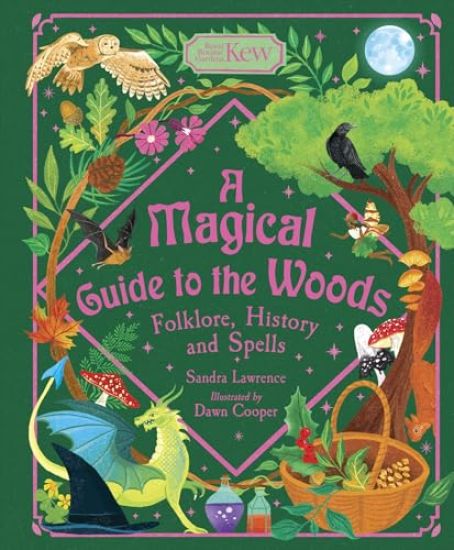
Madame Volare, apothecarist and witch extraordinaire invites you to be her apprentice and learn about the world's most magical trees. For centuries, our ancestors looked to trees not just for shelter but for healing and pure magic. From towering bamboo to sturdy oaks, this is a beautifully illustrated and fascinating exploration of more than fifty of the world's most magical trees, their uses, folklore and history. Respect and marvel at the pure magic of the natural world and how you can harness its power for your own health and happiness.