Kirjahaku
Etsi kirjoja tekijän nimen, kirjan nimen tai ISBN:n perusteella.
1000 tulosta hakusanalla Lloyd M Perry; John R Strubhar
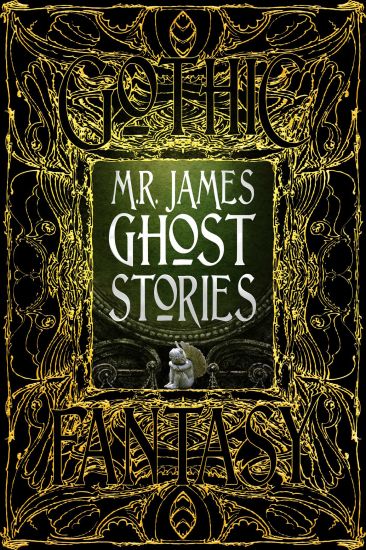
M.R. James's celebrated ghost stories resonate still, their chilling narratives drawing us unsuspecting into the deadly shadows. His tales are haunted, bleak disturbances of the soul, carefully crafted from the stuff of human fears. A towering presence in literature, TV and the movies, his work is much admired today. A deluxe edition, this sinister new collection offers many of his most famous tales, with some of the less well known, including: 'Oh, Whistle, and I'll Come to You, My Lad', 'Canon Alberic’s Scrap-Book', 'The Mezzotint', 'The Fenstanton Witch', 'The Experiment' and 'Wailing Well'. The Flame Tree Gothic Fantasy, Classic Stories and Epic Tales collections bring together the entire range of myth, folklore and modern short fiction. Highlighting the roots of suspense, supernatural, science fiction and mystery stories, the books in Flame Tree Collections series are beautifully presented, perfect as a gift and offer a lifetime of reading pleasure.

The Reminiscences of Vice Adm. Lloyd M. Mustin, USN (Ret.), vol. 1
Naval Institute Press
1981
sidottu
This is the longest oral history, in terms of number of interviews and number of words, ever conducted by the Naval Institute. Between the two volumes, the transcript comprises nearly 600,000 words of text. The first volume begins with a discussion of the Mustin family background. The admiral’s father, Captain Henry C. Mustin, was a pioneer in U.S. naval aviation. Lloyd Mustin graduated from the Naval Academy in the class of 1932 and embarked on a career that was rich in surface warfare experience. He served from 1932 to 1936 in the crew of the heavy cruiser Augusta (CA-31); one of the skippers during that time was Captain Chester Nimitz. Mustin served from 1936 to 1938 in the destroyer Lamson (DD-367), then was a postgraduate student in ordnance and fire control, 1938-40. In 1940-41 he was at the Dahlgren Proving Ground and the Naval Gun Factory in ordnance development. As the nation embarked in World War II, Mustin was in the crew of the light cruiser USS Atlanta (CL-51) in 1941-42, during her entire commissioned service. He describes his experiences in the night surface battle off Guadalcanal in November 1942 that resulted in the sinking of the cruiser. After that, 1942-43, he served on the staff of Commander Naval Bases, Solomon Islands. Returning to sea duty, he served in early 1943 in the light cruiser USS San Diego (CL-53). In 1943-44 he was gunnery officer in the commissioning crew of the light cruiser USS Miami (CL-89) and was on board during combat operations in the Pacific. This volume begins in late 1944 when Mustin transferred to the staff of Vice Admiral Willis A. Lee, Jr., Commander Battleship Squadron Two, during the course of combat operations in the Western Pacific. In the spring of 1945 Lee and Mustin returned to the United States to establish Composite Task Force, Atlantic Fleet, in order to devise methods for dealing with Japanese kamikazes. After Lee’s death, the command transformed into the Operational Development Force, and Mustin remained on the staff of the new organization. He subsequently served in 1946-48 in the research division of the Bureau of Ordnance. From 1948 to 1950 he commanded the destroyer USS Keppler (DD-765). Subsequent duties were heavy on destroyer experience: 1950-51, on the staff of Commander Destroyer Force, Atlantic Fleet; 1951-54, Weapons Systems Evaluation Group; 1954-55, command of the destroyer tender USS Piedmont (AD-17); 1956-57, command of Destroyer Squadron 13; 1957-58, chief of staff to Commander Cruiser-Destroyer Force Pacific Fleet; 1958-59, command of Destroyer Flotilla Two. While serving as the flotilla commander as a rear admiral, Mustin was in command of Project Argus high-altitude nuclear weapons tests in the South Atlantic. In 1959-60 he commanded Key West Naval Base; the transcript contains interesting stories about the flag quarters, which had served as Little White House for President Harry S. Truman. In 1960-61 Mustin headed the Antisubmarine Warfare Readiness Executive in OpNav. Then, from 1961 to 1964 he was as Deputy Commander and later Commander Joint Task Force Eight during nuclear weapons tests in the Pacific. The tests were the last conducted in the atmosphere by the United States before the adoption of a nuclear weapons testing ban that President John F. Kennedy had pushed for.
The Reminiscences of Vice Adm. Lloyd M. Mustin, USN (Ret.), vol. 2
Naval Institute Press
2020
sidottu
This is the longest oral history, in terms of number of interviews and number of words, ever conducted by the Naval Institute. Between the two volumes, the transcript comprises nearly 600,000 words of text. The first volume begins with a discussion of the Mustin family background. The admiral’s father, Captain Henry C. Mustin, was a pioneer in U.S. naval aviation. Lloyd Mustin graduated from the Naval Academy in the class of 1932 and embarked on a career that was rich in surface warfare experience. He served from 1932 to 1936 in the crew of the heavy cruiser Augusta (CA-31); one of the skippers during that time was Captain Chester Nimitz. Mustin served from 1936 to 1938 in the destroyer Lamson (DD-367), then was a postgraduate student in ordnance and fire control, 1938-40. In 1940-41 he was at the Dahlgren Proving Ground and the Naval Gun Factory in ordnance development. As the nation embarked in World War II, Mustin was in the crew of the light cruiser USS Atlanta (CL-51) in 1941-42, during her entire commissioned service. He describes his experiences in the night surface battle off Guadalcanal in November 1942 that resulted in the sinking of the cruiser. After that, 1942-43, he served on the staff of Commander Naval Bases, Solomon Islands. Returning to sea duty, he served in early 1943 in the light cruiser USS San Diego (CL-53). In 1943-44 he was gunnery officer in the commissioning crew of the light cruiser USS Miami (CL-89) and was on board during combat operations in the Pacific. This volume begins in late 1944 when Mustin transferred to the staff of Vice Admiral Willis A. Lee, Jr., Commander Battleship Squadron Two, during the course of combat operations in the Western Pacific. In the spring of 1945 Lee and Mustin returned to the United States to establish Composite Task Force, Atlantic Fleet, in order to devise methods for dealing with Japanese kamikazes. After Lee’s death, the command transformed into the Operational Development Force, and Mustin remained on the staff of the new organization. He subsequently served in 1946-48 in the research division of the Bureau of Ordnance. From 1948 to 1950 he commanded the destroyer USS Keppler (DD-765). Subsequent duties were heavy on destroyer experience: 1950-51, on the staff of Commander Destroyer Force, Atlantic Fleet; 1951-54, Weapons Systems Evaluation Group; 1954-55, command of the destroyer tender USS Piedmont (AD-17); 1956-57, command of Destroyer Squadron 13; 1957-58, chief of staff to Commander Cruiser-Destroyer Force Pacific Fleet; 1958-59, command of Destroyer Flotilla Two. While serving as the flotilla commander as a rear admiral, Mustin was in command of Project Argus high-altitude nuclear weapons tests in the South Atlantic. In 1959-60 he commanded Key West Naval Base; the transcript contains interesting stories about the flag quarters, which had served as Little White House for President Harry S. Truman. In 1960-61 Mustin headed the Antisubmarine Warfare Readiness Executive in OpNav. Then, from 1961 to 1964 he was as Deputy Commander and later Commander Joint Task Force Eight during nuclear weapons tests in the Pacific. The tests were the last conducted in the atmosphere by the United States before the adoption of a nuclear weapons testing ban that President John F. Kennedy had pushed for.

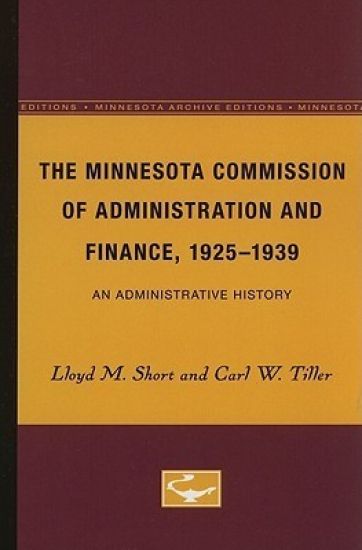
The Minnesota Commission of Administration and Finance, 1925-1939
Lloyd M. Short; Carl W. Tiller
University of Minnesota Press
1942
nidottu
The Minnesota Commission of Administration and Finance, 1925-1939 was first published in 1964. Minnesota Archive Editions uses digital technology to make long-unavailable books once again accessible, and are published unaltered from the original University of Minnesota Press editions.
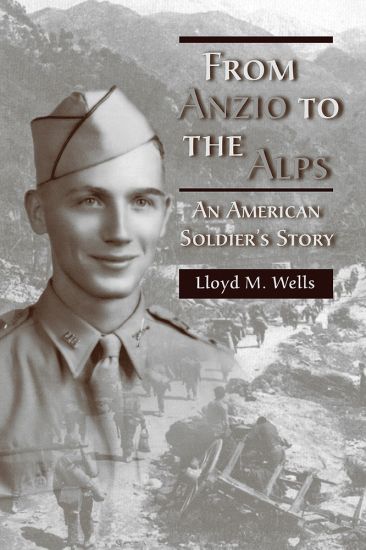
This compelling work is Lloyd M. Wells's firsthand account of World War II based on a journal he kept during the war, letters he sent home, and personal records, as well as recollections of people and events.In June 1941, the twenty-one-year-old Wells was drafted into the army. He was commissioned second lieutenant after he attended O.C.S. and was later promoted to first lieutenant with the First Armored Division. He saw action in North Africa, Italy, and Germany and was awarded the Combat Infantry Badge, the Purple Heart, and the Bronze Star.Wells offers the reader information that has never before been provided. He tells exactly what happened to 2/7 Queens on the night of February 21, 1944, when the troops came up to "the caves" at Anzio. He also depicts what happened during the last offensive in Italy and what armored infantry troops experienced on the perimeter of the attack. This book, however, is not just a story of battle actions. It is a personal story about the "old Army" and how young soldiers were transformed by it during one of the greatest upheavals in world history.Wells's goal in writing this book was to leave behind "an account of a simpler time and of the funny, sad, terrorizing, and tender moments of a war which, with the death of each man or woman who lived through it, recedes just a little bit further into the nation's past." He accomplished that and so much more.

Organization to Integrate Private Industrial, Foundational, and University Research and Development Work into the Army Technical Program
Lloyd M Reiser
Biblioscholar
2012
pokkari

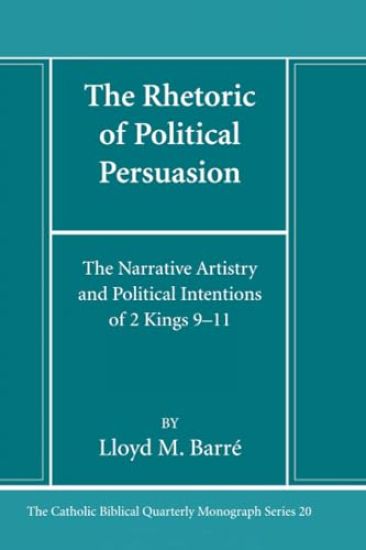
2 Kings 9-11 which details the events that led to the overthrow of Jehoram, king of Israel, and of Athaliah queen of Judah, is considered to be one of the finest examples of classical Hebrew narrative. This work deals with the text's composition (including the literary relationship of 2 Kgs 11 tro 2 Kgs 9-10), the literary dimensions of the work, and an appreciation of the artistic techniques that the author employed to convey his message effectively.

2 Kings 9-11 which details the events that led to the overthrow of Jehoram, king of Israel, and of Athaliah queen of Judah, is considered to be one of the finest examples of classical Hebrew narrative. This work deals with the text's composition (including the literary relationship of 2 Kgs 11 tro 2 Kgs 9-10), the literary dimensions of the work, and an appreciation of the artistic techniques that the author employed to convey his message effectively.

The ability to combine existing polymers into new compositions with commercializable properties offers the advantage of reduced research and development expense compared to the development of new monomers and polymers to yield a similar property profile. This book offers a comprehensive overview of this important field.

Deceptions and Myths of the Bible: The True Origins of the Stories of Adam and Eve, Noah's Flood, the Tower of Babel, Moses and Mount Sinai, the Proph
Lloyd M. Graham
Skyhorse Publishing
2012
nidottu
Lloyd M. Graham is out to show that the Bible, both the Old and New Testaments as we know them, are not "holy" nor are they the "word of God" revealed. The stories of the Bible were set down by power-seeking priests eager to inspire awe and to gather flocks who would take part in their rites and rituals, and they weren't very original, either. In Deceptions and Myths of the Bible, Graham reintroduces us to the true origins of Adam and Eve, who were derived from a Babylonian account; to the story of Noah's flood, which was the result of over four hundred years of flood accounts from various ancient civilizations; to the man named Moses who was fashioned after the Syrian story of Mises; and even to the laws of the Bible, which were patterned after the Babylonian Code of Hammurabi. Graham points out the 137 similarities between the story of Jesus and the story of the Egyptian god Horus, and the hundreds and hundreds of similarities between the story of Christ and the Hindu god Krishna. For any reader interested in history or theology, Graham's book is essential, eye-opening, and controversial reading. If you are an atheist, you'll be eager to read these arguments in support of your beliefs. If you are agnostic, you will want to have this evidence at your fingertips as you weigh systems of belief and disbelief. If you are religious, you will want to know how your faith came into being and how a study of history might shake or support your beliefs.

Mediumship Made Simple: A Step by Step Guide to Connecting With Spirit
Lynn Lloyd M. a. Ed
Createspace Independent Publishing Platform
2011
nidottu

The Principal's Guide to School Budgeting
Richard D. Sorenson; Lloyd M. Goldsmith
SAGE PUBLICATIONS INC
2024
nidottu
Align your school budget with your vision for student achievement Since 2006, The Principal's Guide to School Budgeting has been a best-seller, supporting thousands of principals in navigating the complex process of school budgeting. This fourth edition hones in on the message that a school budget should be a reflection of the school’s vision for student growth, an open culture, and a positive school climate. This edition offers new information on how national and state reform and political practices affect school allocations and emphasizes the need for appropriate budget visioning, planning, analysis, and needs assessment. Covering the budgeting process, effective budgeting practices, accounting and auditing procedures, and building the school budget within a collaborative decision-making context, this comprehensive guide includes: In-chapter vignettes and discussion questionsCase study applications and experiential exercisesA budget development projectNew discussion of technology's impact on budgetary practices, phishing scams, and fundraising The Principal's Guide to School Budgeting is an essential resource for practicing and aspiring school administrators who want to master their accounting and auditing procedures. By effectively managing the school budgeting process, principals can contribute to improved student achievement and strengthen connections with the school community.