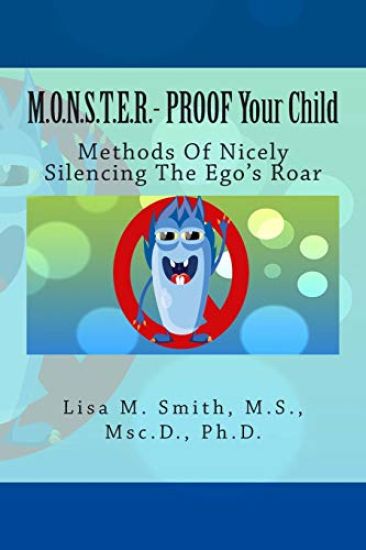
This book looks at ways of parenting the whole child using simple and practical ideas. It defines and discusses the importance of authentic play and how it shapes the brain. It also describes what conscious parenting is and how to utilize simple techniques and strategies to parent on purpose, consciously and peacefully (and easily implemented ) Lastly, it outlines parenting from a brain-based perspective. The concepts in this book can be utilized to foster a healthy mind, body and spirit of the developing child to nurture the "whole" child - who is Monster-Proof for life.
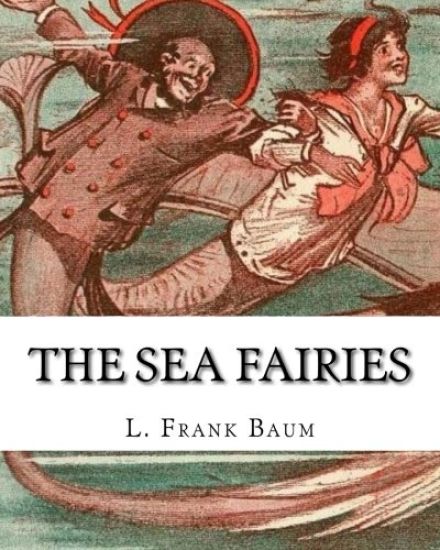
The Sea Fairies is a children's fantasy novel written by L. Frank Baum, illustrated by John R. Neill, and published in 1911 by the Reilly & Britton Company, the publisher of Baum's series of Oz books..... Lyman Frank Baum (May 15, 1856 - May 6, 1919), better known by his pen name L. Frank Baum, was an American author chiefly known for his children's books, particularly The Wonderful Wizard of Oz.He wrote thirteen novel sequels, nine other fantasy novels, and a host of other works (55 novels in total, plus four "lost works", 83 short stories, over 200 poems, an unknown number of scripts, and many miscellaneous writings), and made numerous attempts to bring his works to the stage and screen. His works anticipated such century-later commonplaces as television, augmented reality, laptop computers (The Master Key), wireless telephones (Tik-Tok of Oz), women in high risk, action-heavy occupations (Mary Louise in the Country), and the ubiquity of advertising on clothing (Aunt Jane's Nieces at Work).
"The River's Children: An Idyl of the Mississippi" by Ruth McEnery Stuart. Published by Good Press. Good Press publishes a wide range of titles that encompasses every genre. From well-known classics & literary fiction and non-fiction to forgotten-or yet undiscovered gems-of world literature, we issue the books that need to be read. Each Good Press edition has been meticulously edited and formatted to boost readability for all e-readers and devices. Our goal is to produce eBooks that are user-friendly and accessible to everyone in a high-quality digital format.
"Mom, if I had something to tell you. Would you be a mom or would you be a friend?" Those were the words that would be forever etched into Lisa's mind the night her daughter finally disclosed what her stepfather had been doing to her since the third grade.They Don't Tell is not about her daughter's abuse. It is a Mother's journey that puts a voice to the heartache, pain, anguish, shame, hurt, sheer rage, and utter disgust that a Mother suffers when discovering such horrifying news. She believes that the shame of sexual abuse has been misplaced onto the victim, a weight they should not bear. Her message to her daughter and every child who has ever been sexually abused and assaulted is this: "Hold your head up high. YOU have nothing to be ashamed of." This book will walk you through the pain, shame, and guilt from the despair to restoration, with prayers and scriptures, there is hope and help for you, YOU are not alone and just like Lisa and her daughter Nikki...You Can Survive through this
Strategies for Protecting Your Child's Immune System is the first book to focus on prevention of environmental damage to the immune system of embryos, babies and older children. It provides expecting and existing parents, their families and physicians with science-based information to protect and proactively manage their child's immune system. Environmental exposures (pollutants, allergens, drugs, diet, physical factors) in the home, school and community can damage the developing immune system and increase the risk of lifelong chronic diseases such as allergies, asthma, type 1 diabetes, celiac disease and neurological problems. This book imparts specific tools to parents and their physicians to help keep the early-life immune system out of harm's way and minimize environmental health risk.
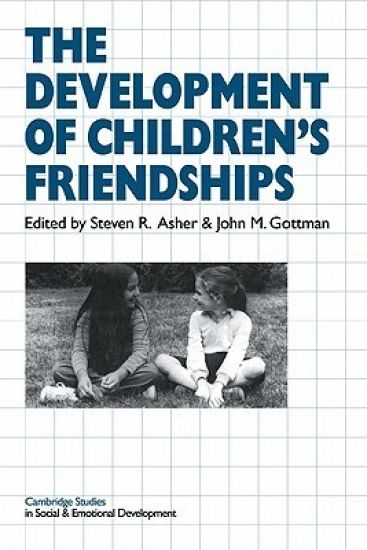
When this book was first published in 1978, it was only recently that researchers had begun to focus on children's peer relationships and the impact of these relationships on their development. The contributors to this volume view friendship as an important context for the study of a variety of cognitive and affective processes - from the perspectives of a wide range of disciplines. The volume poses an array of fascinating theoretical questions, and offers varied methodological tools for answering them. Some contributors present and review applied research addressed to conceptualizing and ameliorating peer relationship problems, whilst others reflect applied or policy-orientated concerns in chapters on racial integration and the integration of mentally retarded children into regular classrooms. A chapter on the scientific, political and social history of the interest in children's friendships and two summary chapters add to the usefulness of the book for students.
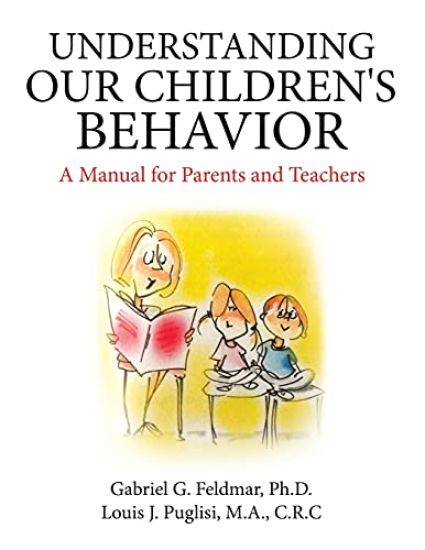
This is a practical and reader-friendly book. It covers in detail the philosophical, historical and psychiatric aspects of childhood mental illnesses. Methods of diagnosis and treatment are clearly described. Suggestions for preventive measures are offered. It is a valuable guide for parents interested in the better understanding of the emotional state of their sons and daughters. The beautiful illustrations will appeal to every child. Jovita Crasta, M.D. Psychiatrist This is an educational book covering important topics related to the mental health of children. Parents, teachers and children will benefit from the valuable information related to the early recognition, diagnosis and treatment of a variety of mental disorders. The chapters covering personality theories and effective parenting techniques are essential for the appreciation of children's psychological needs at various stages of development. The colorful illustrations will capture youngsters' interest, and will promote insights into the nature of their emotions. Pat Grosz, R.N., Ph.D. Child Development Specialist I found this book to be a very thorough and informative overview of the psychological disorders in children. The authors incorporate the historical work of some of psychology's and psychiatry's most influential and prominent scholars, as well as the current research to assist the reader in understanding the biological, psychological, familial, and social reasons for these disorders. The book further provides a very succinct and straightforward presentation of the treatments for mental illness that parents, teachers, and clinicians can utilize with children. The colorful illustrations contain age-appropriate information which youngsters can easily understand. This book is unique in its appeal to both adults and children in a creative combined fashion. Melissa Kiner, Psy.D. Psychologist Every parent's desire is to have healthy children who grow up to realize success and fulfillment. While promoting a happy life for their sons and daughters, parents protect, nurture, and educate their children. In most cases, their devoted parenting bears positive results. Still, the development journey can be bumpy and include unexpected physical and mental problems that may need to be recognized and resolved by both children and parents. Within an informative guide, Dr. Gabriel Feldmar and Louis Puglisi intertwine scientific research results with vivid illustrations and the experiences of two fictional characters to familiarize parents and children with the descriptions and symptoms associated with a variety of mental illnesses, and teachers and their pupils with the nature of psychological problems that may arise during development. Covered topics include the aspects of personality development; recommendations for effective parenting practices; the symptoms, treatment, and prevention of childhood mental disorders; and the consequences of the maltreatment of children that share insight into the biological and psychological treatment methods used by mental health professionals. Understanding Our Children's Behavior is a valuable resource that combines research results with illustrations to guide parents, teachers, and youngsters in recognizing and understanding emotional challenges.
Moral disagreement is commonly regarded as a threat to objective morality in scholarly circles and in popular culture--perhaps being one of the most significant objections against Christian theistic moral theory. Some skeptics argue that as people divide about what is right and wrong--often inciting moral evil and causing human suffering--the Christian view of an all-powerful, all-knowing, and all-good God behind morality is inconsistent. Accordingly, I'm Right/You're Wrong investigates whether moral disagreement abolishes the traditional Christian view of God and its accepted ontology of morality. It further analyzes and proposes the logical problem of moral disagreement, applying the methodology proposed by Christian philosopher Alvin Plantinga in his free-will defense. Moreover, this book discusses key theological and philosophical perspectives regarding God's omniscience, creational power, and the human attribute of free will.
Growing and changing can be painful. So easy it is to be coerced into confusion, so easy to forget nature as the model for humanity. This poetry collection holds a mirror up to everything under the sun and stars to realize the connection between us all.
The first chapters of this handbook deal with the basic reasons why many children raised in church today do not live a Christian life when they become adults, and what can be done about it. This book also covers the effects of our culture on our kids, and what we can do about that. Thirdly, this book contains a lot of practical information concerning communication with kids (including communication with teenagers), discipline of kids, and classroom management. Fundamental differences between effectively working with pre-adolescent children versus effectively working with teenagers are described in detail. Information is provided to help the parent or church worker teach and train kids about a wide range of vital topics, including sex, peer pressure, wisdom, schoolwork, finding a spouse, finances, finding a purpose in life, dealing with anger, and dealing with a culture that does not honor God. Foremost and most importantly, this book is all about helping your kids establish a strong, solid, unshakable relationship with the Living God. This handbook is for anybody who works with boys or girls. It is also for anybody working with teenagers, also known as adolescents or "youth". It is for parents and for those who work with kids but are not parents. This book is for folks with kids born yesterday, for people with kids born 20 years ago, or for anybody who thinks they might be responsible for a kid of some age at sometime in their life. This means that teenagers will benefit from this book These young people need to see the big picture regarding how adults should relate to children and teenagers. They need to see it now, before they have children of their own. Sales of this book support the ministry of True Life Church, located in Brier Creek, North Carolina. (www.mytruelife.org)
This book presents an early treatment model for toddlers. It describes the early life span development, trajectory, and future potential of toddlers and how it may be powerfully influenced by the protection and guidance of caregivers to meet toddlers’ physical and mental health needs. It offers an in-depth guide toParent-Child Interaction Therapy with Toddlers (PCIT-T), an evidence-based program for addressing and preventing behavior problems affecting young children’s development. The book details the innovative intervention design and how it guides clinicians in providing treatment for 12-month old to 24-month old toddlers with disruptive behaviors in addition to being used as a prevention model for caregivers experiencing stress of child rearing. PCIT-T focuses on core areas of social and emotional development, including behavior management and language skills, and can be used in dealing with difficulties as diverse as tantrums, language issues, autistic behaviors, and separation anxiety. Play therapy and compliance training in child-directed as well as parent-directed sessions are also examined. Initial chapters provide an overview of attachment and behavioral theory components that are foundational to the treatment model. Subsequent chapters provide a session-by-session guide and clinical manual for implementation of PCIT-T as well as the clinician tools needed to monitor treatment integrity and fidelity to the model. Topics featured in this book include:Core elements and treatment goals of PCIT-TA range of behavioral assessments used in PCIT-T.Instructions for room set-up, toy selection, and special considerations when providing PCIT-T treatment.Preparation guides for the pretreatment interview, assessment sessions, and weekly coaching sessions.The importance of child-directed interaction toddler (CDI-T) and parent-directed interaction toddler (PDI-T) in teaching children the necessary skills to regulate their emotions and develop self-control. Parent-Child Interaction Therapy with Toddlers is a must-have resource for clinicians and related professionals, researchers and professors, and graduate students in the fields of clinical child and school psychology, social work, pediatrics, infancy and early childhood development, child and adolescent psychiatry, primary care medicine, and related disciplines.
This book presents an early treatment model for toddlers. It describes the early life span development, trajectory, and future potential of toddlers and how it may be powerfully influenced by the protection and guidance of caregivers to meet toddlers’ physical and mental health needs. It offers an in-depth guide toParent-Child Interaction Therapy with Toddlers (PCIT-T), an evidence-based program for addressing and preventing behavior problems affecting young children’s development. The book details the innovative intervention design and how it guides clinicians in providing treatment for 12-month old to 24-month old toddlers with disruptive behaviors in addition to being used as a prevention model for caregivers experiencing stress of child rearing. PCIT-T focuses on core areas of social and emotional development, including behavior management and language skills, and can be used in dealing with difficulties as diverse as tantrums, language issues, autistic behaviors, and separation anxiety. Play therapy and compliance training in child-directed as well as parent-directed sessions are also examined. Initial chapters provide an overview of attachment and behavioral theory components that are foundational to the treatment model. Subsequent chapters provide a session-by-session guide and clinical manual for implementation of PCIT-T as well as the clinician tools needed to monitor treatment integrity and fidelity to the model. Topics featured in this book include:Core elements and treatment goals of PCIT-TA range of behavioral assessments used in PCIT-T.Instructions for room set-up, toy selection, and special considerations when providing PCIT-T treatment.Preparation guides for the pretreatment interview, assessment sessions, and weekly coaching sessions.The importance of child-directed interaction toddler (CDI-T) and parent-directed interaction toddler (PDI-T) in teaching children the necessary skills to regulate their emotions and develop self-control. Parent-Child Interaction Therapy with Toddlers is a must-have resource for clinicians and related professionals, researchers and professors, and graduate students in the fields of clinical child and school psychology, social work, pediatrics, infancy and early childhood development, child and adolescent psychiatry, primary care medicine, and related disciplines.