

Kirjahaku
Etsi kirjoja tekijän nimen, kirjan nimen tai ISBN:n perusteella.
105 tulosta hakusanalla Mandzhari Shukla
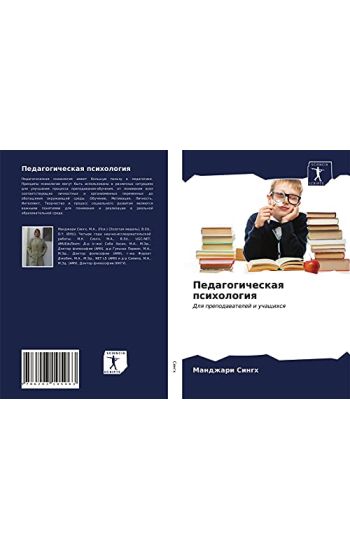

Vwedenie i obzor prezhdewremennyh rodow i nizkoj massy tela pri rozhdenii
Mandzhari Singh
Sciencia Scripts
2021
nidottu

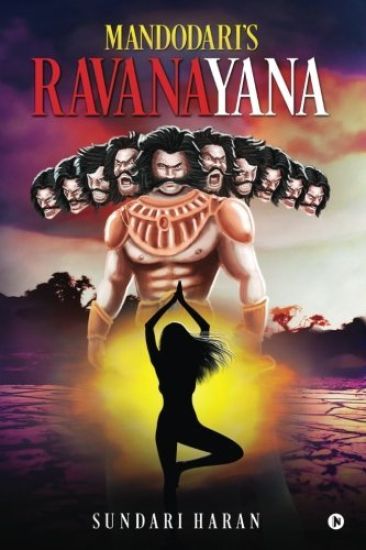
In eternal dusk a ravaged Mandodari sits waiting... sitting there, alone a thousand years... scarred and naked without a shred of clothing, no defense against the elements, animal or man - questioning fate - challenging the ultimate. Her body filled with scars stand testimony to her suffering. Her desolate surroundings echo death and destruction. What were the sins committed by her to warrant such a punishment? Was it the hand of God or man? Would her silence reveal the answer? For the first time, after a thousand years Mandodari breaks her silence... She opens up with the secrets of her life. Was it a regular childhood she had? An ordinary husband? Was an ordinary life possible with Ravana, the great Lord of Lankapuri as her husband? Oh Ravana - the name that brings loath and fear. Who was he? Did he really have ten heads? Was he the jealous, lustful and selfish one as history says? Is Ravana really an evil demon as he is being portrayed? Was Ravana a loser, just because he didn't win the war? Was it an ethical war? Why was he murdered? Was it fair dragging Mandodari naked and molesting her in front of the whole army? Who was to blame, Rama or Ravana? Or was it her karma? Who decides karma? Is it always right? It is only Mandodari, who can explain... Enough The questions of a thousand years will be answered now. History will be re-written. This story is not Ramayana. It is Ravanayana . . . Yes, it is Mandodari's Ravanayana. . .
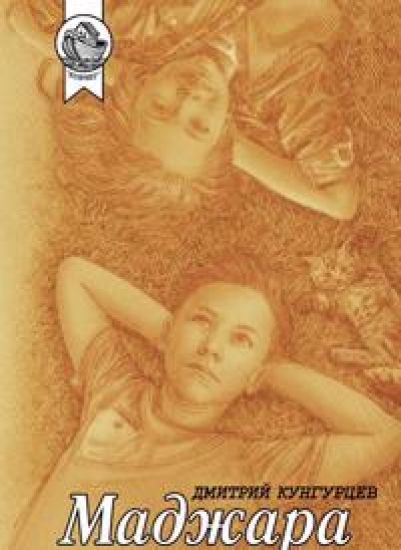
Dmitrij Kungurtsev rodilsja v 1985 godu v Moskve. Svoimi uchiteljami v literature schitaet E. Khemingueja i Dzh. Selindzhera. Stikhi, rasskazy i skazki pishet s detstva. Povest "Madzhara", davshaja nazvanie vsemu sborniku, stala pobeditelem premii "Debjut" v nominatsii "Za luchshee proizvedenie dlja detej i podrostkov". V otsenkakh chlenov zhjuri otmechalos ee rodstvo s filmami Kusturitsy (v chastnosti, "Chernaja koshka, belyj kot"); "Udivitelno sochnyj po jazyku tekst i osobyj khudozhestvennyj mir s jarkim sotsialnym balkanskim fonom", - okharakterizovala povest "Madzhara" Alisa Ganieva. No, razumeetsja, eto tolko odin iz motivov sbornika, vkljuchajuschego shest proizvedenij Dmitrija Kungurtseva. A glavnyj geroj v nem - samobytnyj russkij jug.

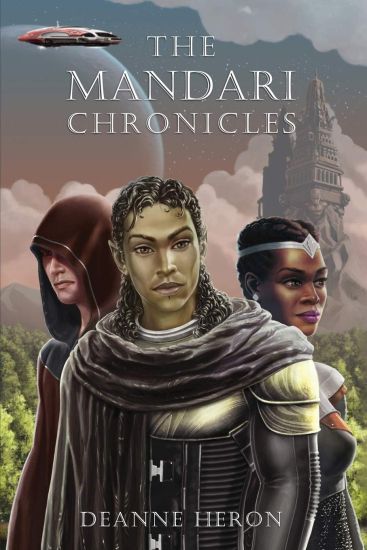
Lexis Carmichael has always known she was different and that she...just didn't belong. But nothing on Earth could have prepared her for how she would unravel the real truth of not only who she is, but that of mankind.Lexis' life on Earth takes a dramatic turn when Kemil Hakaru suddenly lands unannounced in her garden one winter's night from another world. Having taken this fascinatingly beautiful man into her home, the two form an unbreakable cosmic bond greater than any mere mortal could ever experience. Through that love, Lexis discovers her true origins, her real powers and a new dimension to the history of man, all documented in the Mandari Chronicles. The Chronicles document the origin of mankind from the original races of Earth once known as Terra - elemes, hawsers and medians - and their intergalactic sojourn to Planet Mandar. Thousands of years later, the races are now divided across two planets, Mandar and Khron, and are at war.It is at this juncture in time that Lexis and Kemil must, through their love, fulfil their purpose as foretold in The Chronicles to restore peace and realign the races on their trajectory to greatness. Through all the heartache, loss and shock discoveries, will they fulfil The Mandar Chronicles, restore alignment to purpose, reveal the hidden truths and will love and freedom prevail?
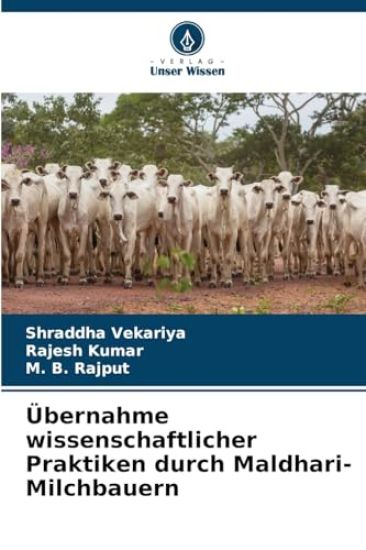
Übernahme wissenschaftlicher Praktiken durch Maldhari-Milchbauern
Shraddha Vekariya; Rajesh Kumar; M B Rajput
Verlag Unser Wissen
2025
pokkari
Tatarskij religioznyj reformator i proswetitel' Shihabaddin Mardzhani
Ajdar Juzeew
Lap Lambert Academic Publishing
2015
nidottu
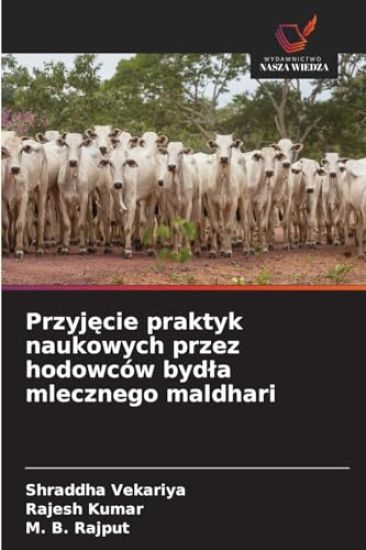
Przyjecie praktyk naukowych przez hodowców bydla mlecznego maldhari
Shraddha Vekariya; Rajesh Kumar; M B Rajput
Wydawnictwo Nasza Wiedza
2025
pokkari
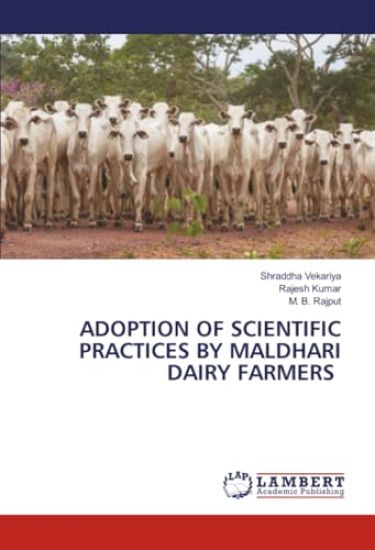
Adoption of Scientific Practices by Maldhari Dairy Farmers
Shraddha Vekariya; Rajesh Kumar; M B Rajput
Lap Lambert Academic Publishing
2025
pokkari
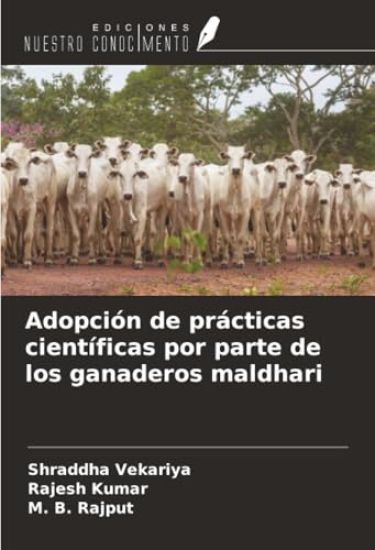
Adopción de prácticas científicas por parte de los ganaderos maldhari
Ediciones Nuestro Conocimiento
2025
pokkari
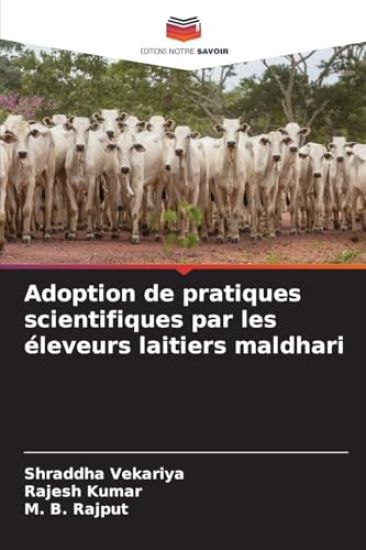
Adoption de pratiques scientifiques par les éleveurs laitiers maldhari
Shraddha Vekariya; Rajesh Kumar; M B Rajput
Editions Notre Savoir
2025
pokkari
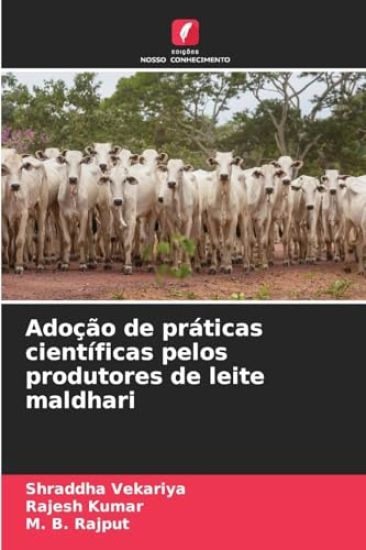
Adoção de práticas científicas pelos produtores de leite maldhari
Shraddha Vekariya; Rajesh Kumar; M B Rajput
Edicoes Nosso Conhecimento
2025
pokkari
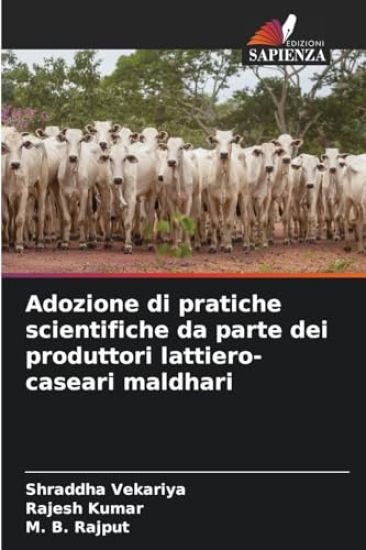
Adozione di pratiche scientifiche da parte dei produttori lattiero-caseari maldhari
Shraddha Vekariya; Rajesh Kumar; M B Rajput
Edizioni Sapienza
2025
pokkari

The collapse of socialism at the end of the twentieth century brought devastating changes to Mongolia. Economic shock therapy - an immediate liberalization of trade and privatization of publicly owned assets - quickly led to impoverishment, especially in rural parts of the country, where Tragic Spirits takes place. Following the travels of the nomadic Buryats, Manduhai Buyandelger tells a story not only of economic devastation but also a remarkable Buryat response to it - the revival of shamanic practices after decades of socialist suppression. Attributing their current misfortunes to returning ancestral spirits who are vengeful over being abandoned under socialism, the Buryats are now at once trying to appease their ancestors and recover the history of their people through shamanic practice. Thoroughly documenting this process, Buyandelger situates it as part of a global phenomenon, comparing the rise of shamanism in liberalized Mongolia to its similar rise in Africa and Indonesia. In doing so, she offers a sophisticated analysis of the way economics, politics, gender, and other factors influence the spirit world and the crucial workings of cultural memory.
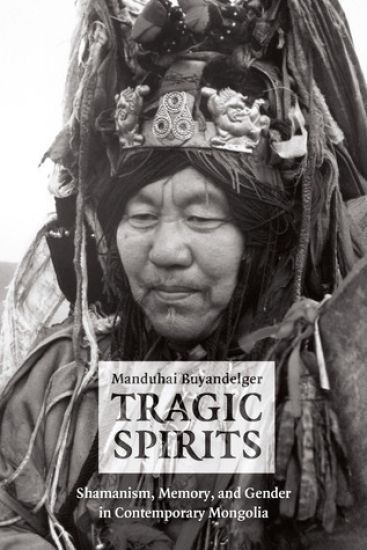
Tragic Spirits – Shamanism, Memory, and Gender in Contemporary Mongolia
Manduhai Buyandelger
University of Chicago Press
2013
nidottu
The collapse of socialism at the end of the twentieth century brought devastating changes to Mongolia. Economic shock therapy - an immediate liberalization of trade and privatization of publicly owned assets - quickly led to impoverishment, especially in rural parts of the country, where Tragic Spirits takes place. Following the travels of the nomadic Buryats, Manduhai Buyandelger tells a story not only of economic devastation but also a remarkable Buryat response to it - the revival of shamanic practices after decades of socialist suppression. Attributing their current misfortunes to returning ancestral spirits who are vengeful over being abandoned under socialism, the Buryats are now at once trying to appease their ancestors and recover the history of their people through shamanic practice. Thoroughly documenting this process, Buyandelger situates it as part of a global phenomenon, comparing the rise of shamanism in liberalized Mongolia to its similar rise in Africa and Indonesia. In doing so, she offers a sophisticated analysis of the way economics, politics, gender, and other factors influence the spirit world and the crucial workings of cultural memory.