Country India Hindu Religion any individual Castes Social Empowerment/ Poverty solution, huge Business, Industry very big role only/immediate join sufficient number lawyer / M.b.b.s / M.d / M.s profession also its book in very brief deal of the matter of capatlism, communism and intelligence of mind of peoples for world with reference of INDIA. ITS HAVE TO UNDER STAND OF SUCCESSFUL CAPITALISM IN ANY COUNTRY ITS DEPEND OF GROUP, AND SOCIETY OF PUBLIC INTELLIGENCE ON PARTICULAR FACTOR OF CAPITALISM TO ANY COUNTRY HOW TO TAKE MAXIMUM/SUFFICIENT RATIO OF PEOPLE SUCCESSFULLY COMPLETE THE SELF BUSINESS. In world which country maximum people ratio have due to absence of particular hidden intelligence fear of establish the capitalism to promote of communism for intelligence presence of the particular factor. But which country the where capitalism but low number ratio of population of peoples have success own business, the country other some number/good number any thing say matter of intelligence backward /poor group in absence of intelligence of capitalism try to communism, also backward/poor groups of peoples try to establish capitalism/self business but absence of particular intelligence have not success. In any country If groups backward /poor people for particular intelligence of communism have to success establish communism, if not particular intelligence not establish to success. Therefore its have to say its depend on countries groups of people, castes of people, and society of people. Also in communism country which groups of people have more intelligence who have more beneficial like capitalism but not similar. Therefore problem is groups and society of peoples ratio of intelligence of particular capitalism to establish of successful capitalism in any country. BUT IT HAVE UNDERSTAND THAT IN WHOLE (ON BOTH ) INTELLIGENCE OF MIND IS THE ONLY BETTER OPTION IS Capitalism.
Country India Hindu Religion any individual Caste immediate social Empowerment/ Poverty solution, increase - huge Business, Industry, tender very big role only join sufficient number lawyer / M.b.b.s / M.d / M.s profession AND ALSO DEAL 1.-CAPITALISM, COMMUNISM AND INTELLIGENCE OF MIND ------- Country India Hindu Religion any individual Castes Social Empowerment/ Poverty solution, huge Business, Industry very big role only/immediate join sufficient number lawyer / M.b.b.s / M.d / M.s profession also its book in very brief deal of the matter of capatlism, communism and intelligence of mind of peoples for world with reference of INDIA. ITS HAVE TO UNDER STAND OF SUCCESSFUL CAPITALISM IN ANY COUNTRY ITS DEPEND OF GROUP, AND SOCIETY OF PUBLIC INTELLIGENCE ON PARTICULAR FACTOR OF CAPITALISM TO ANY COUNTRY HOW TO TAKE MAXIMUM/SUFFICIENT RATIO OF PEOPLE SUCCESSFULLY COMPLETE THE SELF BUSINESS. In world which country maximum people ratio have due to absence of particular hidden intelligence fear of establish the capitalism to promote of communism for intelligence presence of the particular factor. But which country the where capitalism but low number ratio of population of peoples have success own business, the country other some number/good number any thing say matter of intelligence backward /poor group in absence of intelligence of capitalism try to communism, also backward/poor groups of peoples try to establish capitalism/self business but absence of particular intelligence have not success. In any country If groups backward /poor people for particular intelligence of communism have to success establish communism, if not particular intelligence not establish to success. Therefore its have to say its depend on countries groups of people, castes of people, and society of people. Also in communism country which groups of people have more intelligence who have more beneficial like capitalism but not similar. Therefore problem is groups and society of peoples ratio of intelligence of particular capitalism to establish of successful capitalism in any country. BUT IT HAVE UNDERSTAND THAT IN WHOLE (ON BOTH ) INTELLIGENCE OF MIND IS THE ONLY BETTER OPTION IS Capitalism. BUT IN CASE OF COMMUNISM SUCCESS STORY STORY OF DRAGON (CHINA) .ITS IMPORTANT THING IS FLEXIBILITY, ENTERTAIN NATIONAL TO INTERNATIONAL CHAIN OF EXPORT OF PRODUCT INDIRECTLY SAID INTELLIGENCE OF TECHNOLOGY AND MANAGEMENT AND INTERNATIONAL DIPLOMATIC OF BUSINESS. LIKE CHINA EXPORT OF PRODUCT. --- 2.INDIA ANY STATE/CENTRAL COMMUNIST GOVERNMENT AS REFERENCE OF HINDU RELIGION ORIGINAL BENEFICIAL GENERAL CASTES, THE ORIGINAL BENEFICIAL HINDU RELIGION GENERAL CASTES DUE TO WHICH CASTES HAVE SUFFICIENT NUMBER OF L.L.B/L.L.M /M.B.B.S/M.D/M.S PROFESSION AS REFERENCE OF HINDU RELIGION 3. COUNTRY INDIA SAMANT SENA OR RANVEER SENA (LIKE NAXALITE /MAOIST CRIME) CHARACTERISTICS UNDER HINDU RELIGION OF GENERAL CASTES
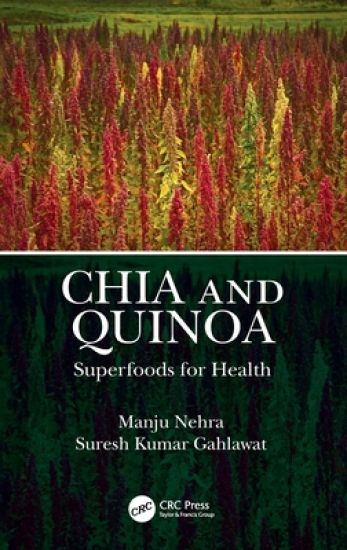
Quinoa and chia are recognized among consumers worldwide due to the wide variety of nutrients each crop provides for healthy living. These cereal crops contain bioactive compounds, are gluten-free proteins, and provide essential vitamins and minerals. Both quinoa and chia are extraordinarily adaptable to various agroecological zones and highly suited to climate change and harsh environments. Quinoa is expanding in underdeveloped countries as a superfood and its cultivation is spreading rapidly due to high global demand. Chia processing results in coproducts including noncommercial grains, partially deoiled flour, and rich fiber fraction allowing the crop to be reincorporated into the food chain. This book presents scientific, beneficial information on various aspects of chia and quinoa development. It discusses processing methods in quinoa and chia, their functional properties, and features analytical profiles of both crops. Information on quinoa and chia seeds for antioxidant properties and uses as superfoods is featured and effects of processing on nutritional properties, quinoa products, and chia seed products and recipes are included.Written for agribusiness planners, policy makers, researchers, industrialists, and farmers interested in cereal crops, this book boosts quinoa and chia production, addresses food and health security problems, increases farm outputs, and promotes food industries.
Quinoa and chia are recognized among consumers worldwide due to the wide variety of nutrients each crop provides for healthy living. These cereal crops contain bioactive compounds, are gluten-free proteins, and provide essential vitamins and minerals. Both quinoa and chia are extraordinarily adaptable to various agroecological zones and highly suited to climate change and harsh environments. Quinoa is expanding in underdeveloped countries as a superfood and its cultivation is spreading rapidly due to high global demand. Chia processing results in coproducts including noncommercial grains, partially deoiled flour, and rich fiber fraction allowing the crop to be reincorporated into the food chain. This book presents scientific, beneficial information on various aspects of chia and quinoa development. It discusses processing methods in quinoa and chia, their functional properties, and features analytical profiles of both crops. Information on quinoa and chia seeds for antioxidant properties and uses as superfoods is featured and effects of processing on nutritional properties, quinoa products, and chia seed products and recipes are included.Written for agribusiness planners, policy makers, researchers, industrialists, and farmers interested in cereal crops, this book boosts quinoa and chia production, addresses food and health security problems, increases farm outputs, and promotes food industries.
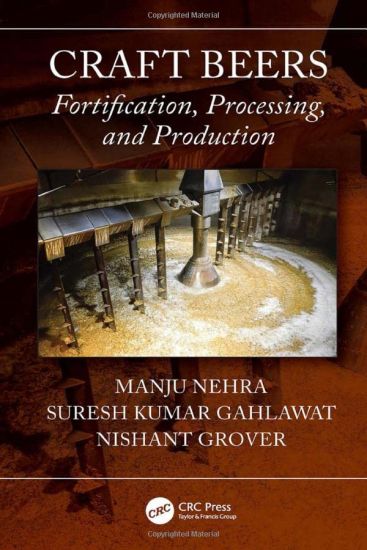
Beer is made up of various bioactive substances containing antioxidants and specific ingredients with potentially beneficial effects on the human body if consumed in moderation. During the production process, the addition of hops, cereals, and malt leads to an increased content of naturally occurring antioxidant compounds in beer, mainly phenolic compounds. This book presents information on the history, compositional analysis, and brewing process of craft beers. It covers aspects of fruit fortification to different craft brewed beers and how it will enhance the nutritional composition, antioxidant properties, color, and sensory attributes of beers. The alcohol industry continues to grow quickly worldwide, and this book provides relevant research literature about recent studies and experimentation in beer, which will be helpful to students, researchers, industrialists, producers, and many others. The incorporation of fruits for the fortification of beers is a topic of interest, resulting in the need for more innovative and effective methods and steps in the production of newer variants of beers.
Beer is made up of various bioactive substances containing antioxidants and specific ingredients with potentially beneficial effects on the human body if consumed in moderation. During the production process, the addition of hops, cereals, and malt leads to an increased content of naturally occurring antioxidant compounds in beer, mainly phenolic compounds. This book presents information on the history, compositional analysis, and brewing process of craft beers. It covers aspects of fruit fortification to different craft brewed beers and how it will enhance the nutritional composition, antioxidant properties, color, and sensory attributes of beers. The alcohol industry continues to grow quickly worldwide, and this book provides relevant research literature about recent studies and experimentation in beer, which will be helpful to students, researchers, industrialists, producers, and many others. The incorporation of fruits for the fortification of beers is a topic of interest, resulting in the need for more innovative and effective methods and steps in the production of newer variants of beers.
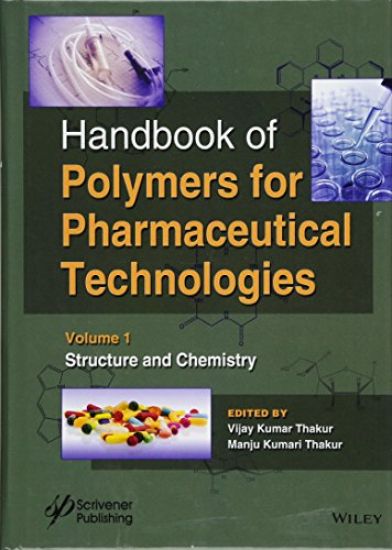
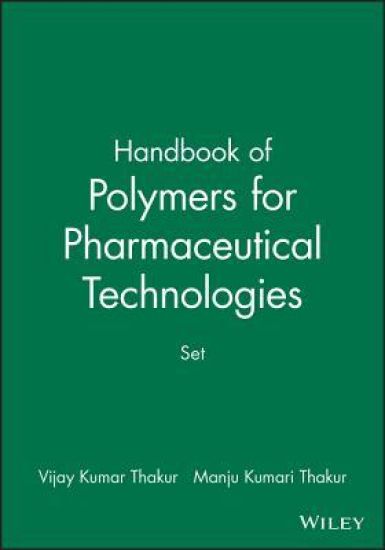
Polymers are one of the most fascinating materials of the present era finding their applications in almost every aspects of life. Polymers are either directly available in nature or are chemically synthesized and used depending upon the targeted applications.Advances in polymer science and the introduction of new polymers have resulted in the significant development of polymers with unique properties. Different kinds of polymers have been and will be one of the key in several applications in many of the advanced pharmaceutical research being carried out over the globe. This 4-partset of books contains precisely referenced chapters, emphasizing different kinds of polymers with basic fundamentals and practicality for application in diverse pharmaceutical technologies. The volumes aim at explaining basics of polymers based materials from different resources and their chemistry along with practical applications which present a future direction in the pharmaceutical industry. Each volume offer deep insight into the subject being treated. Volume 1: Structure and ChemistryVolume 2: Processing and ApplicationsVolume 3: Biodegradable PolymersVolume 4: Bioactive and Compatible Synthetic/Hybrid Polymers
Polymers are one of the most fascinating materials of the present era finding their applications in almost every aspects of life. Polymers are either directly available in nature or are chemically synthesized and used depending upon the targeted applications. Advances in polymer science and the introduction of new polymers have resulted in the significant development of polymers with unique properties. Different kinds of polymers have been and will be one of the key in several applications in many of the advanced pharmaceutical research being carried out over the globe. This 4-part set of books contains precisely referenced chapters, emphasizing different kinds of polymers with basic fundamentals and practicality for application in diverse pharmaceutical technologies. The volumes aim at explaining basics of polymers based materials from different resources and their chemistry along with practical applications which present a future direction in the pharmaceutical industry. Each volume offer deep insight into the subject being treated. Volume 1: Structure and ChemistryVolume 2: Processing and ApplicationsVolume 3: Biodegradable PolymersVolume 4: Bioactive and Compatible Synthetic/Hybrid Polymers
This unique multidisciplinary 8-volume set focuses on the emerging issues concerning synthesis, characterization, design, manufacturing and various other aspects of composite materials from renewable materials and provides a shared platform for both researcher and industry. The Handbook of Composites from Renewable Materials comprises a set of 8 individual volumes that brings an interdisciplinary perspective to accomplish a more detailed understanding of the interplay between the synthesis, structure, characterization, processing, applications and performance of these advanced materials. The Handbook comprises 169 chapters from world renowned experts covering a multitude of natural polymers/ reinforcement/ fillers and biodegradable materials. Volume 5 is solely focused on 'Biodegradable Materials'. Some of the important topics include but not limited to: Rice husk and its composites; biodegradable composites based on thermoplastic starch and talc nanoparticles; recent progress in biocomposites of biodegradable polymer; microbial polyesters: production and market; biodegradable and bioabsorbable materials for osteosynthesis applications; biodegradable polymers in tissue engineering; composites based on hydroxyapatite and biodegradable polylactide; biodegradable composites; development of membranes from biobased materials and their applications; green biodegradable composites based on natural fibers; fully biodegradable all-cellulose composites; natural fiber composites with bioderivative and/or degradable polymers; synthetic biodegradable polymers for bone tissue engineering; polysaccharides as green biodegradable platforms for building up electroactive composite materials; biodegradable polymer blends and composites from seaweeds; biocomposites scaffolds derived from renewable resources for bone tissue repair; pectin-based composites; recent advances in conductive composites based on biodegradable polymers for regenerative medicine applications; biosynthesis of PHAs and their biomedical applications; biodegradable soy protein isolate/poly(vinyl alcohol) packaging films; and biodegradability of biobased polymeric materials in natural environment.