Kirjahaku
Etsi kirjoja tekijän nimen, kirjan nimen tai ISBN:n perusteella.
1000 tulosta hakusanalla Maria Firmina dos Reis
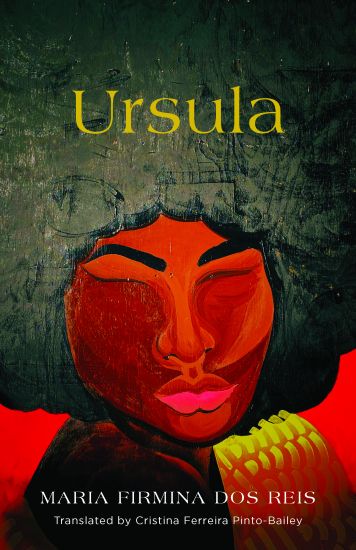
Written within the literary conventions of the Romantic movement and published decades before other Brazilian abolitionist novels, Úrsula (1859) offers a sensitive and nuanced portrayal of enslaved African and Afro-Brazilian characters. While readers follow the story of the plantation owner's daughter Úrsula, her doomed romance with Tancredo, and her uncle's diabolical schemes to entrap her in marriage, the novel's power lies in Reis's characterization of the enslaved Africans Tulio, Susana, and Antero. Shown in all their humanity as they narrate their personal histories and give voice to the abuse and injustices they have endured, these characters tell of the horrors of the Middle Passage, the daily indignities they face, and the brutality of their masters.

O agir docente em gestos didáticos e o eco em gestos de aprendizagem
Silva Firmino Cervera Maria Christina
Novas Edicoes Academicas
2015
pokkari

O Agir docente em gestos didáticos e o eco em gestos de aprendizagem
Silva Firmino Cervera Maria Christina
Novas Edicoes Academicas
2015
pokkari

Mariage de Monsieur Honoré Firmin Rougon Et de Mademoiselle Marie Ange Belin, Discours
Auguste Caux
Hachette Livre - BNF
2018
pokkari
Note Sur l'Eau Acidule Ferrugineuse de la Source Ste-Marie, Propriété Firmin Dufourcq
Pierre-François Jaillard
Hachette Livre - BNF
2020
pokkari
Vie Du P. Firmin de la Nativité, Carme Déchaussé Du Couvent d'Amiens Et Martyr de la Révolution
Amand Buisson Marie-Amand de Saint-Joseph
Hachette Livre Bnf
2020
pokkari

"Maria", e uno dei primi racconti di Stefano Centrone. Autore emergente che vuole dire anche lui la sua attraverso i suoi racconti. Scrittore e poeta tra i piu giovani, entrato da poco nel mondo della letteratura, ha tanto da condividere attraverso i suoi pensieri. Ma qui lo troviamo in veste di scrittore. Attraverso questa veste vuole raccontare le sue storie, i suoi racconti: alcuni inventati, altri con una nota di realta.Il racconto "Maria", e uno di quest'ultimi: un misto di realta e fantasia, dove i personaggi e i luoghi fanno e hanno fatto parte della vita dell'autore.Infatti, il protagonista maschile Stefano non a caso porta il suo nome; mentre il personaggio femminile Maria e tratto dalla sua fantasia.In questo racconto, il terzo protagonista e l'amore, l'amore sotto ogni forma di positivita. Un amore che pero' viene interrotto in modo drammatico e che finira con la morte di uno dei due personaggi della storia.

Her story of a woman incarcerated in a madhouse by her abusive husband dramatizes the effect of the English marriage laws, which made women virtually the property of their husbands.
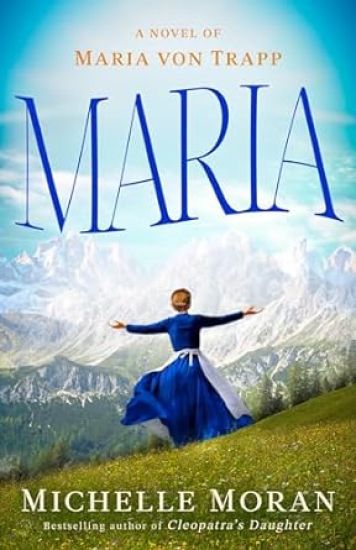
Maria von Trapp. You know the name and the iconic songs, but do you know her real story? This dramatic novel, based on the woman glamorized in The Sound of Music, brings Maria to life as never before. In the 1950s, Oscar Hammerstein is asked to write the lyrics to a musical based on the life of a woman named Maria von Trapp. He's intrigued to learn that she was once a novice who hoped to live quietly as an Austrian nun before her abbey sent her away to teach a widowed baron's sickly child. What should have been a ten-month assignment, however, unexpectedly turned into a marriage proposal. And when the family was forced to flee their home to escape the Nazis, it was Maria who instructed them on how to survive using nothing but the power of their voices. It's an inspirational story, to be sure, and as half of the famous Rodgers & Hammerstein duo, Hammerstein knows it has big Broadway potential. Yet much of Maria's life will have to be reinvented for the stage, and with the horrors of war still fresh in people's minds, Hammerstein can't let audiences see just how close the von Trapps came to losing their lives. But when Maria sees the script that is supposedly based on her life, she becomes so incensed that she sets off to confront Hammerstein in person. Told that he's busy, she is asked to express her concerns to his secretary, Fran, instead. The pair strike up an unlikely friendship as Maria tells Fran about her life, contradicting much of what will eventually appear in The Sound of Music. A tale of love, loss, and the difficult choices that we are often forced to make, Maria is a powerful reminder that the truth is usually more complicated--and certainly more compelling--than the stories immortalized by Hollywood.


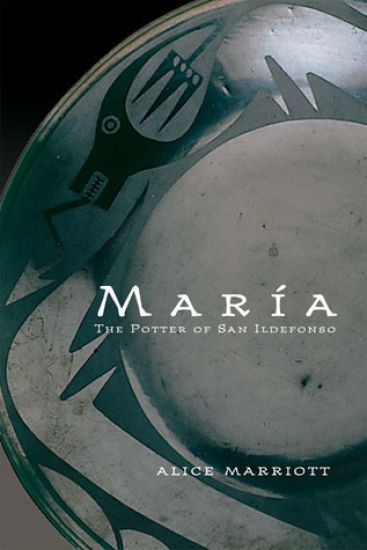
María: The Potter of San Ildefonso is the story of María Martínez and her husband, Julián, who revived the ancient Pueblo craft of pottery-making and stimulated interest in Southwestern Pueblo pottery among both white people and Indians.María Montoya Martínez, or Marie, as she sometimes signs her pottery, is a woman who has become in her own lifetime a legend. She lives in the pueblo of San Ildefonso, near Santa Fé, New Mexico, and although her life has been, as closely as she could make it, the normal life of a woman of her culture, her unusual qualities have set her apart and gained her fame throughout the world.Through her mastery of pottery-making, María brought economic gain to her family and her village. However, distressing problems accompanied success and fame. Liquor ultimately wrecked Julían. There was dissension within the pueblo. And there was the succession of admiring white people who invaded her home and interrupted her work. Not least, in María view, was the departure of her own children from many Pueblo customs.Inextricably woven into the story of María is the story of the pottery of the Southwestern Pueblos, a native craft that has become a national art interest, including the development of the unique black-on-black ware by Julián, the first of which is reproduced among the illustrations.Margaret Lefranc's many accurate drawings of actual pieces of pottery provide an almost complete documentary history of the craft and show some of the finest examples of María's art. Her skilled pen has also interpreted faithfully the spirit of María, the Pueblo Indians, and the pottery.