Kirjahaku
Etsi kirjoja tekijän nimen, kirjan nimen tai ISBN:n perusteella.
1000 tulosta hakusanalla Marilyn Henry
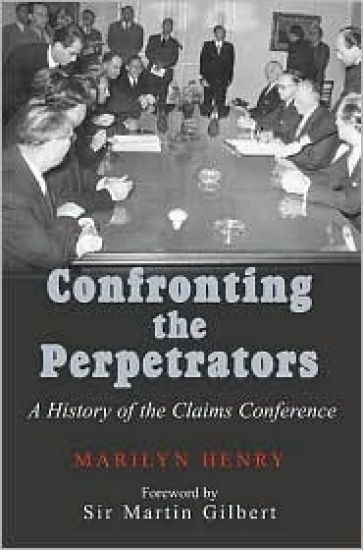
At the end of the twentieth century, the world seemed to rediscover Holocaust survivors. Ceremonies commemorating the 50th anniversary of World War II-era events offered occasions for reflection about the war, its heroes, and its victims. In the US, broad interest in the Holocaust was sparked by two cultural phenomena: the 1993 opening of the US Holocaust Memorial Museum and the film Schindler's List. The collapse of communism, the opening of archives in eastern Europe, and the approach of the millennium-and with it a desire to 'clean the slate'-also sparked a series of confrontations with the past. Among those confrontations was an extraordinary focus on the material losses and injuries suffered by Nazi victims. Class-action lawsuits filed in American courts against European governments and enterprises, improvised commissions, national historical reviews, and international conferences attempted, at century's end, to deal with the material, historical, legal, and moral issues stemming from the Holocaust. These initiatives built on groundwork laid in 1951, when Israel and an ad hoc consortium of voluntary Jewish organizations received an invitation to negotiate with West Germany for 'moral and material amends' for Nazi-era damages. The consortium became the Conference on Jewish Material Claims Against Germany (known as the Claims Conference).

Turning the big 3-0 isn't easy. It's even more difficult when well-meaning friends decide you need to stop being single and find your Prince Charming. Add in a series of never-ending bad blind dates and this is all too familiar territory for Gracie Marquez.What Gracie's friends don't know is that she's been in a nine year "friends with benefits" relationship with her best friend, the dashing Henry Huntingdon the Third. The pressure of turning another year older has Gracie questioning the nature of their relationship. Emotions run high and jealousy threatens to tear them apart. Has Gracie's Prince Charming been in front of her eyes or has Henry been keeping her from finding true love?
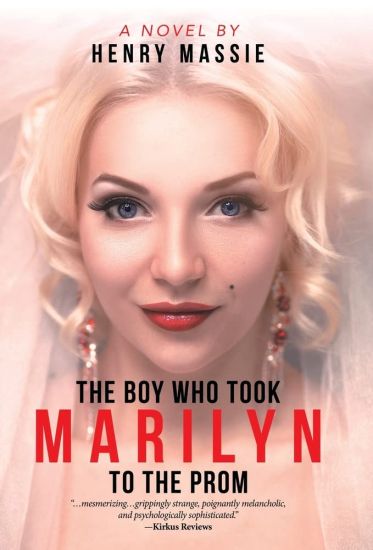
Hardly any relationship is more fraught with unspoken feelings and words than one between a male psychiatrist and a sad female patient. It is even more so when the patient takes the therapist back to tormenting memories of a woman from his youth. In 1961, a year before her death, Marilyn Monroe's last psychiatrist invited her into his family in a desperate attempt to save the actress by giving her a family she never had. One evening over dinner the doctor suggests that his son take the actress to his senior prom at Hollywood High School, an experience Marilyn missed because she never finished school. She was 35-looking no older than a college coed-and the boy was 17. That night haunts him until 2007 when that youth, now a psychiatrist himself, takes on a patient who reminds him of Marilyn. Praise for The Boy Who Took Marilyn to the Prom "Intrepid, vivid, thoughtful. It takes us inside the psychotherapy office, face to face with the dangers psychiatrists and their patients run of becoming slaves to their feelings for each other,"-Bridget Connelly, prizewinning author of Forgetting Ireland "Gripping and convincing," -Cheryl Colopy, prizewinning author of Dirty Sacred Rivers
My Letter to Dr. William (Bill) Henry Cosby
Marilyn Steede
Strategic Book Publishing Rights Agency, LLC
2020
pokkari
Marilyn Louise Steede's My Letter to Dr. William (Bill) Henry Cosby acknowledges the internationally renowned celebrity who took a well-publicized turn from being famous to infamous.This book is not what is customarily presented by authors, i.e., being the judge, jury, and executioner regarding Bill Cosby's current plight. Rather it is written from the objective of recognizing and acknowledging via the chronicles of history and his professional legacy, that which has become buried amid the mire regarding his perfidies."In light of my disillusionment with respect to a once-respected actor/comedian, I desired to document his high-level profile prior to his fall from grace," says the author.Cosby began his career as a stand-up comedian in the 1960s. A star of "I Spy," "The Bill Cosby Show," and "Fat Albert and the Cosby Kids" on TV, his biggest fame came with the 1984-1992 sitcom "The Cosby Show." In 1976, the actor earned a doctorate in education from the University of Massachusetts Amherst, writing his dissertation on Fat Albert being a teaching tool for elementary school students.His past came back to haunt him in the mid-2010s when more than sixty women accused him of drug-facilitated sexual assault over a period of several decades. He was convicted years later of three counts of aggravated indecent assault in the most recent case brought against him.Author Bio: Born and raised on the island of Bermuda, Marilyn Louise Steede is now retired and running as an Independent candidate in her country's Parliamentary General Election. This is her second book. Her next is a non-fiction account of her service in the military, From Stilettos to Combat Boots.
Henry Lee's Crime Scene Handbook
Henry C. Lee; Timothy Palmbach; Marilyn T. Miller
Academic Press Inc
2001
sidottu
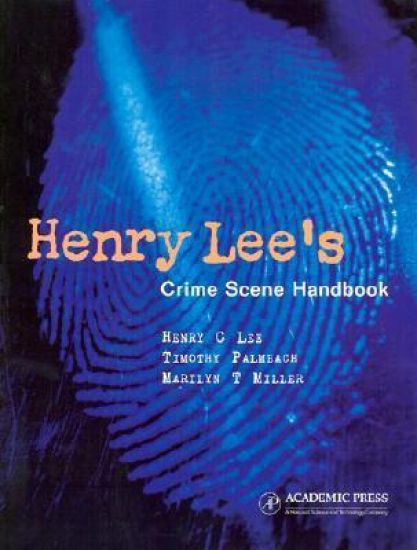
Henry Lee's Crime Scene Handbook outlines proven methods to help you collect and process physical evidence correctly, analyze it thoroughly, and understand its relevance to the case involved. It evaluates the newest chemical and instrumental techniques, and covers new areas such as forensic analysis of computers and advanced shooting scene reconstruction methods. This "must-have" guide is enhanced with dozens of color photographs, logic trees, check lists, worksheets, case studies, lists of suppliers, and more. Henry Lee has consulted on thousands of criminal cases around the world and is highly sought after to help solve difficult cases. Now he and his co-authors share more than 50 years of combined experience in this systematic approach to crime scene processing. It provides the information you need for initial training, to take with you in the field, and to refer to again and again during the course of each investigation. KEY FEATURES:* Presents a unique, systematic approach to crime scene processing * Covers in detail how to manage a crime scene, collect information, search for, collect, and preserve physical evidence, conduct field tests, and reconstruct a sequence of events * Describes how to use the latest chemical and instrumental techniques for each kind of crime scene * Outlines common problems and provides clear recommendations for overcoming them * Includes logic trees, checklists, and worksheets that help investigators evaluate the evidence in specific types of crimes
In 1900 W. E. B. DuBois prophesied that the colour line would be the key problem of the twentieth-century and he later identified one of its key dynamics: the new religion of whiteness that was sweeping the world. Whereas most historians have confined their studies of race-relations to a national framework, this book studies the transnational circulation of people and ideas, racial knowledge and technologies that under-pinned the construction of self-styled white men's countries from South Africa, to North America and Australasia. Marilyn Lake and Henry Reynolds show how in the late nineteenth century and early twentieth century these countries worked in solidarity to exclude those they defined as not-white, actions that provoked a long international struggle for racial equality. Their findings make clear the centrality of struggles around mobility and sovereignty to modern formulations of both race and human rights.
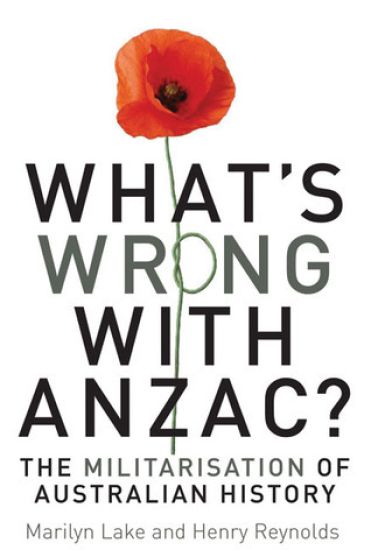
Brave and controversial, this account argues that Australians’ collective obsession with the Australian and New Zealand Army Corps (ANZAC) has distorted their perception of national history. Delving into the history of ANZAC and the mythologies surrounding it, this detailed record explores topics such as the formation of Australia’s national holiday—ANZAC Day—and the way in which the spirit of ANZAC is taught in the nation's classrooms. Ultimately, this informative narrative claims that ANZAC has become a conservative political force in Australia and questions whether ANZAC’S renowned foreign battles were worth all of the bloodshed. Daring, intelligent, and thought-provoking, this is a must-read for those interested in Australian or military history.
Nanotechnology and the Environment
Kathleen Sellers; Christopher Mackay; Lynn L. Bergeson; Stephen R. Clough; Marilyn Hoyt; Julie Chen; Kim Henry; Jane Hamblen
CRC Press
2019
nidottu
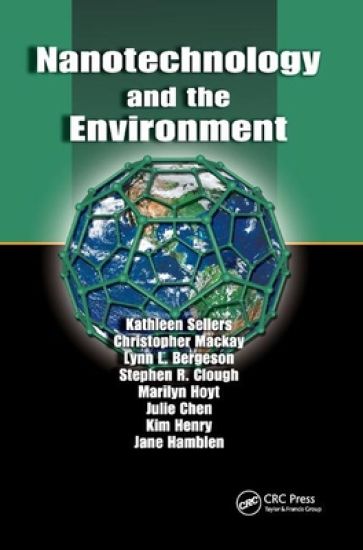
Nanomaterials' unique properties offer revolutionary means to optimize a variety of products, including electronics, textiles, paintings and coatings, pharmaceuticals, and personal care products. However, these same properties mean that nanoscale materials can behave differently in the human body and the environment than conventional materials.Nanotechnology and the Environment provides the fundamental basis needed to assess and understand the life cycle of nanomaterials. It begins with a general explanation of nanomaterials, their properties, and their uses and describes the processes used to manufacture nanoscale materials. Subsequent chapters furnish information on the analysis of nanomaterials in the environment and their fate and transport, including the effects of wastewater treatment on nanomaterials. The book discusses possible risks to human health and the environment and the environment, and describes developing regulations to manage those risks. Given the potential risks, the book explores the apparent paradox of using nanomaterials in environmental remediation. The final chapter discusses frameworks for evaluating the balance between risk and reward as nanomaterials are manufactured, used and released to the environment.
Nanotechnology and the Environment
Kathleen Sellers; Christopher Mackay; Lynn L. Bergeson; Stephen R. Clough; Marilyn Hoyt; Julie Chen; Kim Henry; Jane Hamblen
CRC Press Inc
2008
sidottu
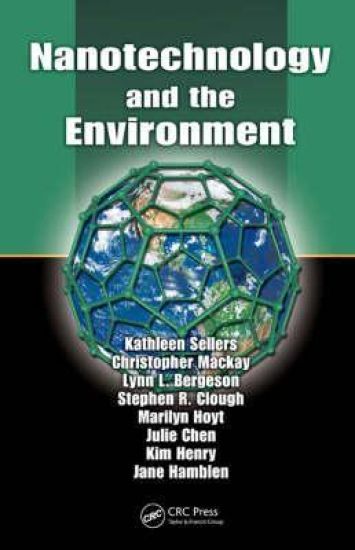
Nanomaterials' unique properties offer revolutionary means to optimize a variety of products, including electronics, textiles, paintings and coatings, pharmaceuticals, and personal care products. However, these same properties mean that nanoscale materials can behave differently in the human body and the environment than conventional materials.Nanotechnology and the Environment provides the fundamental basis needed to assess and understand the life cycle of nanomaterials. It begins with a general explanation of nanomaterials, their properties, and their uses and describes the processes used to manufacture nanoscale materials. Subsequent chapters furnish information on the analysis of nanomaterials in the environment and their fate and transport, including the effects of wastewater treatment on nanomaterials. The book discusses possible risks to human health and the environment and the environment, and describes developing regulations to manage those risks. Given the potential risks, the book explores the apparent paradox of using nanomaterials in environmental remediation. The final chapter discusses frameworks for evaluating the balance between risk and reward as nanomaterials are manufactured, used and released to the environment.
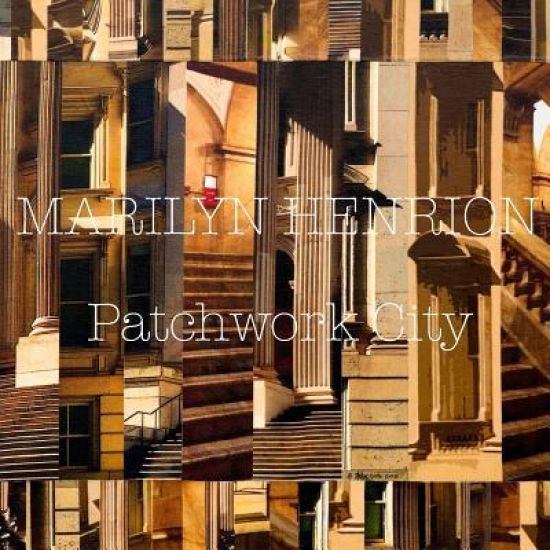
Patchwork City: New Works by Marilyn Henrion
Marilyn Henrion
Createspace Independent Publishing Platform
2017
nidottu
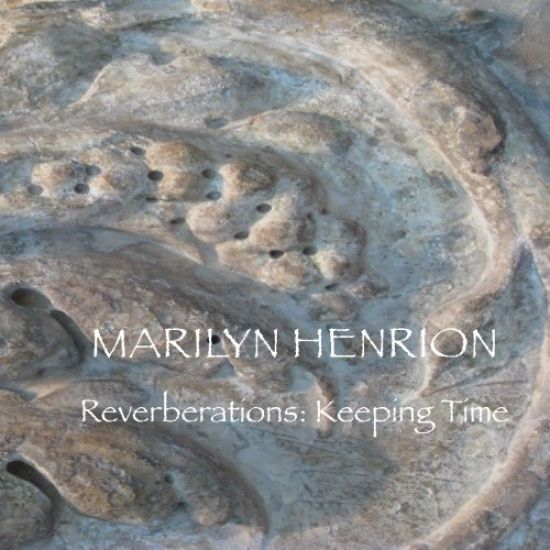
Reverberations: Keeping Time
Marilyn Henrion
Createspace Independent Publishing Platform
2009
nidottu
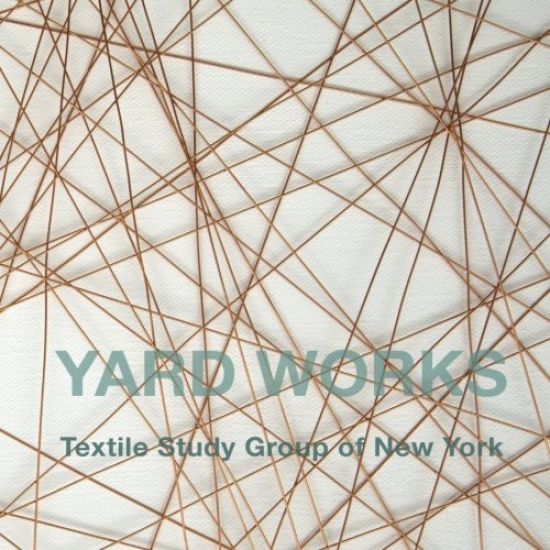
Yard Works: Textile Study Group of New York
Marilyn Henrion
Createspace Independent Publishing Platform
2016
nidottu
I Carry the Fire: A Tribute to Geoff Pomella
Marilyn Henrion; Michele Pomella
Createspace Independent Publishing Platform
2017
nidottu
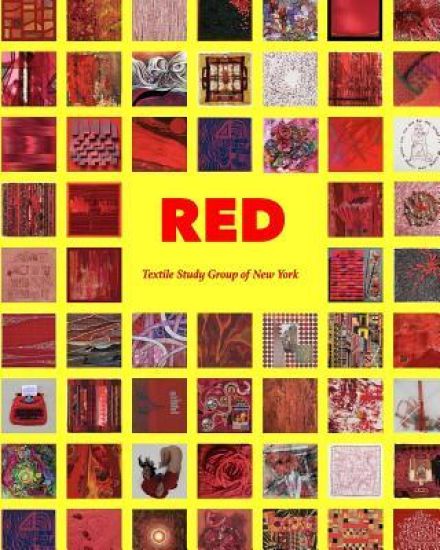
Red: Textile Study Group of New York
Marilyn Henrion
Createspace Independent Publishing Platform
2017
nidottu
Fiber art by members of the Textile Study Group of New York at Noho M55 Gallery in NYC December 2017/ January 2018...exhibition catalog