
Kirjahaku
Etsi kirjoja tekijän nimen, kirjan nimen tai ISBN:n perusteella.
1000 tulosta hakusanalla Mark Hannon


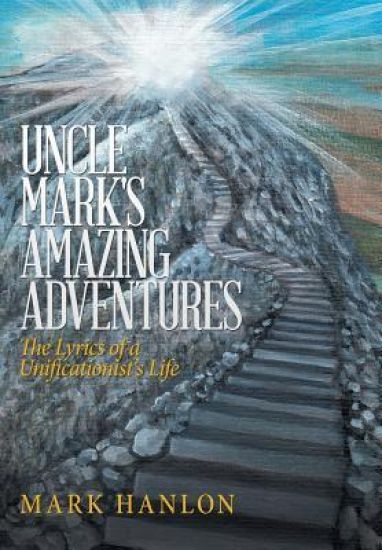
Mark Hanlon considers himself an ordinary man who carved a unique path in life based on his beliefs. In a fascinating account, Hanlon shares a first-hand glimpse into an adventure initiated in 1976 as he began to gravitate toward Rev. Sun Myung Moon and the Unification Church movement. It was November 1976 while working in a music store in Nashua, New Hampshire, when Hanlon, who was a reborn Christian at the time, first heard about this controversial organization through his co-workers. As he leads others through his spiritual journey to eventually become an active member and leader of one of the most controversial new religious movements of our time, Hanlon shares an ultimate story of faith versus reality as he learned to embrace the illuminating effect the teachings had on him and others around him, and deal with the mystical, theological questions of life in a distinctive and fascinating way. Uncle Marks Amazing Adventures shares an in-depth look into a unique, modern religion in a personal account that touches the heart and mind.
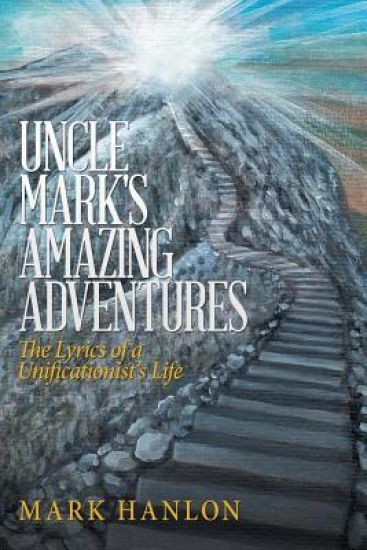
Mark Hanlon considers himself an ordinary man who carved a unique path in life based on his beliefs. In a fascinating account, Hanlon shares a first-hand glimpse into an adventure initiated in 1976 as he began to gravitate toward Rev. Sun Myung Moon and the Unification Church movement. It was November 1976 while working in a music store in Nashua, New Hampshire, when Hanlon, who was a reborn Christian at the time, first heard about this controversial organization through his co-workers. As he leads others through his spiritual journey to eventually become an active member and leader of one of the most controversial new religious movements of our time, Hanlon shares an ultimate story of faith versus reality as he learned to embrace the illuminating effect the teachings had on him and others around him, and deal with the mystical, theological questions of life in a distinctive and fascinating way. Uncle Marks Amazing Adventures shares an in-depth look into a unique, modern religion in a personal account that touches the heart and mind.
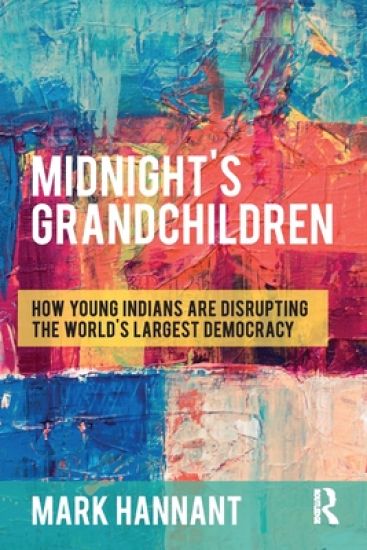
While the west has experienced multiple post-war economic, social and political revolutions, India by contrast has had two distinct moments of transformation in the past century: Independence in 1947 and the economic liberalisation that began in 1991. Midnight’s Grandchildren are the offspring of India’s second social and economic revolution.India’s millennial generation, coming of age post-1991, have grown up in a world of opportunity and relative abundance. Many institutions – family, marriage, workplace, and brands – are being disrupted. Great tension exists as a new generation breaks barriers and seeks to find its place. This book captures an important, transformative moment in India’s development. It includes interviews with young Indians who articulate both their optimism and the struggle to find relevant new identities. Managers and recruiters speak about the changes in the workplace and the challenges and opportunities of harnessing India’s so-called demographic dividend. Entrepreneurs, brand owners and marketers discuss the role of brands in cementing identities in a world changing rapidly where loyalty has little meaning.Midnight’s Grandchildren explains for a business audience the significance of the arrival in the workforce of a generation of millennials as both disruptors of the old order and engine of India’s future economic potential. It is of use for professionals and educators wanting to engage this vitally important group of young people.

This book focuses on the questions of: why do some economically disadvantaged nations develop significantly faster than others, and what roles do their educational systems play? In the early 1960s Mexico and South Korea were both equally underdeveloped agrarian societies. Since that time, the development strategies pursued by each country resulted in dramatically different results. By the turn of the century South Korea possessed one of the finest educational systems in the world and was a world-class producer of high-tech products. Mexico, on the other hand, was still graduating less than half of its secondary school-age students and bogged down in assembling products owned by others. This book addresses the issues of what happened and why, and frames the consequences for other developing nations facing similar challenges.Professor Hanson argues that the key to understanding involves the manner and intensity in which these countries engaged their educational, governmental and business institutions to acquire manufacturing knowledge from offshored transnational corporations, and how they used these insights to grow their own local industries. Whereas South Korea studied the foreign outsourced plants as if they were educational systems and pursued with tenacity the new knowledge they possessed, Mexico viewed them as ‘cash cows’ that generated wages and reduced unemployment. The author emphasizes that significant educational reform will only break down the barriers of institutional bureaucracies when responding to the pressures and demands of industrialization. This is one of the first books of its kind to compare South-East Asian and Latin American economies and their links to educational systems.
This book focuses on the questions of: why do some economically disadvantaged nations develop significantly faster than others, and what roles do their educational systems play? In the early 1960s Mexico and South Korea were both equally underdeveloped agrarian societies. Since that time, the development strategies pursued by each country resulted in dramatically different results. By the turn of the century South Korea possessed one of the finest educational systems in the world and was a world-class producer of high-tech products. Mexico, on the other hand, was still graduating less than half of its secondary school-age students and bogged down in assembling products owned by others. This book addresses the issues of what happened and why, and frames the consequences for other developing nations facing similar challenges.Professor Hanson argues that the key to understanding involves the manner and intensity in which these countries engaged their educational, governmental and business institutions to acquire manufacturing knowledge from offshored transnational corporations, and how they used these insights to grow their own local industries. Whereas South Korea studied the foreign outsourced plants as if they were educational systems and pursued with tenacity the new knowledge they possessed, Mexico viewed them as ‘cash cows’ that generated wages and reduced unemployment. The author emphasizes that significant educational reform will only break down the barriers of institutional bureaucracies when responding to the pressures and demands of industrialization. This is one of the first books of its kind to compare South-East Asian and Latin American economies and their links to educational systems.

(Music Sales America). The 30th anniversary edition of this fingerpicking instruction book will help you learn the essential techniques of virtuoso-level fingerpicking through astute exercises and 14 fun instrumentals. Included in 50 Greatest Guitar Books, this updated title from Grammy-Award winner Mark Hanson includes four new guitar solos, instruction, listening lists, and more. Includes online instructional audio, standard notation and tablature, tunes and exercises played at slow and performance speeds, and standard, Drop-D, DADGAD & DADGBD tuning. Audio is accessed online using the unique code inside the book and can be streamed or downloaded. The audio files include PLAYBACK], a multi-functional audio player that allows you to slow down audio without changing pitch, set loop points, change keys, and pan left or right.


Ever wondered why your life and health can sometimes be so hard to control? Or why it seems so easy for other people? Mark Hanson and Lucy Green draw on their years of experience as scientists and educators to cut through the usual information on genetics and lifestyle to reveal the secrets of early development which start to make each of us unique, during our first 1,000 days from the moment of conception. Some surprising discoveries, based on little-known new research, show how events during our first 1,000 days make each of us who we are and explain how we control our bodies, processes that go way beyond just the genes which we inherited. Provoking new ways of thinking about being parents, this book empowers individuals and society to give the next generation the gift of a good start to life and future health.
While the west has experienced multiple post-war economic, social and political revolutions, India by contrast has had two distinct moments of transformation in the past century: Independence in 1947 and the economic liberalisation that began in 1991. Midnight’s Grandchildren are the offspring of India’s second social and economic revolution.India’s millennial generation, coming of age post-1991, have grown up in a world of opportunity and relative abundance. Many institutions – family, marriage, workplace, and brands – are being disrupted. Great tension exists as a new generation breaks barriers and seeks to find its place. This book captures an important, transformative moment in India’s development. It includes interviews with young Indians who articulate both their optimism and the struggle to find relevant new identities. Managers and recruiters speak about the changes in the workplace and the challenges and opportunities of harnessing India’s so-called demographic dividend. Entrepreneurs, brand owners and marketers discuss the role of brands in cementing identities in a world changing rapidly where loyalty has little meaning.Midnight’s Grandchildren explains for a business audience the significance of the arrival in the workforce of a generation of millennials as both disruptors of the old order and engine of India’s future economic potential. It is of use for professionals and educators wanting to engage this vitally important group of young people.


“The Inevitable Solar School: Building the Sustainable School of the Future, Today” describes the two major forces that are driving public and private schools and other buildings to solar energy. These forces are the recognition of climate change and the cost advantage of on-site solar energy. Either force would be sufficient reason on its own to change the school market, but in combination they become indominable. Sustainability has emerged as a widely accepted theme in school building design. Daylight and views, indoor air quality, responsible life-cycle materials selection, and energy and water efficiency are expected features. This book adds on-site solar energy, sufficient in many instances to meet all of a school’s energy requirement, as a critical element of sustainability. The zero energy school is the sustainable school of the future. Contrary to common expectations, zero energy sustainable schools are being built at costs that are competitive with regional school cost averages. This outcome requires teamwork between school administrators and their design and construction professionals, and the use of deliberate planning and procurement processes. Five case studies spanning the U.S. demonstrate that the sustainable school of the future is here today.

“The Inevitable Solar School: Building the Sustainable School of the Future, Today” describes the two major forces that are driving public and private schools and other buildings to solar energy. These forces are the recognition of climate change and the cost advantage of on-site solar energy. Either force would be sufficient reason on its own to change the school market, but in combination they become indominable. Sustainability has emerged as a widely accepted theme in school building design. Daylight and views, indoor air quality, responsible life-cycle materials selection, and energy and water efficiency are expected features. This book adds on-site solar energy, sufficient in many instances to meet all of a school’s energy requirement, as a critical element of sustainability. The zero energy school is the sustainable school of the future. Contrary to common expectations, zero energy sustainable schools are being built at costs that are competitive with regional school cost averages. This outcome requires teamwork between school administrators and their design and construction professionals, and the use of deliberate planning and procurement processes. Five case studies spanning the U.S. demonstrate that the sustainable school of the future is here today.



The Official Newcastle United Soccer Annual 2022 looks back on the highs and lows of the most recent campaign. As always, the Annual is packed full with interesting articles, looking at players and eras of days gone by and United's history. Packed with fun quizzes, player profiles, a season review and outstanding photography, it's a read sure to keep all United fans happily entertained.