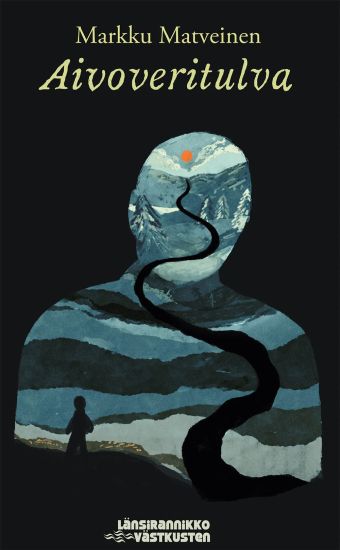
Nimestään huolimatta teos ei ole sairauskertomus, vaan tarina kaipauksesta ja eräänlainen erämaaseikkailu Lapin perukoilla. Henrikki on tullut elämänsä tulvarajalle. Tietokoneet tuovat elannon mutta vievät rauhan. Korvissa suhisee, isää on ikävä, tämän tarinoita. Öiset unet täyttyvät vedestä ja kummallisesta kaipuusta. Muistojen Lappiin on pakko päästä, vaikka henki menisi, sieltä löytyy rauha. Näin käynnistyy uskomaton seikkailu tulvivassa erämaassa. Lopulta unenomainen kaipaus täyttyy. Voiko kaksi ihmistä nähdä samaa unta? Kirjoittaja käyttää monia erilaisia aineksia, runoja, tarinoita, unia ja yhdistää ne sujuvaksi kokonaisuudeksi. Mukana on myös aimo annos omakohtaisuutta. Markku Matveinen (s. 1955) on Kokkolaan kotiutunut Pohjois-Karjalan poika, eläköitynyt opettaja, ex-rehtori, isä, luontoa ja tanka-runoja rakastava utelias etsijä. Tämä on hänen esikoisromaaninsa.
Neljään otteeseen Vuoden Valmentajaksi valittu Markku Kanerva on enemmän kuin jalkapallovalmentaja. Hän on omaperäinen ajattelija ja uuden kulttuurin rakentaja.Kun luokanopettaja Markku Kanerva otti ohjat Suomen jalkapallomaajoukkueesta, harva uskoi menestykseen. Jari Litmasen ja Sami Hyypiän aika oli ohi, ja suomalainen jalkapallo oli hukassa. Kanerva johdatti ensimmäistä kertaa historiassa Suomen maajoukkueen jalkapallon EM-lopputurnaukseen - nuorten maajoukkueen Kanerva luotsasi sinne jo vuonna 2009.Legendaarinen jääkiekkovalmentaja Alpo Suhonen otti tehtäväkseen selvittää Markku Kanervan salaisuuden. Suhonen seurasi Kanervan työtä puolen vuoden ajan harjoituksissa ja otteluissa Suomessa ja ulkomailla sekä haastatteli häntä ja hänen lähipiiriään syvällisesti ja moniulotteisesti. Tuloksena on Alpo Suhosen ja tunnetun urheilutoimittajan, kirjailija Risto Pakarisen kirjoittama viisas ja viihdyttävä menestysteos.Mikä on Markku Kanervan suuri oivallus? Mikä on hänen tarinansa, ja miten syntyivät hänen keskeiset ajatuksensa ihmisestä, voittamisesta, johtamisesta ja pelaamisesta?Kirjassa on mukana kaikkien maajoukkuepelaajien haastattelu ja kuva.
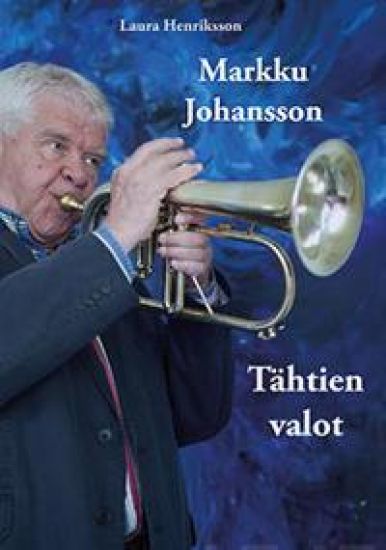
Markku Johansson on yksi maamme monipuolisimpia musiikin ammattilaisia, joka on kulkenut pitkän tien heinolalaisesta torvensoittoryhmästä ravintolamuusikkouden kautta Pepe & Paradise -yhtyeen trumpetistiksi, Suomen jazztrumpetistien eturiviin, radioon ja televisioon sekä studiomuusikon ja sovittajan töihin. 1970-90-luvuilla Markku osallistui aktiivisesti Uuden Musiikin Orkesteri UMOn perustamiseen ja kehittämiseen niin soittajana kuin orkesterinjohtajanakin. Kevyen musiikin kapellimestarina Markku on ollut kahdenkymmenen vuoden aikana rakentamassa Vantaan Viihdeorkesterista kansainvälistä tasoa olevaa viihdemusiikkiin erikoistunutta täysikokoista sinfoniaorkesteria. Markku Johanssonin sävelkieli soi tuhansilla studioraidoilla, svengaavissa ja tunnelmallisissa sävellyksissä, suosikkiartistien levytyksissä ja viihdeorkesterikonserttien sävykkäissä sovituksissa.
Samtliga illustrationer ur Kieliviesti från åren 2001–2014. År 2015 fyller den sverigefinska språkvården 40 år och tidskriften Kieliviesti 35 år. För att fira jubileumsåret publiceras samtliga illustrationer ur Kieliviesti från åren 2001–2014 i boken Kielikuvat.
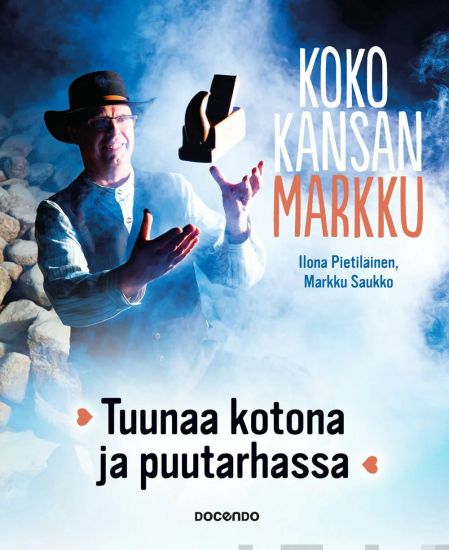
Mies paikallaan - tossun alla, muttei taivasalla!Koko kansan tuntema Markku on oman elämänsä MacGyver, joka hyppää vauhdissa Datsunin rattiin ja ottaa junankin kiinni juosten. Samassa persoonassa on remontti-Markku, joka omistaa kunnioitettavan höyläkokoelman ja suunnittelee sekä toteuttaa monenmoista. Kirjan sivuilla vieraillaan omasta designistaan ja televisiostakin tutun miehen kotona, kasvihuoneella, puutarhassa ja saunassa. Keittiön tuoksuista pitää huolen Markun vaimo Anne, joka valmistaa herkullisen mansikkakakun. Myös museokahvilan kehittämä, salainen Markku-vohvelin resepti paljastetaan.Jos et aikaisemmin ole tiennyt, miten valmistetaan Markku-pipo, se selviää kirjan sivuilta. Puuhamiehen kanssa kiivetään pihasaunan lauteille - vasta syntyy tietenkin kätevän miehen käsissä, ja sen pitää olla aina isompi kuin naapurilla. Markku näyttää omassa verstaassaan, miten koivuhaloille nikkaroidaan teline ja vanha ikkunanpoka muovautuu romanttiseksi peiliksi. Tuttu kultaseppä muuntaa mummon perintölusikat sormuksiksi. Talossa, jossa jokaisella esineellä on tarina, tehdään kierrätysideoista totta.Joulun lähestyessä valitaan kuusi metsästä Markun mittakepillä ja valmistetaan helppoja lahjoja Markun ohjeilla. Kommelluksia, tarinoita ja onnistumisen iloa ei sivuilta puutu!Hirvaskankaan MacGyver eli Markku Saukkoon television suosikkisarjan Suomen huutokauppakeisarin tavaroiden korjaaja. Vuonna 2016 Vuoden Markuksi valitun miehen tyyli on konstailematon ja vaatimaton, jossa teot ja osaaminen korvaavat puheet.Ilona Pietiläinen on valokuvaaja ja sisustustoimittaja. Hänen töitään on julkaistu valtakunnallisissa sisustuslehdissä. Ilona kuvaa tarinoita missä vain, metsässä, kasvihuoneessa, rannalla, puutarhassa tai kotimiljöissä.
For most of his sixty-year career, the Reverend Carl McIntire was at the center of controversy. The best known and most influential of the fundamentalist radio broadcasters and anticommunists of the Cold War era, his many enemies depicted him as a dangerous far rightist, a racist, or a "McCarthyite" opportunist engaged in red-baiting for personal profit. Despised and hounded by liberals, revered by fundamentalists, and distrusted by the center, he became a lightning rod in the early American culture wars. Markku Ruotsila's Fighting Fundamentalist, the first scholarly biography of McIntire, peels off the accumulated layers of caricature and makes a case for restoring McIntire to his place as one of the most consequential religious leaders in the twentieth-century United States. The book traces McIntire's life from his early twentieth-century childhood in Oklahoma to his death in 2002. From his discipleship under J. Gresham Machen during the fundamentalist-modernist controversy, through his fifty-year pastorate in Collingswood, NJ, and his presidency of the International Council of Christian Churches, McIntire--Ruotsila shows--stands out as the most important fundamentalist of his time. Based on exhaustive research in fifty-two archival collections--including the recently opened collection of the Carl McIntire papers and never-before seen FBI files--Ruotsila looks beyond the McIntire of legend. Instead, Ruostila argues, McIntire was a serious theological, political, and economic combatant, a tireless organizer who pioneered the public theologies, inter-faith alliances, and political methods that would give birth to the Christian Right. The moral values agenda of the 1970s and after would not have existed without the anti-communist and ant-New Deal activism that McIntire inaugurated in the 1930s.
Irish English, also termed 'Anglo-Irish' or 'Hiberno-English', as in this book, is not usually perceived as having a grammatical system of its own. Markku Filppula here challenges this misconception and offers a descriptive and contact-linguistic account of the grammar of Hiberno-English. Drawing on a wide range of authentic materials documenting Hiberno-English dialects past and present Filppula examines: * the most distinctive grammatical features of these dialects * relationships with earlier and other regional varieties of English * the continuing influence of the Irish language on Hiberno-English * similarities between Hiberno-English and other Celtic-influenced varieties of English spoken in Scotland and WalesThe Grammar of Irish English is a comprehensive empirical study which will be an essential reference for scholars of Hiberno-English and of value to all those working in the field of Germanic linguistics.
This book provides the first comprehensive account of the history and extent of Celtic influences in English. Drawing on both original research and existing work, it covers both the earliest medieval contacts and their linguistic effects and the reflexes of later, early modern and modern contacts, especially various regional varieties of English.
This book examines the intertwined dynamics of Churchill's anticommunist and geopolitical thought. It looks at the ways in which he attempted to use Finland as both tool and ally in the anticommunist projects of the twentieth century. Finland appeared a staunch ally in Churchill's recurring efforts to destroy or negate international communism, but the broader concerns of geopolitics and Great Power diplomacy complicated what might have been a simple task of teaming up with like-minded Finns. The resulting tensions are explored and explained in this study of comparative anticommunism based on Churchill's private papers and on additional British, Finnish and American documents.
This book provides the first comprehensive account of the history and extent of Celtic influences in English. Drawing on both original research and existing work, it covers both the earliest medieval contacts and their linguistic effects and the reflexes of later, early modern and modern contacts, especially various regional varieties of English.
This book examines the intertwined dynamics of Churchill's anticommunist and geopolitical thought. It looks at the ways in which he attempted to use Finland as both tool and ally in the anticommunist projects of the twentieth century. Finland appeared a staunch ally in Churchill's recurring efforts to destroy or negate international communism, but the broader concerns of geopolitics and Great Power diplomacy complicated what might have been a simple task of teaming up with like-minded Finns. The resulting tensions are explored and explained in this study of comparative anticommunism based on Churchill's private papers and on additional British, Finnish and American documents.
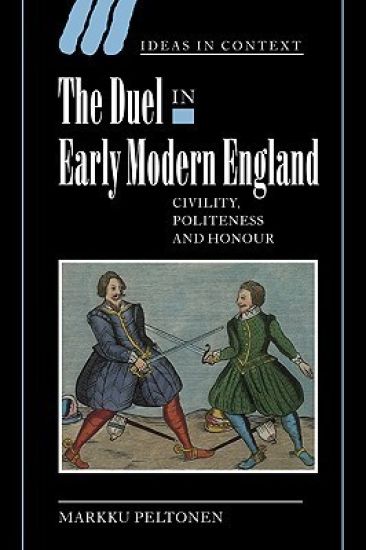
Arguments about the place and practice of the duel in early modern England were widespread. The distinguished intellectual historian Markku Peltonen examines this debate, and show how the moral and ideological status of duelling was discussed within a much larger cultural context of courtesy, civility and politeness. The advocates of the duel, following Italian and French examples, contended that it maintained and enhanced politeness; its critics by contrast increasingly severed duelling from civility, and this separation became part of a vigorous attempt in the late seventeenth century and beyond to redefine civility, politeness and indeed the nature and evolution of Englishness. To understand the duel is to understand much more fully some crucial issues in the cultural and ideological history of Stuart England, and Markku Peltonen's study will thus engage the attention of a very wide audience of historians and cultural and literary scholars.
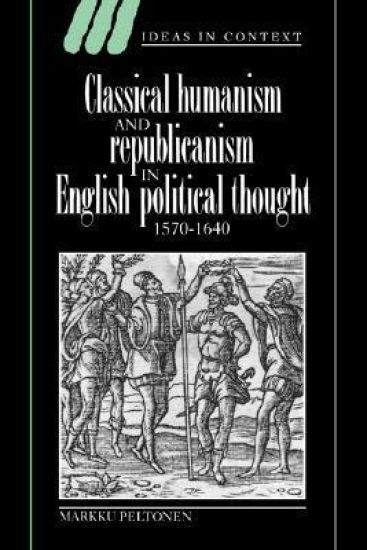
Markku Peltonen examines humanist and republican themes in English political thinking between the mid-sixteenth century and the Civil War. He challenges the dominant view that humanism fizzled out in the middle of the sixteenth century only to re-emerge during the 1650s in the writings of such classical republicans as James Harrington and John Milton. The English continued to use central notions of the humanist tradition such as the virtuous civic life and vera nobilitas to portray themselves as citizens, characterizing their life as one of participation rather than subjection. They often resorted to openly republican themes - notably that governors be elected rather than hereditary - and the classical idea of the mixed constitution was profoundly influential. Dr Peltonen casts an important new perspective on these humanist and republican themes, and locates their uses in specific historical circumstances.
Arguments about the place and practice of the duel in early modern England were widespread. The distinguished intellectual historian Markku Peltonen examines this debate, and show how the moral and ideological status of duelling was discussed within a much larger cultural context of courtesy, civility and politeness. The advocates of the duel, following Italian and French examples, contended that it maintained and enhanced politeness; its critics by contrast increasingly severed duelling from civility, and this separation became part of a vigorous attempt in the late seventeenth century and beyond to redefine civility, politeness and indeed the nature and evolution of Englishness. To understand the duel is to understand much more fully some crucial issues in the cultural and ideological history of Stuart England, and Markku Peltonen's study will thus engage the attention of a very wide audience of historians and cultural and literary scholars.
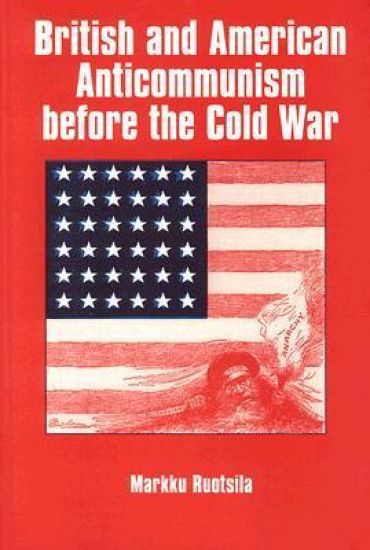
This work examines in a comparative historical way the socialist, liberal and conservative strands of Anglo-American anticommunist thought before the Cold War. In so doing, this book provides us with an intellectual pre-history of Cold War attitudes and policy positions.
This work examines in a comparative historical way the socialist, liberal and conservative strands of Anglo-American anticommunist thought before the Cold War. In so doing, this book provides us with an intellectual pre-history of Cold War attitudes and policy positions.
Comparative Legal Reasoning and European Law deals with the use of comparative law in European legal adjudication. It describes the different forms of the use of comparative law in legal reasoning, argumentation and justification in several national legal orders and in European level legal institutions. The book begins with an inquiry into the nature of comparative law as a legal source. After the description of the empirical study it ends to the general theory of European law and several hard cases of European law are examined. The book is intended for students and researchers in European law but it also contains aspects to be taken into account in the practical work in European legal orders and legal institutions by judges and legal practitioners.
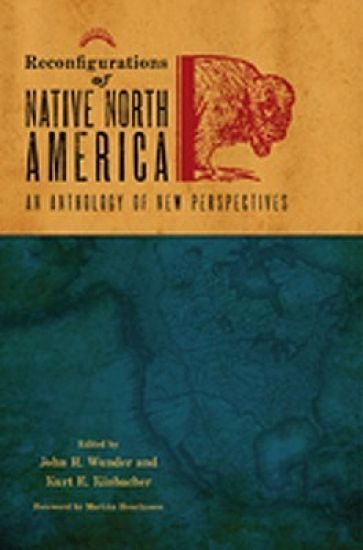
Implementing many of the most cutting-edge trends in contemporary indigenous studies, these seventeen original essays tackle indigenous identity, cultural perseverance, economic development, and urbanization in a wide array of American Indian and First Nations populations. The authors present and preserve indigenous voices and carefully consider native world views throughout the eighteenth, nineteenth, and twentieth centuries, and also address mainstream policies that influenced Native people in various eras and locales. The essays range from the specific single peoples living in well-defined spaces during discrete time periods, to the expansive broad comparative and international discussions. Yet the volumes diversity extends beyond its topical breadth. The contributors themselves - many of whom are Native Americans or members of other First Nation - speer through scholarly lenses polished in Canada, Denmark, Finland, England, Sweden, and the United States. The ensuing synthesis helps to clarify the modern complexities of analyzing indigenous pasts.