Kirjojen hintavertailu. Mukana 11 244 527 kirjaa ja 12 kauppaa.

Kirjahaku

Etsi kirjoja tekijän nimen, kirjan nimen tai ISBN:n perusteella.

1000 tulosta hakusanalla Marvin A. Sweeney

King Josiah of Judah

King Josiah of Judah

Marvin A. Sweeney

Oxford University Press Inc
2001
sidottu
Said to have lived from 640-609 BC, King Josiah of Judah is a figure of extraordinary importance for the history of Israel. Using synchronic and diachronic analyses of the Deuteronomistic History, Deuteronomy, and selected prophetic books, Marvin Sweeney reconstructs the ideological perspectives of King Josiah's program of religious and national restoration.
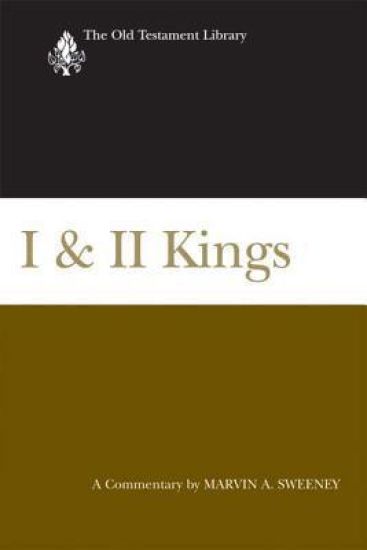
I & II Kings

I & II Kings

Marvin A. Sweeney

Westminster/John Knox Press,U.S.
2007
sidottu
This volume offers a close reading of the historical books of I and II Kings, concentrating on not only issues in the history of Israel but also the literary techniques of storytelling used in these books. Marvin A. Sweeney provides a major contribution to the prominent Old Testament Library series with advanced discussions of textual difficulties in the books of Kings as well as compelling narrative interpretations.The Old Testament Library provides fresh and authoritative treatments of important aspects of Old Testament study through commentaries and general surveys. The contributors are scholars of international standing.
I & II Kings (2007)

I & II Kings (2007)

Marvin A. Sweeney

Westminster/John Knox Press,U.S.
2013
nidottu
This volume offers a close reading of the historical books of I and II Kings, concentrating on not only issues in the history of Israel but also the literary techniques of storytelling used in these books. Marvin A. Sweeney provides a major contribution to the prominent Old Testament Library series with advanced discussions of textual difficulties in the books of Kings as well as compelling narrative interpretations.The Old Testament Library provides fresh and authoritative treatments of important aspects of Old Testament study through commentaries and general surveys. The contributors are scholars of international standing.
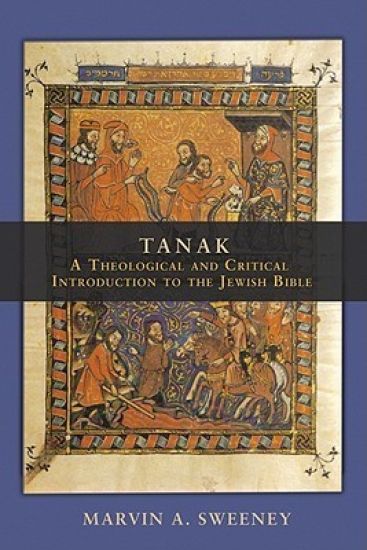
TANAK

TANAK

Marvin A. Sweeney

Augsburg Fortress
2011
sidottu
Though "biblical theology" has long been considered a strictly Christian enterprise, Marvin A. Sweeney here proposes a Jewish theology of the Hebrew Bible, based on the importance of Tanak as the foundation of Judaism and organized around the major components: Torah, Nevi'im (Prophets), and Kethuvim (Writings). Sweeney finds the structuring themes of Jewish life: the constitution of the nation Israel in relation to God; the disruption of that ideal, documented by the Prophets; and the reconstitution of the nation around the Second Temple in the Writings. Throughout he is attentive to tensions within and among the texts and the dialogical character of Israel's sacred heritage.
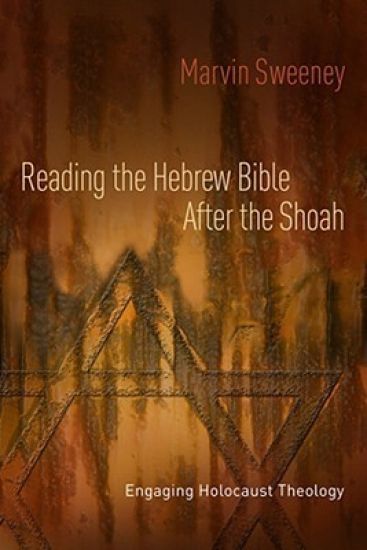
Reading the Hebrew Bible after the Shoah

Reading the Hebrew Bible after the Shoah

Marvin A. Sweeney

Fortress Press,U.S.
2008
pokkari
Is theology possible after the Shoah? Marvin Sweeney challenges biblical theologians to take that question with utmost seriousness. Sweeney examines often ignored biblical texts where ancient Israel contemplated the problem of apparent divine absence and "divine evil," and finds the perspective of post-Holocaust theology an indispensable interpretive resource. In biblical stories like those of Abraham, Moses, Jeroboam, Manasseh, Josiah, Isaiah, Ezekiel, Esther, Job, and more, Sweeney finds the recognition "that human beings cannot always depend upon God to act to ensure righteousness in the world." The insistence, common among Holocaust theologians, that human beings must assume their own responsibility for doing justice and righteousness in the world is, Sweeney argues, powerfully present already in the Bible itself. This book is an important contribution to modern biblical theology and to Holocaust theology as well.
Zephaniah

Zephaniah

Marvin A. Sweeney

Augsburg Fortress
2003
sidottu
The Book of Zephaniah poses a full range of interpretive and hermenutical issues for the modern reader. Sweeney's keen reading of this small, prophetic book opens new doors for Hebrew Bible research. He situates the reading of Zephaniah in the early sixth century B.C.E. rather than the late seventh century B.C.E.Sweeney's interpretation pays close attention to the often subtle differences between the Masoretic Text, Septuagint, Dead Sea Scrolls, Peshitta, and targums. His methodology includes form criticism, tradition history, and social history.
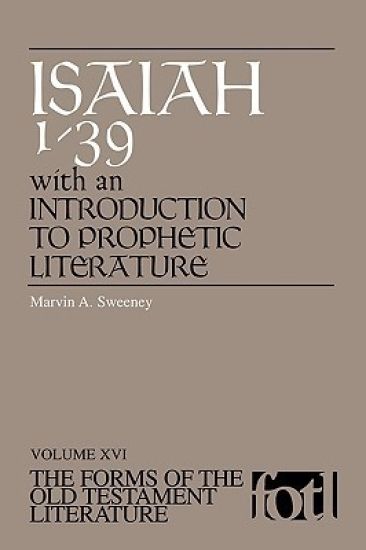
Isaiah 1-39

Isaiah 1-39

Marvin A. Sweeney

William B Eerdmans Publishing Co
1996
pokkari
1 Samuel is Volume VII of The Forms of the Old Testament Literature, a series that aims to present a form-critical analysis of every book and each unit in the Hebrew Bible. Fundamentally exegetical, the FOTL volumes examine the structure, genre, setting, and intention of the biblical literature in question. They also study the history behind the form-critical discussion of the material, attempt to bring consistency to the terminology for the genres and formulas of the biblical literature, and expose the exegetical process so as to enable students and pastors to engage in their own analysis and interpretation of the Old Testament texts. Antony Campbell's valuable form-critical analysis of 1 Samuel highlights both the literary development of the text itself and its meanings for its audience. A skilled student of the Hebrew scriptures and their ancient context, Campbell shows modern readers the process of editing and reworking that shaped 1 Samuel's final form. As Campbell's study reveals, the tensions and contradictions that exist in the present text reflect a massive change in the way of life of ancient Israel.Samuel, the first prophet, here emerges to preside over the rise of Saul, Israel's first king, to be the agent of Saul's rejection, and to anoint David as Israel's next king and the first established head of a royal dynasty. The book of 1 Samuel captures the work of God within this interplay of sociopolitical forces, and Campbell fruitfully explores the text both as a repository of traditions of great significance for Israel and as a paradigm of Israel's use of narrative for theological expression.
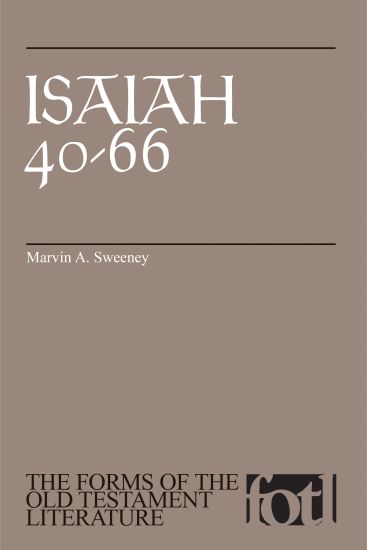
Isaiah 40-66

Isaiah 40-66

Marvin A. Sweeney

William B Eerdmans Publishing Co
2016
nidottu
Isaiah 40-66, by Marvin A. Sweeney, is the nineteenth published volume in The Forms of Old Testament Literature (FOTL), a series that provides a form-critical analysis of the books and units in the Hebrew Bible. Building on his earlier FOTL volume Isaiah 1-39, Sweeney here presents his analysis of Isaiah 40-66 within both the synchronic literary form of Isaiah and the diachronic history of its composition. In keeping with the methodology and goals of the FOTL series, Isaiah 40-66 offers detailed examinations of the formal structure of the chapters covered; the genres that function within these chapters; the literary, historical, and social settings of the text; and the overall interpretation of Isaiah 40-66 and its constituent textual units. Including a glossary of the genres and formulas discussed, this commentary will be a useful resource to anyone wishing to engage more deeply with this central book in the Hebrew Bible.
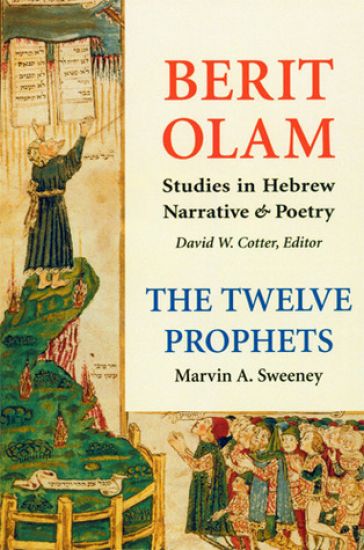
Berit Olam

Berit Olam

Marvin A. Sweeney

Liturgical Press
2000
sidottu
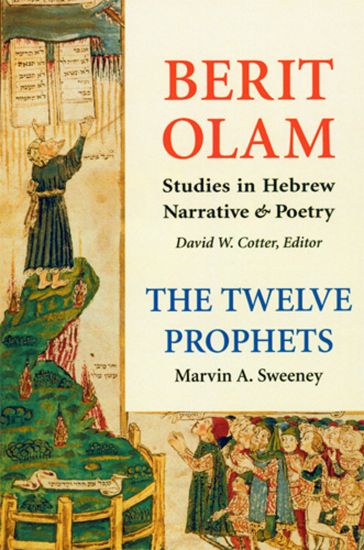
There is generally no common material that binds together the works of the individual prophets that comprise the Twelve, but through Sweeney's commentary they stand together as a single, clearly defined book among the other prophetic books of the Bible. The Book of the Twelve Prophets is a multifaceted literary composition that functions simultaneously in all Jewish and Christian versions of the Bible as a single prophetic book and as a collection of twelve individual prophetic books. Each of the twelve individual books - Hosea, Joel, Amos, Obadiah, Jonah, Micah, Nahum, Habakkuk, Zephaniah, Haggai, Zechariah, and Malachi - begins with its own narrative introduction that identifies the prophet and provides details concerning the historical setting and literary characteristics. In this manner each book is clearly distinguished from the others within the overall framework of the Twelve.By employing a combination of literary methodologies, such as reader response criticism, canonical criticism, and structural form criticism, Sweeney establishes the literary structure of the Book of the Twelve as a whole, and of each book with their respective ideological or theological perspectives. An introductory chapter orients readers to questions posed by reading the Book of the Twelve as a coherent piece of literature and to a literary overview of the Twelve. Sweeney then treats each of the twelve individual prophetic books in the order of the Masoretic canon, providing a discussion of each one's structure, theme, and outlook. This is followed by a detailed literary discussion of the textual units that comprise the book.
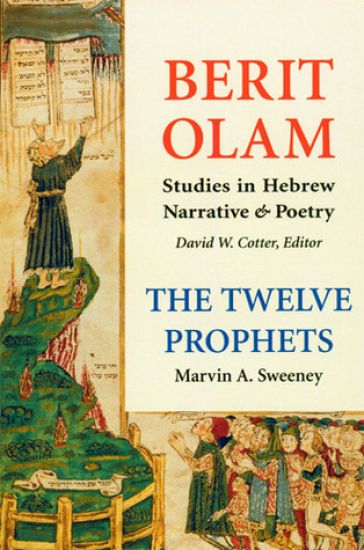
Berit Olam

Berit Olam

Marvin A. Sweeney

Liturgical Press
2000
sidottu
There is generally no common material that binds together the works of the individual prophets that comprise the Twelve, but through Sweeney's commentary they stand together as a single, clearly defined book among the other prophetic books of the Bible.The Book of the Twelve Prophets is a multifaceted literary composition that functions simultaneously in all Jewish and Christian versions of the Bible as a single prophetic book and as a collection of twelve individual prophetic books. Each of the twelve individual books - Hosea, Joel, Amos, Obadiah, Jonah, Micah, Nahum, Habakkuk, Zephaniah, Haggai, Zechariah, and Malachi - begins with its own narrative introduction that identifies the prophet and provides details concerning the historical setting and literary characteristics. In this manner each book is clearly distinguished from the others within the overall framework of the Twelve.By employing a combination of literary methodologies, such as reader response criticism, canonical criticism, and structural form criticism, Sweeney establishes the literary structure of the Book of the Twelve as a whole, and of each book with their respective ideological or theological perspectives. An introductory chapter orients readers to questions posed by reading the Book of the Twelve as a coherent piece of literature and to a literary overview of the Twelve. Sweeney then treats each of the twelve individual prophetic books in the order of the Masoretic canon, providing a discussion of each one's structure, theme, and outlook. This is followed by a detailed literary discussion of the textual units that comprise the book.
Berit Olam

Berit Olam

Marvin A. Sweeney

Liturgical Press
2021
pokkari
There is generally no common material that binds together the works of the individual prophets that comprise the Twelve, but through Sweeney's commentary they stand together as a single, clearly defined book among the other prophetic books of the Bible. The Book of the Twelve Prophets is a multifaceted literary composition that functions simultaneously in all Jewish and Christian versions of the Bible as a single prophetic book and as a collection of twelve individual prophetic books. Each of the twelve individual books - Hosea, Joel, Amos, Obadiah, Jonah, Micah, Nahum, Habakkuk, Zephaniah, Haggai, Zechariah, and Malachi - begins with its own narrative introduction that identifies the prophet and provides details concerning the historical setting and literary characteristics. In this manner each book is clearly distinguished from the others within the overall framework of the Twelve.By employing a combination of literary methodologies, such as reader response criticism, canonical criticism, and structural form criticism, Sweeney establishes the literary structure of the Book of the Twelve as a whole, and of each book with their respective ideological or theological perspectives. An introductory chapter orients readers to questions posed by reading the Book of the Twelve as a coherent piece of literature and to a literary overview of the Twelve. Sweeney then treats each of the twelve individual prophetic books in the order of the Masoretic canon, providing a discussion of each one's structure, theme, and outlook. This is followed by a detailed literary discussion of the textual units that comprise the book.
Berit Olam

Berit Olam

Marvin A. Sweeney

Liturgical Press
2021
pokkari
There is generally no common material that binds together the works of the individual prophets that comprise the Twelve, but through Sweeney's commentary they stand together as a single, clearly defined book among the other prophetic books of the Bible.The Book of the Twelve Prophets is a multifaceted literary composition that functions simultaneously in all Jewish and Christian versions of the Bible as a single prophetic book and as a collection of twelve individual prophetic books. Each of the twelve individual books - Hosea, Joel, Amos, Obadiah, Jonah, Micah, Nahum, Habakkuk, Zephaniah, Haggai, Zechariah, and Malachi - begins with its own narrative introduction that identifies the prophet and provides details concerning the historical setting and literary characteristics. In this manner each book is clearly distinguished from the others within the overall framework of the Twelve.By employing a combination of literary methodologies, such as reader response criticism, canonical criticism, and structural form criticism, Sweeney establishes the literary structure of the Book of the Twelve as a whole, and of each book with their respective ideological or theological perspectives. An introductory chapter orients readers to questions posed by reading the Book of the Twelve as a coherent piece of literature and to a literary overview of the Twelve. Sweeney then treats each of the twelve individual prophetic books in the order of the Masoretic canon, providing a discussion of each one's structure, theme, and outlook. This is followed by a detailed literary discussion of the textual units that comprise the book.
1 – 2 Samuel

1 – 2 Samuel

Marvin A. Sweeney

Cambridge University Press
2023
pokkari
In this commentary to 1–2 Samuel, Marvin Sweeney focuses on the qualities of leadership displayed by the major characters of the book. He reads 1–2 Samuel in relation to Machiavelli's The Prince and Sun Tzu's The Art of War, which provide a comparative evaluation of the qualities of leadership displayed by Eli, Samuel, Saul, David, Ish-Bosheth, Abner, Abshalom, Joab, and others. Additionally, Sweeney provides an analysis of the synchronic, literary structure of Samuel, as well as a new theory regarding its composition. He also re-evaluates the role of 2 Samuel 21–24 within the synchronic literary structure of the book, arguing that the so-called Succession Narrative in 2 Samuel 9–20 is a northern Israelite composition that stands as a component of the Jehu Dynastic History. Highlighting the geography and cities of the land of Israel, Sweeney's commentary enables readers to understand the role that the land of Israel plays in the narrative of the book of Samuel.
1 – 2 Samuel

1 – 2 Samuel

Marvin A. Sweeney

Cambridge University Press
2023
sidottu
In this commentary to 1–2 Samuel, Marvin Sweeney focuses on the qualities of leadership displayed by the major characters of the book. He reads 1–2 Samuel in relation to Machiavelli's The Prince and Sun Tzu's The Art of War, which provide a comparative evaluation of the qualities of leadership displayed by Eli, Samuel, Saul, David, Ish-Bosheth, Abner, Abshalom, Joab, and others. Additionally, Sweeney provides an analysis of the synchronic, literary structure of Samuel, as well as a new theory regarding its composition. He also re-evaluates the role of 2 Samuel 21–24 within the synchronic literary structure of the book, arguing that the so-called Succession Narrative in 2 Samuel 9–20 is a northern Israelite composition that stands as a component of the Jehu Dynastic History. Highlighting the geography and cities of the land of Israel, Sweeney's commentary enables readers to understand the role that the land of Israel plays in the narrative of the book of Samuel.
The Pentateuch

The Pentateuch

Marvin A. Sweeney

Abingdon Press
2017
nidottu
The Pentateuch, in the Core Biblical Studies series, will introduce the Five Books of Moses: Genesis, Exodus, Leviticus, Numbers, and Deuteronomy. It will combine a purely literary approach to reading the final form of the Pentateuch with a historical reading of the text. The literary approach will emphasize the structural role played by the so-called toledoth (generations) formulae that trace the history of humankind from Adam, through the ancestors of Israel, and finally to Moses and Aaron as the founders of Israel's priesthood. The historical reading of the text will challenge the older model of source analysis to argue instead for a model that traces the composition of the Pentateuch from its origins in northern Israel during the 9th-8th centuries B.C.E., (E), through its subsequent editions in Judah during the 8th-7th centuries B.C.E, . (J and D), and finally through the final redaction in the Persian period, (P).Discussion throughout the volume will focus on how the text presents the origins or early history of Israel and its ideals or how it employs narrative and law to provide the foundations for an ideal national and religious identity.The volume will conclude with a brief treatment of how the Pentateuch is read in Judaism, Christianity, and Islam.