
Kirjahaku
Etsi kirjoja tekijän nimen, kirjan nimen tai ISBN:n perusteella.
1000 tulosta hakusanalla Mary E Kingsley
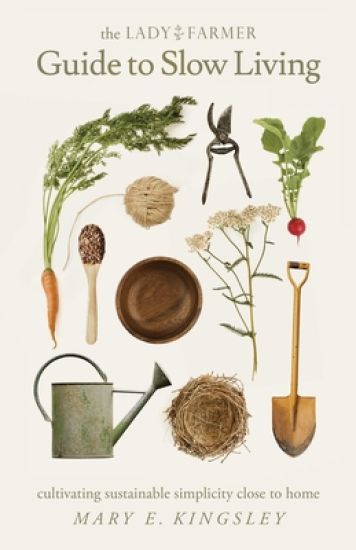
A small guide for those seeking a life of beauty, simplicity, and sustainability.In this simple and inspiring lifestyle handbook, Mary Kingsley - novelist, wife, mother, homesteader and co-founder of Lady Farmer - briefly discusses the history of humanity's relationship with the natural world, how that relationship has shifted, and how the concept of "slow living" can return health to ourselves and our planet. This guide not only includes an exploration of the damage done by our fast-food, fast-fashion, fast-everything culture, but offers simple ways each of us can help to heal that damage.Though she lives and works on a small farm herself, the information Kingsley provides in this handy guide can be implemented in city and suburb, helping all of us feel more connected and less out of step with our environment. The Lady Farmer Guide to Slow Living includes stories, tips, recipes, resources, ideas, and questions to get you thinking about your own relationship to the planet, what you eat, what you wear, where you live, and how you live. It even contains three weeks of daily thought exercises to lead you in the process.The Lady Farmer Guide to Slow Living is the perfect introduction for anyone looking to live a slower, more connected, and more harmonious life on Planet Earth.
An alabaster box examines how individual transformation intersects with communal expectations in a tightly knit village governed by unspoken rules. The novel reveals how personal ambition must often be masked as piety, especially when institutional roles demand moral restraint and emotional suppression. Beneath the surface of polite society, subtle tensions emerge between tradition and change, casting doubt on motives that deviate from established norms. Acts of kindness are dissected for hidden agendas, and any disruption to social order is treated with suspicion. The presence of a stranger becomes the catalyst for self-reflection and unease, as the townspeople grapple with their own insecurities while projecting judgment onto others. The story highlights the fragility of public trust, the performance of virtue, and the struggle to maintain dignity in a community where conformity outweighs honesty. In this atmosphere, emotional truths are stifled, and generosity is seen less as grace and more as a challenge to authority. The result is a study in power, isolation, and the elusive nature of sincerity.
This book has been considered important throughout the human history, and so that this work is never forgotten Alpha Editions has made efforts in its preservation by republishing this book in a modern format for the present and future generations. This whole book has been re-formatted, re-typed and re-designed. These books are not made of scanned copies of their original work, and hence the text is clear and readable.
The Folk-Lore Society for Collecting and Printing Relics of Popular Antiquities
R. E. Dennett; Mary H. Kingsley
Hansebooks
2020
nidottu
This work has been selected by scholars as being culturally important and is part of the knowledge base of civilization as we know it.This work is in the public domain in the United States of America, and possibly other nations. Within the United States, you may freely copy and distribute this work, as no entity (individual or corporate) has a copyright on the body of the work.Scholars believe, and we concur, that this work is important enough to be preserved, reproduced, and made generally available to the public. To ensure a quality reading experience, this work has been proofread and republished using a format that seamlessly blends the original graphical elements with text in an easy-to-read typeface.We appreciate your support of the preservation process, and thank you for being an important part of keeping this knowledge alive and relevant.
This work has been selected by scholars as being culturally important and is part of the knowledge base of civilization as we know it.This work is in the public domain in the United States of America, and possibly other nations. Within the United States, you may freely copy and distribute this work, as no entity (individual or corporate) has a copyright on the body of the work.Scholars believe, and we concur, that this work is important enough to be preserved, reproduced, and made generally available to the public. To ensure a quality reading experience, this work has been proofread and republished using a format that seamlessly blends the original graphical elements with text in an easy-to-read typeface.We appreciate your support of the preservation process, and thank you for being an important part of keeping this knowledge alive and relevant.
![[Diary of Mary E. Shawver]](/covers/9781014536358.jpg)

Mary E. Braddon, Collection novels
Mary Elizabeth Braddon; Mary E. Braddon
Createspace Independent Publishing Platform
2014
nidottu
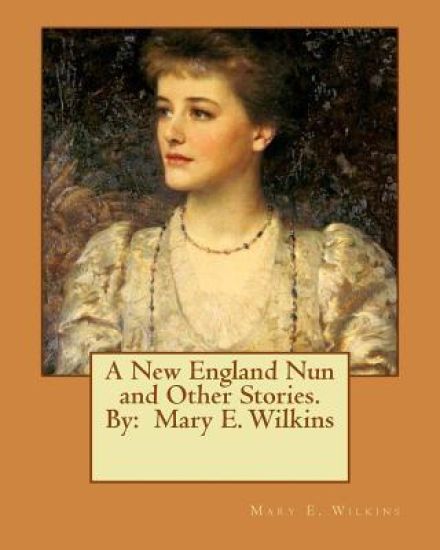
A New England Nun and Other Stories. By: Mary E. Wilkins
Mary E. Wilkins
Createspace Independent Publishing Platform
2016
nidottu
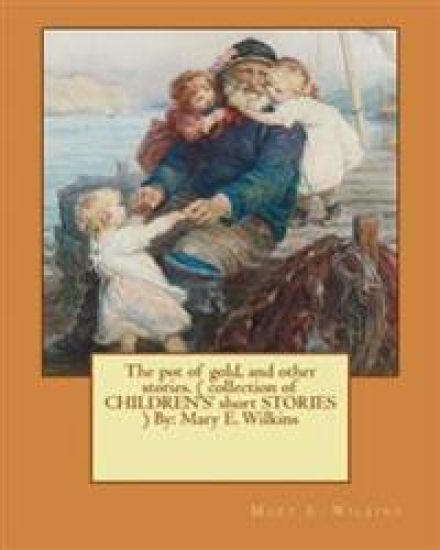
The pot of gold, and other stories. ( collection of CHILDREN'S' short STORIES ) By: Mary E. Wilkins (Illustrated)
Mary E. Wilkins
Createspace Independent Publishing Platform
2016
nidottu
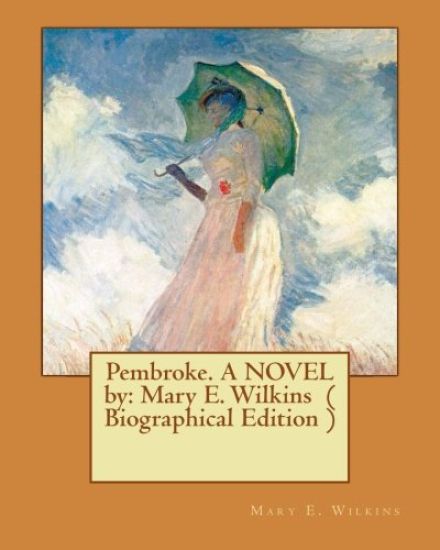
Pembroke. A NOVEL by: Mary E. Wilkins ( Biographical Edition )
Mary E. Wilkins
Createspace Independent Publishing Platform
2016
nidottu
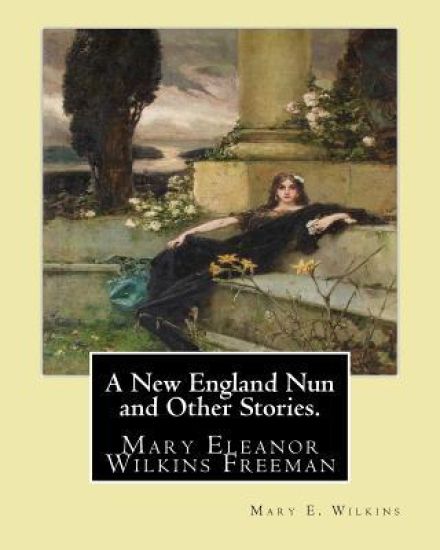
A New England Nun and Other Stories. By: Mary E. Wilkins: Mary Eleanor Wilkins Freeman (October 31, 1852 - March 13, 1930) was a prominent 19th-centur
Mary E. Wilkins
Createspace Independent Publishing Platform
2017
nidottu
Mary Eleanor Wilkins Freeman (October 31, 1852 - March 13, 1930) was a prominent 19th-century American author She was born in Randolph, Massachusetts on October 31, 1852, to Eleanor Lothrop and Warren Edward Wilkins, who originally baptized her as "Mary Ella". Freeman's parents were orthodox Congregationalists, causing her to have a very strict childhood. Religious constraints play a key role in some of her works. LIST OF STORIES. A New England nun.--A village singer.--A gala dress.--The twelfth guest.--Sister Liddy.--Calla-lilies & Hannah.--Wayfaring couple.--A poetess.--Christmas Jenny.--Pot of gold.--Scent of the roses.--A solitary.--Gentle ghost.--A discovered pearl.--A village Lear.--Amanda & love.--Up Primrose hill.--Stolen Christmas.--Life everlastin'.--Innocent gamester. Louisa.--Church mouse.--Kitchen colonel.--The revolt of "Mother She was born in Randolph, Massachusetts on October 31, 1852, to Eleanor Lothrop and Warren Edward Wilkins, who originally baptized her as "Mary Ella". Freeman's parents were orthodox Congregationalists, causing her to have a very strict childhood.Religious constraints play a key role in some of her works. In 1867, the family moved to Brattleboro, Vermont, where Freeman graduated from the local high school before attending attended Mount Holyoke College (then, Mount Holyoke Female Seminary) in South Hadley, Massachusetts, for one year, from 1870-71. She later finished her education at Glenwood Seminary in West Brattleboro. When the family's dry goods business in Vermont failed in 1873, the family returned to Randolph, Massachusetts. Freeman's mother died three years later, and she changed her middle name to "Eleanor" in her memory. Freeman's father died suddenly in 1883, leaving her without any immediate family and an estate worth only $973. She moved in with a friend and began writing as her only source of income. During a visit to Metuchen, New Jersey in 1892, she met Dr. Charles Manning Freeman, a non-practicing medical doctor seven years younger than she. After years of courtship and delays, the two were married on January 1, 1902. Immediately after, she firmly established her name as "Mary E. Wilkins Freeman", which she asked Harper's to use on all of her work.The couple built a home in Metuchen, where Freeman was known as a local celebrity for her writing, despite having occasionally published satirical fictional representations of her neighbors. Her husband, who suffered from alcoholism and an addiction to sleeping powders, was committed to the New Jersey State Hospital for the Insane in Trenton, and the two legally separated a year later.After his death in 1923, he left the majority of his wealth to his chauffeur and only one dollar to his former wife. In April 1926, Freeman became the first recipient of the William Dean Howells Medal for Distinction in Fiction from the American Academy of Arts and Letters. She suffered a heart attack and died in Metuchen on March 15, 1930, at age 77. She was interred in Hillside Cemetery in Scotch Plains, New Jersey. Freeman began writing stories and verse for children while still a teenager to help support her family and was quickly successful. When the supernatural caught her interest, the result was a group of short stories which combined domestic realism with supernaturalism and these have proved very influential. Her best known work was written in the 1880s and 1890s while she lived in Randolph. She produced more than two dozen volumes of published short stories and novels. She is best known for two collections of stories, A Humble Romance and Other Stories (1887) and A New England Nun and Other Stories (1891). Her stories deal mostly with New England life and are among the best of their kind. Freeman is also remembered for her novel Pembroke (1894), and she contributed a notable chapter to the collaborative novel The Whole Family (1908).
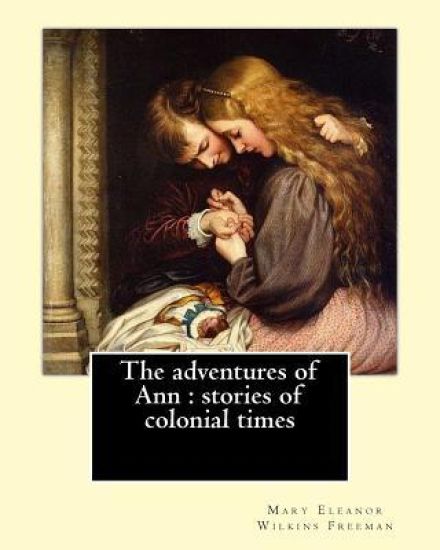
The adventures of Ann: stories of colonial times. By: Mary E. Wilkins: Mary Eleanor Wilkins Freeman (October 31, 1852 - March 13, 1930) was a
Mary E. Wilkins
Createspace Independent Publishing Platform
2017
nidottu
Mary Eleanor Wilkins Freeman (October 31, 1852 - March 13, 1930) was a prominent 19th-century American author. She was born in Randolph, Massachusetts on October 31, 1852, to Eleanor Lothrop and Warren Edward Wilkins, who originally baptized her as "Mary Ella". Freeman's parents were orthodox Congregationalists, causing her to have a very strict childhood.Religious constraints play a key role in some of her works. In 1867, the family moved to Brattleboro, Vermont, where Freeman graduated from the local high school before attending attended Mount Holyoke College (then, Mount Holyoke Female Seminary) in South Hadley, Massachusetts, for one year, from 1870-71. She later finished her education at Glenwood Seminary in West Brattleboro. When the family's dry goods business in Vermont failed in 1873, the family returned to Randolph, Massachusetts. Freeman's mother died three years later, and she changed her middle name to "Eleanor" in her memory. Freeman's father died suddenly in 1883, leaving her without any immediate family and an estate worth only $973. She moved in with a friend and began writing as her only source of income. During a visit to Metuchen, New Jersey in 1892, she met Dr. Charles Manning Freeman, a non-practicing medical doctor seven years younger than she. After years of courtship and delays, the two were married on January 1, 1902. Immediately after, she firmly established her name as "Mary E. Wilkins Freeman", which she asked Harper's to use on all of her work.The couple built a home in Metuchen, where Freeman was known as a local celebrity for her writing, despite having occasionally published satirical fictional representations of her neighbors. Her husband, who suffered from alcoholism and an addiction to sleeping powders, was committed to the New Jersey State Hospital for the Insane in Trenton, and the two legally separated a year later.After his death in 1923, he left the majority of his wealth to his chauffeur and only one dollar to his former wife. In April 1926, Freeman became the first recipient of the William Dean Howells Medal for Distinction in Fiction from the American Academy of Arts and Letters. She suffered a heart attack and died in Metuchen on March 15, 1930, at age 77. She was interred in Hillside Cemetery in Scotch Plains, New Jersey. Freeman began writing stories and verse for children while still a teenager to help support her family and was quickly successful. When the supernatural caught her interest, the result was a group of short stories which combined domestic realism with supernaturalism and these have proved very influential. Her best known work was written in the 1880s and 1890s while she lived in Randolph. She produced more than two dozen volumes of published short stories and novels. She is best known for two collections of stories, A Humble Romance and Other Stories (1887) and A New England Nun and Other Stories (1891). Her stories deal mostly with New England life and are among the best of their kind. Freeman is also remembered for her novel Pembroke (1894), and she contributed a notable chapter to the collaborative novel The Whole Family (1908).
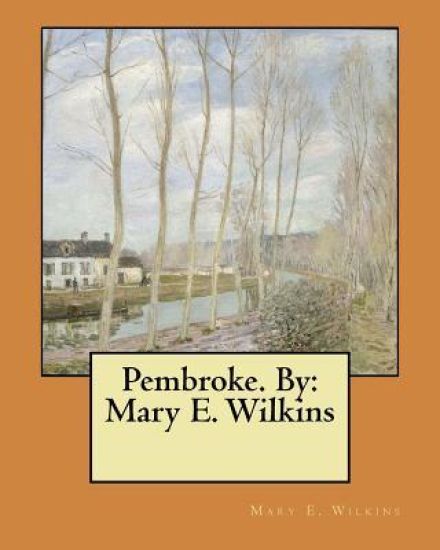
Pembroke. By: Mary E. Wilkins
Mary E. Wilkins
Createspace Independent Publishing Platform
2017
nidottu
Mary Eleanor Wilkins Freeman (October 31, 1852 - March 13, 1930) was a prominent 19th-century American author.Freeman was born in Randolph, Massachusetts on October 31, 1852, to Eleanor Lothrop and Warren Edward Wilkins, who originally baptized her "Mary Ella". Freeman's parents were orthodox Congregationalists, bestowing a very strict childhood. Religious constraints play a key role in some of her works. In 1867, the family moved to Brattleboro, Vermont, where Freeman graduated from the local high school before attending, Mount Holyoke College (then, Mount Holyoke Female Seminary) in South Hadley, Massachusetts, for one year, from 1870-71. She later finished her education at Glenwood Seminary in West Brattleboro. When the family's dry goods business in Vermont failed in 1873, the family returned to Randolph, Massachusetts. Freeman's mother died three years later, and she changed her middle name to "Eleanor" in her memory. Freeman's father died suddenly in 1883, leaving her without any immediate family and an estate worth only $973. She moved in with a friend and began writing as her only source of income.During a visit to Metuchen, New Jersey in 1892, she met Dr. Charles Manning Freeman, a non-practicing medical doctor seven years younger than she. After years of courtship and delays, the two were married on January 1, 1902. Immediately after, she firmly established her name as "Mary E. Wilkins Freeman", which she asked Harper's to use on all of her work.
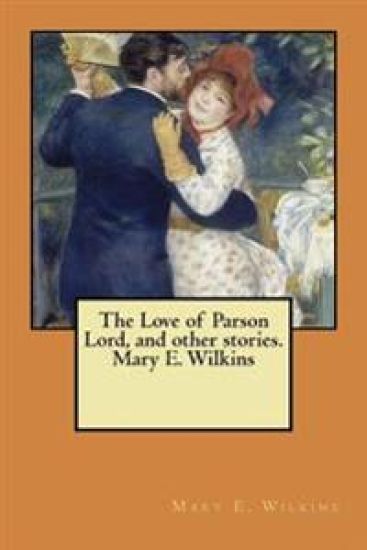
The Love of Parson Lord, and other stories. Mary E. Wilkins
Mary E. Wilkins
Createspace Independent Publishing Platform
2017
nidottu
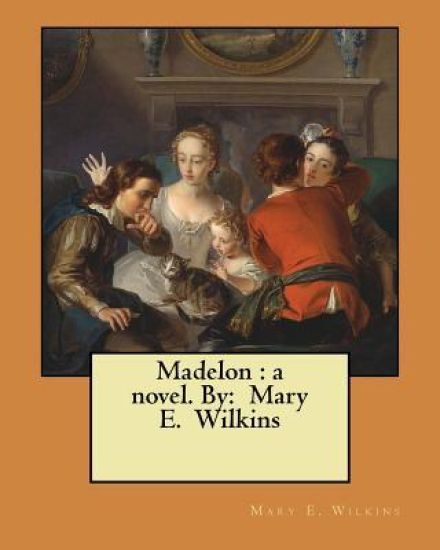
Madelon: a novel. By: Mary E. Wilkins
Mary E. Wilkins
Createspace Independent Publishing Platform
2017
nidottu
Mary Eleanor Wilkins Freeman (October 31, 1852 - March 13, 1930) was a prominent 19th-century American author.Freeman was born in Randolph, Massachusetts on October 31, 1852, to Eleanor Lothrop and Warren Edward Wilkins, who originally baptized her "Mary Ella". Freeman's parents were orthodox Congregationalists, bestowing a very strict childhood. Religious constraints play a key role in some of her works. In 1867, the family moved to Brattleboro, Vermont, where Freeman graduated from the local high school before attending, Mount Holyoke College (then, Mount Holyoke Female Seminary) in South Hadley, Massachusetts, for one year, from 1870-71. She later finished her education at Glenwood Seminary in West Brattleboro. When the family's dry goods business in Vermont failed in 1873, the family returned to Randolph, Massachusetts. Freeman's mother died three years later, and she changed her middle name to "Eleanor" in her memory. Freeman's father died suddenly in 1883, leaving her without any immediate family and an estate worth only $973. She moved in with a friend and began writing as her only source of income.During a visit to Metuchen, New Jersey in 1892, she met Dr. Charles Manning Freeman, a non-practicing medical doctor seven years younger than she. After years of courtship and delays, the two were married on January 1, 1902. Immediately after, she firmly established her name as "Mary E. Wilkins Freeman", which she asked Harper's to use on all of her work. The couple built a home in Metuchen, where Freeman became a local celebrity for her writing, despite having occasionally published satirical fictional representations of her neighbors. Her husband suffered from alcoholism and an addiction to sleeping powders. He also had a reputation for driving fast horses, and womanizing.
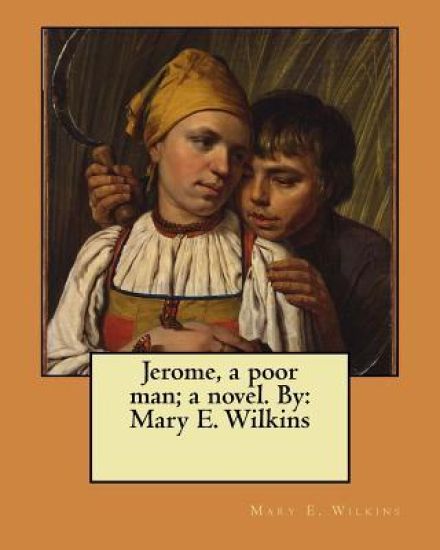
Jerome, a poor man; a novel. By: Mary E. Wilkins
Mary E. Wilkins
Createspace Independent Publishing Platform
2017
nidottu
Mary Eleanor Wilkins Freeman (October 31, 1852 - March 13, 1930) was a prominent 19th-century American author.Freeman was born in Randolph, Massachusetts on October 31, 1852, to Eleanor Lothrop and Warren Edward Wilkins, who originally baptized her "Mary Ella". Freeman's parents were orthodox Congregationalists, bestowing a very strict childhood. Religious constraints play a key role in some of her works. In 1867, the family moved to Brattleboro, Vermont, where Freeman graduated from the local high school before attending, Mount Holyoke College (then, Mount Holyoke Female Seminary) in South Hadley, Massachusetts, for one year, from 1870-71. She later finished her education at Glenwood Seminary in West Brattleboro. When the family's dry goods business in Vermont failed in 1873, the family returned to Randolph, Massachusetts. Freeman's mother died three years later, and she changed her middle name to "Eleanor" in her memory. Freeman's father died suddenly in 1883, leaving her without any immediate family and an estate worth only $973. She moved in with a friend and began writing as her only source of income.During a visit to Metuchen, New Jersey in 1892, she met Dr. Charles Manning Freeman, a non-practicing medical doctor seven years younger than she. After years of courtship and delays, the two were married on January 1, 1902. Immediately after, she firmly established her name as "Mary E. Wilkins Freeman", which she asked Harper's to use on all of her work.
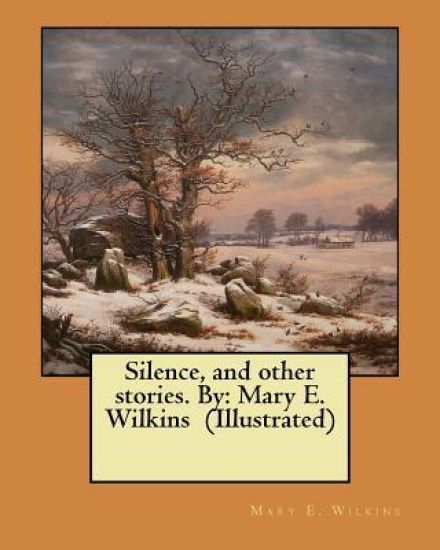
Silence, and other stories. By: Mary E. Wilkins (Illustrated)
Mary E. Wilkins
Createspace Independent Publishing Platform
2017
nidottu
Mary Eleanor Wilkins Freeman (October 31, 1852 - March 13, 1930) was a prominent 19th-century American author.Freeman was born in Randolph, Massachusetts on October 31, 1852, to Eleanor Lothrop and Warren Edward Wilkins, who originally baptized her "Mary Ella". Freeman's parents were orthodox Congregationalists, bestowing a very strict childhood. Religious constraints play a key role in some of her works. In 1867, the family moved to Brattleboro, Vermont, where Freeman graduated from the local high school before attending, Mount Holyoke College (then, Mount Holyoke Female Seminary) in South Hadley, Massachusetts, for one year, from 1870-71. She later finished her education at Glenwood Seminary in West Brattleboro. When the family's dry goods business in Vermont failed in 1873, the family returned to Randolph, Massachusetts. Freeman's mother died three years later, and she changed her middle name to "Eleanor" in her memory. Freeman's father died suddenly in 1883, leaving her without any immediate family and an estate worth only $973. She moved in with a friend and began writing as her only source of income.During a visit to Metuchen, New Jersey in 1892, she met Dr. Charles Manning Freeman, a non-practicing medical doctor seven years younger than she. After years of courtship and delays, the two were married on January 1, 1902. Immediately after, she firmly established her name as "Mary E. Wilkins Freeman", which she asked Harper's to use on all of her work. The couple built a home in Metuchen, where Freeman became a local celebrity for her writing, despite having occasionally published satirical fictional representations of her neighbors. Her husband suffered from alcoholism and an addiction to sleeping powders. He also had a reputation for driving fast horses, and womanizing.