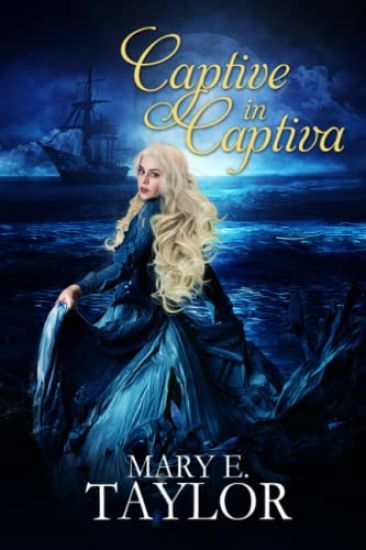
Mistaken for a harlot and now captive aboard a famous pirate ship-does Emily Foster have any options?Emma Foster wasn't a brothel girl, far from it. When she's mistaken for one she finds herself gagged, knocked unconscious, and dragged aboard the infamous pirate ship, The Floriblanca, captained by the fearsome and notorious Gasparilla. He intends to auction her off in Captiva, but he'll have to get her there first.A feisty spitfire with a duty to her dying father, Emma isn't about to be snatched away from her home and everything she loves without a fight.When she wakes inside the ship's belly, she makes sure her objections are made loud and clear-and that noise brings attention. The first man on scene is the captain himself, and with him he brings warm memories of a too-brief encounter on the cobblestone streets of Philadelphia.Try as she might to despise her captor, subtle flirtation erupts into a burning electricity, becoming far too intense to ignore. She doesn't know what to think, but she knows one thing for certain: she didn't come here by choice. She was a captive.And in the face of that, does anything else really matter?
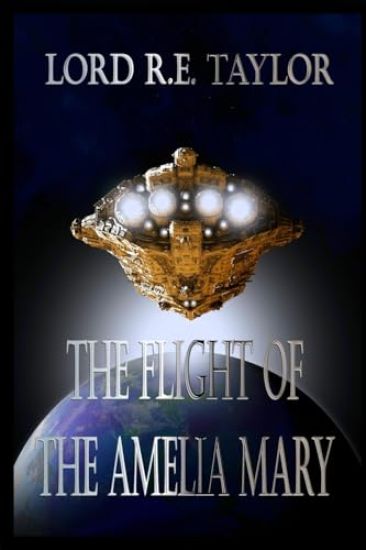
Throughout the space age, one question has always been asked...is there another Earth orbiting on the other side of the Sun? Finally, the world decided to answer that question with the launch of the WSS Amelia Mary to take the one-year impossible mission to find out the truth. Their findings may shock the world into realizing the Earth's place in the universe
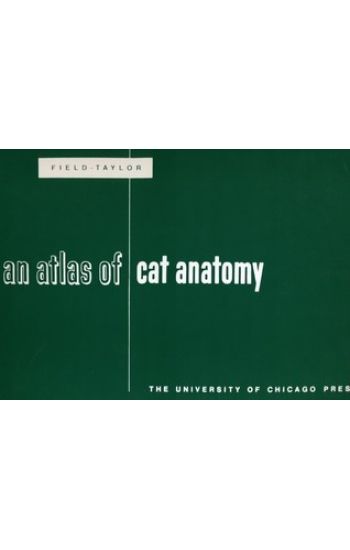
An Atlas of Cat Anatomy can help a student learn twice as much as he could in the same amount of time using only a written description. The book is spiral bound and stands like an easel, taking a minimum amount of space in the work area. Altogether there are fifty-seven plates featuring the various parts and organ systems in their actual size, making identification remarkably easy. A brief verbal description accompanies each plate. In addition, the extensive glossary includes synonymous terms, derivations, definitions, and keys to pronunciation.
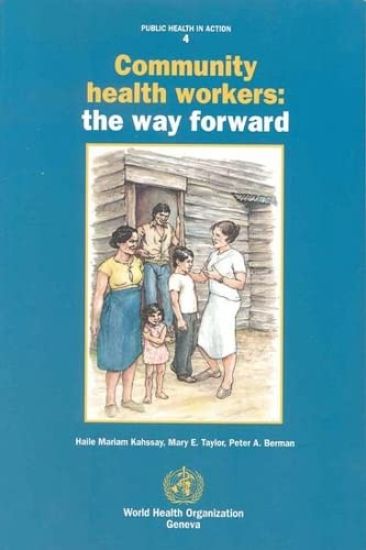
This work examines the present and future role of community health works (CHW) as part of ongoing efforts to develop sustainable health systems and improve public health. It draws on evaluations, conducted since the 1960s, to identify problems, explore their roots and propose concrete solutions.
Camarillo State Hospital, affectionately known as "Cam," officially opened its doors in 1936, during a time when the California State Commission in Lunacy oversaw the treatment and care of those deemed mentally ill. A pioneering research institution in autism and schizophrenia, Cam achieved notoriety as one of two state institutions that accommodated children and as the first state hospital to receive certification for treatment of the developmentally disabled. Although it was an independent body, retaining its own dairy, farm, residences, and even a bowling alley, Cam also developed creative relationships with volunteers, educators, and businesspeople for the betterment of its patients. "Enhancing Innovation Through Independence" became Cam's final ambition and, in the end, its ultimate achievement.
Bradley D Stein; Beau Kilmer; Jirka Taylor; Mary E Vaiana; Dionne Barnes-Proby; Jonathan P Caulkins; Lois M Davis; Michael Dworsky; Susan M Gates; Martin Y Iguchi; Karen Chan Osilla; Rosalie Liccardo Pacula; Bryce Pardo; Tisamarie B Sherry; Sierra Smucker
Scholarship Assessed continues the exploration begun by Scholarship Reconsidered. It examines the changing nature of scholarship in today's colleges and universities and proposes new standards with a special emphasis on methods for assessment and documentation.Begun under the oversight of Ernest L. Boyer, and based on the findings of the Carnegie Foundation's National Survey on the Reexamination of Faculty Roles and Rewards, Scholarship Assessed provides a base of information for and gives focus to the debate of institutional standards of rigor and quality.
This work has been selected by scholars as being culturally important and is part of the knowledge base of civilization as we know it.This work is in the public domain in the United States of America, and possibly other nations. Within the United States, you may freely copy and distribute this work, as no entity (individual or corporate) has a copyright on the body of the work.Scholars believe, and we concur, that this work is important enough to be preserved, reproduced, and made generally available to the public. To ensure a quality reading experience, this work has been proofread and republished using a format that seamlessly blends the original graphical elements with text in an easy-to-read typeface.We appreciate your support of the preservation process, and thank you for being an important part of keeping this knowledge alive and relevant.
This work has been selected by scholars as being culturally important and is part of the knowledge base of civilization as we know it.This work is in the public domain in the United States of America, and possibly other nations. Within the United States, you may freely copy and distribute this work, as no entity (individual or corporate) has a copyright on the body of the work.Scholars believe, and we concur, that this work is important enough to be preserved, reproduced, and made generally available to the public. To ensure a quality reading experience, this work has been proofread and republished using a format that seamlessly blends the original graphical elements with text in an easy-to-read typeface.We appreciate your support of the preservation process, and thank you for being an important part of keeping this knowledge alive and relevant.
Mary Eleanor Wilkins Freeman (October 31, 1852 - March 13, 1930) was a prominent 19th-century American author She was born in Randolph, Massachusetts on October 31, 1852, to Eleanor Lothrop and Warren Edward Wilkins, who originally baptized her as "Mary Ella". Freeman's parents were orthodox Congregationalists, causing her to have a very strict childhood. Religious constraints play a key role in some of her works. LIST OF STORIES. A New England nun.--A village singer.--A gala dress.--The twelfth guest.--Sister Liddy.--Calla-lilies & Hannah.--Wayfaring couple.--A poetess.--Christmas Jenny.--Pot of gold.--Scent of the roses.--A solitary.--Gentle ghost.--A discovered pearl.--A village Lear.--Amanda & love.--Up Primrose hill.--Stolen Christmas.--Life everlastin'.--Innocent gamester. Louisa.--Church mouse.--Kitchen colonel.--The revolt of "Mother She was born in Randolph, Massachusetts on October 31, 1852, to Eleanor Lothrop and Warren Edward Wilkins, who originally baptized her as "Mary Ella". Freeman's parents were orthodox Congregationalists, causing her to have a very strict childhood.Religious constraints play a key role in some of her works. In 1867, the family moved to Brattleboro, Vermont, where Freeman graduated from the local high school before attending attended Mount Holyoke College (then, Mount Holyoke Female Seminary) in South Hadley, Massachusetts, for one year, from 1870-71. She later finished her education at Glenwood Seminary in West Brattleboro. When the family's dry goods business in Vermont failed in 1873, the family returned to Randolph, Massachusetts. Freeman's mother died three years later, and she changed her middle name to "Eleanor" in her memory. Freeman's father died suddenly in 1883, leaving her without any immediate family and an estate worth only $973. She moved in with a friend and began writing as her only source of income. During a visit to Metuchen, New Jersey in 1892, she met Dr. Charles Manning Freeman, a non-practicing medical doctor seven years younger than she. After years of courtship and delays, the two were married on January 1, 1902. Immediately after, she firmly established her name as "Mary E. Wilkins Freeman", which she asked Harper's to use on all of her work.The couple built a home in Metuchen, where Freeman was known as a local celebrity for her writing, despite having occasionally published satirical fictional representations of her neighbors. Her husband, who suffered from alcoholism and an addiction to sleeping powders, was committed to the New Jersey State Hospital for the Insane in Trenton, and the two legally separated a year later.After his death in 1923, he left the majority of his wealth to his chauffeur and only one dollar to his former wife. In April 1926, Freeman became the first recipient of the William Dean Howells Medal for Distinction in Fiction from the American Academy of Arts and Letters. She suffered a heart attack and died in Metuchen on March 15, 1930, at age 77. She was interred in Hillside Cemetery in Scotch Plains, New Jersey. Freeman began writing stories and verse for children while still a teenager to help support her family and was quickly successful. When the supernatural caught her interest, the result was a group of short stories which combined domestic realism with supernaturalism and these have proved very influential. Her best known work was written in the 1880s and 1890s while she lived in Randolph. She produced more than two dozen volumes of published short stories and novels. She is best known for two collections of stories, A Humble Romance and Other Stories (1887) and A New England Nun and Other Stories (1891). Her stories deal mostly with New England life and are among the best of their kind. Freeman is also remembered for her novel Pembroke (1894), and she contributed a notable chapter to the collaborative novel The Whole Family (1908).
Mary Eleanor Wilkins Freeman (October 31, 1852 - March 13, 1930) was a prominent 19th-century American author. She was born in Randolph, Massachusetts on October 31, 1852, to Eleanor Lothrop and Warren Edward Wilkins, who originally baptized her as "Mary Ella". Freeman's parents were orthodox Congregationalists, causing her to have a very strict childhood.Religious constraints play a key role in some of her works. In 1867, the family moved to Brattleboro, Vermont, where Freeman graduated from the local high school before attending attended Mount Holyoke College (then, Mount Holyoke Female Seminary) in South Hadley, Massachusetts, for one year, from 1870-71. She later finished her education at Glenwood Seminary in West Brattleboro. When the family's dry goods business in Vermont failed in 1873, the family returned to Randolph, Massachusetts. Freeman's mother died three years later, and she changed her middle name to "Eleanor" in her memory. Freeman's father died suddenly in 1883, leaving her without any immediate family and an estate worth only $973. She moved in with a friend and began writing as her only source of income. During a visit to Metuchen, New Jersey in 1892, she met Dr. Charles Manning Freeman, a non-practicing medical doctor seven years younger than she. After years of courtship and delays, the two were married on January 1, 1902. Immediately after, she firmly established her name as "Mary E. Wilkins Freeman", which she asked Harper's to use on all of her work.The couple built a home in Metuchen, where Freeman was known as a local celebrity for her writing, despite having occasionally published satirical fictional representations of her neighbors. Her husband, who suffered from alcoholism and an addiction to sleeping powders, was committed to the New Jersey State Hospital for the Insane in Trenton, and the two legally separated a year later.After his death in 1923, he left the majority of his wealth to his chauffeur and only one dollar to his former wife. In April 1926, Freeman became the first recipient of the William Dean Howells Medal for Distinction in Fiction from the American Academy of Arts and Letters. She suffered a heart attack and died in Metuchen on March 15, 1930, at age 77. She was interred in Hillside Cemetery in Scotch Plains, New Jersey. Freeman began writing stories and verse for children while still a teenager to help support her family and was quickly successful. When the supernatural caught her interest, the result was a group of short stories which combined domestic realism with supernaturalism and these have proved very influential. Her best known work was written in the 1880s and 1890s while she lived in Randolph. She produced more than two dozen volumes of published short stories and novels. She is best known for two collections of stories, A Humble Romance and Other Stories (1887) and A New England Nun and Other Stories (1891). Her stories deal mostly with New England life and are among the best of their kind. Freeman is also remembered for her novel Pembroke (1894), and she contributed a notable chapter to the collaborative novel The Whole Family (1908).
Mary Eleanor Wilkins Freeman (October 31, 1852 - March 13, 1930) was a prominent 19th-century American author.Freeman was born in Randolph, Massachusetts on October 31, 1852, to Eleanor Lothrop and Warren Edward Wilkins, who originally baptized her "Mary Ella". Freeman's parents were orthodox Congregationalists, bestowing a very strict childhood. Religious constraints play a key role in some of her works. In 1867, the family moved to Brattleboro, Vermont, where Freeman graduated from the local high school before attending, Mount Holyoke College (then, Mount Holyoke Female Seminary) in South Hadley, Massachusetts, for one year, from 1870-71. She later finished her education at Glenwood Seminary in West Brattleboro. When the family's dry goods business in Vermont failed in 1873, the family returned to Randolph, Massachusetts. Freeman's mother died three years later, and she changed her middle name to "Eleanor" in her memory. Freeman's father died suddenly in 1883, leaving her without any immediate family and an estate worth only $973. She moved in with a friend and began writing as her only source of income.During a visit to Metuchen, New Jersey in 1892, she met Dr. Charles Manning Freeman, a non-practicing medical doctor seven years younger than she. After years of courtship and delays, the two were married on January 1, 1902. Immediately after, she firmly established her name as "Mary E. Wilkins Freeman", which she asked Harper's to use on all of her work.
Mary Eleanor Wilkins Freeman (October 31, 1852 - March 13, 1930) was a prominent 19th-century American author.Freeman was born in Randolph, Massachusetts on October 31, 1852, to Eleanor Lothrop and Warren Edward Wilkins, who originally baptized her "Mary Ella". Freeman's parents were orthodox Congregationalists, bestowing a very strict childhood. Religious constraints play a key role in some of her works. In 1867, the family moved to Brattleboro, Vermont, where Freeman graduated from the local high school before attending, Mount Holyoke College (then, Mount Holyoke Female Seminary) in South Hadley, Massachusetts, for one year, from 1870-71. She later finished her education at Glenwood Seminary in West Brattleboro. When the family's dry goods business in Vermont failed in 1873, the family returned to Randolph, Massachusetts. Freeman's mother died three years later, and she changed her middle name to "Eleanor" in her memory. Freeman's father died suddenly in 1883, leaving her without any immediate family and an estate worth only $973. She moved in with a friend and began writing as her only source of income.During a visit to Metuchen, New Jersey in 1892, she met Dr. Charles Manning Freeman, a non-practicing medical doctor seven years younger than she. After years of courtship and delays, the two were married on January 1, 1902. Immediately after, she firmly established her name as "Mary E. Wilkins Freeman", which she asked Harper's to use on all of her work. The couple built a home in Metuchen, where Freeman became a local celebrity for her writing, despite having occasionally published satirical fictional representations of her neighbors. Her husband suffered from alcoholism and an addiction to sleeping powders. He also had a reputation for driving fast horses, and womanizing.



![[Diary of Mary E. Shawver]](/covers/9781014536358.jpg)