Kirjojen hintavertailu. Mukana 11 244 527 kirjaa ja 12 kauppaa.

Kirjahaku

Etsi kirjoja tekijän nimen, kirjan nimen tai ISBN:n perusteella.

1000 tulosta hakusanalla Matthew J. Marohl

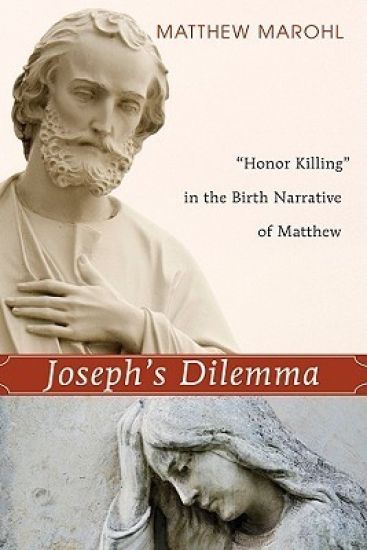
Joseph's Dilemma

Joseph's Dilemma

Matthew J. Marohl

James Clarke Co Ltd
2010
nidottu
'When Mary had been engaged to Joseph, but before they lived together, she was found to be with child from the Holy Spirit' (1:18). We are made to assume that Joseph discovers that Mary is pregnant, but that he does not know that she is with child from the Holy Spirit. Joseph must decide what he will do with Mary. The discussion of this verse generally focuses on two questions. First, did Joseph suspect Mary of adultery? Second, if he did suspect Mary of adultery, what were his options? If Joseph reveals that Mary is pregnant she will be killed. If Joseph conceals Mary's pregnancy, he will be opposing the law of the Lord. What is a 'righteous' man to do? Marohl's study of honor killings, be they modern or ancient, opens up new avenues of interpretation for "The Gospel of Matthew's" infancy narrative. It is a pattern that is to be replicated in the lives of the Jesus followers.
Hebrews: A Social Identity Commentary

Hebrews: A Social Identity Commentary

Matthew J. Marohl

BLOOMSBURY PUBLISHING PLC
2025
sidottu
In this volume, Matthew J. Marohl introduces a culturally sensitive reading of Hebrews employing a social identity approach. This allows readers to encounter a unique and powerful depiction of the faithful Jesus and a dynamic group of Christ-followers called upon to maintain their faithfulness. In the end, this social identity approach reveals a work with two strands thoroughly intertwined.Through the lens of conceptual blending theory, Marohl examines the way in which the author combines the multiple identities of the addressees, shedding light on the community dynamics of early Christ followers. Marohl explores how the author describes ingroup boundaries, how faithfulness is held up as the ultimate ingroup norm, and how the promised rest is grounded in the language of the anticipated future. Ultimately, Marhol argues that Hebrews is a prime example of literature created out of crisis.
Romans Leader Guide; Books of Faith Series

Romans Leader Guide; Books of Faith Series

Matthew J. Marohl

Augsburg Fortress Publishing
2009
nidottu
Paul's letter to the Romans is very different than any of his other letters. Paul addresses many of the important questions that arise when one considers the relationship between God and creation, as well as topics such assalvation and grace. Participants will engage in vibrant discussion around each of these topics in the course. This 6-session Bible study explores selected passages from the book of Romans. For groups wanting to enhance the study by covering the entire book of Romans, homework and enrichment activities are included in this study. What must I do to be saved? (Romans 3:9-31) Saved by grace . . . isn't that too good to be true? (Romans 5:1-11) If what I do doesn't save me, does it matter how I live? (Romans 6:1-23) Where is God when we suffer? (Romans 8:18-39) How can I keep from singing? (Romans 10:1-21) What does God want from us? (Romans 12:1-21)
Romans Learner Guide; Books of Faith Series

Romans Learner Guide; Books of Faith Series

Matthew J. Marohl

Augsburg Fortress Publishing
2009
nidottu
Paul's letter to the Romans is very different than any of his other letters. Paul addresses many of the important questions that arise when one considers the relationship between God and creation, as well as topics such assalvation and grace. Participants will engage in vibrant discussion around each of these topics in the course. This 6-session Bible study explores selected passages from the book of Romans. For groups wanting to enhance the study by covering the entire book of Romans, homework and enrichment activities are included in this study. What must I do to be saved? (Romans 3:9-31) Saved by grace . . .isn't that too good to be true? (Romans 5:1-11) If what I do doesn't save me, does it matter how I live? (Romans 6:1-23) Where is God when we suffer? (Romans 8:18-39) How can I keep from singing? (Romans 10:1-21) What does God want from us? (Romans 12:1-21)
Unexpected New Life

Unexpected New Life

Matthew J Marohl

Cascade Books
2012
sidottu
"". . . from expected death comes unexpected new life "" The Gospel of Matthew does not shy away from the realities of struggle, suffering, doubt, and death. Yet, from the first names in the genealogy to the last words spoken by Jesus, the Gospel testifies to the promise that from expected death comes unexpected new life. Through the actions of Tamar, Rahab, Ruth, and Bathsheba, we experience the expectation of death and the promise of unexpected new life. In the birth story of Jesus, Joseph suspects Mary of committing adultery. It is this dilemma that is the focus of the narrative. If he reveals her pregnancy, she could be killed. If he conceals her pregnancy, he will be going against the law of the Lord. What is a righteous man to do? In Joseph's dilemma, this experience of expected death, the Gospel of Matthew proclaims the promise of unexpected new life. The promise of unexpected new life is a theme that continues throughout Matthew's Gospel in the life and ministry of Jesus. The call of his disciples is a call from death to new life. The teaching of Jesus focuses on the experience of death and the promise of new life. In both healing and curing, Jesus brings unexpected new life to those who face death. But it is the death and resurrection of Jesus that is the climax of unexpected new life in the Gospel of Matthew. Even as Jesus experiences a most horrific and humiliating death in the crucifixion, death and the grave do not have the final say. In bearing witness to Jesus' resurrection, the Gospel of Matthew proclaims the magnificent promise of unexpected new life. Matthew J. Marohl invites you in these pages to read the Gospel of Matthew in a new way, from a fresh perspective. Integrating insights from the study of Mediterranean anthropology, Marohl makes the cultural world of the Gospel come alive, so that as you read Matthew again (or perhaps for the first time) you will certainly experience the powerful promise that from expected death comes unexpected new life ""Unexpected New Life has short, readable chapters that will compel the independent reader to rethink the birth story, and also provide fascinating material for rich discussions in adult education classes in community or church programs. Because of the flexible format of this excellent resource, one chapter could be the basis of a single discussion, or the entire book could serve as a guide for a series of classes."" -Katie Hanson Board president, CommUniversity, a community education program Matthew J. Marohl is a pastor at St. Paul Lutheran Church in Davenport, Iowa, and teaches courses at Wartburg Theological Seminary, Dubuque, Iowa. He holds a PhD in New Testament from the University of St. Andrews and is the author of Joseph's Dilemma: ""Honor Killing"" in the Birth Narrative of Matthew (Cascade, 2009) and Faithfulness and the Purpose of Hebrews: A Social Identity Approach (Pickwick, 2008).
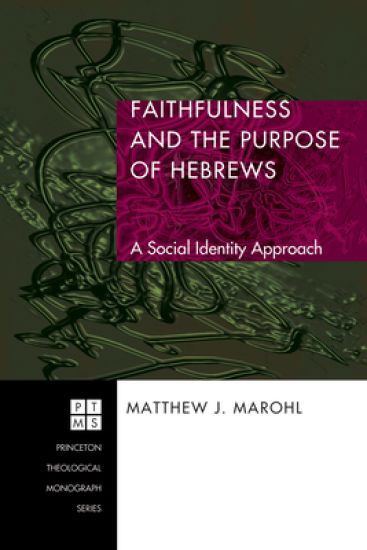
Faithfulness and the Purpose of Hebrews

Faithfulness and the Purpose of Hebrews

Matthew J Marohl

Pickwick Publications
2008
sidottu
Faithfulness and the Purpose of Hebrews offers fresh answers to several unresolved questions by employing that branch of social psychology known as social identity theory. Who were the addressees? With the categories of social identity theory, this study argues that the addressees arranged the world into two groups: ""us"" and ""them."" They understood their group, the ""us,"" to be the ""faithful."" They understood ""them"" (a symbolic outgroup of ""all others"") to be the ""unfaithful."" Faithfulness, then, is the primary identity descriptor for the addressees and plays an essential role thoughout the text. How did the addressees understand the faithfulness of Jesus? The author of Hebrews describes the faithfulness of Jesus as ""prototypical."" The faithfulness of all others is described in relation to Jesus' faith, and together they are integrated into an ongoing narrative of faithfulness. What is the meaning of the promised ""rest""? Utilizing a model of present temporal orientation, the study interprets the dynamic relationship between the ""antecedent"" faithfulness of many witnesses and the ""forthcoming"" promised rest of the addressees. The addressees of Hebrews were encouraged to ""understand their futures by looking to the past."" What is the purpose of the text? Social identity theorists explain that groups with a negative social identity have two broad options: social mobility or social change. The study concludes that the author of Hebrews provides internal constraints that are meant to prevent social mobility. The author utilizes social creativity (an aspect of social change) to provide a positive social identity for the addressees.
Faithfulness and the Purpose of Hebrews

Faithfulness and the Purpose of Hebrews

Matthew J Marohl

Wipf Stock Publishers
2008
nidottu
Description: Faithfulness and the Purpose of Hebrews offers fresh answers to several unresolved questions by employing that branch of social psychology known as social identity theory. Who were the addressees? With the categories of social identity theory, this study argues that the addressees arranged the world into two groups: ""us"" and ""them."" They understood their group, the ""us,"" to be the ""faithful."" They understood ""them"" (a symbolic outgroup of ""all others"") to be the ""unfaithful."" Faithfulness, then, is the primary identity descriptor for the addressees and plays an essential role thoughout the text. How did the addressees understand the faithfulness of Jesus? The author of Hebrews describes the faithfulness of Jesus as ""prototypical."" The faithfulness of all others is described in relation to Jesus' faith, and together they are integrated into an ongoing narrative of faithfulness. What is the meaning of the promised ""rest""? Utilizing a model of present temporal orientation, the study interprets the dynamic relationship between the ""antecedent"" faithfulness of many witnesses and the ""forthcoming"" promised rest of the addressees. The addressees of Hebrews were encouraged to ""understand their futures by looking to the past."" What is the purpose of the text? Social identity theorists explain that groups with a negative social identity have two broad options: social mobility or social change. The study concludes that the author of Hebrews provides internal constraints that are meant to prevent social mobility. The author utilizes social creativity (an aspect of social change) to provide a positive social identity for the addressees. Endorsements: ""Marohl's welcome study represents an accomplished application of social identity theory to the text of Hebrews. His methodological attentiveness is mature and responsible, resulting in an articulate analysis that recognises the faithfulness of Jesus to be the theological centre that informs the socio-religious program advocated by the author of Hebrews."" --Bruce Longenecker, University of St Andrews ""In this work, Matthew Marohl uses social identity theory to provide a fresh and illuminating interpretation of the epistle to the Hebrews. His judicious use of social scientific resources offers a new perspective on the identity of the ingroup and outgroup, the function of comparison, and the significance of 'prototypes' in the strategy of the letter. Those interested in the epistle to the Hebrews, or in social-scientific interpretation, will find this an engaging work."" --David G. Horrell, University of Exeter About the Contributor(s): Matthew J. Marohl teaches New Testament at Augustana College, Rock Island, Illinois.
Matthew J. Perry

Matthew J. Perry

University of South Carolina Press
2004
sidottu
Matthew J. Perry: The Man, His Times, and His Legacy chronicles the life and accomplishments of the attorney who led the struggle for desegregation in South Carolina, served as a primary legal advocate in the national civil rights movement, and became South Carolina's first African American U.S. District Court judge. In this volume, scholars of the civil rights era, fellow civil rights activists, jurists, attorneys, a governor, and an award-winning photojournalist join together to produce a multilayered biography of Matthew J. Perry. Collectively they bring to light the remarkable achievements of a man well known in his home state but sometimes obscured on the national stage by the shadows of Thurgood Marshall, J. Waties Waring, and Charles Hamilton Houston. This volume tells the story of Perry's life, including his humble beginnings in Columbia, his service to the nation during wartime, his remarkable career as a creator of positive social change, and, finally, his achievements as a respected member of the federal judiciary. The contributors describe Perry's courage, skills as an orator, quick legal mind, and genteel nature. They set his story in the turbulent civil-rights-era South, revealing how broad social, historical, and legal issues affected Perry's life and shaped the trajectory of his activist and professional life. The volume underscores how Perry enabled his home state to escape from Jim Crow's clutches with much less turmoil than many of its neighbors. Published in concert with the dedication of the Matthew J. Perry, Jr. United States Courthouse in Columbia, South Carolina, this life story portrays an esteemed juror whose grace and resiliency led South Carolina into the twentieth century.
The Matthew J. and Arlyn Bruccoli Collection of F.Scott Fitzgerald at the University of South Carolina
This book provides a descriptive inventory of the major components in the Matthew J. and Arlyn Bruccoli Collection of F. Scott Fitzgerald in the Thomas Cooper Library at the University of South Carolina in Columbia. The collection documents the literary career and thought of one of America's greatest novelists. The catalogue includes a listing of editions of all English-language printings of books by Fitzgerald including proof and review copies and the collection's many books inscribed by the author. Fitzgerald manuscripts, revised typescripts, correspondence, and business documents are also cited, as well as Fitzgerald screenplays and Princetoniana. There is a separate section on Zelda Fitzgerald. Highlights of the collection include the only set of unrevised galleys for The Great Gatsby, titled Trimalchio; one of the two existing acting scripts for Fie! Fie! Fi-Fi!; Fitzgerald's annotated copy of James Joyce's Ulysses; a copy of Ernest Hemingway's For Whom the Bell Tolls inscribed to Fitzgerald; and Fitzgerald memorabilia such as his engraved whiskey flask, a briefcase, and other family materials. Each item is described in detail - including title, publication information, and call number, where relevant, and explanatory notes. Many items in the collection, including all Fitzgerald inscriptions, are illustrated. The Matthew J. and Arlyn Bruccoli Collection of F. Scott Fitzgerald at the University of South Carolina provides a valuable resource not only for Fitzgerald scholars, but also for those interested in Fitzgerald's friends and literary associates (including Ernest Hemingway, James Joyce, Ring Lardner, John Dos Passos, and Maxwell Perkins) and in American culture between the world wars.
The Quest for Piggy Jon: Edited by Amy D. Miller Illustrated by Matthew J. A. Simmons
Jonathan, affectionately called Piggy Jon by friends and family, is missing. Some of Piggy Jon's unusual friends are not about to sit on the sidelines while his parents are figuring out where to start looking for him. See how Baxter, Armstrong, Finder and Pippin join forces to bring their beloved Piggy Jon home safe and sound.
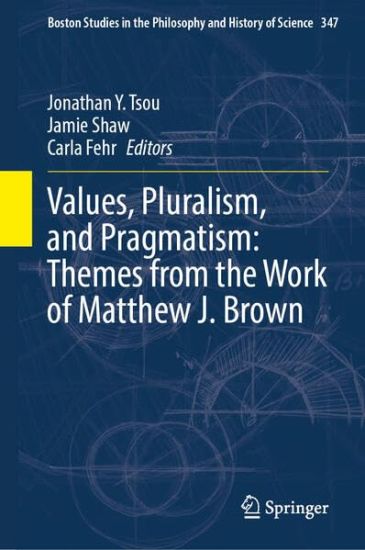
Values, Pluralism, and Pragmatism: Themes from the Work of Matthew J. Brown
This book offers eighteen original historical and philosophical essays focused on values in science, scientific pluralism, and pragmatism. These themes have been central in the work of Matthew J. Brown, and the book frames these topics through an engagement with Brown's broadly ranging work on values in science. The themes of this book are integrated and unified in the pragmatic and value-laden ideal of science defended by Professor Brown in his fascinating 2020 book, Science and Moral Imagination. Brown's ideal of moral imagination prescribes that scientists should recognize the contingencies in their work as unforced choices, examine morally salient aspects of these decisions, recognize the various interests of relevant stakeholders, explore and construct alternative options, and exercise fair and warranted value judgments to guide those decisions. The interdisciplinary essays in this volume engage with different aspects of Brown's philosophical research on scientific values as well as his historical research on figures such as John Dewey and Paul K. Feyerabend. With a fresh focus on topics such as moral imagination, inductive risk, and epistemic priority in various socially salient contexts (e.g., artificial intelligence, psychiatry, segregation research), this book is of great interest to a broad audience of researchers working in philosophy of science, philosophy of medicine, history and philosophy of science, and science and technology studies.
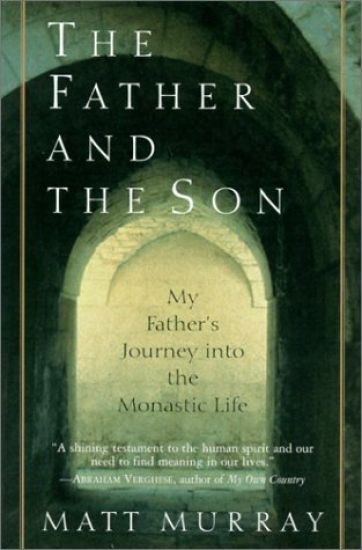
The Father and the Son: My Father's Journey Into the Monastic Life
In this powerful, moving, and sometimes painful work week -- part memoir, part reportage -- Wall Street Journal reporter Matt Murray explores the reasons his widowed father, a middle-class homeowner and government worker, abandoned his world and moved to a rural monastery to become a monk. He thoughtfully traces his father's life, from his dirt-poor Depression-era childhood and his days as a struggling young writer to his sometimes frustrating role as a husband and parent, to the death of his wife from cancer. Throughout, Matt Murray wrestles with the impact of his father's return to the Church, with his subsequent decision to follow a life of faith, and witch the dramatic reshaping of his family that ensued. As he tracks his father's spiritual journey, he delves into his own beliefs, questioning not only his father's faith but his own and offering, with stark honesty, profound reflections on the complex relationship between father and son.
The Arctic Code

The Arctic Code

Matthew J. Kirby

Clarion Books
2015
sidottu
Perfect for fans of the Percy Jackson and Seven Wonders series, The Arctic Code is the first book in an epic, fast-paced middle grade adventure trilogy by acclaimed author Matthew J. Kirby.It is the near future, and the earth has entered a new ice age. Eleanor Perry lives in Tucson, one of the most popular destinations for refugees of the Freeze. She is the daughter of a climatologist who is trying to find new ways to preserve human life on the planet. Dr. Perry believes that a series of oil deposits she has found in the Arctic may hold the key to our survival. That's when she disappears--but not before sending Eleanor a series of cryptic messages that point to a significant and mysterious discovery. Now it's up to Eleanor to go find her.This search will launch Eleanor on a breathless race to unlock the mysteries of what has happened to our planet, solving the riddle of the cold that could be humanity's end--and uncovering a threat to the earth that may not be of this world.