

Kirjahaku
Etsi kirjoja tekijän nimen, kirjan nimen tai ISBN:n perusteella.
350 tulosta hakusanalla Mayumi Matsuda

"I'm just a cat, not a... whatever these weird creatures are, but thanks to my own curiosity I'm made to come to Earth. Now I think about it I'm actually glad to be here." Shero has new friends, new experiences and new discoveries.

This is a story about a girl, another girl, and a scared of heights boy. who meet due to a crash landing and are forced to become friends due to a responsibility that falls onto their shoulders.


Mayumi's Kitchen: Macrobiotic Cooking For Body And Soul
Mayumi Nishimura
Kodansha America, Inc
2012
sidottu
In Mayumi's Kitchen, Mayumi Nishimura, a leading figure in the macrobiotics world and Madonna's private macrobiotic chef, shares her recipes for delicious food that nourishes the body and the soul. Macrobiotics is a healthy, nature-friendly way of life based on a diet of whole grains, vegetables, and beans. People all over the world, including many Hollywood stars, have embraced a macrobiotic diet because of its health benefits including higher energy, beautiful skin, a tranquil mind, and a greater sense of connection with the universe. Mayumi's unique style of
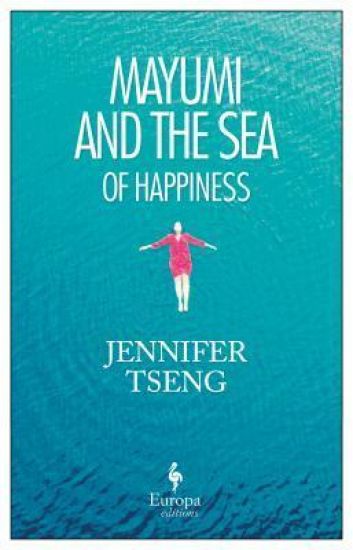
Books may be Mayumi Saito's greatest love and her one source of true pleasure. 41 years old, a bored wife and a dutiful mother, Mayumi's job as a librarian on a small island off the coast of New England feeds her passion for reading but does little to remedy the boredom of her days. That is, until the day she issues a library card to a shy 17 year-old boy, and swiftly succumbs to a sexual obsession that subverts the way she sees the library, her family, the island she lives on, and ultimately herself.

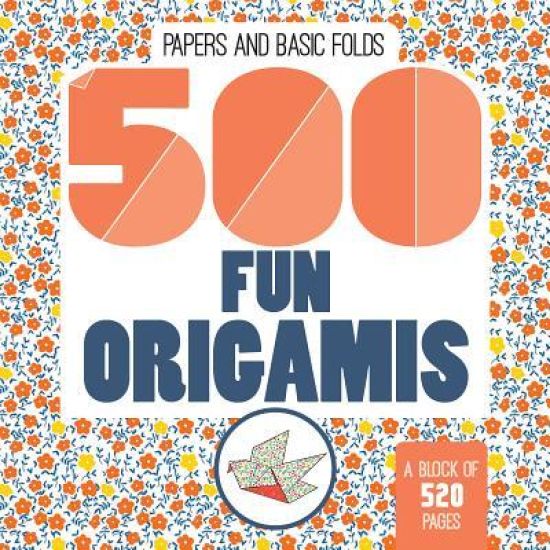
A pocket-sized origami book with 500 pages and basic folding instructions. This book features 250 double-sided origami papers decorated with original designs and patterns by Mayumi Jezewski. Sixteen pages of basic folding instructions are illustrated and explained with arrows and clear lines — perfect for beginners. The Guardian newspaper called origami “2016’s craft trend” and reported that sales of origami books have surged as customers look for alternatives to the popular colouring books. Like colouring, origami presents children and adults with a creative meditative challenge away from the screen. Origami has no age barrier and benefits everyone, from children to the elderly. Studies show that origami activates the whole brain. It develops eye-hand coordination, sequencing skills, attention skills, temporal spatial skills, mathematical reasoning, language skills and patience. It also promotes hand and finger dexterity.
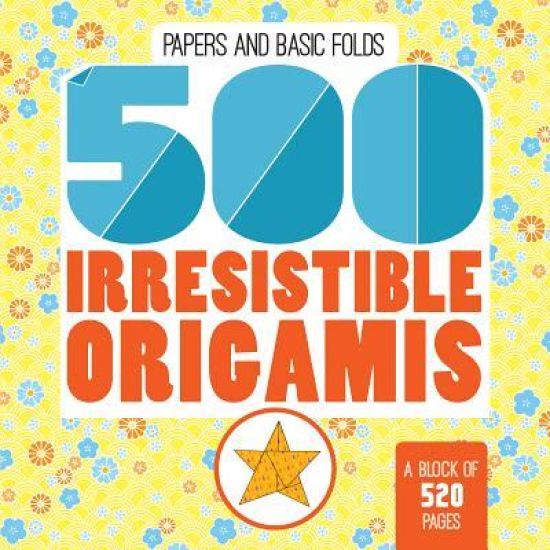
A pocket-sized origami book with 500 pages and basic folding instructions. This book features 250 double-sided origami papers decorated with original designs and patterns by Mayumi Jezewski. Sixteen pages of basic folding instructions are illustrated and explained with arrows and clear lines — perfect for beginners. The Guardian newspaper called origami “2016’s craft trend” and reported that sales of origami books have surged as customers look for alternatives to the popular colouring books. Like colouring, origami presents children and adults with a creative meditative challenge away from the screen. Origami has no age barrier and benefits everyone, from children to the elderly. Studies show that origami activates the whole brain. It develops eye-hand coordination, sequencing skills, attention skills, temporal spatial skills, mathematical reasoning, language skills and patience. It also promotes hand and finger dexterity.
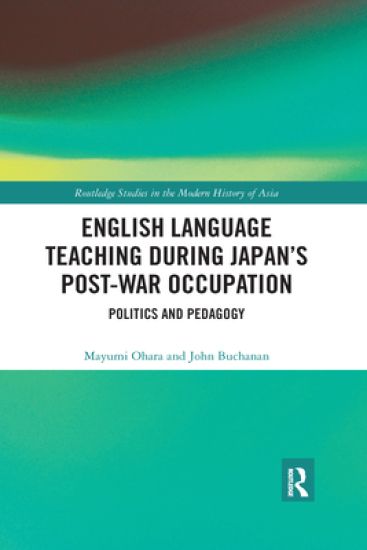
English Language Teaching during Japan's Post-war Occupation
Mayumi Ohara; John Buchanan
Routledge
2020
nidottu
In 1945 Japan had to adjust very rapidly to sudden defeat, to the arrival of the American Occupation and to the encounter with the English language, together with a different outlook on many aspects of society and government. This scholarly book is based on in-depth interviews with people, now aged, who were school students at the time of the Occupation and who experienced first-hand this immense cultural change. The book considers the nature of the changing outlook, including democratization, the new role for the Japanese Emperor and all this represented for the place of tradition in Japanese life and the growing emphasis on individualism away from collectivism. It discusses the changing system of education itself, including new structures and new textbooks, and relates the feelings of the participants as they came to terms with defeat and the language and culture of the former enemy. Overall, the book provides a fascinating insight into a key period of Japanese history.
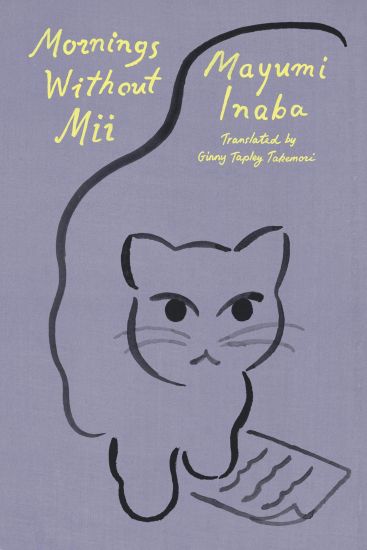
INDIE BESTSELLERA Must-Read: The New Yorker - Literary Hub - The Millions - Kirkus Reviews - Shelf Awareness - BookBub"A great love story." --Sigrid Nunez, The New Yorker "I have never read a book quite like this. A] profoundly real, specific, moving, and beautifully written story." ―Elif Batuman, author of Either/Or Mornings Without Mii is a beloved Japanese modern classic: a deeply affecting story of solitude, independence, writing, grief, love, and life alongside a cat. On a cool summer evening in 1977, Mayumi Inaba hears a forlorn cry carried by the breeze off Tokyo's Tamagawa River. She follows the sound to the riverbank and finds a newborn kitten only the size of her palm dangling from a fence, abandoned. Overcome by tender affection, she takes the cat back to the small apartment she shares with her husband and christens her Mii: so begins an ineffable bond. Over the next twenty years, we follow Inaba, a poet and novelist by moonlight, as she pursues quiet, solitude, and a room of her own. Through it all, her cat, a fiercely independent creature in her own right, is her confidante and muse. From the late Mayumi Inaba, a winner of the Kawabata Prize and the Tanizaki Prize, Mornings Without Mii is not just a love letter to companionship: it's a poignant, searching meditation on the forces that enable us to connect, to create, and to build a life.

Haikus of All Seasons IX: The Heavens and the Earth
Mayumi Itoh
Independently Published
2019
nidottu
This book is the ninth anthology of the original haikus written by this author. The subjects for this anthology embrace three of the seven major themes of haiku: 1) the seasons and the weather; 2) astronomy or the heavens; and 3) geography or the earth. This is a unique bilingual anthology and presents each haiku in both Japanese and English so that non-Japanese-speaking readers can appreciate it. In order to enhance understanding, the identification of the season word of the haiku, as well as some explanations of the cultural and historical backgrounds are given where applicable. Enjoy

Poems of Kaneko Misuzu and Haikus Inspired by Them I: The Heavens and the Earth
Mayumi Itoh
Independently Published
2019
nidottu
This book is Part One-out of Four-of the first complete works of Kaneko Misuzu in English translation. This is a unique anthology of the first comprehensive English translations of poems of a Japanese female poet, Kaneko Misuzu (April 1903-March 1930; "Misuzu" hereafter), and also original haikus by this author, inspired by Misuzu's poems. Out of 512 poems Misuzu wrote, this work-volume one of four-includes 130 poems that embrace three of the seven major themes of haiku: 1) the seasons and the weather; 2) astronomy or the heavens; and 3) geography or the earth. This book categorized them according to the twelve months and the four seasons (plus the "new year," which constitutes an independent 'season' because of its importance to Japanese culture). For the haikus written by this author, each haiku is given in the original Japanese, along with its romanization, as well as its English translation, in order to facilitate understanding for non-Japanese-speaking readers. This is followed by the season word, an essential element in haiku, and the brief cultural and historical background for the poem and the haiku where applicable, so that readers can appreciate the poem and the haiku fully. This book is essentially a homage to the poems of Misuzu, who referred to herself as a "lonely princess." Enjoy
Poems of Kaneko Misuzu and Haikus Inspired by Them III: Fauna
Mayumi Itoh
Independently Published
2019
nidottu
This book is Part Three-out of Four-of the first complete works of Kaneko Misuzu in English translation. This is a unique anthology of the first comprehensive English translations of poems of a Japanese female poet, Kaneko Misuzu (April 1903-March 1930; "Misuzu" hereafter), and also original haikus by this author, inspired by Misuzu's poems. Out of 512 poems Misuzu wrote, this work-volume three of four-includes 128 poems that embrace one of the major themes of haiku: fauna. This book categorized them according to the twelve months and the four seasons (plus the "new year," which constitutes an independent 'season' because of its importance to Japanese culture). For the haikus written by this author, each haiku is given in the original Japanese, along with its romanization, as well as its English translation, in order to facilitate understanding for non-Japanese-speaking readers. This is followed by the season word, an essential element in haiku, and the brief cultural and historical background for the poem and the haiku where applicable, so that readers can appreciate the poem and the haiku fully. This book is essentially a homage to the poems of Misuzu, who referred to herself as a "lonely princess." Enjoy
Poems of Kaneko Misuzu and Haikus Inspired by Them IV
Mayumi Itoh
Independently Published
2019
pokkari
This book is Part Four out of Four of the first complete works of Kaneko Misuzu in English translation. This is a unique anthology of the first comprehensive English translations of poems of a Japanese female poet, Kaneko Misuzu (April 1903-March 1930; "Misuzu" hereafter), and also original haikus by this author, inspired by Misuzu's poems. Out of 512 poems Misuzu wrote, this work-volume four of four-includes 130 poems that embrace one of the major themes of haiku: flora. This book categorized them according to the twelve months and the four seasons (plus the "new year," which constitutes an independent 'season' because of its importance to Japanese culture). For the haikus written by this author, each haiku is given in the original Japanese, along with its romanization, as well as its English translation, in order to facilitate understanding for non-Japanese-speaking readers. This is followed by the season word, an essential element in haiku, and the brief cultural and historical background for the poem and the haiku where applicable, so that readers can appreciate the poem and the haiku fully. This book is essentially a homage to the poems of Misuzu, who referred to herself as a "lonely princess." Enjoy

This is an original anthology of haikus written by students at Princeton University, as a result of the Haiku Workshop for the academic year 2018-2019, hosted by the University's Japan Student Association (JSA). This book categorized about 100 haikus according to the four seasons and the twelve months and presents each haiku in both Japanese and English so that non-Japanese-speaking readers can fully appreciate them. Enjoy
This book is Part Two-out of Four-of the first complete works of Kaneko Misuzu in English translation. This is a unique anthology of the first comprehensive English translations of poems of a Japanese female poet, Kaneko Misuzu (April 1903-March 1930; "Misuzu" hereafter), and also original haikus by this author, inspired by Misuzu's poems. Out of 512 poems Misuzu wrote, this work-volume two of four- includes 124 poems that pertain to humanity and embrace two basic themes of haiku-"daily life" and "events and observances," including traditional seasonal days and religious ceremonies and rituals. This book categorized them according to the twelve months and the four seasons (plus the "new year," which constitutes an independent 'season' because of its importance to Japanese culture). For the haikus written by this author, each haiku is given in the original Japanese, along with its romanization, as well as its English translation, in order to facilitate understanding for non-Japanese-speaking readers. This is followed by the season word, an essential element in haiku, and the brief cultural and historical background for the poem and the haiku where applicable, so that readers can appreciate the poem and the haiku fully. This is essentially a homage to poems of Misuzu, who referred to herself as a "lonely princess." Enjoy

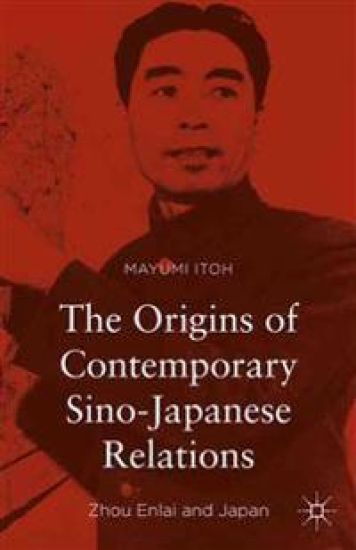
In this book, Mayumi Itoh presents a comprehensive and in-depth examination of China's first Premier Zhou Enlai's youth in Japan, where he received his enlightenment in Marxism from the Japanese scholar Kawakami Hajime. Itoh analyzes primary sources including diaries and letters to reveal the innermost thoughts of young Zhou about how to save China from total destruction by imperial powers, and demonstrate how Zhou's time in Japan gave him a profound understanding of the Japanese people and society. These formative experiences would become the foundation for post-World War II Chinese foreign policy toward Japan and the origins of contemporary Sino-Japanese relations.
English Language Teaching during Japan's Post-war Occupation
Mayumi Ohara; John Buchanan
Routledge
2018
sidottu
In 1945 Japan had to adjust very rapidly to sudden defeat, to the arrival of the American Occupation and to the encounter with the English language, together with a different outlook on many aspects of society and government. This scholarly book is based on in-depth interviews with people, now aged, who were school students at the time of the Occupation and who experienced first-hand this immense cultural change. The book considers the nature of the changing outlook, including democratization, the new role for the Japanese Emperor and all this represented for the place of tradition in Japanese life and the growing emphasis on individualism away from collectivism. It discusses the changing system of education itself, including new structures and new textbooks, and relates the feelings of the participants as they came to terms with defeat and the language and culture of the former enemy. Overall, the book provides a fascinating insight into a key period of Japanese history.