Kirjojen hintavertailu. Mukana 11 244 527 kirjaa ja 12 kauppaa.

Kirjahaku

Etsi kirjoja tekijän nimen, kirjan nimen tai ISBN:n perusteella.

1000 tulosta hakusanalla Melanie Klein

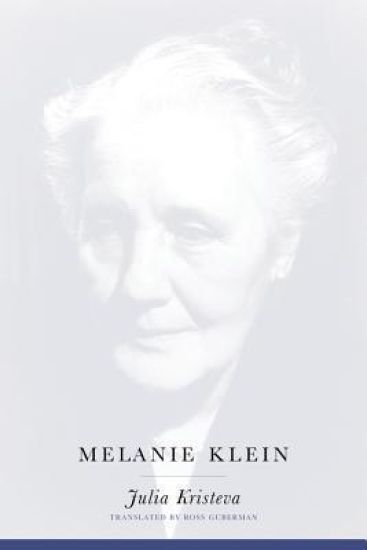
Melanie Klein

Melanie Klein

Julia Kristeva

Columbia University Press
2001
sidottu
To the renowned psychoanalyst, philosopher, and linguist Julia Kristeva, Melanie Klein (1882-1960) was the most original innovator, male or female, in the psychoanalytic arena. Klein pioneered psychoanalytic practice with children and made major contributions to our understanding of both psychosis and autism. Along the way, she successfully introduced a new approach to the theory of the unconscious without abandoning the principles set forth by Freud. In her first biography of a fellow psychoanalyst, the prolific Kristeva considers Klein's life and intellectual development, weaving a narrative that covers the history of psychoanalysis and illuminates Kristeva's own life and work. Kristeva tells the remarkable story of Klein's life: an unhappy wife and mother who underwent analysis, and-without a medical or other advanced degree-became an analyst herself at the age of 40. In examining her work, Kristeva proposes that Klein's "break" with Freud was really an attempt to complete his theory of the unconscious. Kristeva addresses Klein's numerous critics, and, in doing so, bridges the wide gulf between the clinical and theoretical worlds of psychoanalysis. Klein is celebrated here as the first person to see the mother as the source of not only creativity, but of thought itself, and the first to consider the place of matricide in psychic development. As such, Klein is a seminal figure in the evolution of the provocative ideas about motherhood and the psyche for which Kristeva is most famous. Klein is thus, in a sense, a mother to Kristeva, making this book an account of the development of Kristeva's own thought as well as Klein's.
Melanie Klein

Melanie Klein

Julia Kristeva

Columbia University Press
2004
pokkari
To the renowned psychoanalyst, philosopher, and linguist Julia Kristeva, Melanie Klein (1882-1960) was the most original innovator, male or female, in the psychoanalytic arena. Klein pioneered psychoanalytic practice with children and made major contributions to our understanding of both psychosis and autism. Along the way, she successfully introduced a new approach to the theory of the unconscious without abandoning the principles set forth by Freud. In her first biography of a fellow psychoanalyst, the prolific Kristeva considers Klein's life and intellectual development, weaving a narrative that covers the history of psychoanalysis and illuminates Kristeva's own life and work. Kristeva tells the remarkable story of Klein's life: an unhappy wife and mother who underwent analysis, and-without a medical or other advanced degree-became an analyst herself at the age of 40. In examining her work, Kristeva proposes that Klein's "break" with Freud was really an attempt to complete his theory of the unconscious. Kristeva addresses Klein's numerous critics, and, in doing so, bridges the wide gulf between the clinical and theoretical worlds of psychoanalysis. Klein is celebrated here as the first person to see the mother as the source of not only creativity, but of thought itself, and the first to consider the place of matricide in psychic development. As such, Klein is a seminal figure in the evolution of the provocative ideas about motherhood and the psyche for which Kristeva is most famous. Klein is thus, in a sense, a mother to Kristeva, making this book an account of the development of Kristeva's own thought as well as Klein's.
Melanie Klein

Melanie Klein

Julia Segal

SAGE Publications Inc
2004
sidottu
Praise for First Edition: `The book is very intimate; the first chapter on Klein's personal and professional life is extremely candid and enlightening. Will be enjoyed by pre-professional students and psychoanalytically oriented theoreticians and practitioners' - Choice Melanie Klein was without doubt one of the most influential figures in the development of psychoanalysis. Whilst constantly challenging Freud's theories, and at the same time placing more importance on some of the neglected aspects of his work, Klein developed new psychoanalytic concepts from her detailed observations of the behaviour and thought processes of the children and adults she treated in the consulting room. In this Second Edition of Melanie Klein, Julia Segal uses case studies of Klein's sessions with children to show how she developed her unique form of communication with her clients. As well as assessing Klein's major theoretical and practical contributions to the profession, the author examines and challenges the criticisms aimed at Klein, and traces her influence on counsellors and psychotherapists working today. In contrast to existing books, which require specialist psychoanalytic knowledge, Julia Segal provides a concise and refreshing introduction to Klein's life and work which is accessible to all.
Melanie Klein

Melanie Klein

Julia Segal

SAGE Publications Inc
2004
nidottu
Praise for First Edition: `The book is very intimate; the first chapter on Klein's personal and professional life is extremely candid and enlightening. Will be enjoyed by pre-professional students and psychoanalytically oriented theoreticians and practitioners' - Choice Melanie Klein was without doubt one of the most influential figures in the development of psychoanalysis. Whilst constantly challenging Freud's theories, and at the same time placing more importance on some of the neglected aspects of his work, Klein developed new psychoanalytic concepts from her detailed observations of the behaviour and thought processes of the children and adults she treated in the consulting room. In this Second Edition of Melanie Klein, Julia Segal uses case studies of Klein's sessions with children to show how she developed her unique form of communication with her clients. As well as assessing Klein's major theoretical and practical contributions to the profession, the author examines and challenges the criticisms aimed at Klein, and traces her influence on counsellors and psychotherapists working today. In contrast to existing books, which require specialist psychoanalytic knowledge, Julia Segal provides a concise and refreshing introduction to Klein's life and work which is accessible to all.
Melanie Klein

Melanie Klein

Meira Likierman

BLOOMSBURY PUBLISHING PLC
2002
sidottu
Melanie Klein was probably the most controversial and influential figure that has yet appeared on the British psychoanalytic scene. She left Germany in 1926 and settled in London where she soon quarrelled with Anna Freud. Klein pioneered the psychoanalysis of children and applied her insights on the infantile origins of unconscious drives to adult analysis. Her relationship with her own children was highly troubled. In this critical yet sympathetic book Meira Likierman of the Tavistock clinic assesses the work, life and lasting influence of this brilliant figure.
Melanie Klein

Melanie Klein

Meira Likierman

Continuum International Publishing Group Ltd.
2002
nidottu
Melanie Klein remains one of the most important and influential figures in psychoanalysis. Klein pioneered the analysis of children and applied her insights on the infantile origins of unconscious drives to adult analysis.Meira Likierman's study is the best available introduction to Melanie Klein's thought and work.
Melanie Klein

Melanie Klein

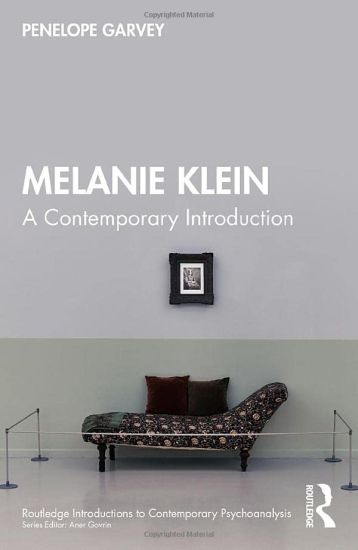
Penelope Garvey

TAYLOR FRANCIS LTD
2023
nidottu
This important book provides a concise introduction to Melanie Klein and the key concepts and theories she founded, outlining their application to psychoanalytic technique, and explaining how her ideas have been further developed. As Klein’s ideas have opened the exploration of deeper and more primitive areas of the mind, they have led to extensive theoretical and technical developments across the world, in various schools of psychoanalytic thought. This book addresses Klein’s early papers on her work with children and her extensions of Freud’s ideas, as well as her divergence from them, highlighting Klein’s emphasis on loving relationships in the mitigation of hatred, in children’s overall development and in the drive for reparation. Examples from Klein’s clinical work with children and adults are included to illustrate and illuminate her points. Offering clear expositions of complex concepts and linking to more detailed sources of information, this book is important reading for all clinicians, trainees and students interested in emotional development and in the analysis of children and adults.
Melanie Klein

Melanie Klein

Penelope Garvey

TAYLOR FRANCIS LTD
2023
sidottu
This important book provides a concise introduction to Melanie Klein and the key concepts and theories she founded, outlining their application to psychoanalytic technique, and explaining how her ideas have been further developed. As Klein’s ideas have opened the exploration of deeper and more primitive areas of the mind, they have led to extensive theoretical and technical developments across the world, in various schools of psychoanalytic thought. This book addresses Klein’s early papers on her work with children and her extensions of Freud’s ideas, as well as her divergence from them, highlighting Klein’s emphasis on loving relationships in the mitigation of hatred, in children’s overall development and in the drive for reparation. Examples from Klein’s clinical work with children and adults are included to illustrate and illuminate her points. Offering clear expositions of complex concepts and linking to more detailed sources of information, this book is important reading for all clinicians, trainees and students interested in emotional development and in the analysis of children and adults.
Melanie Klein

Melanie Klein

Robert D. Hinshelwood; Tomasz Fortuna

Routledge
2017
sidottu
Melanie Klein: The Basics provides an accessible and concise introduction to the life and work of Melanie Klein, whose discoveries advanced those of Freud and other analysts, deepening our insight into the unconscious domain of psychology in human beings. Klein began her work by developing a method of psychoanalysis for children, who suffer from anxiety and other, often unrecognised, conflicts, which enabled understanding of those crucial early steps in the development of human mind and identity. Although she initiated one strand of clinical and theoretical developments, many of her discoveries are well-regarded by other schools of psychoanalysis.The book contains four parts, as well as further reading suggestions and a helpful glossary of key terms. Part I introduces Melanie Klein in the context of her life, her early interest in psychoanalysis and her first discoveries; Part II takes up the development of her technique of child analysis and discusses the ways in which her insights and conclusions in this area influenced the technique of adult analysis and the more general understanding of the human mind; Part III focuses on further scientific and clinical developments in psychoanalytic technique – especially those referring to the understanding and treatment of serious emotional disturbance, e.g. psychosis or affective disorders; Part IV focuses on contemporary developments in Kleinian and post-Kleinian psychoanalysis, considering clinical, cultural, and socio-political applications. Each chapter poses a basic question at the outset, provides an account of how Klein faced this question and worked with it to develop her ideas, and ends by posing a follow up question to be addressed in the subsequent chapter.This book will greatly appeal to readers from any field seeking a clear and concise introduction to Melanie Klein. It will also interest researchers and professionals working within the field of psychoanalysis seeking a succinct overview of Melanie Klein’s contribution.
Melanie Klein

Melanie Klein

Robert D. Hinshelwood; Tomasz Fortuna

Routledge
2017
nidottu
Melanie Klein: The Basics provides an accessible and concise introduction to the life and work of Melanie Klein, whose discoveries advanced those of Freud and other analysts, deepening our insight into the unconscious domain of psychology in human beings. Klein began her work by developing a method of psychoanalysis for children, who suffer from anxiety and other, often unrecognised, conflicts, which enabled understanding of those crucial early steps in the development of human mind and identity. Although she initiated one strand of clinical and theoretical developments, many of her discoveries are well-regarded by other schools of psychoanalysis.The book contains four parts, as well as further reading suggestions and a helpful glossary of key terms. Part I introduces Melanie Klein in the context of her life, her early interest in psychoanalysis and her first discoveries; Part II takes up the development of her technique of child analysis and discusses the ways in which her insights and conclusions in this area influenced the technique of adult analysis and the more general understanding of the human mind; Part III focuses on further scientific and clinical developments in psychoanalytic technique – especially those referring to the understanding and treatment of serious emotional disturbance, e.g. psychosis or affective disorders; Part IV focuses on contemporary developments in Kleinian and post-Kleinian psychoanalysis, considering clinical, cultural, and socio-political applications. Each chapter poses a basic question at the outset, provides an account of how Klein faced this question and worked with it to develop her ideas, and ends by posing a follow up question to be addressed in the subsequent chapter.This book will greatly appeal to readers from any field seeking a clear and concise introduction to Melanie Klein. It will also interest researchers and professionals working within the field of psychoanalysis seeking a succinct overview of Melanie Klein’s contribution.
Lectures on Technique by Melanie Klein
Lectures on Technique by Melanie Klein is based on a series of six lectures given by Melanie Klein to students at the British Psychoanalytical Society in 1936 and repeated several times in subsequent years. They were discovered in the Melanie Klein Archives housed in the Wellcome Medical Library and have been previously described by Elizabeth Spillius but never before published. In this book, John Steiner explores what characterises Kleinian Technique, how her technique changed over the years, what she saw as the correct psychoanalytical attitude and how psychoanalytic technique has changed since Klein’s death.Melanie Klein, who moved to England from Berlin in 1927, became one of the leading psychoanalysts, following Freud and making an important contribution in the theory and practice of psychoanalysis. A pioneer in child analysis, her work remains widely influential throughout the world. This book consists of the full text of the original six lectures, accompanied by a critical analysis from John Steiner who is known internationally as a leading Kleinian analyst and writer. Steiner demonstrates the importance of the lectures in understanding Klein’s work and their continued relevance for contemporary psychoanalysis. In addition, also published for the first time, this book includes annotated transcripts of a preserved recording of a seminar Klein held in 1958 with young analysts of the British Psychoanalytical Society. In this seminar, close to the end of her life, many of the points made in the earlier lectures were elaborated upon and brought further up to date in light of developments in Klein’s thinking during the intervening years.Featuring rare, previously unpublished material, Lectures on Technique by Melanie Klein provides a new and significant contribution to understanding of the Kleinian paradigm. It will be essential reading for all psychoanalysts and psychoanalytic psychotherapists interested in and influenced by Klein’s work and legacy.
Lectures on Technique by Melanie Klein
Lectures on Technique by Melanie Klein is based on a series of six lectures given by Melanie Klein to students at the British Psychoanalytical Society in 1936 and repeated several times in subsequent years. They were discovered in the Melanie Klein Archives housed in the Wellcome Medical Library and have been previously described by Elizabeth Spillius but never before published. In this book, John Steiner explores what characterises Kleinian Technique, how her technique changed over the years, what she saw as the correct psychoanalytical attitude and how psychoanalytic technique has changed since Klein’s death.Melanie Klein, who moved to England from Berlin in 1927, became one of the leading psychoanalysts, following Freud and making an important contribution in the theory and practice of psychoanalysis. A pioneer in child analysis, her work remains widely influential throughout the world. This book consists of the full text of the original six lectures, accompanied by a critical analysis from John Steiner who is known internationally as a leading Kleinian analyst and writer. Steiner demonstrates the importance of the lectures in understanding Klein’s work and their continued relevance for contemporary psychoanalysis. In addition, also published for the first time, this book includes annotated transcripts of a preserved recording of a seminar Klein held in 1958 with young analysts of the British Psychoanalytical Society. In this seminar, close to the end of her life, many of the points made in the earlier lectures were elaborated upon and brought further up to date in light of developments in Klein’s thinking during the intervening years.Featuring rare, previously unpublished material, Lectures on Technique by Melanie Klein provides a new and significant contribution to understanding of the Kleinian paradigm. It will be essential reading for all psychoanalysts and psychoanalytic psychotherapists interested in and influenced by Klein’s work and legacy.
The Collected Works of Melanie Klein

The Collected Works of Melanie Klein

Melanie Klein

TAYLOR FRANCIS LTD
2025
sidottu
This book indicates the position of the main themes in each work in relation to Melanie Klein's earlier and later thought on the same topic by means of explanatory notes. It helps to discover what were Melanie Klein's most mature ideas or how she had arrived at them.
The Collected Works of Melanie Klein

The Collected Works of Melanie Klein

Melanie Klein

TAYLOR FRANCIS LTD
2025
sidottu
This book is Melanie Klein's last major theoretical work. It proposes that envy and gratitude are opposing and interacting feelings normally operative from birth and that the first object of envy is the feeding breast. It throws new light on the negative therapeutic reaction, the effect of envy.
The Collected Works of Melanie Klein

The Collected Works of Melanie Klein

Melanie Klein

TAYLOR FRANCIS LTD
2025
sidottu
This book presents a case study of the analysis of ten years old Richard to illustrate that psycho-analytic procedure could penetrate into very deep layers of the mind. The procedure enables him to free much of his phantasy life and to become conscious of some of his anxieties and defences.
Melanie Klein

Melanie Klein

Deborah P. Britzman

Springer International Publishing AG
2015
nidottu
This volume introduces the psychoanalyst Melanie Klein to the general field of education and traces her theories of mental life as an emotional situation, through to problems of self/other relations in our own time. The case is made for Klein’s relevance and the difficulties her theories pose to the activities of learning and pedagogical relation. Klein’s vocabulary—the paranoid/schizoid and depressive positions, phantasy, object relations, projective identification, anxiety, envy, and the urge for reparation and gratitude— are discussed in terms of their evolution and the designs of her main questions, all stemming from the problem of inhibition. Her contribution to an understanding of symbolization and the shift from concrete thinking to greater freedom of mind is analyzed. The essay develops the following questions: why is learning an emotional situation? How did Klein’s life and larger history influence her views? What are her central theories of mental life? Why did Klein focus on anxiety and phantasies as making up the life of the mind? What is object relations theory? And, what does Klein’s model of the self proffer to contemporary education in schools and in universities?