It is time for International Relations (IR) to join the relational revolution afoot in the natural and social sciences. To do so, more careful reflection is needed on cosmological assumptions in the sciences and also in the study and practice of international relations. In particular it is argued here that we need to pay careful attention to whether and how we think 'relationally'. Building a conversation between relational cosmology, developed in natural sciences, and critical social theory, this book seeks to develop a new perspective on how to think relationally in and around the study of IR. International Relations in a Relational Universe asks: What kind of cosmological background assumptions do we make as we tackle international relations today and where do our assumptions (about states, individuals, or the international) come from? And can we reorient our cosmological imaginations towards more relational understanding of the universe and what would this mean for the study and practice of international politics? The book argues that we live in a world without 'things', a world of processes and relations. It also suggests that we live in relations which exceed the boundaries of the human and the social, in planetary relations with plants and animals. Rethinking conceptual premises of IR, Kurki points towards a 'planetary politics' perspective within which we can reimagine IR as a field of study and also political practices, including the future of democracy.
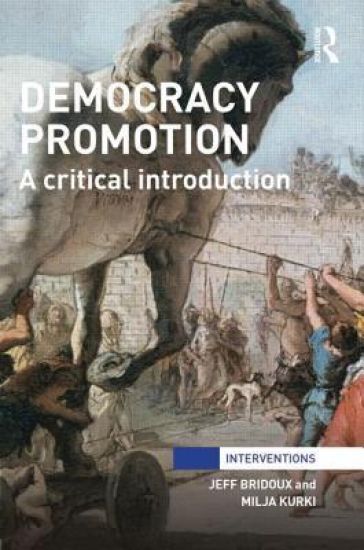
Democracy promotion has been an influential policy agenda in many Western states and international organisations, and amongst many NGO actors. But what kinds of models of democracy do democracy promoters promote? This book examines in detail the conceptual orders that underpin democracy support activity, and the conceptions of democracy that democracy promoters, consciously or inadvertently, work with. Such an examination is not only timely but much-needed in today’s context of multiple democratic and financial crises. Contestation over democracy’s meaning is returning, but how is this contestation reflected, if at all, in democracy promotion policies and practices?Seeking to open up debate on multiple models of democracy, this text provides the reader not only with the outlines of various possible politico-economic models of democracy, but also with a close empirical engagement with democracy promoters’ discourses and practices. Drawing on a broad spectrum of examples, it exposes the challenges faced by Western governments in trying to reshape the political and economic landscape across the world and tentatively advances a set of concrete policy provocations which may enable a more pluralist and flexible democracy promotion practice to emerge.This innovative new work will be essential reading for all students of democratisation, democracy promotion and international relations.
Democracy promotion has been an influential policy agenda in many Western states and international organisations, and amongst many NGO actors. But what kinds of models of democracy do democracy promoters promote? This book examines in detail the conceptual orders that underpin democracy support activity, and the conceptions of democracy that democracy promoters, consciously or inadvertently, work with. Such an examination is not only timely but much-needed in today’s context of multiple democratic and financial crises. Contestation over democracy’s meaning is returning, but how is this contestation reflected, if at all, in democracy promotion policies and practices?Seeking to open up debate on multiple models of democracy, this text provides the reader not only with the outlines of various possible politico-economic models of democracy, but also with a close empirical engagement with democracy promoters’ discourses and practices. Drawing on a broad spectrum of examples, it exposes the challenges faced by Western governments in trying to reshape the political and economic landscape across the world and tentatively advances a set of concrete policy provocations which may enable a more pluralist and flexible democracy promotion practice to emerge.This innovative new work will be essential reading for all students of democratisation, democracy promotion and international relations.
World political processes, such as wars and globalisation, are engendered by complex sets of causes and conditions. Although the idea of causation is fundamental to the field of International Relations, what the concept of cause means or entails has remained an unresolved and contested matter. In recent decades ferocious debates have surrounded the idea of causal analysis, some scholars even questioning the legitimacy of applying the notion of cause in the study of International Relations. This book suggests that underlying the debates on causation in the field of International Relations is a set of problematic assumptions (deterministic, mechanistic and empiricist) and that we should reclaim causal analysis from the dominant discourse of causation. Milja Kurki argues that reinterpreting the meaning, aims and methods of social scientific causal analysis opens up multi-causal and methodologically pluralist avenues for future International Relations scholarship.
Unrivalled coverage of IR theories from leading experts, including historically dominant traditions such as realism, and liberalism, to theories such as postcolonialism and green theory. Featuring a new organisation to reflect the importance and focus on global IR as well as newly authored chapters on classical realism, liberalism, Marxism, and critical theories. A wide range of case studies show readers how theory can be applied to address concrete political problems. Key Features: · Expert line-up of contributors offer coverage of dominant and emerging theories and arguments from diverse perspectives · Includes coverage of historically marginalised theories, including postcolonialism and environmentalism · A case study in each chapter shows how theory can be used to explain real-world problems and dilemmas and additional questions to encourage students to analyse and evaluate the different theories for themselves · Boxes highlighting key books or articles introduce students to prominent works in the field to encourage wider reading and research interests · Spotlights on key books and articles encourage readers to go beyond the textbook and develop their research interests, exploring important works in the field New to this Edition: · An enhanced ebook with author videos, self-test questions, and pointers to answering case study questions · Newly authored chapters on classical realism, liberalism, and Marxism provide students with fresh perspectives on these theories · Newly authored chapter on critical theories illustrates the intersectional nature of critical theories as it relates to gender, race, and decolonisation, while speaking to topical debates in the field · The global IR chapter has been moved to the beginning of the text, which encourages students to critically reflect on the context in which IR developed and appreciate the importance of viewing international relations theories from truly representative perspectives from the very start · Updated online resources include pointers on answering case study questions, supporting students to apply theories to real world issues Digital Formats and Resources: International Relations Theories is available for students and institutions to purchase in a variety of formats, and is supported by online resources. The enhanced e-book offers a mobile experience and convenient access along with self-test multiple choice questions, functionality tools, navigation features, and links that offer extra learning support: www.oxfordtextbooks.co.uk/ebooks The digital version, available on Politics Trove, is also accompanied by online resources. These include: For students: - Self-test questions for every section of the chapter, to help you test your knowledge as you go - Author videos explaining concepts or going into greater depth into a case study - Pointers on answering the case study questions For lecturers: - Test Bank for each chapter - PowerPoint slides with a deck for each chapter to help build lecture materials
This critical introduction to democracy promotion seeks to provide students with an understanding of some of the key dynamics and contentions revolving around this controversial policy agenda.Specifically, this textbook examines democracy promotion through seeking to answer, from the perspective of an approach informed by ‘critical theory’, a set of important questions often posed to democracy promoters, such as: Who is involved in democracy promotion today and what kinds of power relations are embedded in it? Is democracy promotion driven by the values or interests of key actors? Is democracy promotion regime-change by another name? Is democracy promotion ‘context-sensitive’ or an imposition of Western powers? Is democracy promotion about achieving liberal economic reform in target states? Is democracy promotion a tool of the powerful, a form of hegemonic control of target populations?The book suggests a set of provocative answers to these questions and also puts forward a set of challenges for democracy promoters and supporters to take on today.Democracy Promotion serves as an effective introduction to an increasingly topical policy agenda for students and general readers and, at the same time, seeks to advance an important set of new critical perspectives for practitioners and policy-makers of democracy promotion to consider.
This critical introduction to democracy promotion seeks to provide students with an understanding of some of the key dynamics and contentions revolving around this controversial policy agenda.Specifically, this textbook examines democracy promotion through seeking to answer, from the perspective of an approach informed by ‘critical theory’, a set of important questions often posed to democracy promoters, such as: Who is involved in democracy promotion today and what kinds of power relations are embedded in it? Is democracy promotion driven by the values or interests of key actors? Is democracy promotion regime-change by another name? Is democracy promotion ‘context-sensitive’ or an imposition of Western powers? Is democracy promotion about achieving liberal economic reform in target states? Is democracy promotion a tool of the powerful, a form of hegemonic control of target populations?The book suggests a set of provocative answers to these questions and also puts forward a set of challenges for democracy promoters and supporters to take on today.Democracy Promotion serves as an effective introduction to an increasingly topical policy agenda for students and general readers and, at the same time, seeks to advance an important set of new critical perspectives for practitioners and policy-makers of democracy promotion to consider.
World political processes, such as wars and globalisation, are engendered by complex sets of causes and conditions. Although the idea of causation is fundamental to the field of International Relations, what the concept of cause means or entails has remained an unresolved and contested matter. In recent decades ferocious debates have surrounded the idea of causal analysis, some scholars even questioning the legitimacy of applying the notion of cause in the study of International Relations. This book suggests that underlying the debates on causation in the field of International Relations is a set of problematic assumptions (deterministic, mechanistic and empiricist) and that we should reclaim causal analysis from the dominant discourse of causation. Milja Kurki argues that reinterpreting the meaning, aims and methods of social scientific causal analysis opens up multi-causal and methodologically pluralist avenues for future International Relations scholarship.
Khoroshaja, svetlaja povest pro nemnogo naivnogo, no ochen otvetstvennogo i ochen dobrogo malchika Mitju Kukina, kotoryj sejchas zhivjot v detdome. Ego mama i sjostry poterjalis vo vremja evakuatsii, i Mitja ostalsja odin. No u nego est luchshij drug Sasha - eto bolshoj pljus, a vtoroj pljus, chto emu razreshajut ukhazhivat za loshadju Zorkoj, kotoraja zhdjot zherebjonka. No kogda zavkhoz Filatych pozvoljaet Mite i Sashe sezdit na Zorke za vodoj na reku, sluchaetsja uzhasnoe sobytie, posle kotorogo malchishki reshajut brosit vsjo i sbezhat na front...Dlja mladshego shkolnogo vozrasta.
Glavnye geroi povestej "Privet tebe, Mitja Kukin!" i "Oleshin gvozd" - malchishki, v svoi detskie gody poznavshie neschaste, na kotoroe tak schedra vojna, - poterju rodnykh. No dazhe v nelegkoe vremja rebjata s otkrytym serdtsem vstrechajut okruzhajuschij bolshoj mir, shiroko raspakhnuv glaza, radujutsja samym prostym vescham i berezhno khranjat v dushe dobrotu, ljubov i nadezhdu. Mitja Kukin, popav v shkolu-internat, verit, chto emu esche objazatelno povezet i najdutsja ego propavshie mama i sestrenki; a poka on trepetno khranit pismo s fronta ot sovsem neznakomogo lejtenanta - ved verit gorazdo legche, kogda tebe pishut pisma. A malenkij Olesha, ostavshis bez ottsa, sam gotov zabotitsja o materi - on mozhet khot dom postroit, vot tolko by pobolshe gvozdej nasobirat.Legkie i sereznye, prostye i vmeste s tem glubokie istorii Lva Kuzmina proilljustriroval Nikolaj Ustinov - vydajuschijsja khudozhnik detskoj knigi, master pejzazhnoj illjustratsii.
Zanders - samyj skandalnyj i populjarnyj khokkeist Chikago. On vvjazyvaetsja v draki na ldu, a zatem pokidaet kazhdyj match s ocherednoj devushkoj. Na chastnom dzhete ego khokkejnoj komandy pojavljaetsja novaja stjuardessa Stivi. I ona bezumno razdrazhaet Zandersa. Paren reshaet sdelat vse, chtoby Stivi uvolilas kak mozhno skoree. Eta nenavist vzaimna. Stivi razdrazhaet v samodovolnom sportsmene absoljutno vse. No chem silnee letjat iskry gneva, tem bolshe ikh tjanet drug k drugu. I vot uzhe oni oba nachinajut zhdat moment, kogda Zanders snova nazhmet na knopku vyzova stjuardessy... "Ona ljubila ego dushu v plokhie i khoroshie dni. On ljubil kazhdoe ee nesovershenstvo. Geroi stali veseloj i garmonichnoj paroj, preodolevshej vse zony turbulentnosti, kotorye podkinula im zhizn. Ikh khorosho potrjaslo, no blagodarja etomu oni ponjali, kak vazhno pozvolit drugomu cheloveku ljubit to, chto ty ne v silakh poljubit v sebe sam". - Mari Milas, pisatelnitsa
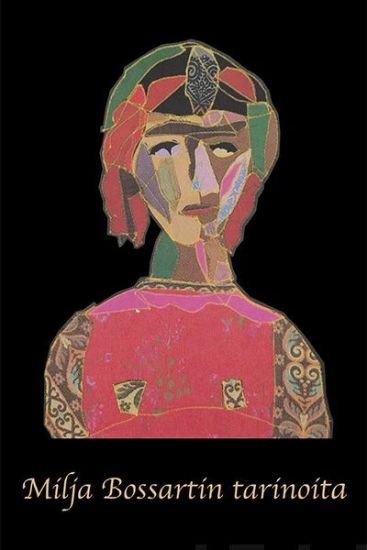
Esikoiskirjailija Milja Bossart on elänyt vuosikymmeniä monikulttuurista elämää Suomessa ja manner-Espanjassa sekä Mallorcan saarella. Se näkyy ja kuuluu. Henkilögalleriassa on kiehtovia ja erikoisia ihmisiä, jotka ovat liikkuneet syvissä vesissä. Kaikki poikkeavuus on vetänyt tekijää puoleensa ja saanut hänen mielikuvituksensa liikkeelle. Hänellä on harvinainen kyky kirjoittaa ikään kuin tuosta vain omintakeisesti persoonallisella tyylillä. Kun kirjan laskee kädestään on hämmästynyt olo, mitä huumoria, ilottelua ja rivien välissä olevaa elämää: Muutamia poimintoja aihevalikoimasta: Muurahaisen tarina, Vuokraemäntänä Mallorcalla, Eräs kihlaus, Draculan vaimo, Paholaisen haastattelu.Milja Bossartin lyhyet kertomukset sisältävät omaperäistä ajatusvirtaa, joka tekee lukijasta löytöretkeilijän. Et ota elämää enää yhtä vakavasti!
Zanders - samyj skandalnyj i populjarnyj khokkeist Chikago. On vvjazyvaetsja v draki na ldu, a zatem pokidaet kazhdyj match s ocherednoj devushkoj.Na chastnom dzhete ego khokkejnoj komandy pojavljaetsja novaja stjuardessa Stivi. I ona bezumno razdrazhaet Zandersa. Paren reshaet sdelat vse, chtoby Stivi uvolilas, kak mozhno skoree.Eta nenavist vzaimna. Stivi razdrazhaet v samodovolnom sportsmene absoljutno vse. No chem silnee letjat iskry gneva, tem bolshe ikh tjanet drug k drugu. I vot uzhe oni oba nachinajut zhdat moment, kogda Zanders snova nazhmet na knopku vyzova stjuardessy...
Zanders - samyj skandalnyj i populjarnyj khokkeist Chikago. On vvjazyvaetsja v draki na ldu, a zatem pokidaet kazhdyj match s ocherednoj devushkoj.Na chastnom dzhete ego khokkejnoj komandy pojavljaetsja novaja stjuardessa Stivi. I ona bezumno razdrazhaet Zandersa. Paren reshaet sdelat vse, chtoby Stivi uvolilas, kak mozhno skoree.Eta nenavist vzaimna. Stivi razdrazhaet v samodovolnom sportsmene absoljutno vse. No chem silnee letjat iskry gneva, tem bolshe ikh tjanet drug k drugu. I vot uzhe oni oba nachinajut zhdat moment, kogda Zanders snova nazhmet na knopku vyzova stjuardessy...
Stiven King priglashaet chitatelej v zhutkij mir tjuremnogo bloka smertnikov, otkuda ukhodjat, chtoby ne vernutsja, priotkryvaet dver poslednego pristanischa tekh, kto prestupil ne tolko chelovecheskij, no i Bozhij zakon. Po etu storonu elektricheskogo stula net bolee smertonos-nogo mestechka! Nichto iz togo, chto vy chitali ranshe, ne sravnitsja s samym derzkim iz uzhasnykh opytov Stivena Kinga - s istoriej, chto nachinaetsja na Doroge Smerti i ukhodit v glubiny samykh chudovischnykh tajn chelovecheskoj dushi...
Stiven King priglashaet chitatelej v zhutkij mir tjuremnogo bloka smertnikov, otkuda ukhodjat, chtoby ne vernutsja, priotkryvaet dver poslednego pristanischa tekh, kto prestupil ne tolko chelovecheskij, no i Bozhij zakon. Po etu storonu elektricheskogo stula net bolee smertonosnogo mestechka! Nichto iz togo, chto vy chitali ranshe, ne sravnitsja s samym derzkim iz uzhasnykh opytov Stivena Kinga - s istoriej, chto nachinaetsja na Doroge Smerti i ukhodit v glubiny samykh chudovischnykh tajn chelovecheskoj dushi...Perevodchik: Veber V. A., Veber Dmitrij Viktorovich
Roman-sobytie, stavshij laureatom premii Brema Stokera i vdokhnovivshij Frenka Darabonta na sozdanie kultovogo filma, v kotorom Tom Khenke sygral, vozmozhno, svoju luchshuju rol. .. .Stiven King priglashaet chitatelej v zhutkij mir tjuremnogo bloka smertnikov, otkuda ukhodjat, chtoby ne vernutsja, priotkryvaet dver poslednego pristanischa tekh, kto prestupil zakon i teper otschityvaet poslednie chasy... Do predela obnazheny nervy, nakaleny strasti i obostreny chuvstva. Uzhe nichego nelzja ispravit -poslednjaja cherta sovsem blizko. No esche mozhno ponjat i posochuvstvovat tem, komu predstoit otpravitsja po zloveschej Zelenoj mile v nikuda...
Roman-sobytie, stavshij laureatom premii Brema Stokera i vdokhnovivshij Frenka Darabonta na sozdanie kultovogo filma, v kotorom Tom Khenks sygral, vozmozhno, svoju luchshuju rol....Stiven King priglashaet chitatelej v zhutkij mir tjuremnogo bloka smertnikov, otkuda ukhodjat, chtoby ne vernutsja, priotkryvaet dver poslednego pristanischa tekh, kto prestupil zakon i teper otschityvaet poslednie chasy...Do predela obnazheny nervy, nakaleny strasti i obostreny chuvstva. Uzhe nichego nelzja ispravit - poslednjaja cherta sovsem blizko. No esche mozhno ponjat i posochuvstvovat tem, komu predstoit otpravitsja po zloveschej Zelenoj mile v nikuda...
Stiven King priglashaet chitatelej v zhutkij mir tjuremnogo bloka smertnikov, otkuda ukhodjat, chtoby ne vernutsja, priotkryvaet dver poslednego pristanischa tekh, kto prestupil ne tolko chelovecheskij, no i Bozhij zakon. Po etu storonu elektricheskogo stula net bolee smertonosnogo mestechka! Nichto iz togo, chto vy chitali ranshe, ne sravnitsja s samym derzkim iz uzhasnykh opytov Stivena Kinga - s istoriej, chto nachinaetsja na Doroge Smerti i ukhodit v glubiny samykh chudovischnykh tajn chelovecheskoj dushi...