

Kirjahaku
Etsi kirjoja tekijän nimen, kirjan nimen tai ISBN:n perusteella.
334 tulosta hakusanalla Mircea Bacu
Die Varola Blutsbruderschaft wurde von Vampiren gegr ndet, die es sich zur Aufgabe gemacht haben gemeinsam gegen "Streuner" zu k mpfen. Wie alle Vampire ben tigen nat rlich auch die Vampire der Blutsbruderschaft Blut zum berleben, aber sie trinken nur von "willigen" Menschen und dann selbstverst ndlich nur so viel, dass sie ihren Spendern dadurch nicht schaden, oder sie trinken seit neuestem Blut aus Beuteln.Die "Streuner" dagegen sind Vampire die Menschen, vor allem aber junge Frauen und M dchen verschleppen umderen Blut zu trinken bis diese Frauen tot sind. Dabei vergehen sie sich auch sexuell an ihren Opfern.Auch Mircea, um den es in diesem Band geht, ist eines Mitglieder der Varola Blutsbruderschaft und nicht nur das, er ist auch mit Mogens, einem weiteren Mitglied, verwandt. Zu Besuch bei Mogens in Norderstedt, lernt er Angelina kennen und verliebt sich in sie. Auch Angelina, die bereits eine Tochter aus einer fr heren Beziehung hat, ist nicht abgeneigt mit Mircea eine Beziehung einzugehen. Nur leider gibt es da ein Problem: Mircea ist bereits verheiratet Und das gleich doppelt Seine beiden Frauen w ren zwar damit einverstanden Angelina als 3. Frau zu akzeptieren, doch das will die auf keinen Fall. Entweder geh rt Mircea ihr allein, oder sie will ihn gar nicht Als w re es f r Mircea so schon nicht schwer genug, mischt sich dann auch noch der Bruder von Ehefrau Nummer 1 ein. Jetzt wird es mehr als gef hrlich. Mircea wird bei einem Schwertkampf schwer verletzt und berlebt nur knapp. "Mircea" ist der 5. Band der "Varola Blutsbruderschaft"-Serie. Aber, da jeder Band eine in sich geschlossene Geschichte erz hlt, muss man nicht alle lesen, um die Erz hlung zu genie en.
Much has been written on Mircea Eliade (1907-1986) and his work on the history of religions, but little attention has been given to Eliade's idea of a `new humanism' for modern culture. Yet this vision, as David Cave argues in this detailed analysis, was the motivating impulse behind much of Eliade's life and work as a scholar of religion and as a writer.
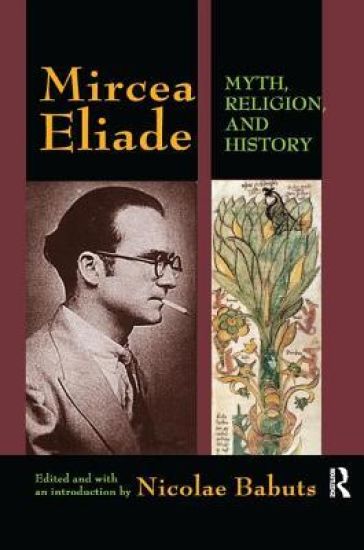
Mircea Eliade (1907?1986) was one of the twentieth century's foremost students of religion and cultural environments. This book examines the emergence, function, and value of religion and myth in his work.Nicolae Babuts, Robert Ellwood, Eric Ziolkowski, John Dadosky, Robert Segal, Mac Linscott Ricketts, Douglas Allen, and Liviu Borda examine Eliade's views on the interaction between the sacred and the profane. Each explores Eliade's phenomenological approach to the study of religion and myth. They show that modern rites of initiation, cultural activities, and spectacles like bullfighting, film, and, perhaps surprisingly, reading and writing, all harken back to the archetypal structures of the mythical imagination. Perhaps the greatest achievement of Eliade's phenomenological approach is that it reveals what we have in common with pre-Socratic man: the mind's structural capacity to endow objects and events with spiritual values and meanings.As a study of Eliade's concept of the mythic imagination, the book posits an analogy between the myths of the past and modern imitations. The authors suggest that in spite of their differences and their separate historical sources, myths represent basic structures of human consciousness. This book is essential reading for all students of religion, philosophy, and literature.
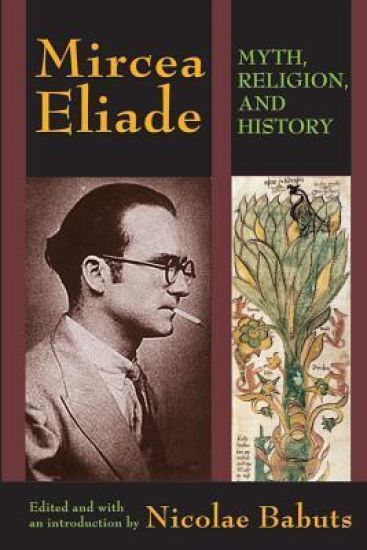
Mircea Eliade
AldineTransaction
2014
sidottu
Mircea Eliade (1907–1986) was one of the twentieth century's foremost students of religion and cultural environments. This book examines the emergence, function, and value of religion and myth in his work.Nicolae Babuts, Robert Ellwood, Eric Ziolkowski, John Dadosky, Robert Segal, Mac Linscott Ricketts, Douglas Allen, and Liviu Borda examine Eliade's views on the interaction between the sacred and the profane. Each explores Eliade's phenomenological approach to the study of religion and myth. They show that modern rites of initiation, cultural activities, and spectacles like bullfighting, film, and, perhaps surprisingly, reading and writing, all harken back to the archetypal structures of the mythical imagination. Perhaps the greatest achievement of Eliade's phenomenological approach is that it reveals what we have in common with pre-Socratic man: the mind's structural capacity to endow objects and events with spiritual values and meanings.As a study of Eliade's concept of the mythic imagination, the book posits an analogy between the myths of the past and modern imitations. The authors suggest that in spite of their differences and their separate historical sources, myths represent basic structures of human consciousness. This book is essential reading for all students of religion, philosophy, and literature.
Mircea Eliade: From Magic to Myth addresses a series of topics that have been neglected in scholarship. First and foremost, the book looks at the early Romanian background of some of Eliade’s ideas, especially his magical universe, which took on a more mythical nature with his arrival in the West. Other chapters deal with Eliade’s attitude toward Judaism, which is crucial for his phenomenology of religion, and the influences of Kabbalah on his early work. Later chapters address his association with the Romanian extreme right movement known as the Iron Guard and the reverberation of some of the images in the post-war Eliade as well as with the status of Romanian culture in his eyes after World War II. The volume concludes by assessing the impact of Eliade’s personal experiences on the manner in which he presented religion. The book will be useful in classes in the history of religion and the history of Eastern European intellectuals.
Mircea Eliade: From Magic to Myth addresses a series of topics that have been neglected in scholarship. First and foremost, the book looks at the early Romanian background of some of Eliade’s ideas, especially his magical universe, which took on a more mythical nature with his arrival in the West. Other chapters deal with Eliade’s attitude toward Judaism, which is crucial for his phenomenology of religion, and the influences of Kabbalah on his early work. Later chapters address his association with the Romanian extreme right movement known as the Iron Guard and the reverberation of some of the images in the post-war Eliade as well as with the status of Romanian culture in his eyes after World War II. The volume concludes by assessing the impact of Eliade’s personal experiences on the manner in which he presented religion. The book will be useful in classes in the history of religion and the history of Eastern European intellectuals.
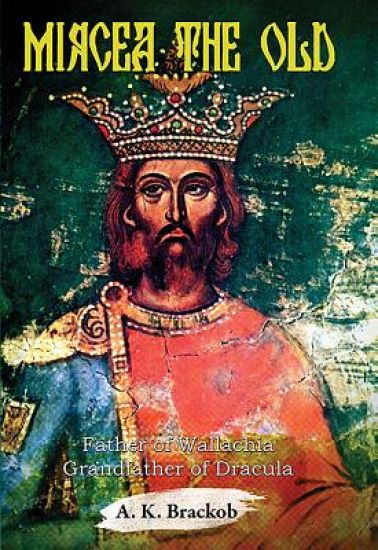
One of the greatest leaders in Romanian history, Mircea the Old comes to life in this new book. Although his grandson, Vlad the Impaler, has acquired much greater international fame, Mircea the Old was the most significant ruler to sit on the throne of the small principality of Wallachia during the Middle Ages. To understand the historical Dracula, it is essential to comprehend the life and times of Mircea the Old, who, during his long reign from 1386 to 1418, consolidated the political and administrative structure of his principality and maintained its freedom at the time of its most significant peril. Mircea defeated the mighty Ottoman Empire, the greatest power of his day, at the battle of Rovine in 1394. During the crusade of Nicopolis, in 1396, the Wallachian prince played a key role and many, including Emperor Sigismund of Luxemburg, believed that he should have led the Christian assault. Flawed political considerations, however, countermanded that proposal and resulted in a disastrous defeat for Christendom. Despite this setback, Mircea positioned his small country as a major force in international politics at the dawn of the fifteenth century. As the Ottoman Empire collapsed into civil war following the decisive defeat of Sultan Bayezid by the Mongol Emperor Tamerlane at the battle of Ankara in 1402, Mircea the Old emerged in the role of kingmaker. The great powers fighting for control over southeastern Europe all recognized his skill and acumen, leading the Turkish chronicler Leunclavius to describe him as "the bravest and most able of Christian Princes." His long reign allowed him to establish the dynamic ruling dynasty from which the Dracula legend would ultimately be born.
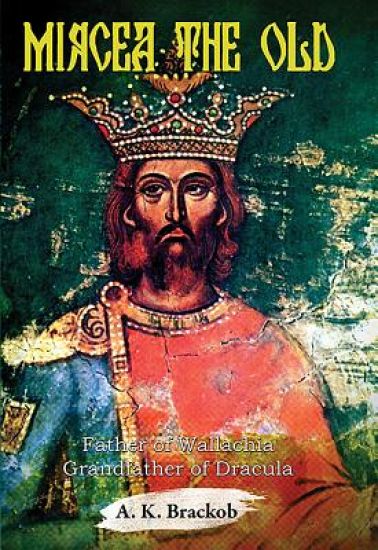
One of the greatest leaders in Romanian history, Mircea the Old comes to life in this new book. Although his grandson, Vlad the Impaler, has acquired much greater international fame, Mircea the Old was the most significant ruler to sit on the throne of the small principality of Wallachia during the Middle Ages. To understand the historical Dracula, it is essential to comprehend the life and times of Mircea the Old, who, during his long reign from 1386 to 1418, consolidated the political and administrative structure of his principality and maintained its freedom at the time of its most significant peril. Mircea defeated the mighty Ottoman Empire, the greatest power of his day, at the battle of Rovine in 1394. During the crusade of Nicopolis, in 1396, the Wallachian prince played a key role and many, including Emperor Sigismund of Luxemburg, believed that he should have led the Christian assault. Flawed political considerations, however, countermanded that proposal and resulted in a disastrous defeat for Christendom. Despite this setback, Mircea positioned his small country as a major force in international politics at the dawn of the fifteenth century. As the Ottoman Empire collapsed into civil war following the decisive defeat of Sultan Bayezid by the Mongol Emperor Tamerlane at the battle of Ankara in 1402, Mircea the Old emerged in the role of kingmaker. The great powers fighting for control over southeastern Europe all recognized his skill and acumen, leading the Turkish chronicler Leunclavius to describe him as "the bravest and most able of Christian Princes." His long reign allowed him to establish the dynamic ruling dynasty from which the Dracula legend would ultimately be born.

Mircea Eliade was one of the most successful and influential historians of religion. His interpretation of religious experience continues to inform the study of religious practice today. 'Mircea Eliade: A Critical Reader' presents essays both by and about Eliade, covering his life and thought, notably his contribution to our understanding of the sacred and the profane, symbol, myth and folklore. The volume examines Eliade's methodology and provides a significant critique of his work. The impact of Eliade's biography, politics and career on his thinking are also discussed.
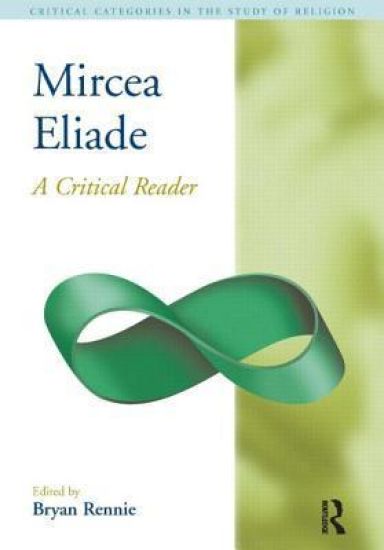
Mircea Eliade was one of the most successful and influential historians of religion. His interpretation of religious experience continues to inform the study of religious practice today. 'Mircea Eliade: A Critical Reader' presents essays both by and about Eliade, covering his life and thought, notably his contribution to our understanding of the sacred and the profane, symbol, myth and folklore. The volume examines Eliade's methodology and provides a significant critique of his work. The impact of Eliade's biography, politics and career on his thinking are also discussed.

Mircea C¿rt¿rescu. La rescritura de lo fantástico
Pedro Pujante
Editorial Académica Española
2019
nidottu

Mircea Cartarescu. Die Neuschreibung des Fantastischen
Pedro Pujante
Verlag Unser Wissen
2024
pokkari
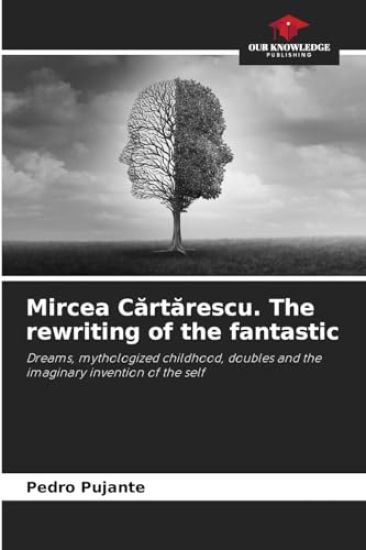
Mircea Cartarescu. The rewriting of the fantastic
Pedro Pujante
Our Knowledge Publishing
2024
pokkari


"Do nosso ponto de vista, cremos que a Guarda de Ferro foi um movimento mais religioso e militar que pol tico, havendo que estud -lo como tal, mais de um ponto de vista sociol gico e antropol gico-etnol gico do que de um ponto de vista ideol gico e pol tico (...) a Guarda de Ferro esteve t o estreitamente vinculada s tradi es romenas, que a investiga o hist rica que a queira estudar dever ir a par com uma pesquisa hist rica, religiosa e com tudo o mais que tal possa acarretar." - Franco CardiniMircea Eliade e a Guarda de Ferro constitui uma importante contribui o para a compreens o do itiner rio intelectual do grande historiador das religi es, bem como para a hist ria do Movimento Legion rio nas suas rela es com a cultura romena. Apoiando-se numa abundante documenta o, o autor empenhou-se em reconstituir todo um quebra-cabe as, do qual sobressai que uma grande parte da produ o te rica e romanesca de Eliade indissoci vel do empenho do escritor, nos anos 30, a favor do movimento fundado e dirigido por Corneliu Zelea Codreanu.A compet ncia de Claudio Mutti sobre este assunto inquestion vel. Falando fluentemente o romeno, traduziu para o italiano os principais textos da literatura legion ria e escreveu v rios livros sobre o fen meno legion rio e a influ ncia de Ren Gu non na Rom nia.A FACETA MENOS PROPAGADA DE MIRCEA ELIADEMircea Eliade (Bucareste, 13 de Mar o de 1907 - Chicago, 22 de Abril de 1986) foi um historiador e romancista romeno naturalizado estadunidense. Foi um dos mais importantes e influentes historiadores e fil sofo das religi es da contemporaneidade.Embora o seu trabalho acad mico nunca tenha estado subordinado s suas cren as pol ticas, este reflecte a escola de pensamento associada Rom nia do entre-guerras, bem como das obras de Julius Evola, tendo liga es tem ticas comuns s do fascismo. O acad mico Marcel Tolcea tem defendido que, por interm dio da interpreta o que Evola fez das obras de Gu non, Eliade manteve uma liga o not vel s ideologias nacionalistas e que este transparece nas suas obras.Um artigo, datado dos anos 30, via Eliade retractar Julius Evola como sendo um grande intelectual e elogiar intelectuais t o pol micos como Oswald Spengler, Arthur de Gobineau, Houston Stewart Chamberlain e inclusive Alfred Rosenberg, ide logo nazi. Evola, que continuou a defender os princ pios do fascismo m stico, na sua interpreta o de Direita, chegou a protestar que Eliade pecava por n o o citar a ele nem a Gu non. Eliade respondeu-lhe que os seus trabalhos se destinavam a um p blico mais amplo, que n o os iniciados dos c rculos esot ricos. No final dos anos 60 Eliade, bem como Evola e Rougier, entre outros intelectuais, deram o seu apoio ao GRECE - Groupement de Recherche et d' tudes pour la Civilisation Europ enne, parte da corrente intelectual que ficou conhecida pelo nome de Nova Direita.ACERCA DO AUTORClaudio Mutti (nascido em 1946) formado em filologia cl ssica, traduziu para o italiano obras de Plutarco, Aratos, Porf rio, do Imperador Juliano e de Sal stio. Depois de ter desenvolvido actividade docente e de pesquisa no Instituto de Filologia Fino- grico de L ngua e Literatura H ngara da Universidade de Bolonha, cargo a que teve que renunciar em 1974.Mutti escreveu diversas obras relativas ao folclore da Europa central, estudando o conte do simb lico das tradi es populares seguindo os passos das indica es fornecidas por Ren Gu non. No mbito de um aprofundado interesse pela cultura da rea carp tico-danubiana, traduziu numerosos documentos e depoimentos relativos ao movimento legion rio romeno e ao movimento das cruzes flechadas h ngaro. Em particular, investigou as rela es de Mircea Eliade, Emil Cioran e Constantin Noica com o Movimento Legion rio; fez pesquisas aprofundadas acerca da influ ncia exercida por Ren Gu non e Julius Evola nos pa ses da Europa danubiana.