Kirjojen hintavertailu. Mukana 11 244 527 kirjaa ja 12 kauppaa.

Kirjahaku

Etsi kirjoja tekijän nimen, kirjan nimen tai ISBN:n perusteella.

1000 tulosta hakusanalla Mohammad Arif

Chook

Chook

Mohammad Arif

Rajpal Sons
2022
nidottu
"कहानीकार मोहम्मद आरिफ़ किस्सागोई के लिए जाने जाते हैं। वे बड़ी-से-बड़ी और गम्भीर बात बहुत सहजता से कह जाते हैं। भारतीय समाज की विविधता और सद्भाव को नष्ट करने वाली कट्टरता और अंध धार्मिकता को आरिफ़ की कहानियाँ बेहद प्रभावशाली ढंग से उद्घाटित करती हैं। 'चूक' के साथ इस संग्रह की अन्य कहानियाँ यथा 'नंगा नाच' और 'मौसम' बदल रही दुनिया में साधारण लोगों के जीवन और यथार्थ का बखूबी चित्रण करती हैं। कहना न होगा कि मोहम्मद आरिफ़ ने जिस निष्पक्ष निगाह, निजी संवेदनशीलता और गहरी पक्षधरता के साथ इन कहानियों को रचा है, वह सराहनीय हैं। सुल्तानपुर ( उत्तर प्रदेश) में 7 मई 1961 को जन्मे मोहम्मद आरिफ़ हिन्दी के जाने-माने कथाकार हैं। उनके चर्चित कहानी-संग्रहों में फिर कभी, फूलों का बाड़ा, चोर सिपाही हैं। उनका एक उपन्यास उपयात्रा भी प्रकाशित हुआ है। अपने कथा लेखन के लिए उन्हें प्रेमचंद स्मृति कथा सम्मान मिला है और उनकी कहानियों का एक विशिष्ट संचयन मैं और मेरी कहानियाँ भी प्रकाशित हुआ है। वर्तमान में बिहार के समस्तीपुर में निवास कर रहे मोहम्मद आरिफ़ को नयी पीढ़ी के श्रेष्ठ कथाकारों में माना जाता है। संपर्क [email protected]"
Advances in Building Science and Technology

Advances in Building Science and Technology

Mohammad Arif Kamal

Eliva Press
2021
nidottu
Technological progress has introduced many innovations and technologies in the field of building industry. Building science and technology is concerned with the technical performance of buildings, building materials, and building construction systems. Commercial construction, residential construction, institutional construction, recreational construction, industrial construction and heavy civil construction are a few examples that now display master pieces of building science and technologies. Buildings are now constructed from a bewildering array of interrelated systems and assemblies that must work together to deliver the required standard of performance. Building technology encompasses; materials and their applications, physical properties, capacities and vulnerabilities; the functioning of components and systems; the principles, procedures and details of building assembly; operating strategies and so on. Building science and technology is applied to the design of new buildings, the repair and maintenance of the increasing stock of existing buildings and also to the development of new building materials and technologies. There is a need to improve the manner in which buildings are constructed and maintained to ensure long building life, to improve building performance throughout the expected service life, and to allow demolition, reuse, and recycling. In the rapidly changing scenario of building sector, architects, engineers and builders should search for new construction technologies to adopt in future constructions that benefits like energy efficiency, resources and water conservation, improved indoor air quality, life cycle cost reduction, durability and low maintenance. Therefore, to attain these objectives, application and knowledge of latest advancements in various technologies are of prime concern. This book 'Advances in Building Science and Technology' contains five chapters which introduce some scientific methods and state-of-the-art building technologies and systems that may be beneficial to architects, engineers, building scientists and construction industry professionals.
Advances in Architectural Engineering

Advances in Architectural Engineering

Mohammad Arif Kamal

Eliva Press
2021
nidottu
Architectural engineering, also known as building engineering, is an engineering discipline that deals with the technological aspects and multidisciplinary approach to planning, design, construction, operations and maintenance of buildings, such as analysis and integrated design of environmental systems (energy conservation, HVAC, plumbing, lighting, fire protection, acoustics, vertical transportation, electrical power systems), structural systems, construction systems, behavior and properties of building components and materials, and construction management. Built on a legacy of thousands of years of gradual innovation in construction technology and scientific advancement, architectural engineering applies the latest scientific knowledge and technologies to the design of buildings. The goal is to engineer high-performance buildings that are sustainable, resilient, and economically viable, that ensure the safety, health, comfort, and productivity of occupants. Technological progress has introduced many innovations and technologies in the field of building industry. From reduction of greenhouse gas emissions to the construction of resilient buildings, architectural engineering is at the forefront of addressing several major challenges of the 21st century. It also promotes sustainable practices by lowering energy consumption and occupants' carbon footprint, so much so that architectural engineering has been identified as the discipline with the highest potential to combat climate change. This book 'Advances in Architectural Engineering' contains four chapters which introduce some scientific methods and state-of-the-art building technologies and systems that may be beneficial to the Architects, building engineers and building construction industry professionals.
Advances in Building Construction Technology

Advances in Building Construction Technology

Mohammad Arif Kamal

Eliva Press
2021
pokkari
Building construction technology is concerned with the technical performance of buildings, building materials, and building construction systems. Technological progress has introduced many innovations in the field of construction industry. The building construction technology covers a wide range of modern techniques and practices that encompass the latest developments in materials technology and their applications, design procedures, quantity surveying, structural analysis and design, the functioning of components and systems, procedures and details of building assembly; operating strategies and so on. The adoption of advanced construction technology requires an appropriate design, commitment from the whole project team, suitable procurement strategies, good quality control, appropriate training and careful commissioning. There is a difference between new and old traditional construction methods. The use of machinery and automation has made its way through the civil engineering and construction industry. Most of the building components such as columns, roofs and concrete blocks are available as prefabricated forms that increase the speed of construction process greatly. In the rapidly changing scenario of building sector, architects, engineers and builders should search for new construction technologies to adopt in future constructions that benefits like energy efficiency, resources and water conservation, improved indoor air quality, life cycle cost reduction, durability and low maintenance. Therefore, to attain these objectives, application and knowledge of latest advancements in various technologies are of prime concern. This book 'Advances in Building Construction Technology' contains six chapters which introduces various scientific methods and state-of-the-art building constriction technologies and systems that may be beneficial to architects, engineers, building scientists and construction industry professionals.
Technological Advancements in Building Construction
Technological progress has introduced many innovations in the field of the construction industry. In recent years, the building construction industry is continuously being updated and upgraded with the latest technologies to improve the cost, safety, efficiency, and quality of construction. Construction is essentially the process of moving and assembling materials and equipment into a completed, operational facility. Technology adds significant value at every stage of construction, from planning to the commission, by optimizing efficiency and productivity. The building construction technology covers a wide range of modern techniques and practices that encompass the latest developments in materials technology and their applications, design procedures, quantity surveying, structural analysis and design, the functioning of components and systems, procedures and details of building assembly and so on. New advanced materials offer opportunities to change how we construct and retrofit buildings. They give added value in terms of increased performance and functionality. The use of machinery and automation has made its way through the civil engineering, architectural and construction industries. In the rapidly changing scenario of the building sector, architects, engineers and builders should search for new construction technologies to adopt in future constructions that benefit energy efficiency, resources and water conservation, improved indoor air quality, life cycle cost reduction, durability and low maintenance. Therefore, to attain these objectives, application and knowledge of latest advancements in various building construction technologies are of prime concern. This book 'Technological Advancements in Building Construction' contains Six chapters that introduce some scientific methods and state-of-the-art building technologies that may be beneficial to architects, engineers, building scientists and construction industry professionals.
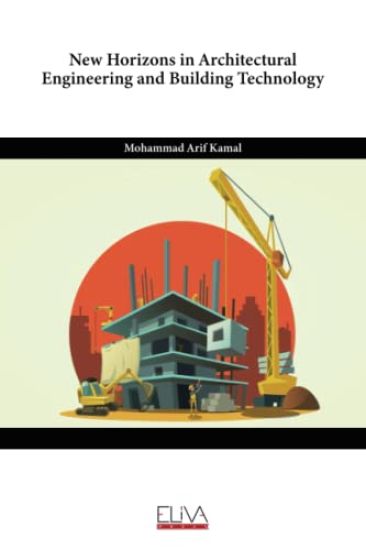
New Horizons in Architectural Engineering and Building Technology
The term 'Architectural Engineering and Building Technology' refers to the technical processes and methods used in the planning, designing, construction and operation of buildings. The building technology encompasses; the functioning of components and systems; the principles; procedures, methods and details of building assembly; operating strategies; materials and their applications, management etc. Built on a legacy of thousands of years of gradual innovation in construction technology and scientific advancement, architectural engineering applies the latest scientific knowledge and technologies to the design of buildings. The building construction industry is continuously being updated and upgraded with the latest technologies to improve the cost, safety, efficiency, and quality of construction. The technological progress has introduced many innovations in the field of building construction industry. From reduction of greenhouse gas emissions to the construction of resilient buildings, architects and building engineers are at the forefront of addressing several major challenges of the 21st century. Building Technology adds significant value at every stage of construction, from planning to the commission, by optimizing efficiency and productivity. The goal is to engineer high-performance buildings that are sustainable, efficient, resilient, economically viable, that ensure the safety, health, comfort, and productivity of occupants. The architects, planners, engineers and builders should search for new construction technologies to adopt in future constructions that benefit energy efficiency, resources and water conservation, improved indoor air quality, life cycle cost reduction, durability and low maintenance. This book 'New Horizons in Architectural Engineering and Building Technology' contains Five chapters that introduces and discusses some state-of-the-art building technologies and scientific methods that may be beneficial to building engineers, architects, students of civil engineering and architecture, research scholars, building scientists and construction industry professionals.
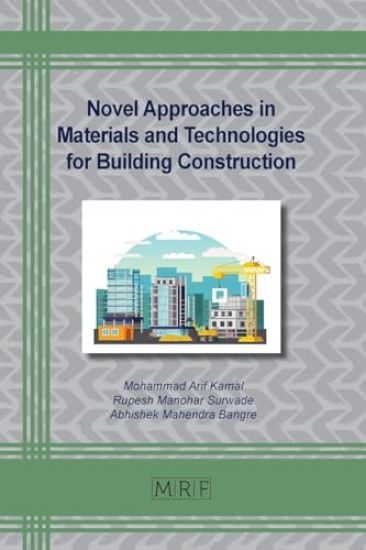
Novel Approaches in Materials and Technologies for Building Construction

Novel Approaches in Materials and Technologies for Building Construction

Mohammad Arif Kamal; Rupesh Manohar Surwade; Abhishek Mahendra Bangre

Materials Research Forum LLC
2024
pokkari
The book discusses the latest developments in the area of building constructions. Most of the building components such as columns, roofs and concrete blocks are available in prefabricated forms that increase the speed of construction processes. The goal is to engineer buildings that are sustainable, efficient, resilient, economically viable; and ensure the safety, health and comfort of occupants. New materials and technologies aim at energy efficiency, water conservation, improved indoor air quality, durability and low life cycle and maintenance costs.
Shared Sacred Sites in South Asia

Shared Sacred Sites in South Asia

Aminah Mohammad-Arif; Grégoire Schlemmer

C HURST CO PUBLISHERS LTD
2025
nidottu
Across the world, religious and cultural identities are being weaponised for political gains. South Asia is no exception, with frequent conflicts between faith communities strengthening politico-religious organisations, and severely straining social cohesion. Yet this region also has a history of religious intermingling, exemplified by shared sacred sites such as saints' tombs, temples, churches, and natural elements serving as places of worship. Such 'sites in common' offer rich insights into the dynamics of religious interaction. This book investigates them through two key questions. First, it examines what shared places of worship can reveal about plural societies in the midst of persistent religious and ethnic nationalism. Are they exceptional? Do they reflect or transcend socio-religious fault lines? The authors approach coexistence as a tensile equilibrium, in which conflict is no stranger to sharing: South Asia's shared sacred sites are seen as social laboratories, where communities experiment with pluralism and its challenges. Second, the contributors consider the politics of belonging, questioning the boundaries between groups and religions. They examine the logics at work in people's visits to places outside their own religious affiliation, challenging theoretical frameworks of religious demarcation and showing the importance of other markers, such as caste, class, language and gender.
Salaam America

Salaam America

Amminah Mohammad-Arif

Anthem Press
2002
sidottu
Brought into sharp focus by the events of 11 September 2001 in New York, this study examines the regrouping of the religious community and the reinvention of group identity in first and second-generation immigrants. By transplanting many of their institutions to the US (particularly in New York), Muslim immigrants succeeded in establishing their presence in the American landscape without arousing significant concern in the host community.