فرزندان ما از اولین روزهای تولد، با تلفن همراه والدین خود بازی می]کنند.با صدای تلویزیون بیدار می]شوند و با لالایی آن به خواب می]روند. بازی]های رایانه]ای، آن]ها را ساعت]ها سرگرم می]کند تا جای خالی خواهر یا برادر خود را حس نکنند.کم]کم در شبکه]های اجتماعی، به دنبال دوست می]گردند، سپس قهر می]کنند و یاد می]گیرند چطور بی]رحمانه قضاوت کنند. فضای مجازی، جسم و روح آن]ها را در اختیار گرفته و البته عده]ای هستند که این وضعیت را نتیجه پیشرفت فنّاوری، عصر ارتباطات و یک امر اجتناب]ناپذیر می]دانند.روزگار ما بیش از هر زمان دیگری نیازمند والدینی است که مسئولیت رفتار فرزندان خود را به ]طور کامل قبول کنند.فرزندان عصر فضای مجازی، به والدین حقیقی نیاز دارند.آن]ها به پدران و مادرانی احتیاج دارند که همراهشان، در این فضای ناشناخته قدم بردارند و به آن]ها، راه و رسم زندگی در دنیای رسانه]های نوین را بیاموزند.این کتاب برای والدین حقیقی نوشته] شده است.
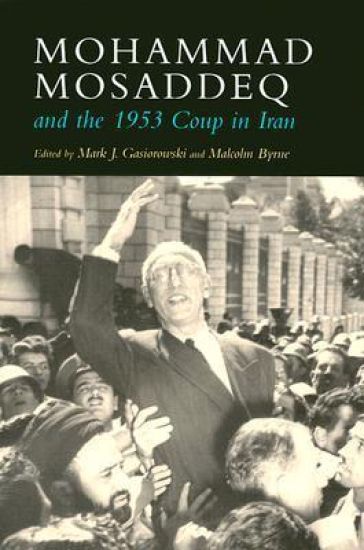
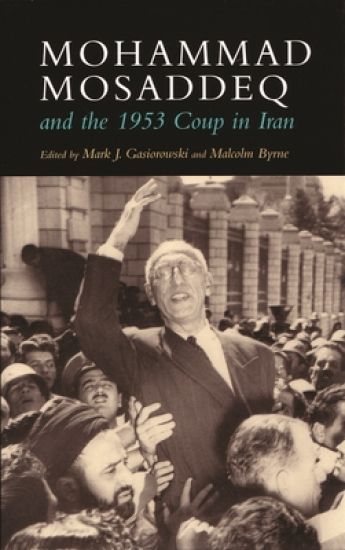
Mohammad Mosaddeq is widely regarded as the leading champion of secular democracy and resistance to foreign domination in Iran's modern history. Mosaddeq became prime minister of Iran in May 1951 and promptly nationalized its British-controlled oil industry, initiating a bitter confrontation between Iraq and Britain that increasingly undermined Mossaddeq's position. He was finally overthrown in August 1953 in a coup that was organized and led by the United States' Central Intelligence Agency. This coup initiated a twenty-five-year period of dictatorship in Iran, leaving many Iranians resentful of the U.S. - legacies that still haunt relations between the two countries today. The book examines the turbulent political climate that prevailed in Iran during Mosaddeq's time the struggle between Iran and Britain for control over oil, the strategic considerations that led U.S. officials to opt for a coup, and the details of the coup itself. Based on exhaustive research by leading academic experts in the field, this is the most authoritative account of the tragic events that led to the overthrow of Mosaddeq. With the recent declassification of CIA documents regarding the 1953 coup that overthrew Mohammad Mossadeq's government in Iran, there is an opportunity for new in-depth analysis into not only the coup itself but the events that led up to it.
The book examines the turbulent political climate that prevailed in Iran during Mosaddeq’s tenure, the confrontation between Iran and Britain for control over Iran’s oil, the strategic considerations that led U.S. officials to opt for a coup, and the details of the coup itself. Based on exhaustive research by leading academic experts in the field, this is the most authoritative account of the tragic events that led to the overthrow of Mosaddeq. With the recent declassification of CIA documents regarding the 1953 coup that overthrew Mohammad Mossadeq’s government in Iran, there is an opportunity for new in-depth analysis into not only the coup Coup d’État itself but the events that inevitably led up to it.
Mohammad is warned that he is going to the States to study; that he needs to concentrate on getting his degree and that he is not to get involved with an American-Christian co-ed. He smiles at the absurdity of the warning, as he has never dated, never kissed a girl, and never even held a girl's hand. Then he meets Sarah. Not only is she an American co-ed, but she has a Methodist mother and a Jewish father named Goldman. There are hurdles to jump, obstacles to overcome, and convincing to do, as the magnetism between Mohammad and Sarah draws them unavoidably together. The chasms of culture, language, and religion seem insurmountable; Mohammad's mother has picked out the perfect Palestinian wife for him; Sarah's parents are not too keen on the possibility of a Moslem son-in-law named Mohammad and would rather she marry the boy next door.It is a story of prejudice and compromise, of ignorance and understanding, of severing ties and unity. Neither Mohammad nor Sarah questions their love for each other, but they do wonder if love is enough.
Geistesblitze - cooles Notizbuch f r alle M nner / ca. A5 mit Punkteraster / 108 SeitenTolle kleine Geschenkidee f r alle M nner, V ter, Opas, Br der und Freunde. Schnapp dir dieses lustige Notizheft f r deine Geistesblitze. Ideal f r Notizen, Ideen, Tagebucheintr ge, To-Do-Listen, Adressen, pers nliche Gedanken, als Reisetagebuch, ... .PRODUCT DETAILS: ca. A5 (15,2 x 22,8 cm)Taschenbuch (soft cover)cooles "distressed" Designmatter Umschlag 108 Seiten mit Punkterasterstarkes Papierperfekt f r Notizen, Skizzen, Adressen, Mitteilungen, als Tagebuch, ...Es stehen viele andere Namen zur Verf gung. Gib einfach in die Amazon-Suche "CoolMenNotes Vorname" ein.
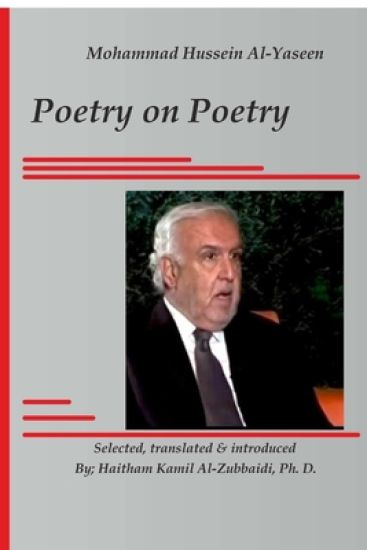
A lifelong poetic career of a major contemporary Iraqi poet is explored via a translation of a representative selection of his poems which are directly concerned with poetry and poeticism. A serious effort is clearly manifested by the translator who thematically selected, arranged and critically introduced these poems. This book serves the purposes of all readers who are interested in Arabic literature, poetry and culture.
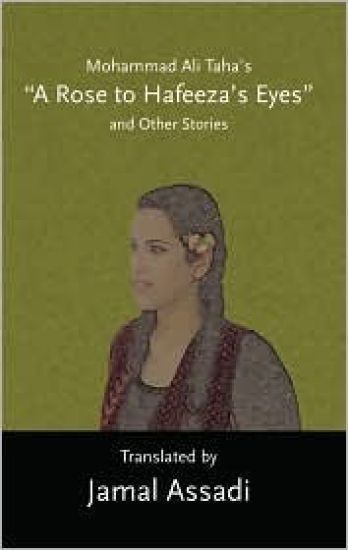
Mohammad Ali Taha is a well-known Palestinian writer residing in Galilee as an Israeli citizen. Despite his fame in the Arab world, his works are still unfamiliar to Western audiences. In this volume, translator Jamal Assadi has collected a selection of Taha’s short stories, representing a variety of themes, styles, historical periods, contexts, settings, tones, languages, narrations, and characters, with the intent to help Taha enter what Edward Said calls «the large, many-windowed house of human culture as a whole». In his introduction, Assadi discusses the culture, traits, and manners of Taha’s world, which provides the reader with a greater appreciation and understanding of the short stories in this volume.
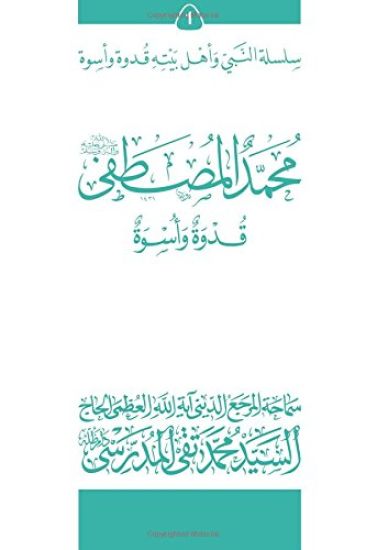
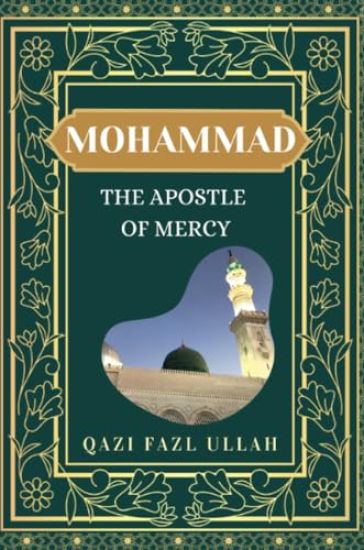
The biography of the Prophet Muhammad was preserved from day one by his blessed companions. Then scholars and historians have written books in this regard at different times, both concise and detailed. This book on the biography of Prophet Muhammad is an excellent balance of concise and detailed, as a concise book sometimes misses things, and people do not have time to read and understand too detailed a book. Another important feature of this book is that almost every important part of the Prophet's biography, the relevant part of the Holy Quran has been quoted, which illustrates that the Prophet's life was the practical shape of the Holy Book.
The biography of the Prophet Muhammad was preserved from day one by his blessed companions. Then scholars and historians have written books in this regard at different times, both concise and detailed. This book on the biography of Prophet Muhammad is an excellent balance of concise and detailed, as a concise book sometimes misses things, and people do not have time to read and understand too detailed a book. Another important feature of this book is that almost every important part of the Prophet's biography, the relevant part of the Holy Quran has been quoted, which illustrates that the Prophet's life was the practical shape of the Holy Book.
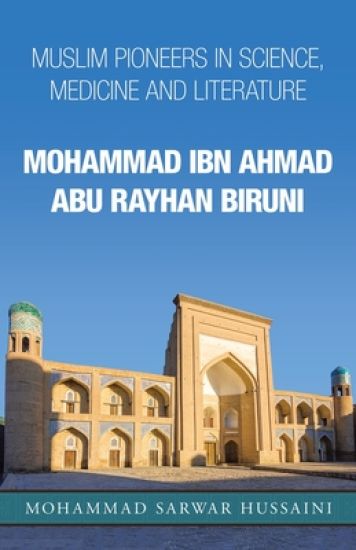
This book about Biruni is distinguished from other biographical books on Biruni by the factual approach of the author in the study of Biruni's life, and by his main reliance on Biruni's own books and treaties. Some stories and aspects of Biruni's life such as fictional works of Biruni which are covered by this book have not been seen or narrowly been mentioned by previous writers. Also, the book, through connecting historic facts, provides new findings on Biruni's scientific works and their importance to the transition of knowledge from ancient past up to present day.
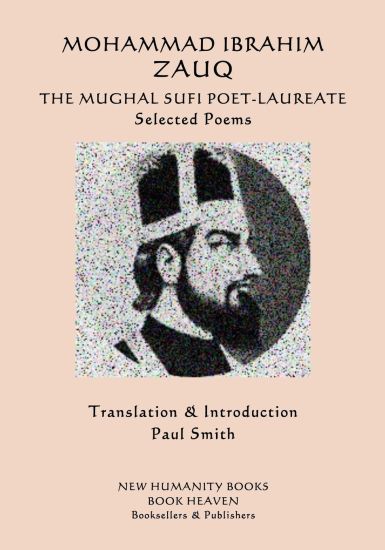
MOHAMMAD IBRAHIM ZAUQ THE MUGHAL SUFI POET-LAUREATE Selected Poems Translation & Introduction Paul Smith(Mohammad Ibrahim took Zauq (meaning 'taste') as his takhallus or pen-name. He was born at Delhi in 1788. His father was a lowly paid soldier. Zauq, not having proper treatment on account of the poverty of his family survived attacks of small-pox nine times during his childhood. Shah Naseer was the most famous master poet of Delhi. Naseer recognised natural talent and made him his pupil. Gradually, Zauq began participating in readings. His natural way with poetry and his obsession to excel in it eventually brought fame and fortune. He was the Poet-laureate and Spiritual Master of the last Mughal Emperpr of India, the Sufi Poet Badhar Shah Zafar. He was a prominent contemporary of Ghalib and in the history of Urdu poetry the rivalry of the two is well known and during his lifetime Zauq was more popular than his now much more famous rival. He was a religious man and in his ghazals he often dealt with mystical (Sufi) themes. Most of his poems were lost during the mutiny of 1857. He had passed away two years earlier in 1855. His Urdu Divan is composed of ghazals and ruba'is, qasidas and sher (rhyming couplets). Here is the largest selection in the correct form and meaning of his poems. Introduction: The Life & Poetry & Times of Zauq, Sufism in Poetry, Some of the Poetic Forms Used by Zauq, Selected Bibliography. Large Format Paperback 7" x 10" 185 pages.COMMENTS ON PAUL SMITH'S TRANSLATION OF HAFIZ'S 'DIVAN'."It is not a joke... the English version of ALL the ghazals of Hafiz is a great feat and of paramount importance. I am astonished." Dr. Mir Mohammad Taghavi (Dr. of Literature) Tehran."Superb translations. 99% Hafiz 1% Paul Smith." Ali Akbar Shapurzman, translator and knower of Hafiz's Divan off by heart.Paul Smith (b.1945) is a poet, author and translator of many books of Sufi poets of Persian, Arabic, Urdu, Turkish and other languages including Hafez, Sadi, Nizami, Rumi, 'Attar, Sana'i, Jahan Khatun, Obeyd Zakani, Mu'in ud-din Chishti, Amir Khusrau, Nesimi, Kabir, Anvari, Ansari, Jami, Khayyam, Hallaj, Rudaki, Yunus Emre, Ghalib, 'Iraqi, Iqbal, Makhfi, Lalla Ded, Abu Nuwas, Ibn al-Farid, Rahman Baba, Nazir, and many others, as well as his own poetry, fiction, plays, biographies, childrens books, a dozen screenplays. amazon.com/author/smithpa