

Kirjahaku
Etsi kirjoja tekijän nimen, kirjan nimen tai ISBN:n perusteella.
1000 tulosta hakusanalla Mufti Sayyid Abdul Samad Al-Qadiri




Herman Cyril McNeile MC (28 September 1888 - 14 August 1937) was a British author, who published under the pen name "Sapper". He was one of the most successful British popular authors of the Interwar period; his principal character was Bulldog Drummond. He is mainly remembered as the author of the ten Bulldog Drummond books, the first of which was published in 1920. These stridently anti-Communist spy thrillers brought him public recognition and considerable financial success. Mufti was McNeile's first book to be published (1919) - a year before his Bulldog Drummond series started and examines the social conditions as well as the evolving relationships between men and women in the last 3 months of the First World War.


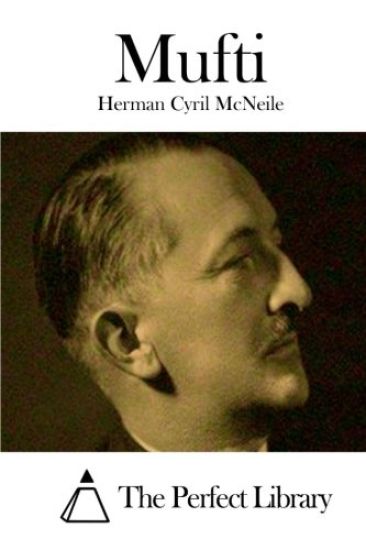
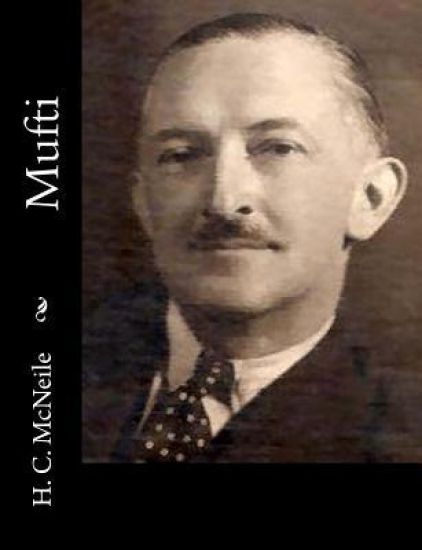
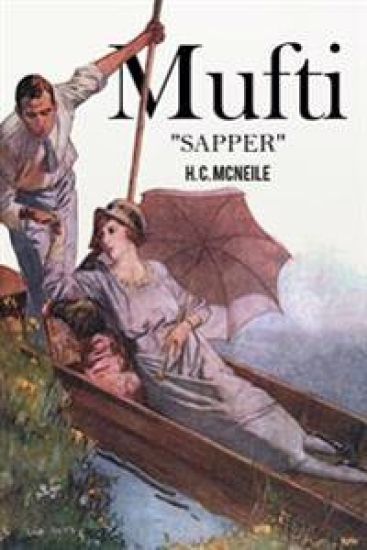


Reproduction of the original: Mufti by H.C. McNeile

Reproduction of the original: Mufti by H.C. McNeile

Mufti (Esprios Classics)
Blurb
2024
pokkari
Herman Cyril McNeile, MC (28 September 1888 - 14 August 1937), commonly known as Cyril McNeile and publishing under the name H. C. McNeile or the pseudonym Sapper, was a British soldier and author. Drawing on his experiences in the trenches during the First World War, he started writing short stories and getting them published in the Daily Mail. As serving officers in the British Army were not permitted to publish under their own names, he was given the pen name "Sapper" by Lord Northcliffe, the owner of the Daily Mail; the nickname was based on that of his corps, the Royal Engineers.
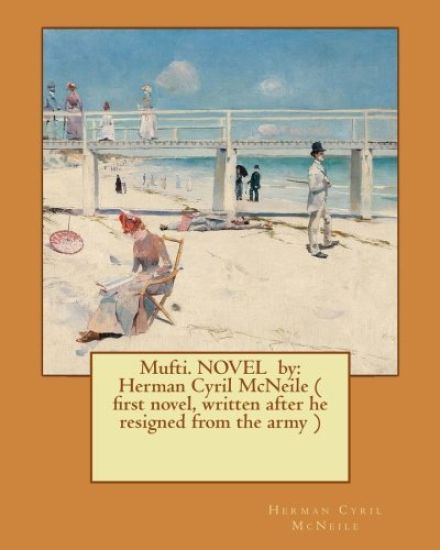
Mufti. NOVEL by: Herman Cyril McNeile ( first novel, written after he resigned from the army )
Herman Cyril McNeile
Createspace Independent Publishing Platform
2016
nidottu

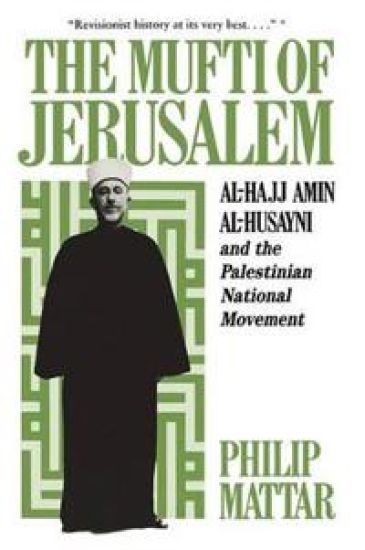
Muhammad Amin al-Husayni, the principal leader of Palestinian nationalism during the British mandate, was one of the modern Arab world's most controversial figures. He played a role in the 1992 Wailing Wall disturbance, took part in the Iraqi revolt of 1941, and was the target of British and Zionist assasins during World War II. Philip Mattar now offers the first full-length biography of this intriguing figure, weaving a fresh and objective revisionist account. Mattar clarifies al-Husayni's role in the politics of Palestine in the mandate era and the Palestinian national movement. He describes his rise to religious power as Mufti of Jerusalem and head of the Supreme Muslim Council. He also demarcates two major phases in al-Husayni's career. During his first, between 1917 and 1936, he was a cautious and pragmatic leader who, while opposing Zionism, cooperated with the British mandatory officials. The second phase, however, after 1936, was marked by militancy, frustration, and ultimately failure.