

Kirjahaku
Etsi kirjoja tekijän nimen, kirjan nimen tai ISBN:n perusteella.
1000 tulosta hakusanalla Muir John; Wolfe Linnie Marsh
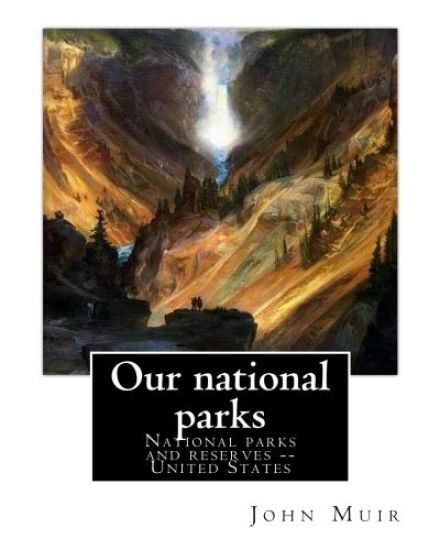
Our national parks, By John Muir: John Muir ( April 21, 1838 - December 24, 1914) also known as "John of the Mountains", was a Scottish-American natur
John Muir
Createspace Independent Publishing Platform
2016
nidottu
John Muir ( April 21, 1838 - December 24, 1914) also known as "John of the Mountains", was a Scottish-American naturalist, author, environmental philosopher and early advocate of preservation of wilderness in the United States. His letters, essays, and books telling of his adventures in nature, especially in the Sierra Nevada of California, have been read by millions. His activism helped to preserve the Yosemite Valley, Sequoia National Park and other wilderness areas. The Sierra Club, which he founded, is a prominent American conservation organization. The 211-mile (340 km) John Muir Trail, a hiking trail in the Sierra Nevada, was named in his honor.Other such places include Muir Woods National Monument, Muir Beach, John Muir College, Mount Muir, Camp Muir and Muir Glacier. In Scotland, the John Muir Way, a 130-mile-long route, was named in honor of him. In his later life, Muir devoted most of his time to the preservation of the Western forests. He petitioned the U.S. Congress for the National Park bill that was passed in 1890, establishing Yosemite National Park. The spiritual quality and enthusiasm toward nature expressed in his writings inspired readers, including presidents and congressmen, to take action to help preserve large nature areas.He is today referred to as the "Father of the National Parks"and the National Park Service has produced a short documentary about his life. Muir has been considered "an inspiration to both Scots and Americans".Muir's biographer, Steven J. Holmes, believes that Muir has become "one of the patron saints of twentieth-century American environmental activity," both political and recreational. As a result, his writings are commonly discussed in books and journals, and he is often quoted by nature photographers such as Ansel Adams."Muir has profoundly shaped the very categories through which Americans understand and envision their relationships with the natural world," writes Holmes.Muir was noted for being an ecological thinker, political spokesman, and religious prophet, whose writings became a personal guide into nature for countless individuals, making his name "almost ubiquitous" in the modern environmental consciousness. According to author William Anderson, Muir exemplified "the archetype of our oneness with the earth", 9] while biographer Donald Worster says he believed his mission was "...saving the American soul from total surrender to materialism." 10]:403 On April 21, 2013, the first ever John Muir Day was celebrated in Scotland, which marked the 175th anniversary of his birth, paying homage to the conservationist...........
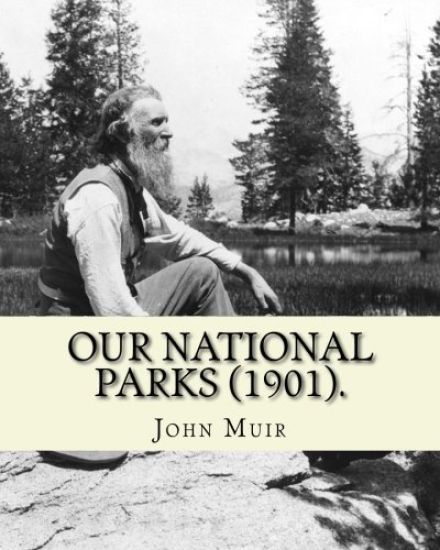
Our National Parks (1901). By: John Muir: John Muir ( April 21, 1838 - December 24, 1914) also known as "John of the Mountains", was a Scottish-Ameri
John Muir
Createspace Independent Publishing Platform
2018
nidottu
John Muir ( April 21, 1838 - December 24, 1914) also known as "John of the Mountains", was a Scottish-American naturalist, author, environmental philosopher, glaciologist and early advocate for the preservation of wilderness in the United States. His letters, essays, and books describing his adventures in nature, especially in the Sierra Nevada, have been read by millions. His activism has helped to preserve the Yosemite Valley, Sequoia National Park and many other wilderness areas. The Sierra Club, which he co-founded, is a prominent American conservation organization. The 211-mile (340 km) John Muir Trail, a hiking trail in the Sierra Nevada, was named in his honor. Other such places include Muir Woods National Monument, Muir Beach, John Muir College, Mount Muir, Camp Muir, Muir Grove, and Muir Glacier. In Scotland, the John Muir Way, a 130-mile-long route, was named in honor of him. In his later life, Muir devoted most of his time to the preservation of the Western forests. As part of the campaign to make Yosemite a national park, Muir published two landmark articles on wilderness preservation in The Century Magazine, "The Treasures of the Yosemite" and "Features of the Proposed Yosemite National Park"; this helped support the push for U.S. Congress to pass a bill in 1890 establishing Yosemite National Park. The spiritual quality and enthusiasm toward nature expressed in his writings has inspired readers, including presidents and congressmen, to take action to help preserve large nature areas.Today Muir is referred to as the "Father of the National Parks" and the National Park Service has produced a short documentary about his life. John Muir has been considered "an inspiration to both Scots and Americans". Muir's biographer, Steven J. Holmes, believes that Muir has become "one of the patron saints of twentieth-century American environmental activity," both political and recreational. As a result, his writings are commonly discussed in books and journals, and he is often quoted by nature photographers such as Ansel Adams. "Muir has profoundly shaped the very categories through which Americans understand and envision their relationships with the natural world," writes Holmes. Muir was noted for being an ecological thinker, political spokesman, and religious prophet, whose writings became a personal guide into nature for countless individuals, making his name "almost ubiquitous" in the modern environmental consciousness. According to author William Anderson, Muir exemplified "the archetype of our oneness with the earth", while biographer Donald Worster says he believed his mission was "...saving the American soul from total surrender to materialism." On April 21, 2013, the first ever John Muir Day was celebrated in Scotland, which marked the 175th anniversary of his birth, paying homage to the conservationist. Boyhood in Scotland: John Muir's Birthplace is a four-story stone house in Dunbar, East Lothian, Scotland. His parents were Daniel Muir and Ann Gilrye. He was the third of eight children: Margaret, Sarah, David, Daniel, Ann and Mary (twins), and the American-born Joanna. His earliest recollections were of taking short walks with his grandfather when he was three.In his autobiography, he described his boyhood pursuits, which included fighting, either by re-enacting romantic battles from the Wars of Scottish Independence or just scrapping on the playground, and hunting for birds' nests (ostensibly to one-up his fellows as they compared notes on who knew where the most were located).Author Amy Marquis notes that he began his "love affair" with nature while young, and implies that it may have been in reaction to his strict religious upbringing. "His father believed that anything that distracted from Bible studies was frivolous and punishable.".........
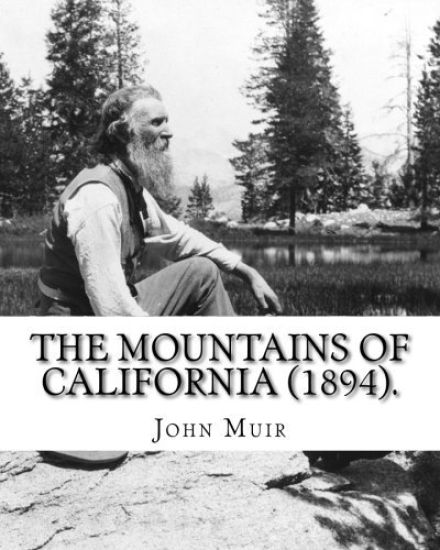
The Mountains of California (1894). By: John Muir: John Muir ( April 21, 1838 - December 24, 1914) also known as "John of the Mountains", was a Scotti
John Muir
Createspace Independent Publishing Platform
2018
nidottu
John Muir ( April 21, 1838 - December 24, 1914) also known as "John of the Mountains", was a Scottish-American naturalist, author, environmental philosopher, glaciologist and early advocate for the preservation of wilderness in the United States. His letters, essays, and books describing his adventures in nature, especially in the Sierra Nevada, have been read by millions. His activism has helped to preserve the Yosemite Valley, Sequoia National Park and many other wilderness areas. The Sierra Club, which he co-founded, is a prominent American conservation organization. The 211-mile (340 km) John Muir Trail, a hiking trail in the Sierra Nevada, was named in his honor. Other such places include Muir Woods National Monument, Muir Beach, John Muir College, Mount Muir, Camp Muir, Muir Grove, and Muir Glacier. In Scotland, the John Muir Way, a 130-mile-long route, was named in honor of him. In his later life, Muir devoted most of his time to the preservation of the Western forests. As part of the campaign to make Yosemite a national park, Muir published two landmark articles on wilderness preservation in The Century Magazine, "The Treasures of the Yosemite" and "Features of the Proposed Yosemite National Park"; this helped support the push for U.S. Congress to pass a bill in 1890 establishing Yosemite National Park. The spiritual quality and enthusiasm toward nature expressed in his writings has inspired readers, including presidents and congressmen, to take action to help preserve large nature areas.Today Muir is referred to as the "Father of the National Parks" and the National Park Service has produced a short documentary about his life. John Muir has been considered "an inspiration to both Scots and Americans". Muir's biographer, Steven J. Holmes, believes that Muir has become "one of the patron saints of twentieth-century American environmental activity," both political and recreational. As a result, his writings are commonly discussed in books and journals, and he is often quoted by nature photographers such as Ansel Adams. "Muir has profoundly shaped the very categories through which Americans understand and envision their relationships with the natural world," writes Holmes. Muir was noted for being an ecological thinker, political spokesman, and religious prophet, whose writings became a personal guide into nature for countless individuals, making his name "almost ubiquitous" in the modern environmental consciousness. According to author William Anderson, Muir exemplified "the archetype of our oneness with the earth", while biographer Donald Worster says he believed his mission was "...saving the American soul from total surrender to materialism." On April 21, 2013, the first ever John Muir Day was celebrated in Scotland, which marked the 175th anniversary of his birth, paying homage to the conservationist. Boyhood in Scotland: John Muir's Birthplace is a four-story stone house in Dunbar, East Lothian, Scotland. His parents were Daniel Muir and Ann Gilrye. He was the third of eight children: Margaret, Sarah, David, Daniel, Ann and Mary (twins), and the American-born Joanna. His earliest recollections were of taking short walks with his grandfather when he was three.In his autobiography, he described his boyhood pursuits, which included fighting, either by re-enacting romantic battles from the Wars of Scottish Independence or just scrapping on the playground, and hunting for birds' nests (ostensibly to one-up his fellows as they compared notes on who knew where the most were located).Author Amy Marquis notes that he began his "love affair" with nature while young, and implies that it may have been in reaction to his strict religious upbringing. "His father believed that anything that distracted from Bible studies was frivolous and punishable.".........
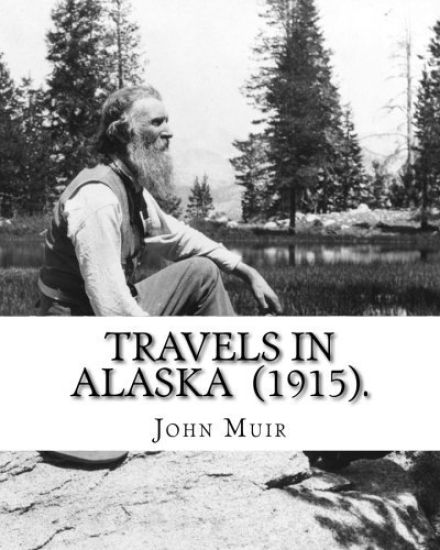
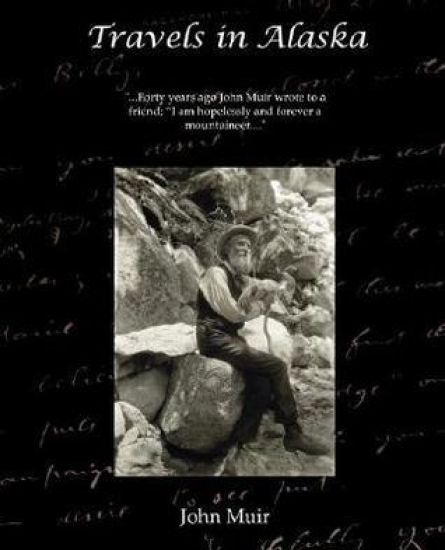
Travels in Alaska (1915). By: John Muir: John Muir ( April 21, 1838 - December 24, 1914) also known as "John of the Mountains", was a Scottish-Ameri
John Muir
Createspace Independent Publishing Platform
2018
nidottu
John Muir ( April 21, 1838 - December 24, 1914) also known as "John of the Mountains", was a Scottish-American naturalist, author, environmental philosopher, glaciologist and early advocate for the preservation of wilderness in the United States. His letters, essays, and books describing his adventures in nature, especially in the Sierra Nevada, have been read by millions. His activism has helped to preserve the Yosemite Valley, Sequoia National Park and many other wilderness areas. The Sierra Club, which he co-founded, is a prominent American conservation organization. The 211-mile (340 km) John Muir Trail, a hiking trail in the Sierra Nevada, was named in his honor. Other such places include Muir Woods National Monument, Muir Beach, John Muir College, Mount Muir, Camp Muir, Muir Grove, and Muir Glacier. In Scotland, the John Muir Way, a 130-mile-long route, was named in honor of him. In his later life, Muir devoted most of his time to the preservation of the Western forests. As part of the campaign to make Yosemite a national park, Muir published two landmark articles on wilderness preservation in The Century Magazine, "The Treasures of the Yosemite" and "Features of the Proposed Yosemite National Park"; this helped support the push for U.S. Congress to pass a bill in 1890 establishing Yosemite National Park. The spiritual quality and enthusiasm toward nature expressed in his writings has inspired readers, including presidents and congressmen, to take action to help preserve large nature areas.Today Muir is referred to as the "Father of the National Parks" and the National Park Service has produced a short documentary about his life. John Muir has been considered "an inspiration to both Scots and Americans". Muir's biographer, Steven J. Holmes, believes that Muir has become "one of the patron saints of twentieth-century American environmental activity," both political and recreational. As a result, his writings are commonly discussed in books and journals, and he is often quoted by nature photographers such as Ansel Adams. "Muir has profoundly shaped the very categories through which Americans understand and envision their relationships with the natural world," writes Holmes. Muir was noted for being an ecological thinker, political spokesman, and religious prophet, whose writings became a personal guide into nature for countless individuals, making his name "almost ubiquitous" in the modern environmental consciousness. According to author William Anderson, Muir exemplified "the archetype of our oneness with the earth", while biographer Donald Worster says he believed his mission was "...saving the American soul from total surrender to materialism." On April 21, 2013, the first ever John Muir Day was celebrated in Scotland, which marked the 175th anniversary of his birth, paying homage to the conservationist. Boyhood in Scotland: John Muir's Birthplace is a four-story stone house in Dunbar, East Lothian, Scotland. His parents were Daniel Muir and Ann Gilrye. He was the third of eight children: Margaret, Sarah, David, Daniel, Ann and Mary (twins), and the American-born Joanna. His earliest recollections were of taking short walks with his grandfather when he was three.In his autobiography, he described his boyhood pursuits, which included fighting, either by re-enacting romantic battles from the Wars of Scottish Independence or just scrapping on the playground, and hunting for birds' nests (ostensibly to one-up his fellows as they compared notes on who knew where the most were located).Author Amy Marquis notes that he began his "love affair" with nature while young, and implies that it may have been in reaction to his strict religious upbringing. "His father believed that anything that distracted from Bible studies was frivolous and punishable.".........
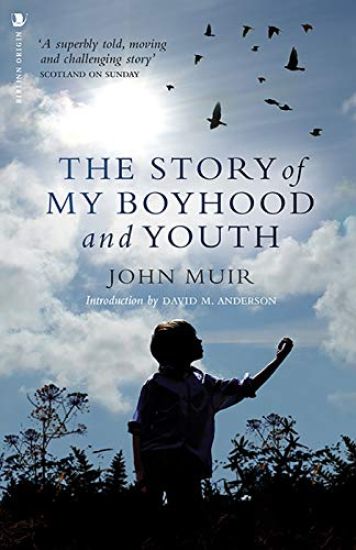
In this moving memoir of an unusual childhood, John Muir recalls his younger days in East Lothian with a startling clarity, depicting a wild boy whose quiet individuality and determination were already emerging. Born in mid nineteenth-century Scotland, Muir was eleven when his fanatically religious father took the family to build a new life in America’s vast wilderness. Muir charts their pioneering years in Wisconsin, where his battles for survival powerfully anticipate the extraordinary career which was to follow. They reveal a free spirit who perceived bonds between man and nature that were subtle and far reaching for both.
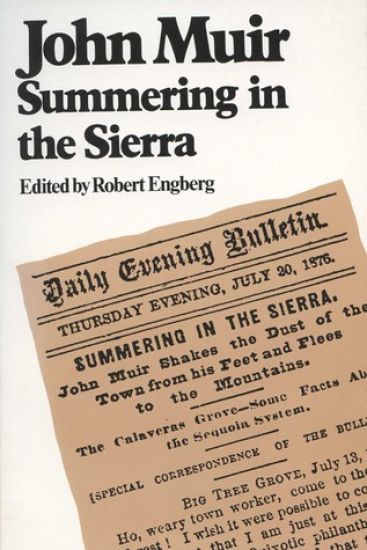
This is a collection of articles written by the pioneering naturalist for the San Francisco Evening Bulletin in 1874 and 1875. . . . In the course of his wanderings we hear Muir grow from a student of the wilderness to its professor and protector."--Sierra Magazine
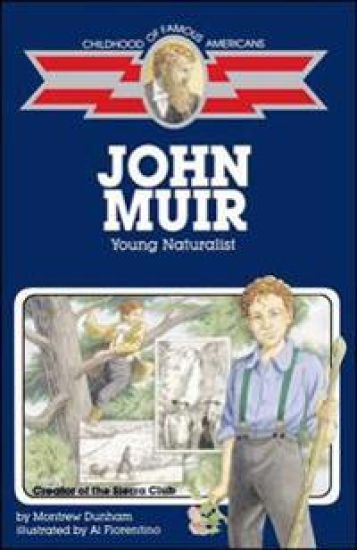
John Muir was a Scottish-American naturalist, author, and early advocate of preservation of wilderness in the United States. His activism helped to preserve Yosemite Valley, Sequoia National Park and other wilderness areas. The Sierra Club, which he founded, is still active today. The John Muir Trail is a 211-mile hiking trail in the Sierra Nevada. Now readers can explore how his childhood influenced his life.
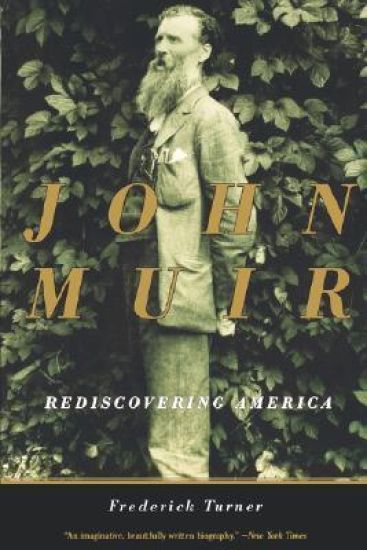
In his stirring biography, Frederick Turner, the distinguished writer and cultural historian, captures the legendary scale of the life of an American icon. Immigrant, inventor, botanist, and founder of the conservation movement, John Muir (1838-1914) truly led those of his time-and now ours-to rediscover the natural beauty of this land. From his harsh childhood in Scotland and on a Wisconsin pioneer farm, to his rugged, solitary explorations all over America and especially in the Sierras, to his passionate battle, in person and in his writings, to save and celebrate our wilderness, Muir was a heroic figure. Turner's biography is every bit as monumental and inspiring as its subject.
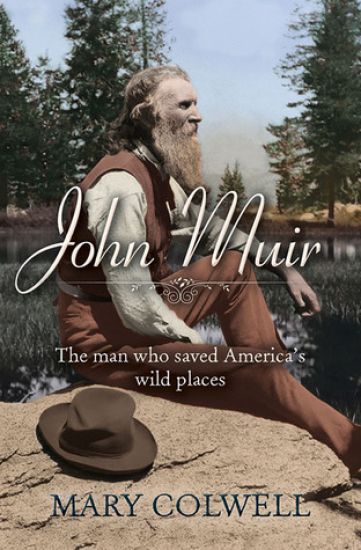
John Muir is regarded as the 'father of America's national parks' and is a towering figure in the history of that country's involvement with ecology. Born into a harsh home in Dunbar, Scotland he would often escape to revel in the birds and wildlife of the area. When his father suddenly uprooted the family and moved to the United States, the oppression he associated with his childhood continued - and so did his involvement with the natural world. Despite the difficulty of his formative years Muir grew up to be a man of great joy - first an inventor and then an explorer, he found his haven in the mountains of Sierra Nevada. He was a fascinating character: on the one hand a recluse, who sought solitude, and on the other a passionate activist, determined to save the places he loved. A strong believer in both God and the essential goodness of humanity, he was the founder and first president of the Sierra Club. This wonderful memoir pays tribute to a giant of ecology and is essential reading for lovers of natural history.
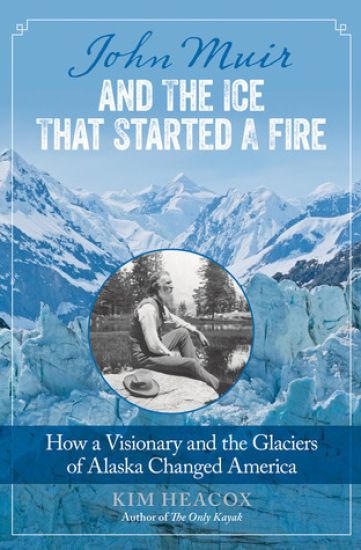
A dual biography of two of the most compelling elements in the narrative of wild America, John Muir and Alaska.John Muir was a fascinating man who was many things: inventor, scientist, revolutionary, druid (a modern day Celtic priest), husband, son, father and friend, and a shining son of the Scottish Enlightenment -- both in temperament and intellect. Kim Heacox, author of The Only Kayak, bring us a story that evolves as Muir's life did, from one of outdoor adventure into one of ecological guardianship---Muir went from impassioned author to leading activist. The book is not just an engaging and dramatic profile of Muir, but an expose on glaciers, and their importance in the world today. Muir shows us how one person changed America, helped it embrace its wilderness, and in turn, gave us a better world.December 2014 will mark the 100th anniversary of Muir's death. Muir died of a broken heart, some say, when Congress voted to approve the building of Hetch Hetchy Dam in Yosemite National Park. Perhaps in the greatest piece of environmental symbolism in the U.S. in a long time, on the California ballot this November is a measure to dismantle the Hetch Hetchy Dam.Muir's legacy is that he reordered our priorities and contributed to a new scientific revolution that was picked up a generation later by Aldo Leopold and Rachel Carson, and is championed today by influential writers like E.O. Wilson and Jared Diamond. Heacox will take us into how Muir changed our world, advanced the science of glaciology and popularized geology. How he got people out there. How he gave America a new vision of Alaska, and of itself.
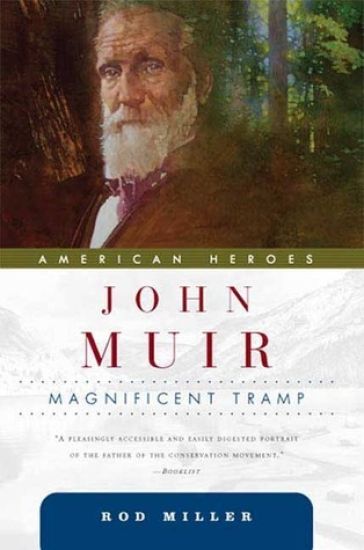
An important protector of the American wilderness, John Muir emigrated from Scotland to the United States in 1849 and became a widely sought expert in botany, glaciers, and forestry. He also gained renown during his life as an explorer, naturalist, and conservationist. Best known for his long association with the Yosemite Valley and Sierra Nevada Mountains of California, Muir also explored the southern states, Alaska, the Great Basin, and the Mojave Desert, and traveled around the world studying nature.Constantly at odds with powerful political and financial interests, he was instrumental in creating federal protection for forests as well as the establishment and expansion of national parks. The wars he waged are still being fought and the threats to the environment he encountered are as real today as they were in his time. Muir's ideas are still relevant to the lives of Americans. Muir is remembered as the founder of the Sierra Club, the father of America's conservation movement, and the architect of an ever growing environmental ethic. Larry Fahn, president of the Sierra Club, has called Rod Miller's biography, "a fascinating new take on a true American icon. John Muir comes alive again in Rod Miller's "Magnificent Tramp.""
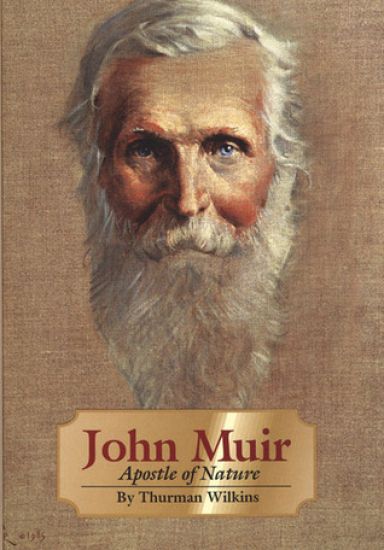
Nearly a century after John Muir's death, his works remain in print, his name is familiar, and his thought is much with us. How Muir's life made him a leader and brought him insights destined to resonate for decades is the central question underlying this biography by Thurman Wilkins.Profoundly attached to dramatic wild places and plants, and to the Sierra and the redwoods in particular, Muir spearheaded efforts to protect forest areas and have some designated as national parks. Muir's wilderness ethic, as revealed in his books, letters, and journals, rests on his conception of the proper relationship between human culture and wild nature as one of humility and respect for all life.
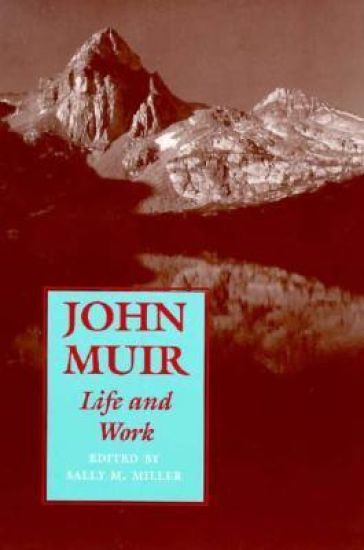
John Muir
University of New Mexico Press
1995
nidottu
One of the most important figures in environmental history, John Muir continues to influence wilderness philosophy through his popular published writings. Now available in paperback, this volume explores his relationship with his family, religious and literary influences on his philosophy, the development of his concept of ecology, and his contributions to geology and botany. It becomes clear that Muir's dedication to the belief that all life forms have inherent worth and his popularization of wilderness remain his primary legacies.Moving beyond the preservationist/utilitarian dichotomy, these essays reveal the complexity of Muir's contribution, stressing the anthropomorphic, aesthetic, and recreational bases of his values. The insights of the historians, literary critics, philosophers, and scientists presented here provide readers with a greater appreciation for Muir's multidimensional personality and his contributions to the preservation movement.
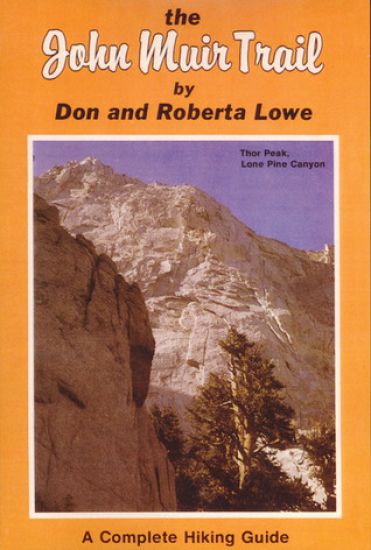
The John Muir Trail
Caxton Press
2001
pokkari
Nowhere does magnificent scenery, a vast network of interconnecting trails and beneficent weather come together so gloriously as in the High Sierra of California. This guide includes detailed maps showing trails, campsites and contours, with descriptive text and many photos.

When John Muir died in 1914, the pre-eminent American naturalist, explorer, and conservationist had not yet written the second volume of his autobiography, in which he planned to cover his Yosemite years. Editors Robert Engberg and Donald Wesling have here provided a remedy.Their account begins in 1863, the year Muir left the University of Wisconsin for what he termed the "University of the Wilderness." Following an accident in 1867 that nearly left him blind, he vowed to turn from machines and continue to study nature. That led, in 1868, to his first visit to Yosemite Valley, where he began his glacier studies. Muir spent much time exploring the Yosemite region, Tuolumne, and both the southern and northern Sierras, publishing articles, and keeping extensive journals through 1875, when he began to write for the San Francisco Bulletin and expanded his travels to areas throughout the west.Mining a rich vein of sources—Muir’s letters, journals, articles, and unpublished manuscripts, as well as selections drawn from biographical pieces written about Muir by people who met him in Yosemite in the early 1870s—Engberg and Wesling have assembled what they term a "composite autobiography," providing brief interpretive and transitional passages throughout the book. This work is especially valuable because it documents Muir’s formative years, when he is maturing away from "conventional cultural paradigms of work and materialism toward new ways of thinking about nature and its impact on human development."
John Muir: Father of Our National Parks
Charles Norman; John Muir
Literary Licensing, LLC
2011
sidottu
John Muir: Father of Our National Parks is a biography of the famous environmentalist and conservationist John Muir, written by Charles Norman. The book tells the story of Muir's life, from his childhood in Scotland to his travels in America and his work as a writer, naturalist, and advocate for the preservation of wilderness areas. The book explores Muir's passion for nature and his tireless efforts to protect it, including his role in the establishment of the National Park System in the United States. It also delves into Muir's personal life, including his relationships with family and friends, and his struggles with mental illness.The author draws on a wealth of primary sources, including Muir's own writings, to provide a detailed and engaging portrait of this influential figure in American history. The book is well-researched and accessible to readers of all ages, making it an excellent resource for anyone interested in the life and legacy of John Muir, or in the history of the National Park System.This scarce antiquarian book is a facsimile reprint of the old original and may contain some imperfections such as library marks and notations. Because we believe this work is culturally important, we have made it available as part of our commitment for protecting, preserving, and promoting the world's literature in affordable, high quality, modern editions, that are true to their original work.
John Muir: Father of Our National Parks
Charles Norman; John Muir
Literary Licensing, LLC
2011
nidottu
This work has been selected by scholars as being culturally important, and is part of the knowledge base of civilization as we know it. This work was reproduced from the original artifact, and remains as true to the original work as possible. Therefore, you will see the original copyright references, library stamps (as most of these works have been housed in our most important libraries around the world), and other notations in the work.This work is in the public domain in the United States of America, and possibly other nations. Within the United States, you may freely copy and distribute this work, as no entity (individual or corporate) has a copyright on the body of the work.As a reproduction of a historical artifact, this work may contain missing or blurred pages, poor pictures, errant marks, etc. Scholars believe, and we concur, that this work is important enough to be preserved, reproduced, and made generally available to the public. We appreciate your support of the preservation process, and thank you for being an important part of keeping this knowledge alive and relevant.