Dystopia: Four Stages of Hell is a story composed of four stages, each about a man going through his own existential crisis. Each stage is distinct from the others, each layer deeper and darker than the one before it. "Dark Hair Blue Eyes-Reaching for the Mirage," or stage I, is the story of John, a man seeking wealth and power, riding into a tunnel with no exit on the other side. "Molasses-Demons Within," or stage II, is the story of Bob, a man driven to madness by a life forged by others while his world comes tumbling down. "The Mold Man-Rage in Blank Space," or stage III, is the story of J., a man who declared war on the world to vent his anger on the meaninglessness of life. "The Night Watchman-The Walking Dead," or stage IV, is the story of Jack, a man who lived in total darkness to escape a meaningless world. Dystopia: Four Stages of Hell is not a just book; it is a psychological journey into the mind of man. Some readers will read the stories as such-mere words on white pages printed in a book or flashing bits on a screen. Others may enter a world they will never escape. Each stage will take you deeper into struggles that you may carry as your own. Dystopia: Four Stages of Hell offers no answers. It will only give you questions that will put you in a hell of your own. Read this book at your own risk.
Authors of autobiographies are always engaged in creating a "self" to present to their readers. This process of self-creation raises a number of intriguing questions: why and how does anyone choose to present herself or himself in an autobiography? Do women and men represent themselves in different ways and, if so, why? How do differences in culture affect the writing of autobiography in various parts of the world? This book tackles these questions through a close examination of Arab women's autobiographical writings. Nawar Al-Hassan Golley applies a variety of western critical theories, including Marxism, colonial discourse, feminism, and narrative theory, to the autobiographies of Huda Shaarawi, Fadwa Tuqan, Nawal el-Saadawi, and others to demonstrate what these critical methodologies can reveal about Arab women's writing. At the same time, she also interrogates these theories against the chosen texts to see how adequate or appropriate these models are for analyzing texts from other cultures. This two-fold investigation sheds important new light on how the writers or editors of Arab women's autobiographies have written, documented, presented, and organized their texts.
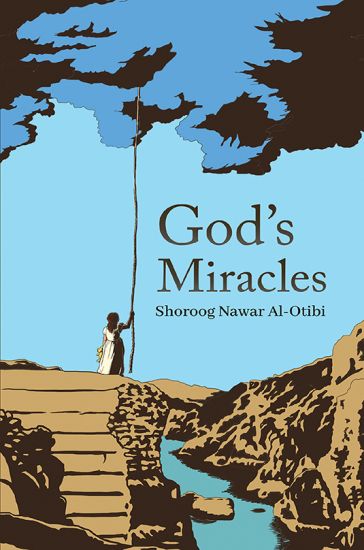
Will the darkness continue? Is this the end of the road? Will the sun rise again? Can I live again? Or is it too late?Many questions wrestle in Camila's head in her new home, waiting. What happened to her, and where is she?All this is here in God's Miracles.
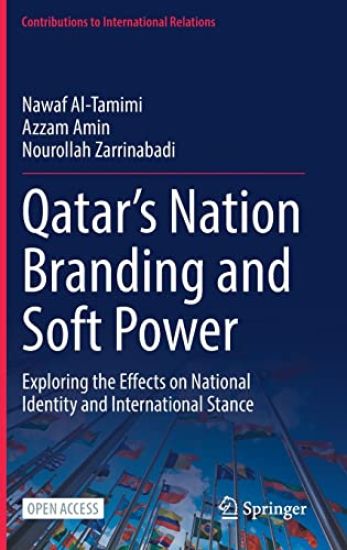
This open access book examines how creating a national brand assisted Qatar in absorbing the shock and awe following the outburst of the crisis with Saudi Arabia, Bahrain, Egypt, and the United Arab Emirates in May 2017. The authors discuss the country's diplomatic performance, which was characterized by five main factors that helped Qatar to deal with the crisis successfully. These factors include the failure of the element of surprise, years of building Qatar’s national brand, Qatar's arsenal of soft power, international alliances, and the opponents’ quandary. This book further scrutinizes Qatar’s role in the region and all questions related to this role through the lenses of its nation brand. The book provides explanations for the success of Qatar in absorbing the “shock and awe” in the early stage of the last Gulf crisis, presenting various arguments on how establishing a nation brand helped Qatar to deal with the crisis successfully. The book follows an original approach that views the Qatari case from a scientific perspective, investigating the art of nation branding. It will appeal to students, researchers, and scholars of international relations, psychology, political science, and journalism, as well as policy-makers interested in a better understanding of soft power, nation branding, Middle East studies, and diplomacy.