Czerniak sk ry jest najbardziej śmiertelnym nowotworem sk ry. Może rozwinąc się de novo lub z istniejącej wcześniej zmiany, takiej jak znamię dysplastyczne. W ostatnich latach jego częstośc występowania stopniowo wzrasta. Wczesne wykrycie i wczesne chirurgiczne usunięcie wiążą się ze zwiększoną przeżywalnością. Ponieważ znamiona dysplastyczne są potencjalnymi prekursorami czerniaka i wiążą się ze zwiększonym ryzykiem jego wystąpienia, bardzo ważne jest diagnozowanie, badanie przesiewowe i obserwacja pacjent w z znamionami dysplastycznymi. Niniejsza książka skupia się przede wszystkim na cechach klinicznych i histopatologicznych znamion dysplastycznych i czerniaka sk ry, a także na postępowaniu klinicznym, leczeniu i metodach obserwacji. Jest ona przedstawiona w formie streszczenia, aby zapewnic szybki dostęp do informacji.
Das Hautmelanom ist die t dlichste Form von Hautkrebs. Es kann de novo oder aus einer bereits bestehenden L sion wie einem dysplastischen N vus entstehen. In den letzten Jahren hat seine Inzidenz allm hlich zugenommen. Eine fr hzeitige Erkennung und chirurgische Entfernung sind mit einer erh hten berlebensrate verbunden. Da dysplastische N vi potenzielle Vorl ufer von Melanomen sind und mit einem erh hten Melanomrisiko verbunden sind, ist es sehr wichtig, Patienten mit dysplastischen N vi zu diagnostizieren, zu untersuchen und nachzuverfolgen. Dieses Buch konzentriert sich in erster Linie auf die klinischen und histopathologischen Merkmale von dysplastischen N vi und Hautmelanomen sowie auf die klinische Behandlung, Therapie und Nachsorge. Es ist in Form einer Zusammenfassung gestaltet, um einen schnellen Zugriff auf Informationen zu erm glichen.
Le m lanome cutan est le cancer de la peau le plus mortel. Il peut se d velopper de novo ou partir d'une l sion pr existante telle qu'un naevus dysplasique. Ces derni res ann es, son incidence a augment progressivement. Un d pistage pr coce et une ablation chirurgicale rapide sont associ s une augmentation du taux de survie. Les naevus dysplasiques tant des pr curseurs potentiels du m lanome et associ s un risque accru de m lanome, il est tr s important de diagnostiquer, de d pister et de suivre les patients atteints de naevus dysplasiques. Cet ouvrage se concentre principalement sur les caract ristiques cliniques et histopathologiques des naevus dysplasiques et du m lanome cutan , ainsi que sur la prise en charge clinique, le traitement et les modalit s de suivi. Il est pr sent sous forme de synopsis afin de permettre un acc s rapide l'information.
Il melanoma cutaneo il tumore della pelle pi letale. Pu svilupparsi ex novo o da una lesione preesistente come un nevo displastico. Negli ultimi anni, la sua incidenza aumentata gradualmente. La diagnosi precoce e la rimozione chirurgica tempestiva sono associate a un aumento della sopravvivenza. Poich i nevi displastici sono potenziali precursori del melanoma e sono associati a un aumento del rischio di melanoma, molto importante diagnosticare, sottoporre a screening e seguire i pazienti con nevi displastici. Questo libro si concentrer principalmente sulle caratteristiche cliniche e istopatologiche dei nevi displastici e del melanoma cutaneo, nonch sulla gestione clinica, sul trattamento e sulle modalit di follow-up. presentato in formato sinossi per consentire un rapido accesso alle informazioni.
O melanoma cut neo o tipo de cancro de pele mais letal. Pode desenvolver-se de novo ou a partir de uma les o pr -existente, como um nevo displ sico. Nos ltimos anos, a sua incid ncia tem aumentado gradualmente. A dete o precoce e a remo o cir rgica precoce est o associadas a um aumento da sobreviv ncia. Como os nevos displ sicos s o potenciais precursores do melanoma e est o associados a um risco aumentado de melanoma, muito importante diagnosticar, rastrear e acompanhar os pacientes com nevo displ sico. Este livro ir focar principalmente nas caracter sticas cl nicas e histopatol gicas dos nevos displ sicos e do melanoma cut neo, bem como no manejo cl nico, tratamento e modalidades de acompanhamento. apresentado em formato de sinopse para fornecer acesso r pido s informa es.
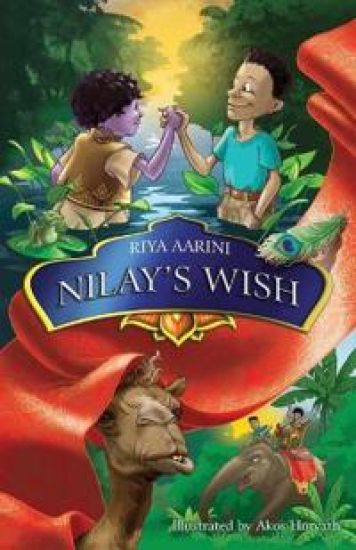
Eleven-year-old Nilay unexpectedly releases a novice genie named Jai on the beaches of Lake Ontario, Canada. Nilay makes his wish for the perfect red silk saree to present to his mom on her birthday; but as a newbie genie, Jai has his own spin on wish granting.The new friends travel back in time to ancient India so that Jai may fulfill the boy's wish in an authentic manner. Nilay and Jai experience countless adventures in India from 300 CE through 1565 CE as they follow the trail of India's Saurashtrian silk weavers.Lighthearted, comical and chock full of excitement and magic, Nilay's Wish will grip the hearts and minds of young readers. The story is thoroughly entertaining, while giving children a glimpse into historic India, especially Indian silk weaving. A handful of incredible and engaging illustrations offer a peek into the life and times of ancient India.
Eleven-year-old Nilay unexpectedly releases a novice genie named Jai on the beaches of Lake Ontario, Canada. Nilay makes his wish for the perfect red silk saree to present to his mom on her birthday; but as a newbie genie, Jai has his own spin on wish granting.The new friends travel back in time to ancient India so that Jai may fulfill the boy's wish in an authentic manner. Nilay and Jai experience countless adventures in India from 300 CE through 1565 CE as they follow the trail of India's Saurashtrian silk weavers.Lighthearted, comical and chock full of excitement and magic, Nilay's Wish will grip the hearts and minds of young readers. The story is thoroughly entertaining, while giving children a glimpse into historic India, especially Indian silk weaving. A handful of incredible and engaging illustrations offer a peek into the life and times of ancient India.
A unique, timely, and wide-ranging book that formulates and applies an ethic of Jesus to the realm of global politics. Since the fourth century, Christians have wrestled with how they should interact with political authority. The most common view holds that while their ultimate loyalty rightfully belongs to God, Christians also have allegiance to their countries and a moral responsibility to transform their political systems. In The Global Politics of Jesus, Nilay Saiya provides a normative critique of this conventional view and advances an alternative approach. While it may seem natural for the church to fervently engage in political life and cultivate a close relationship with the state, Saiya argues that such beliefs result in a "paradox of privilege." As he shows, when the church yields to the seduction of political power when enjoying the benefits of an alliance with the state, it struggles to adhere to its tenets, and when it resists the allure of state power, it does its best work. This unique and wide-ranging book examines the paradox of privilege in some of the most important areas of global politics and considers its implications for the church itself.
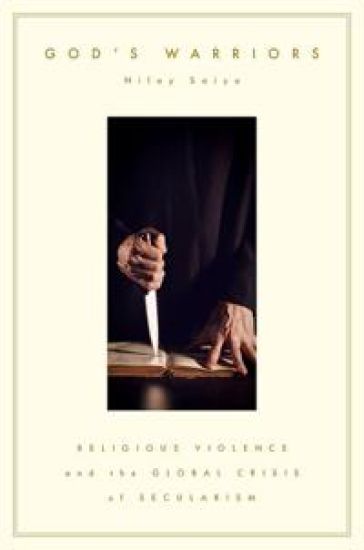
Religious violence remains an urgent problem for countries around the world. Despite this, scholars and analysts continue to struggle to understand the intersection of religion and violence and devise effective counterextremism policies. God's Warriors offers a novel explanation for religious violence in the modern world, challenging a common assumption that such violence stems primarily from embattled, oppressed, and marginalized religious minority groups who seek to assert their rights vis-à-vis majorities. Instead, argues Nilay Saiya, religious violence most commonly arises from dominant and privileged religious majorities. When historically and culturally dominant faith traditions receive special treatment from the state in the form of social and legal privileges and rhetorical support from politicians, extremists from these majoritarian communities are emboldened to target minorities. The more states favor dominant religious communities and discriminate against minority ones, the more majoritarian violence they produce. This "paradox of privilege" results from a global crisis of political secularism afflicting much of the world today. Drawing on examples from the world's major religious traditions--Christianity, Islam, Hinduism, Buddhism, and Judaism--Saiya's theory reshapes our understanding of the sources of religious violence in our era and carries important policy implications for decisionmakers.
Religious violence remains an urgent problem for countries around the world. Despite this, scholars and analysts continue to struggle to understand the intersection of religion and violence and devise effective counterextremism policies. God's Warriors offers a novel explanation for religious violence in the modern world, challenging a common assumption that such violence stems primarily from embattled, oppressed, and marginalized religious minority groups who seek to assert their rights vis-à-vis majorities. Instead, argues Nilay Saiya, religious violence most commonly arises from dominant and privileged religious majorities. When historically and culturally dominant faith traditions receive special treatment from the state in the form of social and legal privileges and rhetorical support from politicians, extremists from these majoritarian communities are emboldened to target minorities. The more states favor dominant religious communities and discriminate against minority ones, the more majoritarian violence they produce. This "paradox of privilege" results from a global crisis of political secularism afflicting much of the world today. Drawing on examples from the world's major religious traditions--Christianity, Islam, Hinduism, Buddhism, and Judaism--Saiya's theory reshapes our understanding of the sources of religious violence in our era and carries important policy implications for decisionmakers.
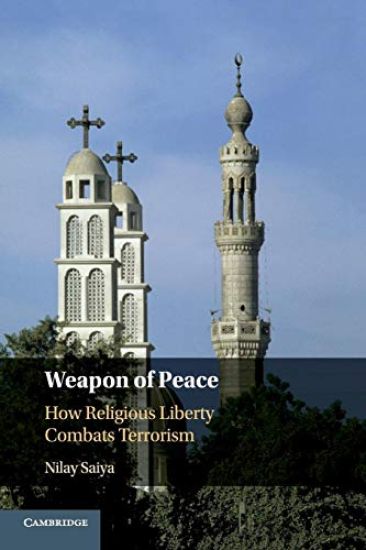
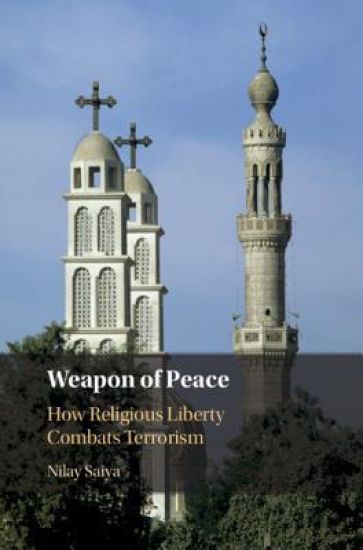
Religious terrorism poses a significant challenge for many countries around the world. Extremists who justify violence in God's name can be found in every religious tradition, and attacks perpetrated by faith-based militants have increased dramatically over the past three decades. Given the reality of religious terrorism today, it would seem counterintuitive that the best weapon against violent religious extremism would be for countries and societies to allow for the free practice of religion; yet this is precisely what this book argues. Weapon of Peace investigates the link between terrorism and the repression of religion, both from a historical perspective and against contemporary developments in the Middle East and elsewhere. Drawing upon a range of different case studies and quantitative data, Saiya makes the case that the suppression and not the expression of religion leads to violence and extremism, and that safeguarding religious freedom is both a moral and strategic imperative.
Religious terrorism poses a significant challenge for many countries around the world. Extremists who justify violence in God's name can be found in every religious tradition, and attacks perpetrated by faith-based militants have increased dramatically over the past three decades. Given the reality of religious terrorism today, it would seem counterintuitive that the best weapon against violent religious extremism would be for countries and societies to allow for the free practice of religion; yet this is precisely what this book argues. Weapon of Peace investigates the link between terrorism and the repression of religion, both from a historical perspective and against contemporary developments in the Middle East and elsewhere. Drawing upon a range of different case studies and quantitative data, Saiya makes the case that the suppression and not the expression of religion leads to violence and extremism, and that safeguarding religious freedom is both a moral and strategic imperative.
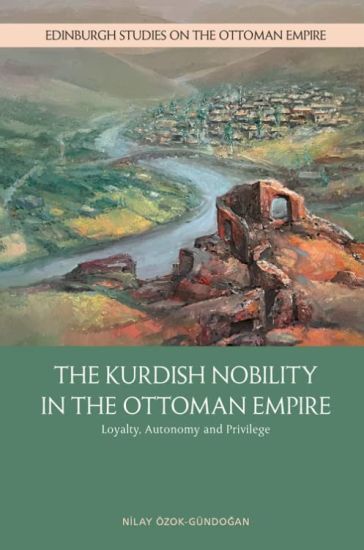
Studies the making and unmaking of the Ottoman Empire's Kurdish nobility Challenges a long-standing spatial-geographical bias in Ottoman-Middle East history by bringing Kurdish and Armenian histories back into the Ottoman imperial framework Presents the first study to use the framework of hereditary nobility to examine Kurdish elite formation and its decline in the Ottoman Empire Demonstrates the complex social, economic and political background to massacres and pogroms that targeted the Armenian population of Palu before the Armenian Genocide Provides a much-needed bottom-up historical perspective to Kurdish and Armenian historiographies Uses an array of sources that includes Ottoman, British and American archival documents and interviews conducted with the Palu beys' descendants This book narrates the rise and fall of Kurdish nobility in the Ottoman Empire from the sixteenth through to the nineteenth century. Focusing on one noble Kurdish family based in the emirate of Palu, a fortressed town in the eastern provinces of the Ottoman Empire, it provides the first systematic analysis of the hereditary nobility in Kurdistan. The book centres on the crucial moment in the 1840s during which the Ottoman state set out to abolish the hereditary privileges of the Kurdish beys, confiscating their large landholdings and setting the stage for a conflict over the fertile lands of Palu that would last nearly six decades. This tug-of-war between Armenian financiers, Armenian and Muslim sharecroppers, the Kurdish beys and the Ottoman state ended in 1895 with a series of massacres against the Armenian population of Palu. Through exhaustive archival research in an untapped body of sources, this book sheds light on the impact this conflict-filled process had on the intercommunal relations in the locality. In doing so, the author brings the voices of Armenian and Kurdish commoners to the fore and highlights the important roles that they, too, played in the local struggles and wider changes in governance. As the first study to present the dissolution of the Kurdish nobility using a social history lens, the book gets to the heart of the historical transformations that changed Palu from a diverse and economically affluent town into an ethnoreligiously homogenised, culturally conservative and economically deprived place. Peppered with vignettes and stories culled from a wide range of archival sources, the author presents a cohesive narrative of the region's socio-economic and political history between 1720 and 1895, situating developments taking place in the small province of Palu within the larger developments in the Ottoman Empire and the world at large.
This book narrates the rise and fall of Kurdish nobility in the Ottoman Empire from the sixteenth through to the nineteenth century. Focusing on one noble Kurdish family based in the emirate of Palu, a fortressed town in the eastern provinces of the Ottoman Empire, it provides the first systematic analysis of the hereditary nobility in Kurdistan. The book centres on the crucial moment in the 1840s during which the Ottoman state set out to abolish the hereditary privileges of the Kurdish beys, confiscating their large landholdings and setting the stage for a conflict over the fertile lands of Palu that would last nearly six decades. This tug-of-war between Armenian financiers, Armenian and Muslim sharecroppers, the Kurdish beys and the Ottoman state ended in 1895 with a series of massacres against the Armenian population of Palu. Through exhaustive archival research in an untapped body of sources, this book sheds light on the impact this conflict-filled process had on the intercommunal relations in the locality. In doing so, the author brings the voices of Armenian and Kurdish commoners to the fore and highlights the important roles that they, too, played in the local struggles and wider changes in governance.As the first study to present the dissolution of the Kurdish nobility using a social history lens, the book gets to the heart of the historical transformations that changed Palu from a diverse and economically affluent town into an ethnoreligiously homogenised, culturally conservative and economically deprived place. Peppered with vignettes and stories culled from a wide range of archival sources, the author presents a cohesive narrative of the region's socio-economic and political history between 1720 and 1895, situating developments taking place in the small province of Palu within the larger developments in the Ottoman Empire and the world at large.
What happens when the second generation the children of immigrants moves to their parents' homeland? A Place in the Homeland: Turkish-German Return Migration answers this question for the Turkish-German second-generation, sons and daughters of the Turkish guestworkers and political refugees who migrated to Germany in the 1960s, 1970s and 1980s. Based on 71 in-depth narrative interviews, their life-stories of growing up in German industrial cities and then 'returning' to Turkey are traced through their experiences of childhood and socialisation, relocation to Turkey, earning a living, managing family and other relationships, adapting to an environment that many found challenging and developing new, hybrid identities in the ancestral homeland. The key finding is that 'place matters', and experiences are compared and contrasted between second-generation returnees in the megalopolis of Istanbul, the tourist city of Antalya and a range of provincial urban and rural environments in other regions of Turkey.
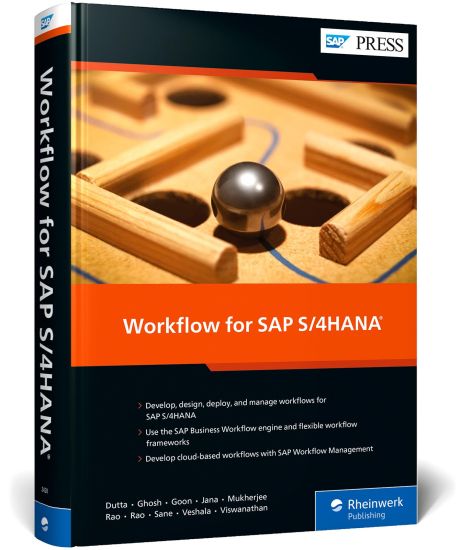
Whether you're running on-premise SAP S/4HANA or SAP S/4HANA Cloud, get the tools you need to automate your business processes with workflows! Build methods and tasks, define workflows and triggering events, and create notifications with SAP Business Workflow. Walk step by step through standard and custom workflow development using SAP S/4HANA's flexible workflows. Design and deploy cloud-ready workflows with SAP Business Application Studio and SAP Build Process Automation. This is the only workflow guide you need!Highlights include:1) SAP Business Workflow2) SAP Build Process Automation3) Flexible workflows4) Tasks, methods, and steps5) Business rules6) Notifications7) SAP Business Application Studio8) SAP Master Data Governance9) BRFplus10) Migration11) Administration12) Integration
She doesn't know who she is. She never knew there existed a world outside the four walls of her cabin. She was too naive to understand she was held hostage and sexually abused by her Baba all these years. All she knows is if anybody can take her into embrace and free her from the scares of this vast, strange world, it's only her story's prince - Aryaman Zafar - member of Independent Kashwarg Force - a separatist organisation active in the valley demanding freedom of the politically and religiously troubled land of Kashwarg.As the valley comes together for once in demanding justice for the Daughter of Kashwarg, the true faces of dissonant voices of the valley start appearing. Conspiracies are played out. Blood is shed. A war of ideologies, of generations, of love and hatred, of man and fate - a war like never before - is staged. The only cue to end this war lies in the past. The only strategy to survive this chaos is to fight the chaos within. Every individual in the valley shall have to discover deepest of their emotions. Each one of them shall be ready to die for the life they have always dreamt of. A Life To Die For. Read this psychopolitical thriller that explores this paradox of life and death that leaves only one thing to be feared - our own selves.
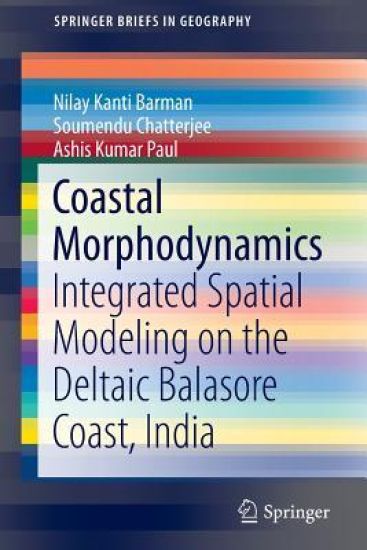
This book discusses the perceptions and sketches, geological background, materials and coastal processes of the East Coast of India. It also suggests strategies for effectively managing natural coastal processes in these areas. India has a coastline of about 7,516 km with a variety of coastal extensions, which developed at different time scales, producing permanent variations in the morphologies of the coastal areas through hydrodynamic, fluvial, aeolian and terrestrial processes. The book focuses on the Balasore coast, an area drained by three main rivers (the Subarnarekha, the Dugdeugi and the Burahbolong), which impacts the coastal morphodynamic processes of the area and accounts for their multifaceted nature.Large drops or increases in the sediment supply within a short time span or over prolonged periods cause shoreline shifting. Eight satellite images from 1975, 1980, 1990, 1995, 2000, 2005, 2010 and 2013 were used to measure the shoreline dynamics, and a reference linewas established using first order polynomial model with base data with 0.5 pixel root mean square error (RMSE) accuracy. The end point rate (EPR) model was adopted for estimating the future position of the shoreline. In order to assess the beach morphodynamics, the coastal modeling system (SMC) was used, which incorporates with a series of appliances and numerical models structured consistent with the space and time scale of the different dynamics affecting the littoral and beach morphology based on diverse thematic and reference documents. This study employed short-term analysis using the MOPLA module of the SMC system, which consists of three attached modules: the wave transformation module (Oluca), the depth-averaged currents module (Copla) and the sediment transport and morphological evolution module (Eros).The shoreline dynamics findings show that the magnitude of erosion is higher in the northern part of the coastline in the left bank area of the Subarnarekha river estuary and in the estuarine part of the Dugdugi and Burahbalang rivers. The southern part of the shoreline near Rasalpur and Joydevkasba is relatively stable, and the study suggests that the current shoreline shift trend will continue in the future. The SMC model indicates that the wave height, significant wave height, current velocity and the potential transport of sediment at the Kirtaniya study point are high, while at Choumukh they are low and at the Rasalpur study point they are intermediate.