Kirjojen hintavertailu. Mukana 11 244 527 kirjaa ja 12 kauppaa.

Kirjahaku

Etsi kirjoja tekijän nimen, kirjan nimen tai ISBN:n perusteella.

1000 tulosta hakusanalla Pamela R Jeffries

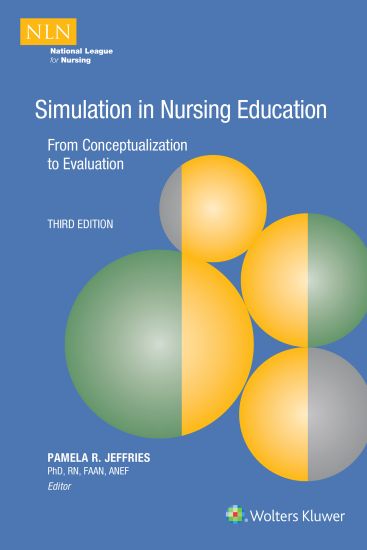
Simulation in Nursing Education

Simulation in Nursing Education

Pamela R Jeffries

Wolters Kluwer Health
2020
pokkari
Simulation represents an increasingly effective strategy for addressing the growing lack of clinical placements for today’s nursing students, offering evidence-based, experiential learning opportunities that foster critical thinking and clinical reasoning. Simulation in Nursing Education: From Conceptualization to Evaluation, Third Editionprovides both a foundation for the novice and advanced strategies for the seasoned simulation educator, empowering nursing educators to make informed decisions and ensure success in their simulation programs. Structured around the NLN Jeffries Theory (2015), this updated edition highlights current best practices in simulation design and development, teaching and learning practices, implementation processes and associated learning outcomes. Seven new chapters reflect recent advances and emerging concepts across the full spectrum of simulation strategies, including pre-briefing of simulations, creating simulation cases for Objective Structured Clinical Examinations (OSCES) for graduate nursing programs and the use of virtual simulations and gaming to engage students. “In Clinical Simulations in Nursing Education, 3rd Edition, Dr. Jeffries continues to highlight best practices in simulation pedagogy...This edition explores how educators and researchers are joining forces to develop more rigorous research studies, testing simulation outcomes across the continuum of education and practice at all levels.” -Susan Gross Forneris, PhD, RN, CNE, CHSE-A, FAAN Director, NLN Center for Innovation in Education Excellence
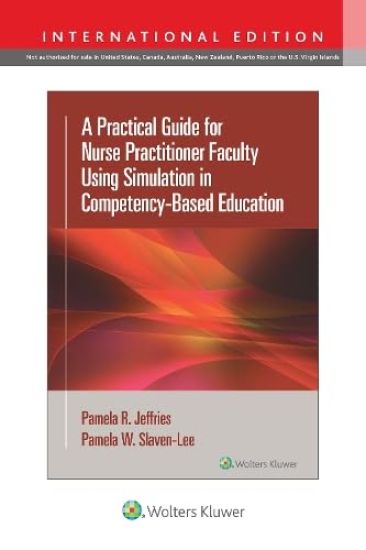
A Practical Guide for Nurse Practitioner Faculty Using Simulation in Competency-Based Education
Awarded 2nd place in the 2024 AJN Book of the Year Awards in the Advanced Practice Nursing Category. Authored by expert simulation researchers, educators, nurse practitioner faculty, and clinicians, A Practical Guide for Nurse Practitioner Faculty Using Simulation in Competency-Based Education looks at topics related to simulation design, development, and implementation for nurse practitioner and other graduate-level nursing programs. The new educational requirements based on the AACN Essentials and move to competency-based outcomes require nursing graduates to provide documented skill competencies to care for all types of patients in all types of diverse healthcare settings. Whether a graduate is working in acute care, primary care, or within the community, clinical simulations serve as a vital approach to creating student-centered, experiential learning that engages and prepares the graduate for real-world practice. Once the exception, clinical simulations are becoming more commonplace in nurse practitioner programs. This book supports nurse practitioner faculty as they learn new pedagogy and teaching strategies using clinical simulations. It focuses on developing and preparing nurse educators and superusers of simulations as they create, implement, and evaluate this pedagogy in nurse practitioner education. Table of Contents CHAPTER 1 State of the Science of Clinical Simulations in NP Education CHAPTER 2 Theoretical Frameworks for Simulation Design, Development, and Implementation CHAPTER 3 Competency-Based Nursing Education CHAPTER 4 Student-Centered Learning in NP Education CHAPTER 5 Integration of Simulation in the NP Curriculum CHAPTER 6 Healthcare Simulation Standards of Best Practice™ and Nurse Practitioner Education CHAPTER 7 Attainment of Competency Through Simulation: The ACTS Model CHAPTER 8 Simulation Operations CHAPTER 9 Methods and Models for Debriefing in Graduate Clinical Education CHAPTER 10 Working with Standardized and Simulated Patients CHAPTER 11 Assessment and Evaluations in Simulation CHAPTER 12 Simulation to Prepare Nurse Practitioner Students for Role Transition CHAPTER 13 The Future of Graduate Nurse Practitioner Education: A Case for Simulation
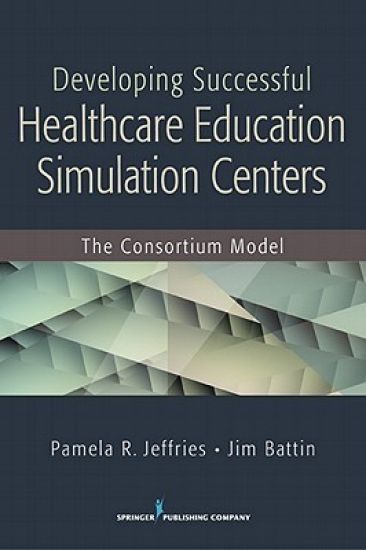
Developing Successful Health Care Education Simulation Centers

Developing Successful Health Care Education Simulation Centers

Pamela R. Jeffries; Jim Battin

Springer Publishing Co Inc
2011
nidottu
Pam Jefferies and Jim Battin provide a very thoughtful, step by step approach to create a collaborative health care simulation consortium. It is inspiring to witness many stakeholders come together in Southeast Indiana to effectively educate and train people entering the healthcare profession (and current nurses, doctors, and allied health professionals)! [This book] isn't just about health care and simulationvñ it offers a terrific road-map for any community, region, or industry focused on developing human potential as the means to economic prosperity and quality of life!" --John Burnett Chief Executive Officer, Community Education Coalition of Columbus, Indiana This book provides an important road map for health care professionals to develop collaborations effectively in simulation, regardless of discipline or domain. Readers can also use it to evaluate existing collaborationsvñ[The] book will improve both developing programs and existing programs, so that educators and administrators can focus their attention on teaching and learning through simulation." --Bonnie Driggers, MS, MPA, RN SimHealth Consultants, CEO and Senior Consultant Oregon Health & Science University, Faculty Emeritus --Michael Seropian, MD, FRCPC Associate Professor, Oregon Health & Science University Past Chair and Founder, Oregon Simulation Alliance President, Society for Simulation in Healthcare Over two thirds of magnet hospitals in the United States use simulation in staff education programs, and many educators have introduced simulation into their nursing and healthcare curricula. This highly practical volume meets a growing need for guidelines on planning, organizing, and implementing a health care education simulation center, using the collaborative and cost effective consortium model. The book takes the reader step-by-step through the process of building a coalition of key stakeholders, gathering and analyzing data, assigning leadership roles within the consortium, developing a strategic plan, and implementing and sustaining it. Case studies in each chapter provide real-life insight from a successful existing consortium by examining how it operates and highlighting successes, mistakes, and lessons learned. Key Features: Demonstrates the financial benefits of expense-sharing Co-written by a successful professional educator and a prominent business leader with consortia-building expertise Provides step-by-step plans for building and maintaining momentum and sustainability Includes useful tools for achieving and evaluating excellence Written for nursing and healthcare administrators, managers, educational leaders, and regional community leaders
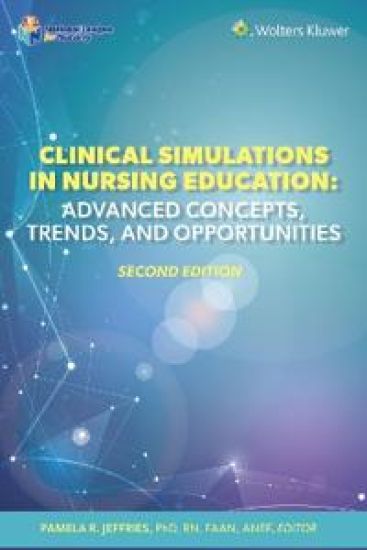
Clinical Simulations in Nursing Education

Clinical Simulations in Nursing Education

PAMELA R. JEFFRIES

Wolters Kluwer Health
2022
pokkari
In today’s quickly changing healthcare environment, simulation has become an indispensable strategy for preparing nursing students to deliver optimal patient care. Clinical Simulations in Nursing Education: Advanced Concepts, Trends, and Opportunities, Second Edition, takes the use of simulations to the next level, exploring innovative teaching/learning methods, new clinical models, and up-to-date best practices for providing high-quality education. From the evolution of clinical simulations to the use of more virtual simulations, incorporation of important constructs such as the social determinants of health, and the use of simulations in nursing education and competency-based testing, this engaging resource continues to provide intermediate and advanced simulation users and advocates with critical considerations for advancing simulation in nursing education. The comprehensive updated second edition focuses on the latest trends and concepts in simulation pedagogy to help nurse educators confidently prepare for their role in developing, planning, implementing, evaluating, and conducting research for effective simulation programs.“Throughout the years, Pam Jeffries, who brought us the first edition of this outstanding volume, has been a constant in simulation leadership and research. Now years later, this second edition takes us to an even deeper level, including chapters about diversity and cultural humility, debriefing for clinical judgment and competence, curricular integration, and advancing clinical judgment through simulation. … If you want to maximize student learning through simulation and cutting-edge technology, this book is for you.” -Kathie Lasater, EdD, RN, FAAN, ANEF Professor Emerita Oregon Health and Science University Portland, Oregon
A Practical Guide for Nurse Practitioner Faculty Using Simulation in Competency-Based Education
Awarded 2nd place in the 2024 AJN Book of the Year Awards in the Advanced Practice Nursing Category. Authored by expert simulation researchers, educators, nurse practitioner faculty, and clinicians, A Practical Guide for Nurse Practitioner Faculty Using Simulation in Competency-Based Education looks at topics related to simulation design, development, and implementation for nurse practitioner and other graduate-level nursing programs. The new educational requirements based on the AACN Essentials and move to competency-based outcomes require nursing graduates to provide documented skill competencies to care for all types of patients in all types of diverse healthcare settings. Whether a graduate is working in acute care, primary care, or within the community, clinical simulations serve as a vital approach to creating student-centered, experiential learning that engages and prepares the graduate for real-world practice. Once the exception, clinical simulations are becoming more commonplace in nurse practitioner programs. This book supports nurse practitioner faculty as they learn new pedagogy and teaching strategies using clinical simulations. It focuses on developing and preparing nurse educators and superusers of simulations as they create, implement, and evaluate this pedagogy in nurse practitioner education. Table of Contents CHAPTER 1 State of the Science of Clinical Simulations in NP Education CHAPTER 2 Theoretical Frameworks for Simulation Design, Development, and Implementation CHAPTER 3 Competency-Based Nursing Education CHAPTER 4 Student-Centered Learning in NP Education CHAPTER 5 Integration of Simulation in the NP Curriculum CHAPTER 6 Healthcare Simulation Standards of Best Practice(TM) and Nurse Practitioner Education CHAPTER 7 Attainment of Competency Through Simulation: The ACTS Model CHAPTER 8 Simulation Operations CHAPTER 9 Methods and Models for Debriefing in Graduate Clinical Education CHAPTER 10 Working with Standardized and Simulated Patients CHAPTER 11 Assessment and Evaluations in Simulation CHAPTER 12 Simulation to Prepare Nurse Practitioner Students for Role Transition CHAPTER 13 The Future of Graduate Nurse Practitioner Education: A Case for Simulation
Japanese Diplomats and Jewish Refugees

Japanese Diplomats and Jewish Refugees

Pamela R. Sakamoto

Praeger Publishers Inc
1998
sidottu
In the late 1930s and early 1940s, European Jews traveled east to seek refuge in the West. Three thousand refugees transited Japan and China, and more than 21,000 spent the war in Japanese-occupied Shanghai. Japanese diplomats in Europe were caught off guard by the flood of visa applicants, and the Foreign Ministry belatedly confronted a refugee problem. Unexpected visitors became uninvited guests. Vice Consul Sugihara Chiune might have faded into history as a minor diplomat in Lithuania had he not issued thousands of transit visas to refugees, including those who fulfilled few visa requirements. Sakamoto demonstrates how he helped thousands escape Europe; in the end, as she points out, a number of Japanese diplomats saved Jews by issuing visas, but very few issued visas to save Jews. Sakamoto focuses on the extensive archives of the Ministry of Foreign Affairs, which have not been treated at length before. By examining the cable traffic between diplomats and the ministry headquarters, she reveals the uncensored reactions of Japanese diplomats to Jewish refugees. Through the files of Jewish organizations and the American government, she presents the dimensions of the crisis as Germany's emphasis on emigration changed to extermination. Interviews with former diplomats, refugees, and those who knew Sugihara give human dimensions to a fascinating and little-known episode of the war.
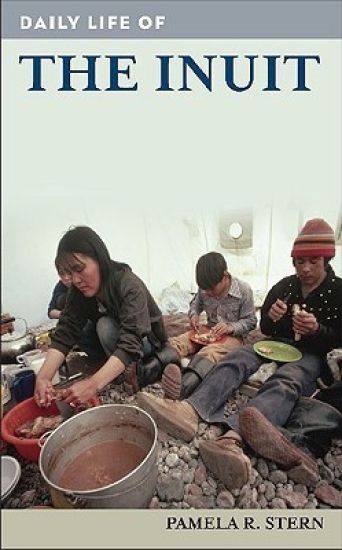
Daily Life of the Inuit

Daily Life of the Inuit

Pamela R. Stern

Greenwood Press
2010
sidottu
This wide-ranging treatment of daily life in the contemporary Inuit communities of Alaska, Canada, and Greenland reveals the very modern ways of being Inuit. Daily Life of the Inuit is the first serious study of contemporary Inuit culture and communities from the post-World War II period to the present. Beginning with an introductory essay surveying Inuit prehistory, geography, and contemporary regional diversity, this exhaustive treatment explores the daily life of the Inuit throughout the North American Arctic—in Alaska, Canada, and Greenland. Twelve thematic chapters acquaint the reader with the daily life of the contemporary Inuit, examining family, intellectual culture, economy, community, politics, technology, religion, popular culture, art, sports and recreation, health, and international engagement. Each chapter begins with a discussion of the historical and cultural underpinnings of Inuit life in the North American Arctic and describes the issues and events relevant to the contemporary Inuit experience. Leading sources are quoted to provide analysis and perspective on the facts presented.
Inspiring a Medico-Legal Revolution

Inspiring a Medico-Legal Revolution

Pamela R. Ferguson; Graeme T. Laurie

Routledge
2020
nidottu
This book marks the retirement of Professor Sheila McLean, whose contribution to the discipline of medical law has been truly ground breaking. As one of the pioneers of the discipline, Sheila McLean inspired a revolution in the ways in which lawyers, doctors, courts and patients perceive the relationship between medicine and the law. The first International Bar Association Professor of Law and Ethics in Medicine, she has worked tirelessly to champion the importance of law’s role in regulating medicine and protecting patients’ rights. The span in content of this book reflects the range of contributions that Professor McLean has herself made. Her work gave direction and shape to a new field of study at a time when few questioned the authority of medicine or thought much about the plight of the patient. This collection brings together 21 leading scholars in healthcare law and ethics to honour the depth and significance of her contribution. Including authors from the US, Australia, Canada and New Zealand, the contributions cover areas as diverse as start and end of life, reproductive rights and termination of pregnancy, autonomy of patients, the protection of vulnerable patient groups, and the challenges posed by new technologies.
Surviving, Existing, or Living

Surviving, Existing, or Living

Pamela R. Fuller

Routledge
2013
sidottu
For professionals working with people who experience severe psychosis, increasing empirical evidence for the benefits of psychotherapy for psychosis has been especially welcome. Given the limitations of medication-only approaches and the need for an expanded perspective, including for those diagnosed with schizophrenia, Surviving, Existing, or Living takes a fresh look at severe psychosis, offering a heuristic model for understanding psychosis along a continuum of severity, from the extreme experience of acutely impairing psychosis to a more enriched life experience.Pamela Fuller emphasizes that facilitating recovery from psychosis requires appropriately and effectively matching the type and timing of interventions to client readiness and capabilities. The need to consider each individual according to which of three primary issues/phases preoccupy the person with psychosis is essential for tailoring treatment. She identifies these phases as:Surviving Phase – preoccupation with survivalExisting Phase – preoccupation with restriction of life experiences in order to copeLiving Phase – preoccupation with quality of life and relationships Surviving, Existing, or Living examines the rationale for these three phases, and provides details of phase-specific treatment interventions as well as a 'how to' guide for facilitating engagement and for determining 'what to do when,' including with those experiencing acute, severe psychosis. Rich clinical case examples are provided to highlight concepts and the types of interventions. Trauma-specific and group interventions for psychosis are also described, as well as ways to foster resilience in the professional who works with individuals with psychosis.Surviving, Existing, or Living offers a detailed guide to help individuals experiencing psychosis move from suffering to recovery, beyond surviving or existing toward more fully living. The book will be essential reading for professionals in the fields of psychology, psychiatry, counseling, medicine, social work, nursing, occupational, recreational, and vocational therapies, experience-based experts, and students.
Surviving, Existing, or Living

Surviving, Existing, or Living

Pamela R. Fuller

Routledge
2013
nidottu
For professionals working with people who experience severe psychosis, increasing empirical evidence for the benefits of psychotherapy for psychosis has been especially welcome. Given the limitations of medication-only approaches and the need for an expanded perspective, including for those diagnosed with schizophrenia, Surviving, Existing, or Living takes a fresh look at severe psychosis, offering a heuristic model for understanding psychosis along a continuum of severity, from the extreme experience of acutely impairing psychosis to a more enriched life experience.Pamela Fuller emphasizes that facilitating recovery from psychosis requires appropriately and effectively matching the type and timing of interventions to client readiness and capabilities. The need to consider each individual according to which of three primary issues/phases preoccupy the person with psychosis is essential for tailoring treatment. She identifies these phases as:Surviving Phase – preoccupation with survivalExisting Phase – preoccupation with restriction of life experiences in order to copeLiving Phase – preoccupation with quality of life and relationships Surviving, Existing, or Living examines the rationale for these three phases, and provides details of phase-specific treatment interventions as well as a 'how to' guide for facilitating engagement and for determining 'what to do when,' including with those experiencing acute, severe psychosis. Rich clinical case examples are provided to highlight concepts and the types of interventions. Trauma-specific and group interventions for psychosis are also described, as well as ways to foster resilience in the professional who works with individuals with psychosis.Surviving, Existing, or Living offers a detailed guide to help individuals experiencing psychosis move from suffering to recovery, beyond surviving or existing toward more fully living. The book will be essential reading for professionals in the fields of psychology, psychiatry, counseling, medicine, social work, nursing, occupational, recreational, and vocational therapies, experience-based experts, and students.
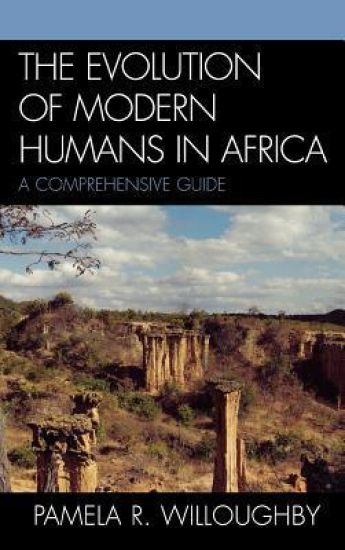
The Evolution of Modern Humans in Africa

The Evolution of Modern Humans in Africa

Pamela R. Willoughby

AltaMira Press,U.S.
2006
sidottu
Pamela Willoughby provides a wide-ranging synthesis of current knowledge about the evolution of fully modern humans in Africa during the Middle Palaeolithic / Middle Stone Age. According to most scholars, our modern ancestors first emerged in Africa and then spread throughout the habitable world. Willoughby brings evidence from mitochondrial DNA, ancient fossils, and archaeological remains (including her own research in Tanzania) to bear on questions regarding the place of human species in nature, the specific origins of Homo Sapiens, and the dispersal of these modern humans throughout Africa and around the globe. She confronts straightforwardly the problems of dating the earliest modern humans, and she discusses the various alternative models of modern human origins, which will be debated for years to come. The Evolution of Modern Humans in Africa is a compelling, thought-provoking book for both students and scholars.
The Evolution of Modern Humans in Africa

The Evolution of Modern Humans in Africa

Pamela R. Willoughby

AltaMira Press,U.S.
2006
nidottu
Pamela Willoughby provides a wide-ranging synthesis of current knowledge about the evolution of fully modern humans in Africa during the Middle Palaeolithic / Middle Stone Age. According to most scholars, our modern ancestors first emerged in Africa and then spread throughout the habitable world. Willoughby brings evidence from mitochondrial DNA, ancient fossils, and archaeological remains (including her own research in Tanzania) to bear on questions regarding the place of human species in nature, the specific origins of Homo Sapiens, and the dispersal of these modern humans throughout Africa and around the globe. She confronts straightforwardly the problems of dating the earliest modern humans, and she discusses the various alternative models of modern human origins, which will be debated for years to come. The Evolution of Modern Humans in Africa is a compelling, thought-provoking book for both students and scholars.
The Underground Railroad in Floyd County, Indiana

The Underground Railroad in Floyd County, Indiana

Pamela R. Peters

McFarland Co Inc
2001
pokkari
Floyd County, Indiana, and its county seat, New Albany, are located directly across the Ohio River from Louisville, Kentucky. Louisville was a major slave-trade center, and Indiana was a free state. Many slaves fled to Floyd County via the Underground Railroad, but their fight for freedom did not end once they reached Indiana. Sufficient information on slaves coming to and through this important area may be found in court records, newspaper stories, oral history accounts, and other materials that a full and fascinating history is possible, one detailing the struggles that runaway slaves faced in Floyd County, such as local, state, and federal laws working together to keep them from advancing socially, politically, and economically. This work also discusses the attitudes, people, and places that help in explaining the successes and heartaches of escaping slaves in Floyd County. Included are a number of freedom and manumission papers, which provided court certification of the freedom of former slaves.