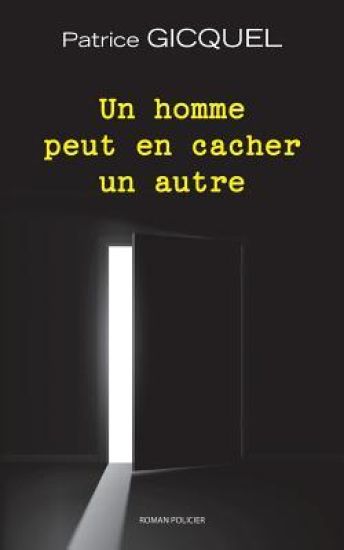
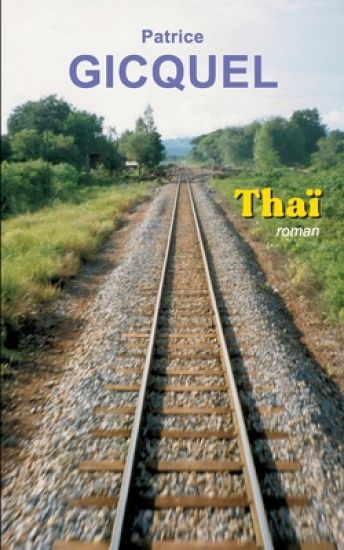
Alors que le triathl te Herv Ducasse dispute la course de sa vie, son fils cadet dispara t. Fugue ? Enl vement ? Au domicile, la femme d'Herv re oit une lettre de menace anonyme. Marc Bouleau, journaliste sportif et ami de longue date d'Herv , d cide de mener discr tement l'enqu te. Objectif ? Retrouver la trace du corbeau et Alexis...
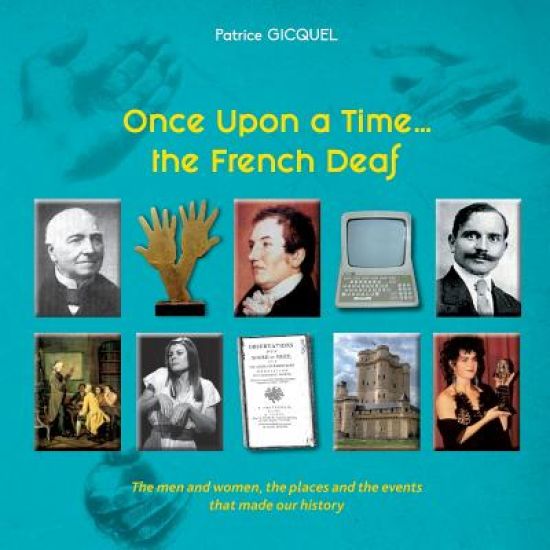
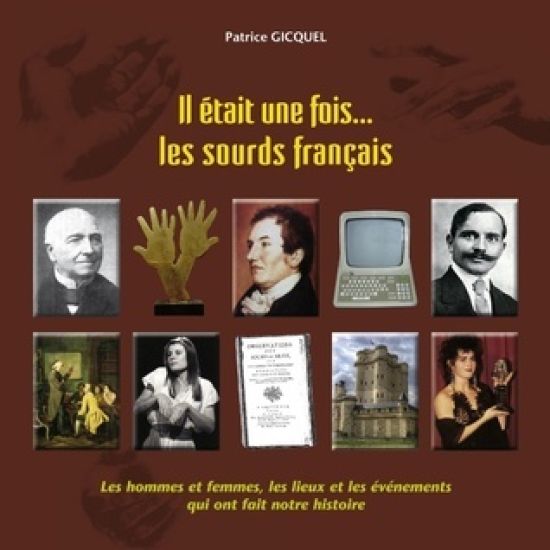
Learn all about the important moments in deaf history through the explanatory texts, short biographies and valuable illustrations of this book, the French bible on the deaf. It's a fascinating read. This book has a lot to teach those interested in the world and culture of the deaf, as well as to new g n rations of deaf people who may wish to follow in the footsteps of their elders.
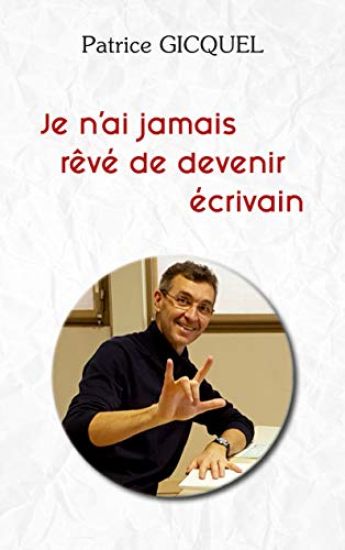
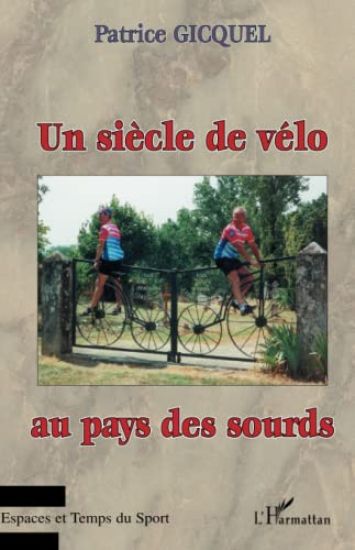
F ru de lecture et sportif dans l' me, Patrice GICQUEL est l'un des rares sourds de sa g n ration s' tre exclusivement d di l' criture. Ses pr c dents livres ont abord des th mes vari s: histoire, biographie, roman d'aventure, t moignage, roman policier... Dans ce nouvel ouvrage m lant souvenirs et anecdotes, Patrice GICQUEL nous d voile enfin son parcours exemplaire de r ussite. Membre de la Soci t des gens de lettres, il est entre autres le premier crivain sourd n de parents sourds. "Je n'ai jamais r v de devenir crivain" est un r cit la fois sinc re et touchant, absolument unique et diff rent.
Partir l'aventure, d couvrir un pays l'autre bout du monde, prendre le temps de fl ner, d'observer les gents et d'observer les gens et de humer l'atmosph re, tout le monde en a r v un jour ou l'autre. Dans un refuge proche de la mer, le jeune sourd, Erwan, absorb par la solitude et la tristesse, se met crayonner, jour et nuit, quelques-uns de ses souvenirs: des histoires de passions, d'amiti , de plaisirs et d'amour. Avec simplicit et justesse, travers d couvertes, conversations, rencontres et anecdotes, le narrateur nous fait voyager dans un univers fascinant...
L' crivain Aaron Cohen, juif et polonais devenu fran ais, s'installe d finitivement sur une le bretonne pour boucler son dernier livre et finir ses vieux jours. Mais la c l brit fait parfois remonter la surface certaines traces du pass ...
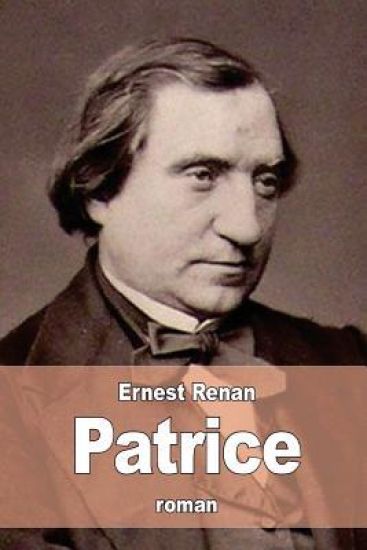
Patrice a t crit Rome en 1849, au cours d'un voyage qu'Ernest Renan fit en Italie l' ge de vingt-six ans, et qui exer a sur sa mani re de sentir et de voir une d cisive influence. C'est une sorte d'autobiographie morale; le portrait intellectuel d'Ernest Renan lui-m me, sous le nom de Patrice, les impressions de Rome, presque identiques aux lettres Berthelot de la m me poque, occupent une grande place dans ce fragment de roman. Une jeune fille pieuse, C cile, crit de Bretagne un jeune homme qui l'aime, mais qui est s par d'elle par un abandon total de la foi et un tat d' me d'une grande complexit . Plus tard, Rome, la Rome de 1849, aujourd'hui abolie, Patrice s'adresse un ami; la trame l g re du roman par lettres dispara t presque compl tement, et la r flexion philosophique s' l ve des hauteurs que Renan lui-m me n'a pas d pass es. Des confidences personnelles, avec un rappel de la figure id ale de jeune fille du d but, terminent cette esquisse si curieuse et si achev e, malgr son caract re fragmentaire.
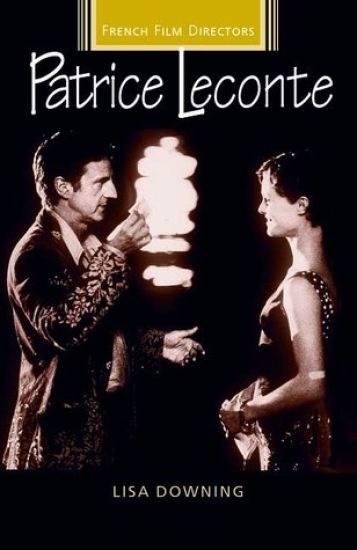
Lisa Downing's comprehensive study of the films of Patrice Leconte traces lines of continuity and revision through a body of apparently disparate films whose "messages" often appear both contradictory and controversial. Pursuing a close reading of the recurrent themes, styles, intertexts and techniques which structure Leconte's filmmaking, Downing re-evaluates Leconte's status as an enigmatic artist offering complex and paradoxical commentary on contemporary questions of sexuality, ethics and identity. This book is the first full-length critical work in English on Leconte's cinema. It provides essential reading for both enthusiasts of French cinema and for those fascinated by the relationship between popular culture and theory.
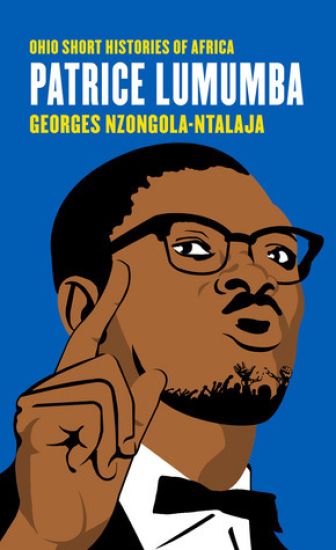
Patrice Lumumba was a leader of the independence struggle in what is today the Democratic Republic of the Congo, as well as the country's first democratically elected prime minister. After a meteoric rise in the colonial civil service and the African political elite, he became a major figure in the decolonization movement of the 1950s. Lumumba's short tenure as prime minister (1960–1961) was marked by an uncompromising defense of Congolese national interests against pressure from international mining companies and the Western governments that orchestrated his eventual demise. Cold war geopolitical maneuvering and well-coordinated efforts by Lumumba's domestic adversaries culminated in his assassination at the age of thirty-five, with the support or at least the tacit complicity of the U.S. and Belgian governments, the CIA, and the UN Secretariat. Even decades after Lumumba's death, his personal integrity and unyielding dedication to the ideals of self-determination, self-reliance, and pan-African solidarity assure him a prominent place among the heroes of the twentieth-century African independence movement and the worldwide African diaspora. Georges Nzongola-Ntalaja's short and concise book provides a contemporary analysis of Lumumba's life and work, examining both his strengths and his weaknesses as a political leader. It also surveys the national, continental, and international contexts of Lumumba's political ascent and his swift elimination by the interests threatened by his ideas and practical reforms.
Every ten years, Patrice, a 500-year-old woman, travels to a new city to pose nude on a red velvet couch for a painter. It's 1939 and Patrice is tired of being immortal. She longs to release her wisdom and secrets, and escape years of captivity. She arrives in New York City and meets the suffering Louis. His Jewish family and friends were taken by train to concentration camps and Louis himself was smuggled out of Vienna in a coffin. Except for his lover Hadrian, all he has ever loved has died. His only reason for continuing to live is to see his paintings hang in the museum alongside the Old Masters. Against the backdrop of horrific war, Patrice teaches Louis to paint the inside of her heart and her soul, and inspires him to create the masterpieces he's destined for.Patrice is about the myth of art and artist and how a woman and man during wartime pull truth and art from pain, passion, and desire.