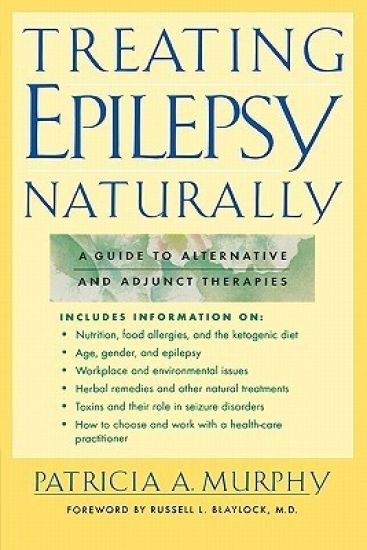
This book provides hard-to-find information on epilepsy, presented by an author living successfully with the condition. Drugs commonly used to treat epilepsy have some extremely harmful side effects. "Treating Epilepsy Naturally" is an empathetic, practical, empowering look at treatment options, lifestyle choices, and ways of living well. Written by an author who has been successfully living with it herself for most of her adult life, this comprehensive guide offers alternative treatments to replace and to complement traditional therapies and sound advice to find the right health practitioner for you.
Examines the intricate relationships between time and gender in the novels of five fin-de-siecle British writers—Thomas Hardy, Olive Schreiner, H. Rider Haggard, Sarah Grand, and Mona Caird.In Time Is of the Essence, Patricia Murphy argues that the Victorian debate on the Woman Question was informed by a crucial but as yet unexplored element at the fin de siècle: the cultural construction of time. Victorians were obsessed with time in this century of incessant change, responding to such diverse developments as Darwinism, a newfound faith in progress, an unprecedented fascination with history and origins, and the nascent discipline of evolutionary psychology. The works examined here-novels by Thomas Hardy, Olive Schreiner, H. Rider Haggard, Sarah Grand, and Mona Caird-manipulate prevalent discourses on time to convey anxieties over gender, which intensified in the century's final decades with the appearance of the rebellious New Woman. Unmasking the intricate relationship between time and gender that threaded through these and other works of the period, Murphy reveals that the cultural construction of time, which was grounded in the gender-charged associations of history, progress, Christianity, and evolution, served as a powerful vehicle for reinforcing rigid boundaries between masculinity and femininity. In the process, she also covers a number of other important and intriguing topics, including the effects of rail travel on Victorian perceptions of time and the explosion of watch production throughout the period.
Patricia Murphy explores the tenuous interplay of gender and science to show how Victorian literature both challenged and reinforced a constrictive role for women. Focusing on a specific body of literature involving women intensely associated with scientific pursuits, and examining selected noncanonical writings, Murphy demonstrates how these works informed the ""Woman Question"" by reinforcing or rejecting presumed truths about gender and science. Some of these texts offer lucid insights into the ways in which women were defined, marginalized, and excluded. In his novel ""Two on a Tower"", Thomas Hardy presented science as a masculine realm threatened by female intrusion, while Wilkie Collins ""in Heart and Science"" depicted a woman interested in science as a villainous schemer who falls far short of the Victorian ideal of femininity. And although Charles Reade's novel ""A Woman-Hater"" was more sympathetic in its portrayal of a female physician, it continued to reinforce Victorian stereotypes. Murphy also shows us the poetry of science enthusiast Constance Naden, who used the language of the discipline to reflect its marginalization of women. She uses the travel memoirs of botanical painter, Marianne North, which reveal her attempts to achieve a gender-neutral voice to position her work within the Victorian scientific realm. These close readings show how prejudices about women's intellectual inferiority infiltrated popular culture.
Glimmerings of ecofeminist theory that would emerge a century later can be detected in women's poetry of the later Victorian period. Patricia Murphy examines the work of six “proto-ecofeminist” poets - Augusta Webster, Mathilde Blind, Michael Field, Alice Meynell, Constance Naden, and L. S. Bevington - who contested the exploitation of the natural world. Challenging prevalent assumptions that nature is inferior, rightly subordinated, and deservedly manipulated, these poets instead “reconstructed” nature.
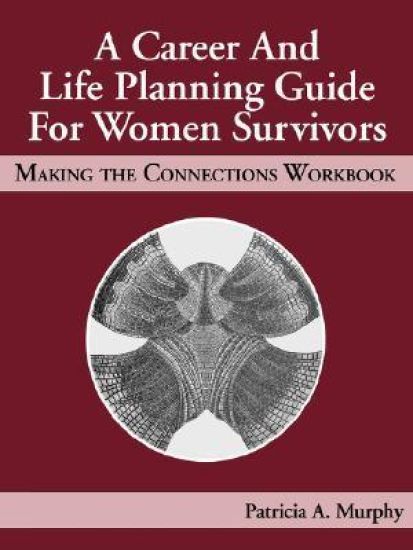
Abuse is so crippling that many who survive the trauma are never able to function again in the world as productive members of the work force-in whatever capacity. This workbook is dedicated to addressing this and many other issues. A Career and Life Planning Guide for Women Survivors provides real activities that deal with the trauma up close, providing survivors the opportunity to face the events that changed their lives. You will find glossaries and exercises created to assist in overcoming denial and vulnerability while working toward empowerment. Useful features include TIPS found throughout the workbook and numerous resources provided for help. This workbook can be successfully used by professionals working with survivors and by individuals on their own.
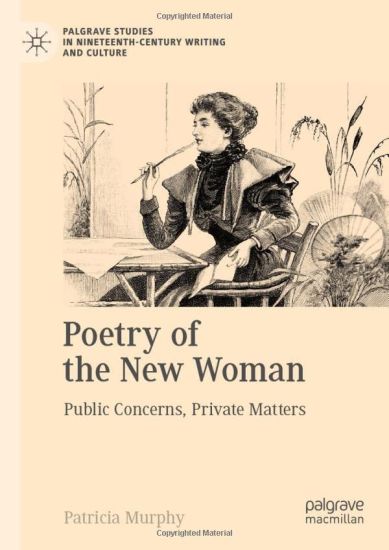
The New Woman sought vast improvements in Victorian culture that would enlarge educational, professional, and domestic opportunities. Although New Women resist ready classification or appraisal as a monolithic body, they tended to share many of the same beliefs and objectives aimed at improving female conditions. While novels about the iconoclastic New Woman have garnered much interest in recent decades, poetry from the cultural and literary figure has received considerably less attention. Yet the very issues that propelled New Woman fiction are integral to the poetry of the fin de siècle. This book – the first in-depth account on the subject – enriches our knowledge of exceptionally gifted writers, including Mathilde Blind, M. E. Coleridge, Olive Custance, and Edith Nesbit. It focuses on their long-neglected British verse, analyzing its treatment of crucial matters on both the personal and public level to provide the attention the poetry so richly deserves.
The New Woman sought vast improvements in Victorian culture that would enlarge educational, professional, and domestic opportunities. Although New Women resist ready classification or appraisal as a monolithic body, they tended to share many of the same beliefs and objectives aimed at improving female conditions. While novels about the iconoclastic New Woman have garnered much interest in recent decades, poetry from the cultural and literary figure has received considerably less attention. Yet the very issues that propelled New Woman fiction are integral to the poetry of the fin de siècle. This book – the first in-depth account on the subject – enriches our knowledge of exceptionally gifted writers, including Mathilde Blind, M. E. Coleridge, Olive Custance, and Edith Nesbit. It focuses on their long-neglected British verse, analyzing its treatment of crucial matters on both the personal and public level to provide the attention the poetry so richly deserves.
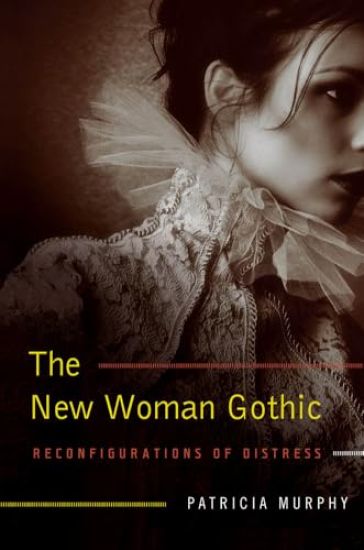
The controversial and compelling figure of the New Woman in late Victorian fiction has garnered extensive scholarly attention, but rarely has she been investigated through the fascinating lens of the Gothic. Yet the presence of sinister Gothic elements is so widespread in the generally realisitic British novels that the term "New Woman Gothic" readily comes to mind. Drawing from and reworking Gothic conventions of Romantic and later literature, the New Woman version is marshaled during this tumultuous cultural moment of gender anxieties either to defend or revile the complex individual who sought improvements in educational, marital, and professional realms.