Nas ltimas d cadas, dois grandes acontecimentos foram respons veis por revolucionar o tradicional mercado petrol fero ao redor do mundo. Por um lado, a descoberta do Pr -sal na costa brasileira, que teve sua import ncia marcada pela quantidade e qualidade do leo e g s que foi encontrado abaixo de uma extensa camada de sal, entre os litorais de Santa Catarina e Esp rito Santo. Por outro lado, o aprimoramento da explora o de Shale Gas nos Estados Unidos, respons vel por recolocar os americanos como maior produtor de petr leo do mundo, sendo o maior e mais importante player da ind stria petrol fera atualmente. Ambos acontecimentos foram marcados por diversas interfer ncias pol ticas, respons veis por ocasionar o sucesso de um (Shale Gas) e a frustra o do outro (Pr -sal). Neste livro foi realizado um levantamento de dados anal tico capaz de pontuar como a interfer ncia pol tica afetou esses dois grandes acontecimentos na ind stria do petr leo, analisando ainda, os principais resultados econ mico-sociais que foram afetados por essas interfer ncias em seus respectivos pa ses.
Surgida alguns anos depois da primeira edi o alem , a presente tradu o portuguesa de Caminho de fuga Espanha-Portugal: a emigra o alem e o xodo para fora da Europa de 1933 a 1945, texto da autoria de Patrick von zur M hlen, justifica-se por diversas raz es. Em primeiro lugar, por se tratar do primeiro estudo de natureza historiogr fica sobre o relacionamento - ativo e passivo, direto e indireto - do Estado Novo e de Portugal com o Holocausto. Em segundo lugar, por propor uma leitura comparativa da situa o em Fran a, Espanha e Portugal, os tr s pa ses atravessados pela principal rota de fuga da "Grande Alemanha" e da Europa ocupada pelo Terceiro Reich. Finalmente, porque considera tamb m as perspetivas dos refugiados e das organiza es envolvidas no apoio aos mesmos.
Neste livro, o autor procura analisar a quest o igual e o outro em obras comuns de M. de Unamuno e A. Machado, dois autores igualmente apaixonados pela literatura e pela filosofia no sentido estrito da palavra. Os dois autores, M. de Unamuno (1864-1936) e A. Machado (1875-1939), de origem espanhola, eram escritores de renome mundial. M. de Unamuno era de Salamanca e A. Machado, de Sevilha, ambos pertencentes Gera o de 1898.
A comunica o, al m de ser respons vel pela intera o entre as pessoas, especialmente no contexto da sociedade em rede, constru da ao redor das m dias digitais, um direito humano, entendido como gerador de outros direitos, permitindo o exerc cio de uma cidadania plena. Assim, este livro se prop s a analisar os discursos sobre a mulher nessa sociedade, especificamente a partir do programa "Amor & Sexo", veiculado pela Rede Globo de Televis o em janeiro de 2017, e sua repercuss o nas m dias sociais, como o Facebook. Diante das mais variadas discuss es apresentadas pela pr pria m dia, defini es tradicionais, alicer adas na cl ssica confus o entre g nero e sexo ainda se mant m. preciso, por m, superar o tradicional discurso de supremacia do masculino, o que justifica, ent o, o olhar sobre a exposi o da mulher nas m dias sociais e os discursos produzidos nesse contexto sobre elas e por elas pr prias. Do ponto de vista dos direitos humanos, o direito humano comunica o apresenta rela o com o desenvolvimento de um discurso sobre o g nero mulher hoje, infelizmente n o t o evolu do, considerando a relev ncia que a internet adquiriu na comunica o entre as pessoas.
A frica n o exclusivamente um continente de mis ria onde as pessoas morrem de fome e sede; onde a falta de saneamento permanente, o que explica a defeca o a c u aberto e as epidemias relacionadas com a gua. Os desafios existem e eles existem em todo o lado A frica tamb m tem exemplos a oferecer em todas as reas, incluindo o acesso gua, higiene e saneamento. Os nossos media, apesar das dificuldades, t m um papel determinante na transforma o da sociedade. Mudar a narrativa de frica ser abrir a conversa sobre o desenvolvimento real. Primeiro, nos meios de comunica o social e depois na sociedade civil. Para que isto aconte a, os actores precisam de evitar a vitimiza o e, em conjunto, advogar pelo desenvolvimento. No sector do WASH, as redes dos meios de comunica o social demonstraram a sua import ncia: apoiam a comunica o e servem para mudar o comportamento; fornecem uma vis o do impacto das ac es nas pessoas; e relatam conhecimentos e opini es sobre os programas de desenvolvimento. Desta forma, as ac es dos parceiros podem ser compreendidas, as vozes das pessoas amplificadas e a capacidade dos meios de comunica o social refor ada.
Patrick O'Brian is the well-known author of the Aubrey/Maturin novels, set during the Napoleonic wars. They are acknowledged by critics and readers alike as classic works of fiction and are attracting an increasingly wide audience. Patrick O'Brian is also a translator of note and the author of several biographies and other works of nonfiction. His first books appeared over forty years ago to wide and enduring critical acclaim.
O Protocolo Nemechek para o Autismo e Atraso do Desenvolvimento a abordagem mais cient fica e aprimorada para reverter os efeitos devastadores do autismo, PHDA, Transtorno de Processamento Sensorial (TPS) e a mir ade de outros dist rbios do desenvolvimento. A abordagem do Dr. Nemechek desencadeia muitas vezes melhorias impressionantes nas crian as, de forma r pida e em poucas semanas. E, surpreendentemente, o protocolo emprega suplementos naturais e comuns, e evita os in meros medicamentos homeop ticos e antibi ticos, geralmente t xicos e dispendiosos, que s o frequentemente prescritos a crian as.Em poucos dias, muitas crian as no protocolo experimentam uma liga o com o ambiente que nunca tinham experimentado. Atingem-se melhorias significativas nos atrasos motores, sensoriais e da fala em poucas semanas. Os dist rbios da aten o e aprendizagem come am a resolver rapidamente nos primeiros meses, medida que o c rebro da crian a restaura as vias neurais danificadas pelos traumatismos f sicos, emocionais e inflamat rios comumente sofridos na inf ncia.Atrav s de um simples processo em 2 passos para reequilibrar as bact rias intestinais e cidos gordos mega, o Dr. Nemechek descobriu como reativar a poda neural e os processos de repara o do c rebro, permitindo que o c rebro da crian a comece a reparar les es antigas e a desenvolver-se corretamente. O reequil brio das bact rias intestinais tamb m elimina a produ o excessiva do cido propi nico, respons vel pelos comportamentos estranhos e desconectados que s o altamente caracter sticos do autismo. Com a ajuda liter ria e editorial de Jean Nemechek, as complexidades da restaura o dos cidos gordos, bacteriologia intestinal, restaura o aut noma e les es cerebrais cumulativas s o traduzidas numa linguagem compreens vel para os mais leigos na mat ria.O livro consiste num guia pr tico e completo que descreve os suplementos e dosagens espec ficos empregues pelo Dr. Nemechek no tratamento dos seus pacientes. O leitor aprender o m todo passo-a-passo do Dr. Nemechek para reverter o autismo e outros dist rbios do desenvolvimento. Est o inclu dos cap tulos espec ficos acerca das reca das, uso de antibi ticos, estrat gias preventivas e futuras vacinas. O Protocolo Nemechek tornou-se uma das op es terap uticas de maior crescimento em todo o mundo, gra as r pida taxa de melhorias testemunhada.Milhares de fam lias em todo o mundo beneficiam deste tratamento seguro, acess vel e altamente eficaz, que aborda os problemas devastadores que hoje em dia afetam comumente as crian as. Ao testemunhar uma crian a sob o Protocolo Nemechek a recuperar a fala em poucas semanas a meses, a frase "Os Milagres Acontecem" nunca foi t o verdadeira.
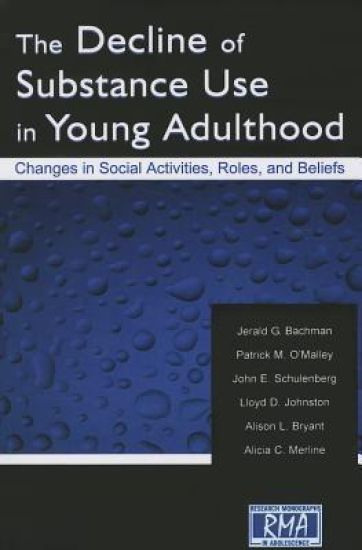
This book is intended as a thoughtful extension to Bachman et al.'s well-received monograph Smoking, Drinking, and Drug Use in Young Adulthood. That volume showed that the new freedoms of young adulthood lead to increases in substance use, while the responsibilities of adulthood--marriage, pregnancy, parenthood--contribute to declines in substance use. The Decline of Substance Use in Young Adulthood examines how the changes in social and religious experiences and in attitudes toward substance use observed among young adults are related to changes in substance use, family transitions, living arrangements, college experience, and employment. The research uses a variety of analysis techniques and is based on the nationwide Monitoring the Future surveys of more than 38,000 young people followed from high school into adulthood. The research covers the last quarter of the 20th century, a period when drug use and views about drugs underwent many important changes. In spite of these shifts, the overall patterns of relationships reported in this book are impressive in their consistency across time and in their general similarity for men and women.Specific questions addressed include the following: *As young adults experience new freedoms and responsibilities, do their attitudes about drugs change? *Do their religious views and behaviors shift? *Do their new freedoms and responsibilities affect the amount of time they spend in social activities, including going to parties and bars? *And how are any of these changes linked to changes in cigarette use, alcohol use, marijuana use, and cocaine use?
This book is intended as a thoughtful extension to Bachman et al.'s well-received monograph Smoking, Drinking, and Drug Use in Young Adulthood. That volume showed that the new freedoms of young adulthood lead to increases in substance use, while the responsibilities of adulthood--marriage, pregnancy, parenthood--contribute to declines in substance use. The Decline of Substance Use in Young Adulthood examines how the changes in social and religious experiences and in attitudes toward substance use observed among young adults are related to changes in substance use, family transitions, living arrangements, college experience, and employment. The research uses a variety of analysis techniques and is based on the nationwide Monitoring the Future surveys of more than 38,000 young people followed from high school into adulthood. The research covers the last quarter of the 20th century, a period when drug use and views about drugs underwent many important changes. In spite of these shifts, the overall patterns of relationships reported in this book are impressive in their consistency across time and in their general similarity for men and women.Specific questions addressed include the following: *As young adults experience new freedoms and responsibilities, do their attitudes about drugs change? *Do their religious views and behaviors shift? *Do their new freedoms and responsibilities affect the amount of time they spend in social activities, including going to parties and bars? *And how are any of these changes linked to changes in cigarette use, alcohol use, marijuana use, and cocaine use?
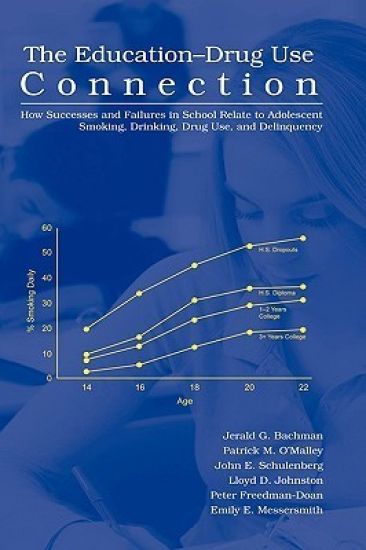
Does success in school protect teenagers from drug use? Does drug use impair scholastic success? This book tackles a key issue in adolescent development and health - the education-drug use connection. The authors examine the links and likely causal connections between educational experiences, delinquent behavior, and adolescent use of tobacco, alcohol, marijuana, and cocaine.The book uses data from the University of Michigan's Monitoring the Future project. It focuses on a large and nationally representative sample of 8th grade students in the United States who were initially surveyed in 1991-1993 and then followed over the vitally important developmental period between ages 14 and 22. The volume uses a variety of statistical analysis techniques, and the findings can be understood by individuals with limited, as well as with extensive, backgrounds in research design. The findings convincingly demonstrate that if young people can be successful in school, it can improve a broad range of outcomes in their lives, not the least of which is their ability to resist pressures to use drugs. The book provides: a summary of the findings and conclusions; a review of relevant literature; a detailed discussion of the survey and analysis methods; the academic attainment of those in the longitudinal panel; the delinquent behaviors of panel members as they relate to measures of educational success; and the patterns of initiation, continuation, and cessation for each substance: cigarettes, marijuana, cocaine, and alcohol.This book is intended for anyone who deals with education and/or substance use, including educational, developmental, and social psychologists; sociologists; epidemiologists; educators; and policy makers. The analysis of panel survey data, using a variety of techniques, will also appeal to survey methodologists and students.
Does success in school protect teenagers from drug use? Does drug use impair scholastic success? This book tackles a key issue in adolescent development and health - the education-drug use connection. The authors examine the links and likely causal connections between educational experiences, delinquent behavior, and adolescent use of tobacco, alcohol, marijuana, and cocaine.The book uses data from the University of Michigan's Monitoring the Future project. It focuses on a large and nationally representative sample of 8th grade students in the United States who were initially surveyed in 1991-1993 and then followed over the vitally important developmental period between ages 14 and 22. The volume uses a variety of statistical analysis techniques, and the findings can be understood by individuals with limited, as well as with extensive, backgrounds in research design. The findings convincingly demonstrate that if young people can be successful in school, it can improve a broad range of outcomes in their lives, not the least of which is their ability to resist pressures to use drugs. The book provides: a summary of the findings and conclusions; a review of relevant literature; a detailed discussion of the survey and analysis methods; the academic attainment of those in the longitudinal panel; the delinquent behaviors of panel members as they relate to measures of educational success; and the patterns of initiation, continuation, and cessation for each substance: cigarettes, marijuana, cocaine, and alcohol.This book is intended for anyone who deals with education and/or substance use, including educational, developmental, and social psychologists; sociologists; epidemiologists; educators; and policy makers. The analysis of panel survey data, using a variety of techniques, will also appeal to survey methodologists and students.
Why do some young adults substantially change their patterns of smoking, drinking, or illicit drug use after graduating from high school? In this book, the authors show that leaving high school and leaving home create new freedoms that are linked to increases in the use of cigarettes, alcohol, marijuana, and cocaine. They also show that marriage, pregnancy, and parenthood create new responsibilities that are linked to decreases in drug use. The research is based on more than 33,000 young people followed from high school through young adulthood by the nationwide Monitoring the Future project. Every two years, participants reported on their drug use, as well as their schooling, employment, military service, living arrangements, marriages, pregnancies, parenthood, and even their divorces. The unique qualities of this research--large nationally representative samples, follow-ups extending up to 14 years beyond high school, and multiple approaches to analysis and data presentation--allowed the examination of several important influences simultaneously, while retaining much of the rich detail encountered in the real world. On the whole, the results are encouraging, suggesting that the potentials for change and improvement during the transition to adulthood are as important as the detrimental effects of problem behavior in adolescence. This research is a "must" read for anyone concerned with how new freedoms and responsibilities impact adolescents, young adults, and the use of licit and illicit drugs.
Why do some young adults substantially change their patterns of smoking, drinking, or illicit drug use after graduating from high school? In this book, the authors show that leaving high school and leaving home create new freedoms that are linked to increases in the use of cigarettes, alcohol, marijuana, and cocaine. They also show that marriage, pregnancy, and parenthood create new responsibilities that are linked to decreases in drug use. The research is based on more than 33,000 young people followed from high school through young adulthood by the nationwide Monitoring the Future project. Every two years, participants reported on their drug use, as well as their schooling, employment, military service, living arrangements, marriages, pregnancies, parenthood, and even their divorces. The unique qualities of this research--large nationally representative samples, follow-ups extending up to 14 years beyond high school, and multiple approaches to analysis and data presentation--allowed the examination of several important influences simultaneously, while retaining much of the rich detail encountered in the real world. On the whole, the results are encouraging, suggesting that the potentials for change and improvement during the transition to adulthood are as important as the detrimental effects of problem behavior in adolescence. This research is a "must" read for anyone concerned with how new freedoms and responsibilities impact adolescents, young adults, and the use of licit and illicit drugs.