An authoritative study of extinction in birds, with case studies of 20 critically endangered species and the research initiatives designed to save them.Almost two hundred species of birds have become extinct in the past 400 years, and a similar number today are in imminent danger of following them. The world's conservationists are leading the fight to prevent the demise of these remaining critically endangered birds, with a fair degree of success.This new book examines the process and issues concerning extinction - how and why it happens and what can be done about it. Whilst man is to blame for many of the causes, such as persecution and habitat loss, species have become extinct on a regular basis since life began.After several thought-provoking introductory chapters, the book showcases about 20 species on the brink of extinction from around the world and describes the work that is being undertaken to save them. Some are success stories, but a few are not.This is a subject close to the hearts of all birders and ornithologists and this book, written by a team of leading conservationists, will strike a chord in most of them.
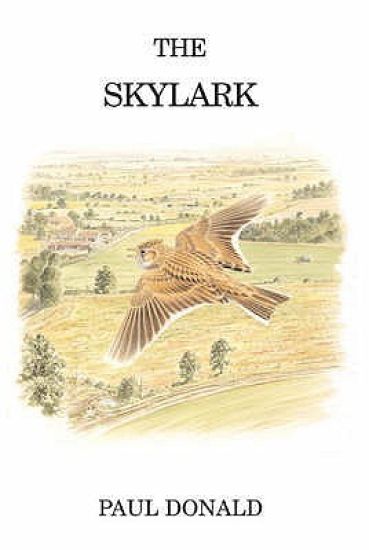
The Skylark is one of Britain's most popular and inspirational birds, and in recent years it has also been one of the most newsworthy. The species' population has plummeted as a consequence of changes in farming practice, and the RSPB has launched a major research and fund-raising campaign to save the 'blithe spirit' from further decline. This book looks at all aspects of the life of the Skylark, from its biology, migratory patterns, breeding behaviour and habitat requirements, to its role in legend and folklore. It also discusses its recent rapid decline which has led to the species being placed on the top-priority 'red list' of Birds of Conservation Concern by the leading governmental and non-governmental conservation organisations in the UK. Three closely related species, Oriental and Japanese Skylarks and the enigmatic Raso Lark are also discussed.
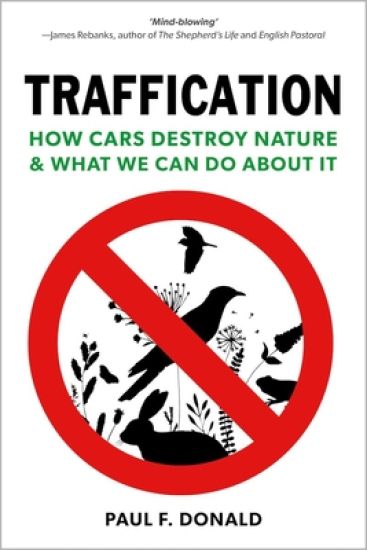
Traffication develops a bold new idea: that the trillions of miles of driving we do each year are just as destructive to our natural environment as any of the better known threats, such as habitat loss or intensive farming. The problem is not simply one of roadkill; the impacts of roads are far more pervasive, and they impact our wildlife in many subtle and unpredictable ways. Using the latest research, the book reveals how road traffic shatters essential biological processes, affecting how animals communicate, move around, feed, reproduce and die. Most importantly, it shows that the influence of traffic extends well beyond the verge, and that a busy road can strip the wildlife from our countryside for miles around. In the UK, almost nowhere is exempt from this environmental toll. Yet the final message here is one of hope: by identifying the car as a major cause of the catastrophic loss of wildlife, the solutions to our biodiversity crisis suddenly become much clearer. The first step to solving any problem is to recognise that it exists in the first place. But with road traffic, we are not even at that crucial initial stage in our recovery. Quite simply, Traffication does for road traffic what Silent Spring did for agrochemicals: awakening us from our collective road-blindness and opening up a whole new chapter in conservation. This urgent book is an essential contribution to the debate on how we restore the health of our countryside – and of our own minds and bodies.
Traffication develops a bold new idea: that the trillions of miles of driving we do each year are just as destructive to our natural environment as any of the better known threats, such as habitat loss or intensive farming. The problem is not simply one of roadkill; the impacts of roads are far more pervasive, and they impact our wildlife in many subtle and unpredictable ways. Using the latest research, the book reveals how road traffic shatters essential biological processes, affecting how animals communicate, move around, feed, reproduce and die. Most importantly, it shows that the influence of traffic extends well beyond the verge, and that a busy road can strip the wildlife from our countryside for miles around. In the UK, almost nowhere is exempt from this environmental toll. Yet the final message here is one of hope: by identifying the car as a major cause of the catastrophic loss of wildlife, the solutions to our biodiversity crisis suddenly become much clearer. The first step to solving any problem is to recognise that it exists in the first place. But with road traffic, we are not even at that crucial initial stage in our recovery. Quite simply, Traffication does for road traffic what Silent Spring did for agrochemicals: awakening us from our collective road-blindness and opening up a whole new chapter in conservation. This urgent book is an essential contribution to the debate on how we restore the health of our countryside – and of our own minds and bodies.
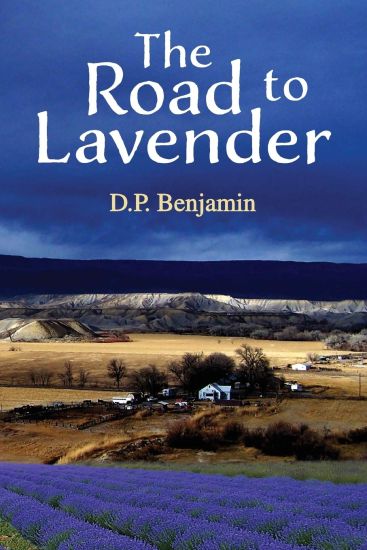
Anne Scriptor, a dedicated young student of archaeology, finds herself at the center of a deadly treasure hunt. Assigned by her university professor to cache a dozen nondescript toolboxes in remote Colorado locations, she's unaware one box contains a priceless artifact which dangerous buyers have offered millions to possess. Half-way through her assignment she reaches the village of Lavender where mysterious strangers begin following her until they die in unexplained explosions. Alone and confused, she seeks help from Trinidad Sands, a handsome stranger who owns the large lavender farm which is the source of the village's name. But she catches Trinidad in a lie and grows to distrust him. So she's on her own when a dangerous Russian mob, an unscrupulous German detective, and a renegade Saudi prince come looking for the treasure. It will take all of Anne's courage and cunning to survive.
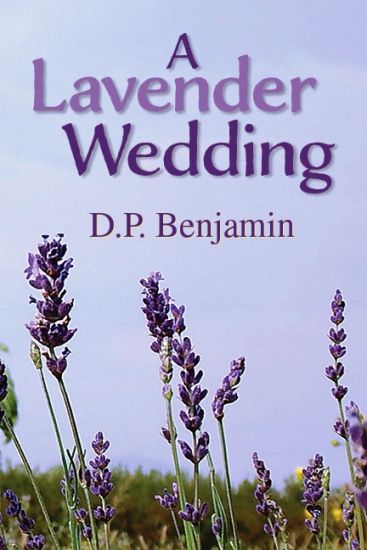
This is the second in a series of mystery novels featuring the characters Anne Scriptor and Trinidad Sands. The couple form a working partnership which leads to romance and a proposal. The two need to organize a wedding, but the murder of a famous horror novelist interrupts their plans. Hired to investigate the alibis of the victim's eccentric family, the two detectives uncover a cavalcade of lies and secrets.
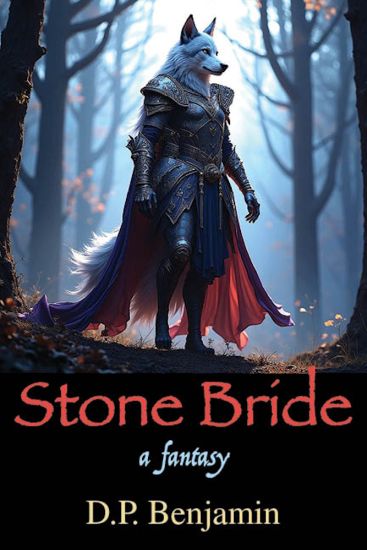
Princess Ann of Middlemount is the last survivor of her royal household. Defeated by invading forces, her Wolfkind race faces extinction. Only a desperate quest can save her people, her god, and her world.
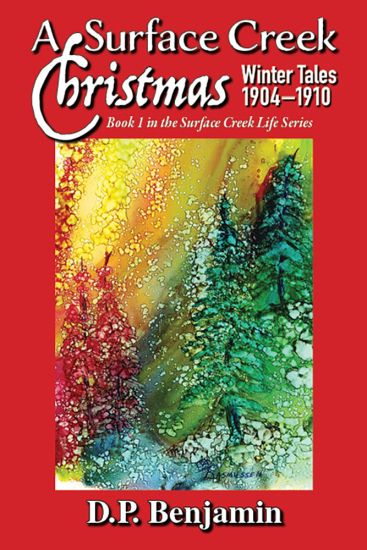
From 1904 to 1910, the Surface Creek Champion newspaper reported on communities nestled in the verdant Surface Creek Valley of Western Colorado, a world-famous apple growing region. During vintage winters, local residents relished stories of neighbors, weather, crop outlooks, animals, rural society, and holiday celebrations. This compilation takes the modern reader on a nostalgic journey into the realm of Christmases past.
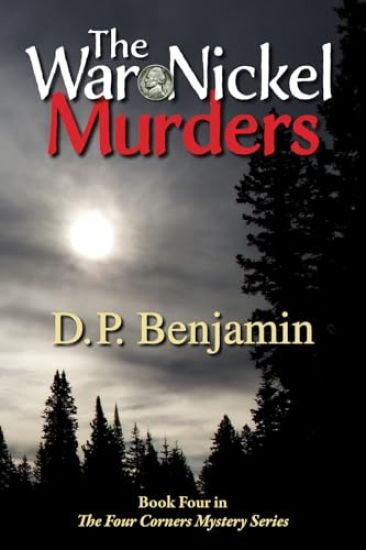
The brutal murder of a local hermit entangles the husband-and-wife detective team of Trinidad and Annie Sands in a web of international intrigue. Echoes of World War II shatter the solitude of a Western Colorado winter as a deadly assassin strives to recover a hidden stockpile of counterfeit nickels.
This work has been selected by scholars as being culturally important and is part of the knowledge base of civilization as we know it.This work is in the public domain in the United States of America, and possibly other nations. Within the United States, you may freely copy and distribute this work, as no entity (individual or corporate) has a copyright on the body of the work.Scholars believe, and we concur, that this work is important enough to be preserved, reproduced, and made generally available to the public. To ensure a quality reading experience, this work has been proofread and republished using a format that seamlessly blends the original graphical elements with text in an easy-to-read typeface.We appreciate your support of the preservation process, and thank you for being an important part of keeping this knowledge alive and relevant.
""Methods For Obtaining And Handling Marine Eggs And Embryos"" is a comprehensive guidebook written by Donald Paul Costello that provides detailed information on the techniques and procedures for obtaining and handling marine eggs and embryos. The book is designed to be a valuable resource for marine biologists, researchers, and students who are interested in studying the development and growth of marine organisms.The book covers various topics related to marine egg and embryo handling, including the collection and preservation of eggs and embryos, the maintenance of embryos in the laboratory, and the techniques for studying the development of marine organisms. The author also discusses the various factors that can affect the development of marine eggs and embryos, such as temperature, salinity, and oxygen levels.The book is divided into several chapters, each of which focuses on a specific aspect of marine egg and embryo handling. The first chapter provides an overview of the different types of marine organisms that produce eggs and embryos, as well as the different stages of development that these organisms go through. The subsequent chapters cover topics such as egg and embryo collection, handling and storage, and the maintenance of embryos in the laboratory.The book also includes detailed descriptions of the various techniques used to study the development of marine organisms, such as microscopy, histology, and molecular biology. The author provides step-by-step instructions for each technique, making it easy for readers to follow along and replicate the procedures in their own research.Overall, ""Methods For Obtaining And Handling Marine Eggs And Embryos"" is an essential resource for anyone interested in studying the development and growth of marine organisms. The book is well-written, informative, and easy to follow, making it a valuable addition to any marine biology library.Additional Contributors Are M. H. Fox And C. Henley.This scarce antiquarian book is a facsimile reprint of the old original and may contain some imperfections such as library marks and notations. Because we believe this work is culturally important, we have made it available as part of our commitment for protecting, preserving, and promoting the world's literature in affordable, high quality, modern editions, that are true to their original work.