
Kirjahaku
Etsi kirjoja tekijän nimen, kirjan nimen tai ISBN:n perusteella.
1000 tulosta hakusanalla Paul Salsini
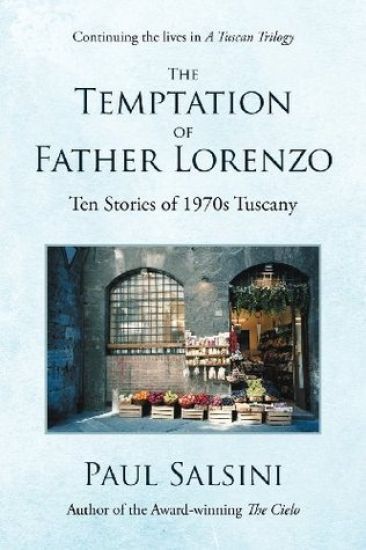

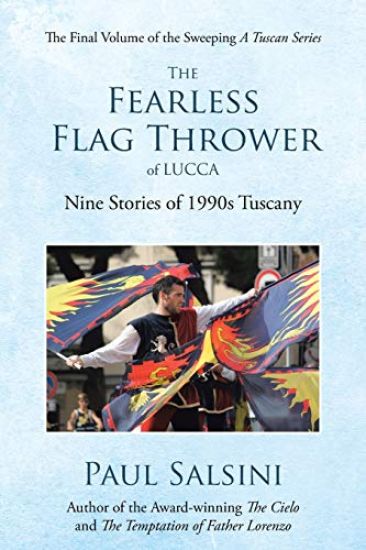

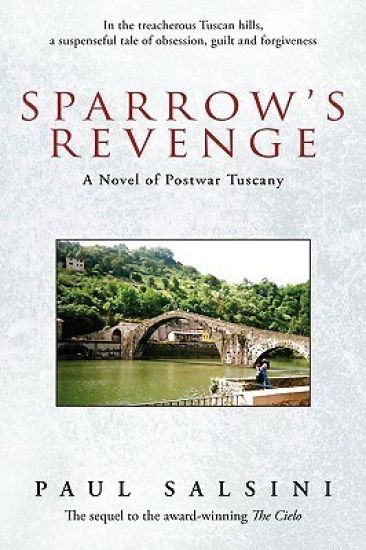
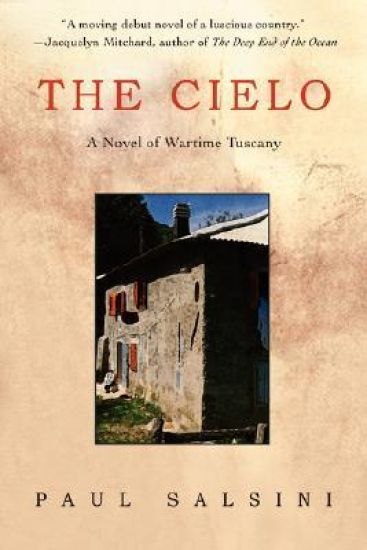
Strange things are known to happen in the rugged Garfagnana region of Tuscany. A friendly ghost in a monastery. A visit from a soldier from the other side. A village that sleeps for a hundred years. The legend of ghosts in the theater. All these make their appearance in The Ghosts of the Garfagnana: Seven Strange Stories from Haunted Tuscany-a new book by Paul Salsini, the award-winning author of the popular six-volume A Tuscan Series.
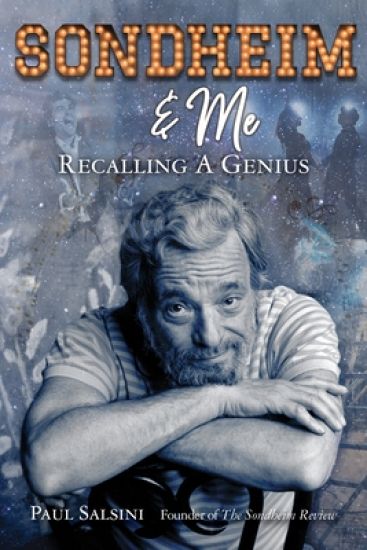
FOR TEN YEARS, they exchanged notes, letters, faxes, and phone calls. Stephen Sondheim would contact him, and Paul Salsini, the founder and editor of The Sondheim Review, would respond. And vice versa. Now, Salsini, a Milwaukee journalist, has described his unlikely long-distance relationship with the fabled composer/lyricist in Sondheim & Me: Revealing a Musical Genius. The memoir includes the dozens of notes that Sondheim sent Salsini about articles in the magazine. It was clear that, at least at the start in 1994, he read every word of every issue, and often his comments were what Sondheim called "emendations," pointing out a typo, a wrong first name or a misreading of a scene. There were a few disagreements; Sondheim was furious about the magazine's review of one of his shows and called to loudly complain. After the magazine published his lyrics for a high school show, he wrote to "object vigorously to your reprinting my juvenilia." But mostly there was a good working relationship, and Sondheim's responses were encouraging and sometimes enthusiastic. "Congratulations on another good issue " "Keep up the good work " Sondheim & Me also includes numerous reports of talks, forums, and Q&As in which Sondheim revealed his process for composing, his inspirations, his comments on his shows (the original film of West Side Story "isn't any good," the first act of Sunday in the Park with George "is a stunt," the film of A Little Night Music is "dreadful"). The magazine reported on the openings of Passion, Saturday Night, and the troubled Mizner musical. And the decade also saw the Broadway revivals of A Funny Thing Happened on the Way to the Forum, Company, Follies, Into the Woods, and Gypsy. Besides all that, there was the $10 million Kennedy Center Sondheim Celebration with a repertory of six of his musicals. It was a remarkable decade for Stephen Sondheim, and Paul Salsini and The Sondheim Review were there to report it all. Almost none of the book's material has been seen by the general public--at its height, The Sondheim Review had but a few thousand subscribers. To thoroughly understand the great, revolutionary artistry of Stephen Sondheim, Sondheim & Me is indispensable. In what may be something of an exclusive, the book also contains an extensive, detailed chronology of Sondheim's life, his works, and the many tributes he received. Sixty-four pages of photos of Sondheim productions, along with many TSR covers and the notes Sondheim wrote, enhance this illuminating, groundbreaking book.
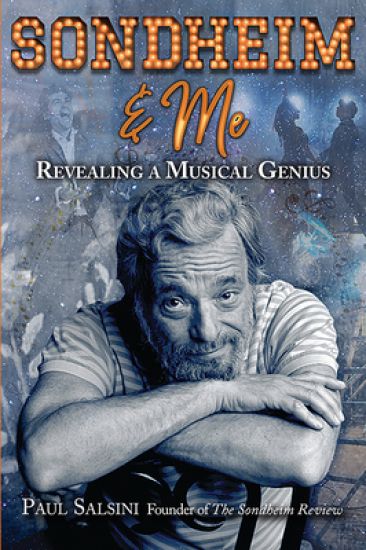
FOR TEN YEARS, they exchanged notes, letters, faxes, and phone calls. Stephen Sondheim would contact him, and Paul Salsini, the founder and editor of The Sondheim Review, would respond. And vice versa. Now, Salsini, a Milwaukee journalist, has described his unlikely long-distance relationship with the fabled composer/lyricist in Sondheim & Me: Revealing a Musical Genius. The memoir includes the dozens of notes that Sondheim sent Salsini about articles in the magazine. It was clear that, at least at the start in 1994, he read every word of every issue, and often his comments were what Sondheim called "emendations," pointing out a typo, a wrong first name or a misreading of a scene. There were a few disagreements; Sondheim was furious about the magazine's review of one of his shows and called to loudly complain. After the magazine published his lyrics for a high school show, he wrote to "object vigorously to your reprinting my juvenilia." But mostly there was a good working relationship, and Sondheim's responses were encouraging and sometimes enthusiastic. "Congratulations on another good issue " "Keep up the good work " Sondheim & Me also includes numerous reports of talks, forums, and Q&As in which Sondheim revealed his process for composing, his inspirations, his comments on his shows (the original film of West Side Story "isn't any good," the first act of Sunday in the Park with George "is a stunt," the film of A Little Night Music is "dreadful"). The magazine reported on the openings of Passion, Saturday Night, and the troubled Mizner musical. And the decade also saw the Broadway revivals of A Funny Thing Happened on the Way to the Forum, Company, Follies, Into the Woods, and Gypsy. Besides all that, there was the $10 million Kennedy Center Sondheim Celebration with a repertory of six of his musicals. It was a remarkable decade for Stephen Sondheim, and Paul Salsini and The Sondheim Review were there to report it all. Almost none of the book's material has been seen by the general public--at its height, The Sondheim Review had but a few thousand subscribers. To thoroughly understand the great, revolutionary artistry of Stephen Sondheim, Sondheim & Me is indispensable. In what may be something of an exclusive, the book also contains an extensive, detailed chronology of Sondheim's life, his works, and the many tributes he received. Sixty-four pages of photos of Sondheim productions, along with many TSR covers and the notes Sondheim wrote, enhance this illuminating, groundbreaking book.


FROM WWI TO COVID, from Florence to the tiny villages of Tuscany, stories of love, courage and adventure from award-winning author Paul Salsini. FROM A TUSCAN TREASURY "So we became spies. When Maria and I would enter a village we would find out if there were any Germans or Fascists there so the partisans would know if it was safe to enter. Sometimes we'd be stopped, but mostly we just looked like simple Italian women with scarves on our heads and prayer books in our hands. We always told them we were going to church to pray for the end of the war." From "The Staffetta" "Anna, can I tell you something? After I left you on the doorstep that night, I couldn't stop thinking about you. I couldn't sleep nights. I went on long runs, but that didn't help. I was supposed to referee a football game Saturday morning and I made terrible calls. I couldn't concentrate hearing confessions Saturday afternoon. I barely made it through Mass on Sunday. Anna, I couldn't wait to see you again." From "Anna and the Television Priest"
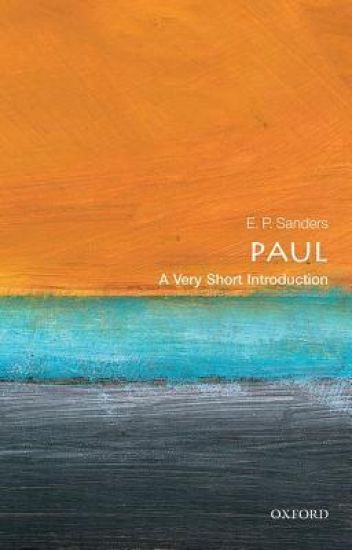
Paul is the most powerful human personality in the history of the Church. A missionary, theologian, and religious genius, in his epistles he laid the foundations on which later Christian theology was built. In his highly original introduction to Paul's life and thought, E. P. Sanders, whose research on Paul has substantially influenced recent scholarship, pays equal attention to Paul's fundamental convictions and the sometimes convoluted ways in which they were worked out. ABOUT THE SERIES: The Very Short Introductions series from Oxford University Press contains hundreds of titles in almost every subject area. These pocket-sized books are the perfect way to get ahead in a new subject quickly. Our expert authors combine facts, analysis, perspective, new ideas, and enthusiasm to make interesting and challenging topics highly readable.
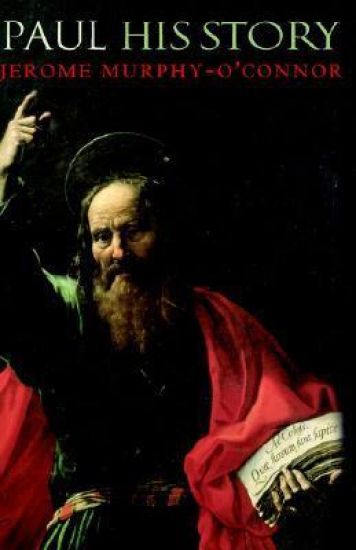
For someone who has exercised such a profound influence on Christian theology, Paul remains a shadowy figure behind the barrier of his complicated and difficult biblical letters. Debates about his meaning have deflected attention from his personality, yet his personality is an important key to understanding his theological ideas. This book redresses the balance. Jerome Murphy-O'Connor's disciplined imagination, nourished by a lifetime of research, shapes numerous textual, historical, and archaeological details into a colourful and enjoyable story of which Paul is the flawed but undefeated hero. This chronological narrative offers new insights into Paul's intellectual, emotional, and religious development and puts his travels, mission, and theological ideas into a plausible biographical context. As he changes from an assimilated Jewish teenager in Tarsus to a competitive Pharisee in Jerusalem and then to a driven missionary of Christ, the sometimes contradictory components of Paul's complex personality emerge from the way he interacts with people and problems. His theology was forged in dialogue and becomes more intelligible as our appreciation of his person deepens. In Jerome Murphy-O'Connor's engaging biography, the Apostle comes to life as a complex, intensely human individual.

For someone who has exercised such a profound influence on Christian theology, Paul remains a shadowy figure behind the barrier of his complicated and difficult biblical letters. Debates about his meaning have deflected attention from his personality, yet his personality is an important key to understanding his theological ideas. This book redresses the balance. Jerome Murphy-O'Connor's disciplined imagination, nourished by a lifetime of research, shapes numerous textual, historical, and archaeological details into a colourful and enjoyable story of which Paul is the flawed but undefeated hero. This chronological narrative offers new insights into Paul's intellectual, emotional, and religious development and puts his travels, mission, and theological ideas into a plausible biographical context. As he changes from an assimilated Jewish teenager in Tarsus to a competitive Pharisee in Jerusalem and then to a driven missionary of Christ, the sometimes contradictory components of Paul's complex personality emerge from the way he interacts with people and problems. His theology was forged in dialogue and becomes more intelligible as our appreciation of his person deepens. In Jerome Murphy-O'Connor's engaging biography, the Apostle comes to life as a complex, intensely human individual.
This study of the Apostle to the Gentiles combines scholarship with an unusual approach. Schoeps interprets Paul's theology in the light of his Jewish background, which coloured and conditioned his Christological teaching.

Since its first publication in German in 1959, Paul has been hailed as a major study of the apostle to the Gentiles, combining exceptional scholarship with an unusual approach. Schoeps interprets Paul's theology in the light of his Jewish background, which coloured and conditioned his Christological teaching. Paul's conception of Jesus differs from that of the Synoptics: what and how extensive the difference is and whence it is derived are among the questions Schoeps examines. After surveying major problems in Pauline research, the Author relates the apostle to primitive Christianity, discussing his eschatology and his teachings on salvation, the law, and saving history. The final chapter shows that Paul's distinctive doctrines result from two converging factors: that Paul never saw Jesus in the flesh, and the influence of Jewish teaching. The consequence was his concern with the resurrected Saviour of the world, the pre-existent and eternal Son of God. Schoeps shows that Paul betrayed a fundamental misconception of the law and the covenantal agreement between God and his chosen people. The result is a thought-provoking, and somewhat startling, study of the first, the greatest, and the most difficult of all Christian theologians.

'There is neither Jew nor Greek, there is neither slave nor free, there is no male and female; for you are all one in Christ Jesus.' (Galatians 3.28) The revolutionary writings of St Paul have had an incalculable impact on Western history, and continue to influence directly the two billion Christians living today. Written by a world authority, this brief history begins by assessing what we know about Paul's life and letters, and his impact on the Roman world of the first century. It concludes by highlighting the key elements of Paul's thought and considering their consequences as they have played out over two millennia.

This compelling reconstruction of the life and thought of St Paul paints a vivid picture of the Roman world in which he preached his revolutionary message and explains the significance of his lasting impact on both the Church and the world. Regarded by many as the founder of Christianity, Paul of Tarsus is one of the most controversial and powerful figures in history. His writings have had an incalculable influence on Western culture and beyond, and his words continue to guide the lives of over two billion Christians across the world today. In this superbly detailed biography Tom Wright traces Paul's career from zealous persecutor of the fledgling Church, through his journeys as the world's greatest missionary theologian, to his likely death as a Christian martyr at the hands of Nero in the mid 60s CE. Drawing judiciously on the latest research into the Jewish, Greek and Roman worlds, and enriched by a wealth of critical insight into Paul's own writings, this is the most rounded portrait of the apostle ever painted – his development, motivations, spiritual struggles and intellectual achievements, and his lasting impact over two millennia.
A groundbreaking new portrait of the apostle Paul, from one of today’s leading historians of antiquity Often seen as the author of timeless Christian theology, Paul himself heatedly maintained that he lived and worked in history’s closing hours. His letters propel his readers into two ancient worlds, one Jewish, one pagan. The first was incandescent with apocalyptic hopes, expecting God through his messiah to fulfill his ancient promises of redemption to Israel. The second teemed with ancient actors, not only human but also divine: angry superhuman forces, jealous demons, and hostile cosmic gods. Both worlds are Paul’s, and his convictions about the first shaped his actions in the second. Only by situating Paul within this charged social context of gods and humans, pagans and Jews, cities, synagogues, and competing Christ-following assemblies can we begin to understand his mission and message. This original and provocative book offers a dramatically new perspective on one of history’s seminal figures.

A groundbreaking new portrait of the apostle Paul, from one of today’s leading historians of antiquity Often seen as the author of timeless Christian theology, Paul himself heatedly maintained that he lived and worked in history’s closing hours. His letters propel his readers into two ancient worlds, one Jewish, one pagan. The first was incandescent with apocalyptic hopes, expecting God through his messiah to fulfill his ancient promises of redemption to Israel. The second teemed with ancient actors, not only human but also divine: angry superhuman forces, jealous demons, and hostile cosmic gods. Both worlds are Paul’s, and his convictions about the first shaped his actions in the second. Only by situating Paul within this charged social context of gods and humans, pagans and Jews, cities, synagogues, and competing Christ-following assemblies can we begin to understand his mission and message. This original and provocative book offers a dramatically new perspective on one of history’s seminal figures.