What does it mean to be human? This critical text from a well-respected author captures and interrogates the many models which have been developed to explore and explain human behaviour. Informed by sociological, psychological and biological perspectives, the book plots the key stages of the life course from childhood through to older age.
Post-Natal Depression challenges the expectation that it is normal to be a 'happy mother'. It provides a radical critique of the traditional medical and social science explanations of 'post natal depression' by supplying a systematic feminist psychological analysis of women's experiences following childbirth. Paula Nicolson argues that, far from it being an abnormal, undesirable, pathological condition, it is a normal, healthy response to a series of losses.Post Natal Depression makes an important contribution to the psychology of women and feminist research and will be of interst to psychologists, social scientists, nurses and doctors.
Women today often feel pressured to be good at everything: having exciting careers as well being the mainstay of family and social life. Indeed, the media holds up famous women like Madonna as though they were models towards which women could strive. This title concerns topics in this field.
Despite changes to laws and policies across most western democracies intended to combat violence to women, intimate partner violence and abuse (IPVA) remains discouragingly commonplace. Domestic Violence and Psychology: Critical Perspectives on Intimate Partner Violence and Abuse showcases women’s harrowing stories of living with and leaving violent partners, offering a psychological perspective on domestic violence and developing a theoretical framework for examining the context, intentions and experiences in the lives of people who experience abuse and abuse themselves. Nicolson provides an analysis of survivors’ real-life stories, and thoughts about IPVA. The attitudes of the general public and health and social care professionals are also presented and discussed. The theoretical perspective employs three levels of evidence – the material (context), discursive (explanations) and intrapsychic (emotional). Domestic Violence and Psychology is divided into three parts accordingly, engaging qualitative data from interviews and quantitative data from surveys to illustrate these theoretical perspectives. Although many pro-feminist sociologists and activists firmly believe that any attempt to explain domestic violence potentially condones it, this book takes up the challenge to make a compelling case demonstrating how we need to widen understanding of the psychology of survivors and their intimate relationships if we are to defeat IPVA.The new edition has been updated to include the latest developments in IPVA research and practice, and in particular examines the impact of a violent and abusive family life on all members, including children. This is essential reading for students, academics and professionals interested in domestic abuse, as well as professionals and practitioners, including psychologists, social workers, the police, prison officers, probation staff, policy makers, and charity workers.
Despite changes to laws and policies across most western democracies intended to combat violence to women, intimate partner violence and abuse (IPVA) remains discouragingly commonplace. Domestic Violence and Psychology: Critical Perspectives on Intimate Partner Violence and Abuse showcases women’s harrowing stories of living with and leaving violent partners, offering a psychological perspective on domestic violence and developing a theoretical framework for examining the context, intentions and experiences in the lives of people who experience abuse and abuse themselves. Nicolson provides an analysis of survivors’ real-life stories, and thoughts about IPVA. The attitudes of the general public and health and social care professionals are also presented and discussed. The theoretical perspective employs three levels of evidence – the material (context), discursive (explanations) and intrapsychic (emotional). Domestic Violence and Psychology is divided into three parts accordingly, engaging qualitative data from interviews and quantitative data from surveys to illustrate these theoretical perspectives. Although many pro-feminist sociologists and activists firmly believe that any attempt to explain domestic violence potentially condones it, this book takes up the challenge to make a compelling case demonstrating how we need to widen understanding of the psychology of survivors and their intimate relationships if we are to defeat IPVA.The new edition has been updated to include the latest developments in IPVA research and practice, and in particular examines the impact of a violent and abusive family life on all members, including children. This is essential reading for students, academics and professionals interested in domestic abuse, as well as professionals and practitioners, including psychologists, social workers, the police, prison officers, probation staff, policy makers, and charity workers.
Fully revised and updated, Genealogy, Psychology and Therapy highlights the importance of genealogy in the development of identity, and the therapeutic potential of family history in cultivating wellbeing. The popularity of amateur genealogy and family history has soared in recent times. We will never know any of the people we discover from our histories in person, but for several reasons, we recognize that their lives shaped ours. Key approaches to identity and relationships lend clues to our own lives but also to what psychosocial factors run across generations. Attachment and abandonment, trusting, being let down, becoming independent, migration, health and money, all resonate with the psychological experiences that define the outlooks, personalities and the ways that those who came before us related to others. This new edition builds on the original book, Genealogy, Psychology, and Identity, by highlighting the work of Erik Erikson along with studies of the quality of attachment, historical social conditions especially war, forced migration, health inequalities and financial uncertainty, to enable a more detailed understanding of trauma and its long shadow, and to focus on how genealogy informs our identities and emotional health status, exploring the transmission of trauma across generations. The intergenerational transmission of trauma is examined using analysis of real-life family examples, alongside an assessment of a narrative therapy approach to healing. The book expands on how psychological practices together with genealogical evidence may impart resilience and emotional repair, and develops the discussion of the psychological methods by which we interconnect in a reflective way with material from archival databases, family stories and photographs and other sources including DNA. Showing how people can connect with archival material, using documents and texts to expand their knowledge and understanding of the psychosocial experiences of their ancestors, this book will be of interest to those researching their own family tree, genealogists and counsellors, as well as students and researchers in social psychology and social history.
Fully revised and updated, Genealogy, Psychology and Therapy highlights the importance of genealogy in the development of identity, and the therapeutic potential of family history in cultivating wellbeing. The popularity of amateur genealogy and family history has soared in recent times. We will never know any of the people we discover from our histories in person, but for several reasons, we recognize that their lives shaped ours. Key approaches to identity and relationships lend clues to our own lives but also to what psychosocial factors run across generations. Attachment and abandonment, trusting, being let down, becoming independent, migration, health and money, all resonate with the psychological experiences that define the outlooks, personalities and the ways that those who came before us related to others. This new edition builds on the original book, Genealogy, Psychology, and Identity, by highlighting the work of Erik Erikson along with studies of the quality of attachment, historical social conditions especially war, forced migration, health inequalities and financial uncertainty, to enable a more detailed understanding of trauma and its long shadow, and to focus on how genealogy informs our identities and emotional health status, exploring the transmission of trauma across generations. The intergenerational transmission of trauma is examined using analysis of real-life family examples, alongside an assessment of a narrative therapy approach to healing. The book expands on how psychological practices together with genealogical evidence may impart resilience and emotional repair, and develops the discussion of the psychological methods by which we interconnect in a reflective way with material from archival databases, family stories and photographs and other sources including DNA. Showing how people can connect with archival material, using documents and texts to expand their knowledge and understanding of the psychosocial experiences of their ancestors, this book will be of interest to those researching their own family tree, genealogists and counsellors, as well as students and researchers in social psychology and social history.
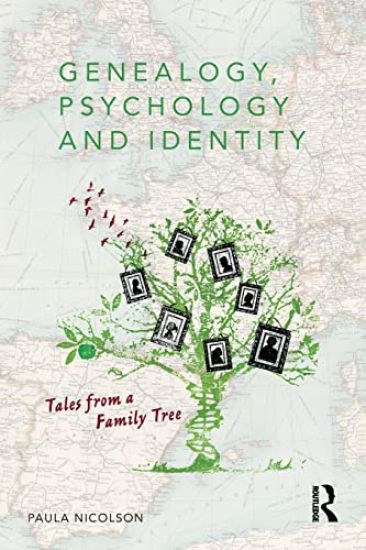
The popularity of amateur genealogy and family history has soared in recent times. Genealogy, Psychology and Identity explores this popular international pastime and offers reasons why it informs our sense of who we are, and our place in both contemporary culture and historical context. We will never know any of the people we discover from our histories in person, but for several reasons we recognize that their lives shaped ours. Paula Nicolson draws on her experiences tracing her own family history to show how people can connect with archival material, using documents and texts to expand their knowledge and understanding of the psychosocial experiences of their ancestors.Key approaches to identity and relationships lend clues to our own lives but also to what psychosocial factors run across generations. Attachment and abandonment, trusting, being let down, becoming independent, migration, health and money, all resonate with the psychological experiences that define the outlooks, personalities and the ways that those who came before us related to others.Nicolson highlights the importance of genealogy in the development of identity and the therapeutic potential of family history in cultivating well-being that will be of interest to those researching their own family tree, genealogists and counsellors, as well as students and researchers in social psychology and social history.
Work organizations are a major site of gender politics for professional women and men, and although there are more women in senior positions than ever before, these increased opportunities have not been gained without psychological consequences. Evidence-based and theoretically driven, the new edition of Gender, Power and Organization raises important questions about gender and power in the workplace, and the psychology of women’s advancement. Twenty years on from the first edition, it re-examines gender relations at work and asks why, despite many years of feminist critique and action, we are able to understand the dynamics of the workplace but fail to make them more representative. The struggles women face in professional and public life remain intense, not least because many men experience an increasing sense of threat to their long-term aspirations and professional positions.Using examples from recent research and the author's own consultancy experience, this important volume offers a fresh exploration of the psychology of gender and power at work, from the development of gender identities and roles, to explanations of bullying and sexual harassment in the organization. It offers an accessible survey of the subject for professional managers and students of leadership, psychology, management, sociology, gender, and women’s studies.
Work organizations are a major site of gender politics for professional women and men, and although there are more women in senior positions than ever before, these increased opportunities have not been gained without psychological consequences. Evidence-based and theoretically driven, the new edition of Gender, Power and Organization raises important questions about gender and power in the workplace, and the psychology of women’s advancement. Twenty years on from the first edition, it re-examines gender relations at work and asks why, despite many years of feminist critique and action, we are able to understand the dynamics of the workplace but fail to make them more representative. The struggles women face in professional and public life remain intense, not least because many men experience an increasing sense of threat to their long-term aspirations and professional positions.Using examples from recent research and the author's own consultancy experience, this important volume offers a fresh exploration of the psychology of gender and power at work, from the development of gender identities and roles, to explanations of bullying and sexual harassment in the organization. It offers an accessible survey of the subject for professional managers and students of leadership, psychology, management, sociology, gender, and women’s studies.
Anna has buried the memory of an horrendous rape when she was a student. Now she is a successful psychology professor. Suddenly her world collapses when she discovers that the man who raped her is going to be her new boss and he is trying to reconnect. This is a story of envy, betrayal and murder in the Ivory Tower. A campus noir novel.
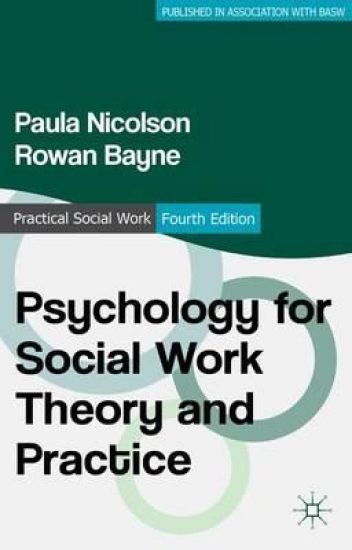
This new edition from a trusted author team bridges the gap between psychological theory and social work practice. Revisited and re-structured to reflect the changing social work context, it provides an authoritative introduction to the key ideas, skills and research from psychology and highlights their role within effective social work practice. Whether you are a student or a practitioner of social work, this book is a vital and practical resource that will enhance your knowledge, skills and practice. New to this Edition: - Includes content which is of relevance across a number of social work modules - Contains new chapters on reflection and the psychological context of social work organisations - A range of new pedagogical features that support the practical application of the book
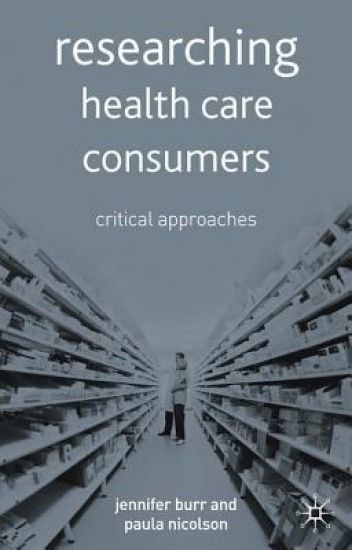
The NHS continues to undergo a series of reforms with an increasing emphasis on user 'choice' and 'empowerment' of health service users, with the requirement that all aspects of health care operate from an 'evidence' or 'knowledge' base. This text presents a variety of research methods that have been used to elicit users' views of health care, including health forums, public opinion surveys and focus groups. It provides a critical overview of key contemporary research issues and methodologies, and will be a valuable resource for anyone doing research with consumers of health services.
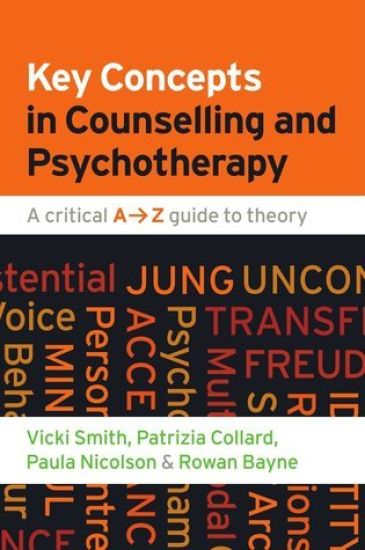
“This book provides a very good introduction to the key concepts and theories that inform and frame the current psychotherapeutic and counselling landscape. Each author has written on a selection of basic concepts as they are approached in their preferred therapeutic modality, resulting in an exciting and inclusive overview of both old and contemporary psychotherapeutic thought. In addition, each author is mindful of the importance of a critical appraisal of the various concepts and theories. Thus, this book will be extremely useful both for trainees and practitioners.” Dr Anastasios Gaitanidis, Senior Lecturer, University of Roehampton, London, UK“As well as being an invaluable source of knowledge about all aspects of counselling and psychotherapy, this book is a real pleasure to read. The authors have been able to capture the essence of ideas, traditions and key figures in a way that is accessible and a consistent source of delight and illumination. Highly recommended for anyone wishing to expand their psychotherapeutic horizons.”John McLeod, Emeritus Professor of Counselling, University of Abertay Dundee, UK“This book does what it says on the tin, it highlights the key concepts and theories in the field of counselling and psychotherapy. It is a systematic and encyclopaedic voyage of all the central constructs in the field. It is very well written, snappy and thorough, but more important, it serves a vital need of putting in one place all the theories and concepts needed by anyone interested in counselling and psychotherapy.”Cary L. Cooper, CBE, Professor of Organizational Psychology and Health, Lancaster University, UK and President of BACP“This is an invaluable guide for anyone wanting easily accessible information about counselling theory and practice. It will be as useful to trainees sitting as counsellors, as to experienced practitioners wanting to update their knowledge on the latest thinking.”Tim Bond, University of Bristol, UKThis helpful book offers a concise overview of core concepts within the four dominant approaches to counselling and psychotherapy: psychodynamic, humanistic-existential, cognitive behavioural and integrative. The book aims to assist you in developing your critical thinking and essay writing skills and includes:Over 140 entries, each between 500 and 1200 wordsCritical and engaging discussions of core conceptsBiographical sketches of leading theorists, including: Freud, Jung and RogersUsing the popular alphabetical format, Key Concepts in Counselling and Psychotherapy is an ideal first source for students with an essay on counselling theory to write, a case study to analyse, a belief or assumption to challenge, or a question to explore. It will also appeal to practitioners or academics wanting to refresh their knowledge of theory and research.
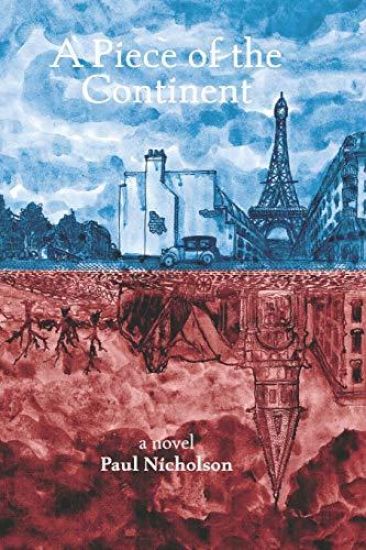
Paris 1925. The French economy is struggling in the aftermath of WWI. A single US dollar will buy a bottle of Champagne much to the delight of the expatriates who have flocked to the city in droves. When the body of a young American woman is found washed up on the banks of the Seine, Constable Arnaud Lepine is promoted from his dull desk job in the precinct to the ranks of Inspector to investigate for the simple reason he speaks English, a language he picked up serving with the Canadian forces the war. Complicating the case is a concern by the French government that the woman's death could create a scandal, sidetracking a secret request to the US for financial aid. A Piece of the Continent is not so much a detective story as an Odysseus-like journey as Arnaud, haunted by the lingering trauma of trench warfare makes his way through the streets of Montparnasse and the jazz clubs of Montmartre to find out who the girl is, and at the same time find his way back to his family. Along the way he meets up with Ernest Hemingway, Scott Fitzgerald, Gertrude Stein and a host of other writers, artists and musicians that made Paris of the 1920s so alive.
Work, Art and Health: A Journey Through Time is a beautifully illustrated book that takes readers on an excursion to explore the world of work and its effects on health by looking at works of art from the prehistoric to the present. The 100 selected works of art represent diverse occupations, artists, artistic movements, media and countries of origin. The journey starts in c.5500BCE with a Stone Age man collecting honey from a hive, and ends in 2021 with a hospital nurse wearing full PPE during the COVID pandemic. Other early works include examples of Cycladic, Minoan, Egyptian, Greek, and Roman Art. The Medieval Period is represented by mosaics, stained glass and manuscripts from Europe and a Song Dynasty silk scroll. Interest in rank and trades grew when printed books became widely available and again following the Industrial Revolution and the birth of Realism. The book includes examples of line drawings, enamels, preliminary sketches, oil paintings, watercolours, satirical drawings, lithographs, photographs, sculptures, magazine illustrations and posters. The book showcases works by famous artists and accomplished works by less well-known artists, and as a result is both visually varied and informative.
Fee bidding still generates emotive reactions from within many sections of the architectural profession. Fee bidding is not taught in most schools of architecture, so practitioners generally rely on hunches and guesswork. It is these wild card guesses, which exacerbate the poor levels of income for which the architectural profession is renowned. This book introduces practising architects, architectural managers and senior students, to the philosophy and practice of analytical estimating for fees. By means of a detailed case study it illustrates the many problems which may be encountered in the calculation of fees for professional services. It gives a step-by-step guide through the complexities of fee bidding and acts as a source of reference to successful bidding. A detailed discussion of the philosophy of design management and architectural management is developed as a backdrop to the preparation of a bid. It leads the reader through the mysteries of converting the calculation of a bid into a serious tender. This unique text is an essential guide for all practitioners, particularly those at the commencement of their careers and Part 3 students. Indeed it will be of importance to all constructional professionals who operate within a highly competitive market.
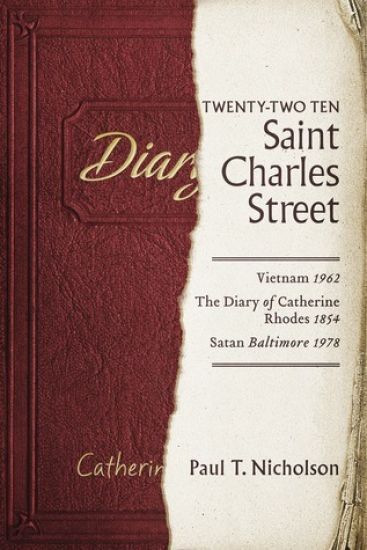
There's a private club in Baltimore that's run by witches and worships the devil. The clientele are very rich, famous people who get off on kinky things. It's Halloween and Phillip witnessed something he wasn't supposed to see; he wasn't supposed to be there. A SACRIFICE. Now he's scared, what will he do? Author Biography: Paul Nicholson is a native of Baltimore, Maryland. He learned about Satanism while involved in a long-term relationship with a woman, who he discovered was a witch and frequently visited a club in downtown Baltimore. Over time he learned that the club was a private organization whose clientele were very famous and wealthy people who practiced witchcraft and worshiped the devil. Intrigued with the secrecy that surrounded the club he decided to learn about Satanism, witchcraft and the occult. He read through newspaper articles, published FBI reports on satanic cults, and spent hours researching in libraries and occult bookstores. This journey led him into an underground system that few people realized existed. After the relationship ended, Paul and his son from an earlier marriage, moved to San Francisco, California, where he settled into a home near Golden Gate Park. There, he decided to write about his experiences with ‘Twenty Two Ten Saint Charles Street.'
There's a private club in Baltimore that's run by witches and worships the devil. The clientele are very rich, famous people who get off on kinky things. It's Halloween and Phillip witnessed something he wasn't supposed to see; he wasn't supposed to be there. A SACRIFICE. Now he's scared, what will he do? Author Biography: Paul Nicholson is a native of Baltimore, Maryland. He learned about Satanism while involved in a long-term relationship with a woman, who he discovered was a witch and frequently visited a club in downtown Baltimore. Over time he learned that the club was a private organization whose clientele were very famous and wealthy people who practiced witchcraft and worshiped the devil. Intrigued with the secrecy that surrounded the club he decided to learn about Satanism, witchcraft and the occult. He read through newspaper articles, published FBI reports on satanic cults, and spent hours researching in libraries and occult bookstores. This journey led him into an underground system that few people realized existed. After the relationship ended, Paul and his son from an earlier marriage, moved to San Francisco, California, where he settled into a home near Golden Gate Park. There, he decided to write about his experiences with ‘Twenty Two Ten Saint Charles Street.'
TOGETHER FOR THE FIRST TIME, BOTH OF NICHOLSON BAKER S BRILLIANT NOVELS FEATURING BELOVED HERO AND POET PAUL CHOWDER A New York Times notable book and a national bestseller, Nicholson Baker s The Anthologist introduces his quirkiest and most unforgettable protagonist yet, the erudite, unpretentious, and often hilarious (The New Yorker) Paul Chowder. Chowder really needs to write an introduction to his new anthology of verse, Only Rhyme it s the first work his editor has sent him in months but he s having a hard time getting started. Not only is his career floundering, but his girlfriend, Roz, just moved out. Perhaps unsurprisingly, Chowder can t keep his mind from drifting to the sufferings of the great poets, from Tennyson and Yeats to Roethke, Merwin, to every poet who s been published in The New Yorker. As he ponders the strange power and musicality of language, and adjusts to his newly single life, Chowder s introduction slowly but surely begins to take shape. A wholly entertaining and beguiling love story, and the first novel in the chronicles of Paul Chowder which is followed by Traveling Sprinkler in this same volume The Anthologist is a loving and superbly witty homage to poetryand to life (The Boston Globe)."