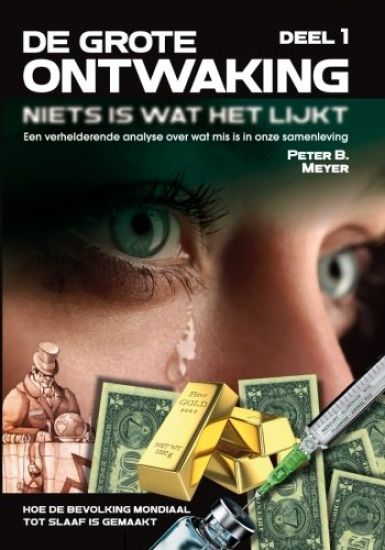
Een leerzaam overzicht over wat mis is in onze samenleving. De ONTWAKING is precies dat Auteur Peter B. Meyer maakt het bescheiden duidelijk dat, tenzij wij als verantwoordelijke volwassenen nu geen actie ondernemen, de impact op onszelf, onze kinderen en toekomstige generaties onomkeerbaar zal zijn en niets minder dan rampzalig. Welke impact? Het antwoord is onheilspellend verreikend, waaronder sociaaleconomische, educatieve, culturele en ecologische aspecten. Wat de boodschap van Peter hard maakt, is dat dit niet alleen maar theoretiseren is, maar bestaat uit harde feiten die worden ondersteund door statistieken en verwijzingen naar alternatieve vakliteratuur, websites, tijdschriften en rapporten. Bijvoorbeeld: het gezin is het fundament en de hoeksteen van de structuur van onze civilisatie. Geen ander instituut in de afgelopen zestig jaar is zo grondig verwaarloosd als het 'nest' waarin onze kinderen worden geboren, verzorgd en opgeleid. Bedenk, dat de Geheime Regering opzettelijk de gezinsstructuur vernietigt en de drugscultuur gebruikt voor eigen gewin, om geheime operaties te financieren zoals o.a. terroristische aanslagen. Aangezien eenoudergezinnen steeds meer de norm worden, welke impact heeft deze trend dan op kinderen? Het antwoord is angstaanjagend, nog meer als de economie erbij wordt betrokken. Dit boek behandelt diverse afzonderlijke onderwerpen zoals sociale aspecten, het op schuld gebaseerd monetair systeem, geopolitieke veranderingen, financi le manipulatie en een verscheidenheid aan andere economische domeinen, de verzorgingsstaat met haar 'van de wieg tot het graf' subsidieprogramma's en de opzettelijk gemanipuleerde markten zijn doelbewust de oorzaak van de wereldomspannende economische crisis, dat alom leidt tot het faillissement van overheden in de ge ndustrialiseerde wereld. Het publiek moet duidelijk worden uitgelegd dat hun overheid frauduleus is, leugens en bedrog verspreidt. Dat dringend bestuursverandering vereist is, de noodzaak van een 'zelfhulp' economie en vrije markt van vraag en aanbod - waarbij persoonlijk initiatief, zeggenschap, en zorg de hoofdingredi nten zijn om het bestaande systeem te vervangen. Mensen moeten begrijpen dat oorlogen tientallen jaren van tevoren worden gepland en worden georkestreerd om de vernietiging van naties te bereiken, ontvolking, demoralisatie en natuurlijk macht en winst te behalen voor de 1% superrijken. Om diezelfde reden zijn nu alle naties van de wereld biljoenen verschuldigd aan de private Centrale Banken, als gevolg van het geld dat ze voor de kosten van papier en inkt hebben gedrukt en uitgeleend tegen rente. Zodoende is een onzichtbare dictatuur gevestigd, met behulp van geavanceerde methoden van sociale en mentale controle. Dit is tevens ook de ware betekenis van de 'Oorlog tegen Terroristen'. Het is niet gericht op 'moslimterroristen'. Het is gericht op jou en mij. Ze cre ren hongersnood, oorlogen, geruchten over oorlog, terwijl wij mensen niet langer de vrijheid hebben die we ooit hebben bezeten. De eerste stap naar wereldwijde verbetering is het afschaffen van alle centrale banken, met het niet-gesteunde monetaire systeem, de centrale planning en het fractioneel reservebankieren. Dan zal het leven op aarde zoals tot op heden wordt ervaren snel veel beter worden. In dit boek analyseert de auteur niet alleen het scenario, somber als het is, maar stelt gelukkig ook de remedie voor.
Peter B. Meyer; Oleksandr Sushchenko; Zehra Yakut; Paolo Bertoldi; Reimund Schwarze; Benjamin Leffel; Pedro Ninô de Carvalho; Ahmad Garba Khaleel; Joyce Coffee; Jesse M. Keenan
While global financial capital is abundant, it flows into corporate investments and real estate rather than climate change actions in cities. Political will and public pressure are crucial to redirecting funds. Studies of economic impacts underestimate the costs of climate disasters, especially in cities, so they undermine political commitments while understating potential climate-related returns. The shift of corporate approaches towards incorporating environmental, social, and governance (ESG) impacts offers promise for private-sector climate investments but are recently contested. Institutional barriers remain at all levels, particularly in African cities. Since the Global North controls the world's financial markets, new means of increasing funding for the Global South are needed, especially for adaptation. Innovative financial instruments and targeted use of environmental insurance tools can upgrade underdeveloped markets and align urban climate finance with ESG frameworks. These approaches, however, require climate impact data collection, programs to improve cities' and countries' creditworthiness, and trainings. This title is also available as open access on Cambridge Core.
Peter B. Meyer; Oleksandr Sushchenko; Zehra Yakut; Paolo Bertoldi; Reimund Schwarze; Benjamin Leffel; Pedro Ninô de Carvalho; Ahmad Garba Khaleel; Joyce Coffee; Jesse M. Keenan
While global financial capital is abundant, it flows into corporate investments and real estate rather than climate change actions in cities. Political will and public pressure are crucial to redirecting funds. Studies of economic impacts underestimate the costs of climate disasters, especially in cities, so they undermine political commitments while understating potential climate-related returns. The shift of corporate approaches towards incorporating environmental, social, and governance (ESG) impacts offers promise for private-sector climate investments but are recently contested. Institutional barriers remain at all levels, particularly in African cities. Since the Global North controls the world's financial markets, new means of increasing funding for the Global South are needed, especially for adaptation. Innovative financial instruments and targeted use of environmental insurance tools can upgrade underdeveloped markets and align urban climate finance with ESG frameworks. These approaches, however, require climate impact data collection, programs to improve cities' and countries' creditworthiness, and trainings. This title is also available as open access on Cambridge Core.
Contaminated land policy is a key concern of governments and policy makers across the globe, yet discussion has traditionally focused on the particular experience of the United States. This major new book develops a framework for assessing laws and regulations regarding contaminated land and polluted properties, their clean up and reuse, and the assignment of costs and responsibilities for reclamation.In Contaminated Land, the authors, a European and two Americans, lay out a framework for cross- national comparisons of policy contexts as well as ways of examining the outcomes of different approaches to contaminated land and systematically compare approaches to this issue in both the EU and US. The use of this framework leads to a reassessment of specific policies, such as the polluter pays principle, which may be more successful in the EU than it has been in the US, and subsidiarity which, while problematic in Europe, may hold promise in a US application. Specific issues discussed include the nature and extent of the contaminated land problem, legal implications, regulation in the US, the 1980 Comprehensive Environmental Liability, Compensation and Reclamation Act, European experience and EU environmental policy, integrated comparative analysis and some lessons for the future.Contaminated Land offers valuable insights on policy responses to the problem of badly polluted land from the perspectives of planning, economics and sociology. In particular, this volume offers frameworks for comparison of different national settings to help determine the preferred and most promising approaches to contaminated land in any social, economic and legal policy context.
Saint Peter was a crucial figure in early Christianity; as one of the Twelve Apostles of Jesus Christ, he oversaw the formal establishment of the early church and became the first Bishop of Rome. Peter's formative years were spent as a fisherman. It was here that the purpose of his disciple status was unveiled: Peter was to become a 'fisher of men'; helping others believe in the Lord. These and other events are told in this biography, which investigates the ways in which Peter sought to enlighten and catch souls of men, that they be set on a righteous path to God and the Holy Spirit. Peter's humble beginnings soon transform through his pursuit of God; he accompanies Jesus as one of his twelve apostles, and is listed foremost among them in all sources. His spiritual guidance and devotion to the mission of Christ has great bearing on the foundation of the Christian church; Peter also witnessed the Resurrection of Jesus first-hand, and delivered some of the first sermons following this revelatory event.
Davidson's Diabetes Mellitus provides the most current information for the clinical care of patients with diabetes. The fifth edition has been significantly revised to reflect the rapidly expanding body of knowledge on the treatment of diabetes. The new edition has been expanded to include chapters on medical nutrition therapy, insulin resistance and macrovascular disease, and diabetes in children. The new edition also includes findings from the United Kingdom Prospective Diabetes Study and updates on treatment options, including newer insulin analogs, recently approved medications, and combination therapies. Medical Nutrition Therapy Macrovascular Complications in the Insulin Resistance Syndrome and Type 2 Diabetes Diabetes in Management in Children and Adolescents Study design, findings, and clinical implications of the United Kingdom Prospective Diabetes Study trial new medications with descriptions and explanations of their clinical use combination therapy, particularly in type 2 diabetes Addresses contemporary concerns such as sexual function and psychological implications. Provides step-by-step guidance to the management of diabetic patients and their concerns from travel to hygiene to weight control. Provides worksheets & handouts making it a comprehensive guide for patient education. Completely updated list of diabetic resources
Professor Peter B. Golden, Professor Emeritus of History, Turkish and Middle Eastern Studies at Rutgers University, is an outstanding historian and orientalist in the field of medieval Eurasian studies. His achievement regarding the history of the Turkic speaking peoples and the medieval history of Eastern Europe is fundamental. Osman Karatay and Istvan Zimonyi have edited the Festschrift in which 32 leading experts from all over the world have paid tribute to Peter B. Golden's scientific achievement. Among the authors are Thomas Allsen, Farda Asadov, Christopher I. Beckwith, Edmund Bosworth, Eva A. Csato and Lars Johanson, Devin DeWeese, Anatoly M. Khazanov, Roman Kovalev, Ruth Meserve, Uli Shamiloglu, Victor Spinei, Isenbike Togan, and Istvan Vasary.
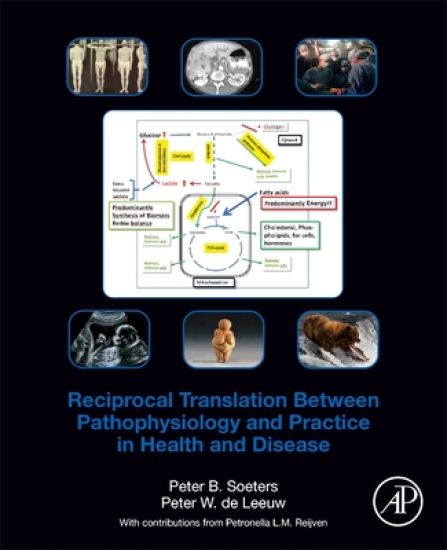
Reciprocal Translation Between Pathophysiology and Practice in Health and Disease brings a novel perspective, closing the knowledge gap between normal/abnormal physiology. Chapters describe the basic mechanisms underlying a disease or trauma-related response, describe consequences in practice, and provide insights on how to use information to better understand disease outcomes. Other sections explore how these responses are beneficial and driven by similar hormones and inflammatory immune cell derived modulators. This is a must-have resource for those seeking an authoritative and comprehensive understanding on how to treat the basic mechanisms underlying disease or trauma-related responses. With contributions from Petronella L.M. Reijven.
Applied psychology in work settings has made considerable progress in the 30 years since the original version of this book was published. This new collection of essays aims to illustrate both the empirical and practical richness of the field as wellas its theoretical development. The chapters cover psychological processes, the study of groups and workteams, and the nature of complex organizations as a whole. Reflecting recent developments in psychology as well as society generally, topics range from skill and workload, shiftwork, personnel selection, training and careers, and the effects of new technology, leadership and management, to job stress and well-being, women in employment, corporate culture and processes of organizational change.
The incredible tale of how ambitious oil rivals Marcus Samuel, Jr. and Henri Deterding joined forces to topple the Standard Oil empire Marcus Samuel, Jr., is an unorthodox Jewish merchant trader. Henri Deterding is a take-no-prisoners oilman. In 1889, John D. Rockefeller is at the peak of his power. Having annihilated all competition and possessing near-total domination of the market, even the U.S. government is wary of challenging the great "anaconda" of Standard Oil. The Standard never loses--that is until Samuel and Deterding team up to form Royal Dutch Shell. A riveting account of ambition, oil, and greed, Breaking Rockefeller traces Samuel's rise from outsider to the heights of the British aristocracy, Deterding's conquest of America, and the collapse of Rockefeller's monopoly. The beginning of the twentieth century is a time when vast fortunes were made and lost. Taking readers through the rough and tumble of East London's streets, the twilight turmoil of czarist Russia, to the halls of the British Parliament, and right down Broadway in New York City, Peter Doran offers a richly detailed, fresh perspective on how Samuel and Deterding beat the world's richest man at his own game. "Gripping . . . timely . . . a vivid reminder of the dangers of monopolies, and of the merits of no-holds barred competition and technological upheaval." --The Economist
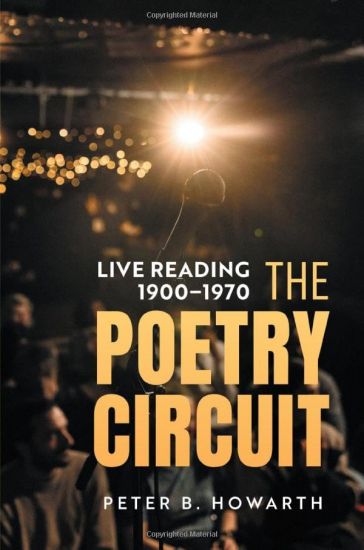
Live performance has changed poetry more than anything else in the last hundred years: it has given poets new audiences and a new economy, and it has generated new styles, from Imagism, to confessional, to contemporary Spoken Word. But the creative impact that public reading had right through the twentieth century has not been well understood. Mixing close listening to archive performances with intimate histories of modernist venues and promotors, The Poetry Circuit tells the story of how poets met their audience again, and how the feedback loops between their voices, the venues, and the occasions turned poems into running dramas between poet and listener. A nervous T. S. Eliot reveals himself to be anything but impersonal, while Marianne Moore's accident-prone readings become subtle ways of keeping her poems in constant re-draft. Robert Frost used his poems to spar with his fans and rivals, while Langston Hughes wrote Ask Your Mama to expose the prejudice circulating in the room as he spoke it. The Poetry Circuit also shows how the post-war reading boom made new kinds of poetry involving their audience and setting in the performance, such as John Ashbery's anti-charismatic Poets' Theatre, Amiri Baraka's documentary soundtracks of the streets, or the confessional readings of Allen Ginsberg, which shame the listeners more than the poet. Covering the first seventy years of the poetry reading, The Poetry Circuit demonstrates that there never were 'page' and 'stage' poets: the reading simply changed what every modern poet could do.
This book deals with critical issues resulting from the impact of corporate restructuring on workers. U.S. industry has undergone a shakeout resulting from increasing competitive pressures and the globalization of production. As a result, some two million workers have been laid-off from their employers. Individual chapters have been drafted by an interdisciplinary group of academics who explore seven key areas: demographic changes of younger and older workers, workforce displacement from lay-offs, human resources planning for downsizing and mergers, technological change, changes in the roles of unions, changes in managerial and professional work, and `contingent' and flexible employment. The drafts of the chapters have been extensively edited and, in some cases, rewritten so that the book will read more like a series of chapters than a group of papers. The work was commissioned by the National Planning Association who will be a party to the contract.
This is a new edition of the book previously titled Solute Movement in the Soil-Root System, and describes in detail how plant nutrients and other solutes move in the soil in response to plant uptake. It provides a basis for understanding processes in the root zone so that they can be modelled realistically in order to predict the effects of variations in natural conditions or our own practices. The new edition brings the text up-to-date, and it will be less technical.
This book gives the findings of a concise study of start-up factories in the United States by Japanese companies. This in-depth look at this increased phenomenon discusses not only the quality of jobs these factories produce, but it also expands to reveal their keys to success in achieving a strong competitive advantage. Finally, this volume gives the four inter-related strategies ( high performance management strategy, the economics of efficient wages, the quality of technology plants and regional economic development) that make for successful, high performance factories.
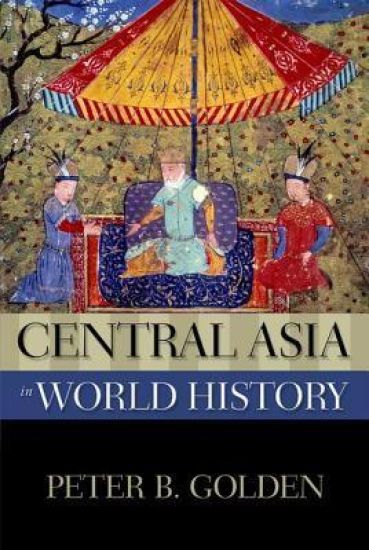
A vast region stretching roughly from the Volga River to Manchuria and the northern Chinese borderlands, Central Asia has been called the "pivot of history," a land where nomadic invaders and Silk Road traders changed the destinies of states that ringed its borders, including pre-modern Europe, the Middle East, and China. In Central Asia in World History, Peter B. Golden provides an engaging account of this important region, ranging from prehistory to the present, focusing largely on the unique melting pot of cultures that this region has produced over millennia. Golden describes the traders who braved the heat and cold along caravan routes to link East Asia and Europe; the Mongol Empire of Chinggis Khan and his successors, the largest contiguous land empire in history; the invention of gunpowder, which allowed the great sedentary empires to overcome the horse-based nomads; the power struggles of Russia and China, and later Russia and Britain, for control of the area. Finally, he discusses the region today, a key area that neighbors such geopolitical hot spots as Iran, Afghanistan, Pakistan, and China.