Kirjahaku
Etsi kirjoja tekijän nimen, kirjan nimen tai ISBN:n perusteella.
1000 tulosta hakusanalla Phillip James Grismer


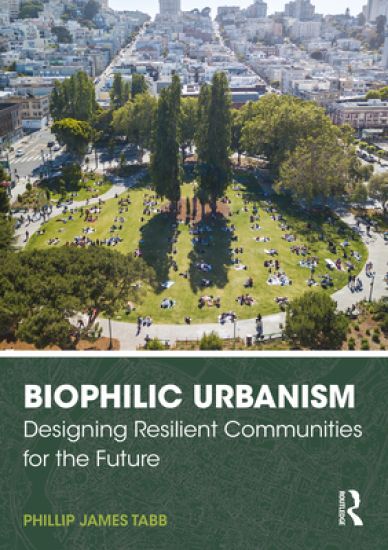
Biophilic Urbanism provides readers with the tools to create more nature-based urban environments that are climate positive, sustainable, and healthy. The principles of biophilia are intended to support appreciation and direct engagement with nature, to responsibly utilize on-site natural resources, and to plan according to climatic conditions and local ecological processes. It seeks to create resilient and equitable human places capable of providing critical life-support functions and a strong sense of community, and to foster experiences that raise the human spirit creating a sense of awe. Twenty-five pattern attributes are defined and explored, each of which contributes to these goals. Because of the dire necessity to respond to the COVID-19 pandemic, Biophilic Urbanism includes discussion of our need for connections, both to nature and one another, and the physical characteristics of cities and buildings relative to the contagious qualities of the air-borne virus. Case studies, found throughout the world, are presented illustrating detailed biophilic planning and design strategies. The book will be of use to practitioners and students in the fields of natural and social sciences, behavioral science and psychology, environmental engineering, health and wellness professionals, architecture, landscape architecture, interior architecture, and planning.

Biophilic Urbanism provides readers with the tools to create more nature-based urban environments that are climate positive, sustainable, and healthy. The principles of biophilia are intended to support appreciation and direct engagement with nature, to responsibly utilize on-site natural resources, and to plan according to climatic conditions and local ecological processes. It seeks to create resilient and equitable human places capable of providing critical life-support functions and a strong sense of community, and to foster experiences that raise the human spirit creating a sense of awe. Twenty-five pattern attributes are defined and explored, each of which contributes to these goals. Because of the dire necessity to respond to the COVID-19 pandemic, Biophilic Urbanism includes discussion of our need for connections, both to nature and one another, and the physical characteristics of cities and buildings relative to the contagious qualities of the air-borne virus. Case studies, found throughout the world, are presented illustrating detailed biophilic planning and design strategies. The book will be of use to practitioners and students in the fields of natural and social sciences, behavioral science and psychology, environmental engineering, health and wellness professionals, architecture, landscape architecture, interior architecture, and planning.
Elemental Architecture presents a new and refreshing approach to sustainable architectural practice. Going beyond the standard performance-based and quantitative sustainable measures, it incorporates a broader framework of considerations, including the more poetic and noetic possibilities of environmental design. The book is structured around the ancient Greek and medieval alchemists’ system of the Five Temperaments: fire, earth, air, water, and ether. Phillip James Tabb examines how these elements produce both positive and negative environmental forces which have an impact on architectural design – from drinking water and fresh air to torrential floods and tornados. He shows how responding to or enhancing these forces can help us to create a more sustainable, healthy, and purposeful architecture. To illustrate this, each chapter draws on seminal contemporary works of architecture, from Peter Zumthor’s Bruder-Klaus Field Chapel to Frank Lloyd Wright’s masterpiece at Fallingwater. These examples are accompanied by over a hundred high-quality illustrations. Expanding the discussion of sustainability to include phenomenological as well as qualitative considerations, Elemental Architecture is ideal for students and researchers with an interest in sustainable architecture and architectural theory.
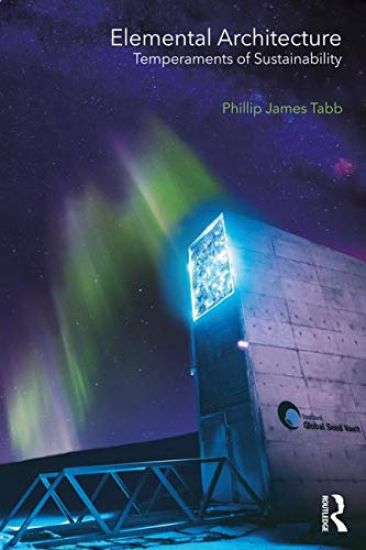
Elemental Architecture presents a new and refreshing approach to sustainable architectural practice. Going beyond the standard performance-based and quantitative sustainable measures, it incorporates a broader framework of considerations, including the more poetic and noetic possibilities of environmental design. The book is structured around the ancient Greek and medieval alchemists’ system of the Five Temperaments: fire, earth, air, water, and ether. Phillip James Tabb examines how these elements produce both positive and negative environmental forces which have an impact on architectural design – from drinking water and fresh air to torrential floods and tornados. He shows how responding to or enhancing these forces can help us to create a more sustainable, healthy, and purposeful architecture. To illustrate this, each chapter draws on seminal contemporary works of architecture, from Peter Zumthor’s Bruder-Klaus Field Chapel to Frank Lloyd Wright’s masterpiece at Fallingwater. These examples are accompanied by over a hundred high-quality illustrations. Expanding the discussion of sustainability to include phenomenological as well as qualitative considerations, Elemental Architecture is ideal for students and researchers with an interest in sustainable architecture and architectural theory.

What makes the places we inhabit extraordinary? Why are some urban spaces more vital and restorative? Wonderful landscapes, inspiring works of architecture and urban design, and the numinous experiences that accompany them have been an integral dimension of our culture. Up-lifting spaces, dramatic use of natural light, harmonic proportional geometry, magical landscapes, historic sites and vital city centers create special, even sacred moments in architecture and planning. This quality of experience is often seen as an aesthetic purpose intended to inspire, ennoble, ensoul and spiritually renew. Architecture and urban spaces, functioning in this way, are considered to be thin places.

What makes the places we inhabit extraordinary? Why are some urban spaces more vital and restorative? Wonderful landscapes, inspiring works of architecture and urban design, and the numinous experiences that accompany them have been an integral dimension of our culture. Up-lifting spaces, dramatic use of natural light, harmonic proportional geometry, magical landscapes, historic sites and vital city centers create special, even sacred moments in architecture and planning. This quality of experience is often seen as an aesthetic purpose intended to inspire, ennoble, ensoul and spiritually renew. Architecture and urban spaces, functioning in this way, are considered to be thin places.
Wellness Architecture and Urban Design
Phillip James Tabb; Lahra Tatriele
TAYLOR FRANCIS LTD
2024
nidottu
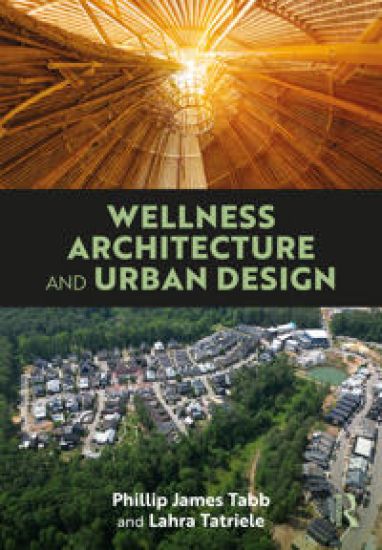
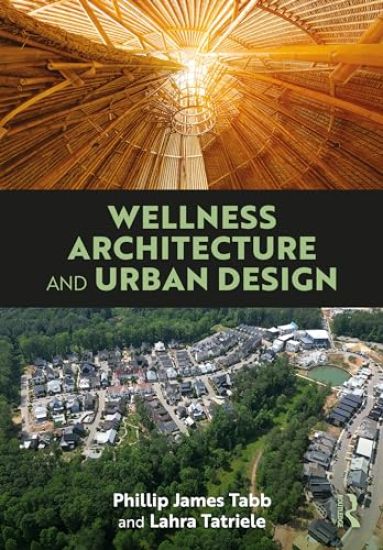
Wellness is a contemporary concept with deep ancient roots promoting preventative and holistic activities, lifestyle choices, and salient architecture and urban design practices. Wellness Architecture and Urban Design presents definitions, an analysis of the wellness literature, and a brief history of the wellness movement. Specific planning and design strategies are presented citing examples worldwide and emphasizing the importance of wellness considerations at all scales of the built environment from rooms to cities. Both case studies offer fully integrated and comprehensive wellness design approaches creating resilient and life-enhancing wellness through each of the architecture and urban design scales. The book will be of interest to practitioners and students working in urban design, landscape architecture, architecture, planning, and affiliated fields.
Wellness Architecture and Urban Design
Phillip James Tabb; Lahra Tatriele
TAYLOR FRANCIS LTD
2024
sidottu
Wellness is a contemporary concept with deep ancient roots promoting preventative and holistic activities, lifestyle choices, and salient architecture and urban design practices. Wellness Architecture and Urban Design presents definitions, an analysis of the wellness literature, and a brief history of the wellness movement. Specific planning and design strategies are presented citing examples worldwide and emphasizing the importance of wellness considerations at all scales of the built environment from rooms to cities. Both case studies offer fully integrated and comprehensive wellness design approaches creating resilient and life-enhancing wellness through each of the architecture and urban design scales. The book will be of interest to practitioners and students working in urban design, landscape architecture, architecture, planning, and affiliated fields.
Imagine a world where buildings and cities actively nurture our well-being, not just physically but spiritually. There is a growing awareness of the need for a more inclusive and comprehensive approach to wellness strategies in everyday life. This book explores spiritual wellness as a foundational attribute of urban planning and design with the hope of influencing a more flourishing trajectory of development with the built environment. Chapters reflect the beginning of this evolving movement in home and community design that tackles our uniquely modern problems of sedentary lives, unhealthy diets, stress, social isolation, pollution, nature deprivation, and inaccessibility to spiritually nurturing places. The attributes of spiritual wellness are presented as defining characteristics informing design strategies. These specific planning and design strategies are presented through case studies from around the globe that highlight the importance of spiritual wellness considerations at all scales of the built environment, from rooms to cities. This book is essential to help architects, planners, designers, engineers, healthcare providers, project stakeholders, and graduate students embrace and implement a successful wellness design approach.
Imagine a world where buildings and cities actively nurture our well-being, not just physically but spiritually. There is a growing awareness of the need for a more inclusive and comprehensive approach to wellness strategies in everyday life. This book explores spiritual wellness as a foundational attribute of urban planning and design with the hope of influencing a more flourishing trajectory of development with the built environment. Chapters reflect the beginning of this evolving movement in home and community design that tackles our uniquely modern problems of sedentary lives, unhealthy diets, stress, social isolation, pollution, nature deprivation, and inaccessibility to spiritually nurturing places. The attributes of spiritual wellness are presented as defining characteristics informing design strategies. These specific planning and design strategies are presented through case studies from around the globe that highlight the importance of spiritual wellness considerations at all scales of the built environment, from rooms to cities. This book is essential to help architects, planners, designers, engineers, healthcare providers, project stakeholders, and graduate students embrace and implement a successful wellness design approach.

Placemaking Through Myths, Experience, and Drawing
Phillip James Tabb
TAYLOR FRANCIS LTD
2026
nidottu
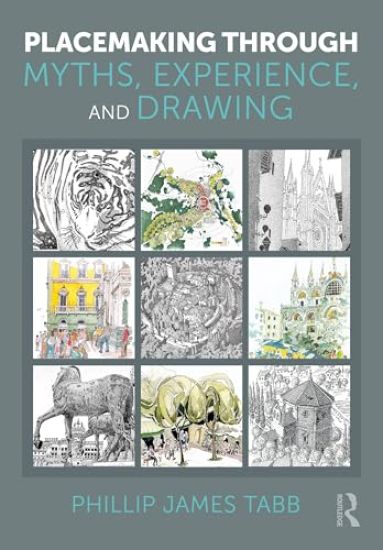
This book reveals the profound connections between placemaking, drawing, mythology, and experience as focused on creating vital and meaningful places through the process of drawing. By delving into these concepts, Tabb explores how we can unlock powerful tools for designers, architects, planners, and communities. Exploring ancient stories, embarking on journeys to historic places, and cultivating the art of drawing, six different drawing techniques are covered, including in-situ sketching, studio enhanced drawing, mythic landscapes, diagrams, watercolors, and conceptual masterplans. These drawing techniques relate to dwelling by showcasing a range of experiences including becoming more present, capturing immediate impressions, and envisioning future developments. By analyzing these drawings, planners and designers can learn from the featured places, architectural examples and best design practices, gaining practical insights into the complex interplay of factors that contribute to successful placemaking. This book is based upon research and drawing completed by the author over the past twenty-five years. This book is essential for practitioners, designers, and students interested in concepts of place, myths, experience, and drawing.
Placemaking Through Myths, Experience, and Drawing
Phillip James Tabb
TAYLOR FRANCIS LTD
2026
sidottu
This book reveals the profound connections between placemaking, drawing, mythology, and experience as focused on creating vital and meaningful places through the process of drawing. By delving into these concepts, Tabb explores how we can unlock powerful tools for designers, architects, planners, and communities. Exploring ancient stories, embarking on journeys to historic places, and cultivating the art of drawing, six different drawing techniques are covered, including in-situ sketching, studio enhanced drawing, mythic landscapes, diagrams, watercolors, and conceptual masterplans. These drawing techniques relate to dwelling by showcasing a range of experiences including becoming more present, capturing immediate impressions, and envisioning future developments. By analyzing these drawings, planners and designers can learn from the featured places, architectural examples and best design practices, gaining practical insights into the complex interplay of factors that contribute to successful placemaking. This book is based upon research and drawing completed by the author over the past twenty-five years. This book is essential for practitioners, designers, and students interested in concepts of place, myths, experience, and drawing.
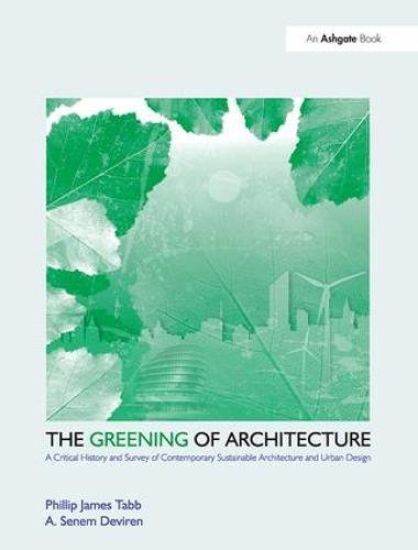
Contemporary architecture, and the culture it reflects dependent as it is on fossil fuels, has contributed to the cause and necessity of a burgeoning green process that emerged over the past half century. This text is the first to offer a comprehensive critical history and analysis of the greening of architecture through accumulative reduction of negative environmental effects caused by buildings, urban designs and settlements. Describing the progressive development of green architecture from 1960 to 2010, it illustrates how it is ever evolving and ameliorated through alterations in form, technology, materials and use and it examines different places worldwide that represent a diversity of cultural and climatic contexts. The book is divided into seven chapters: with an overview of the environmental issues and the nature of green architecture in response to them, followed by an historic perspective of the pioneering evolution of green technology and architectural integration over the past five decades, and finally, providing the intransigent and culturally pervasive current examples within a wide range of geographic territories. The greening of architecture is seen as an evolutionary process that is informed by significant world events, climate change, environmental theories, movements in architecture, technological innovations, and seminal works in architecture and planning throughout each decade over the past fifty years. This time period is bounded on one end by the awareness of environmental problems beginning in the 1960's, the influential texts by Rachel Carson, E.F. Schumacher, Buckminster Fuller and Steward Brand, and the impact of the OPEC Oil Embargo of 1973, and on the other end the pervasiveness of the necessary greening of architecture that includes, systemic reforms in architectural and urban design, land use planning, transportation, agriculture, and energy production found in the 2000's. The greening process moves from remediation to holistic

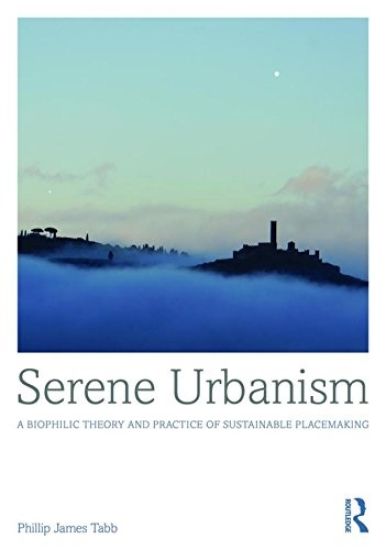
Serenity is becoming alarmingly absent from our daily existence, especially within the urban context. Time is dense and space is tumultuous. The idea of the serene has gained currency in postmodern discussions, and when combined with urbanism conjures questions, even contradictions, as the two ideas seem improbable yet their correspondence seems so inherently desirable. Integrated, these two constructs present design challenges as they manifest in differing ways across the rural–urban transect. In response, Part I of this book establishes the theoretical framework through different contemporary perspectives, and concludes with a clear explanation of a theory of serene urbanism. The positive characteristics of urbanism and beneficial qualities of the serene are explored and related to sustainability, biophilia, placemaking and environmental design. Both principles and examples are presented as compelling portraits for the proposal of these new urban landscapes. Part II of the work is an in-depth exploration and analysis of serene urban ideas related to the intentional community being created outside of Atlanta, Georgia, USA. "Serenbe" is the name given to this place to commemorate the value and nuance between the serene and urban.
The Greening of Architecture
Phillip James Tabb; A. Senem Deviren
Ashgate Publishing Limited
2014
nidottu
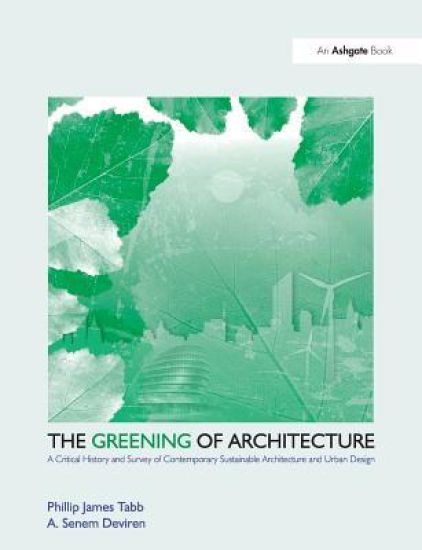
Contemporary architecture, and the culture it reflects dependent as it is on fossil fuels, has contributed to the cause and necessity of a burgeoning green process that emerged over the past half century. This text is the first to offer a comprehensive critical history and analysis of the greening of architecture through accumulative reduction of negative environmental effects caused by buildings, urban designs and settlements. Describing the progressive development of green architecture from 1960 to 2010, it illustrates how it is ever evolving and ameliorated through alterations in form, technology, materials and use and it examines different places worldwide that represent a diversity of cultural and climatic contexts. The book is divided into seven chapters: with an overview of the environmental issues and the nature of green architecture in response to them, followed by an historic perspective of the pioneering evolution of green technology and architectural integration over the past five decades, and finally, providing the intransigent and culturally pervasive current examples within a wide range of geographic territories. The greening of architecture is seen as an evolutionary process that is informed by significant world events, climate change, environmental theories, movements in architecture, technological innovations, and seminal works in architecture and planning throughout each decade over the past fifty years. This time period is bounded on one end by the awareness of environmental problems beginning in the 1960's, the influential texts by Rachel Carson, E.F. Schumacher, Buckminster Fuller and Steward Brand, and the impact of the OPEC Oil Embargo of 1973, and on the other end the pervasiveness of the necessary greening of architecture that includes, systemic reforms in architectural and urban design, land use planning, transportation, agriculture, and energy production found in the 2000's. The greening process moves from remediation to holistic models of architecture. Geographical landscapes give a global account of the greening process where some examples are parallel and sympathetic, and others are in clear contrast to one another with very individuated approaches. Certain events, like the Rio Summit in 1992 and Kyoto Protocol in 1997, and themes, such as the Hannover Principles in 2000, provide a dynamic ideological critique as well as a formal and technical discussion of the embodied and accumulative content of greening principles in architecture.
Serenity is becoming alarmingly absent from our daily existence, especially within the urban context. Time is dense and space is tumultuous. The idea of the serene has gained currency in postmodern discussions, and when combined with urbanism conjures questions, even contradictions, as the two ideas seem improbable yet their correspondence seems so inherently desirable. Integrated, these two constructs present design challenges as they manifest in differing ways across the rural–urban transect. In response, Part I of this book establishes the theoretical framework through different contemporary perspectives, and concludes with a clear explanation of a theory of serene urbanism. The positive characteristics of urbanism and beneficial qualities of the serene are explored and related to sustainability, biophilia, placemaking and environmental design. Both principles and examples are presented as compelling portraits for the proposal of these new urban landscapes. Part II of the work is an in-depth exploration and analysis of serene urban ideas related to the intentional community being created outside of Atlanta, Georgia, USA. "Serenbe" is the name given to this place to commemorate the value and nuance between the serene and urban.