A comprehensive assessment of the influence Joyce's interest in medicine had on his work. This is the first sustained study of Joyce's artistic uses of turn-of-the-century medical discourses. It balances close readings of Joyce's major texts with thorough archival research into late nineteenth- and early twentieth-century medical debates. The result is a fascinating book that details the ways in which Joyce reconciled, integrated, and blurred the boundaries between scientific and humanist learning.
James Joyce's interest in medicine has been well established -- he attempted to embark on medical studies no fewer than three times--but a comprehensive assessment of the influence his interest in medicine had on his work has been lacking until now. Joyce, Medicine, and Modernity fills that gap as the first sustained study of Joyce's artistic uses of turn-of-the-century medical discourses. In this wide-ranging study, author Vike Plock balances close readings of Joyce's major texts with thorough archival research that retrieves principal late nineteenth- and early twentieth-century medical debates. The result is a fascinating book that details the ways in which Joyce reconciled, integrated, and blurred the paradigmatic boundaries between scientific and humanist learning.
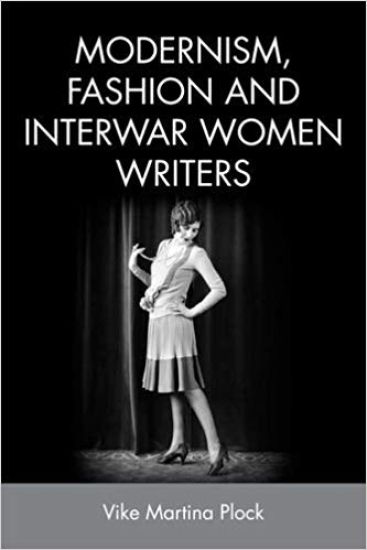
Explores the interaction between literary and sartorial style in women writers of the interwar periodAn unprecedented sartorial revolution occurred at the beginning of the twentieth century when the tight-laced silhouettes of Victorian women gave way to the figure of the flapper. Modernism, Fashion and Interwar Women Writers demonstrates how five female novelists of the interwar period engaged with an emerging fashion discourse that concealed capitalist modernity's economic reliance on mass-manufactured, uniform-looking productions by ostensibly celebrating originality and difference. For Edith Wharton, Jean Rhys, Rosamond Lehmann, Elizabeth Bowen and Virginia Woolf fashion was never just the provider of guidelines on what to wear. Rather, it was an important concern, offering them opportunities to express their opinions about identity politics, about contemporary gender dynamics and about changing conceptions of authorship and literary productivity. By examining their published work and unpublished correspondence, this book investigates how the chosen authors used fashion terminology to discuss the possibilities available to women to express difference and individuality in a world that actually favoured standardised products and collective formations. Key FeaturesExplores the various correspondences that existed among an emerging new fashion discourse, feminine identity formation and constructions of authorship in the modernist periodChallenges critical notions about fashion as an emancipatory force in women's lives by showing how it was also used to uphold patriarchal values in the interwar periodUses unexplored archival resources to offer new readings of interwar female writers as important contributors to a cultural discourse that relegated women to the position of uncritical consumers of fashion
Mixing modernist outliers such as Edith Wharton and Agatha Christie with more canonical figures such as Virginia Woolf and arguing that these novelists shared an interest in negotiating the relationship between standardization and conformity, on the one hand, and novelty and individual expression, on the other, Modernism, Fashion and Women's Writing deliberately works against conventional notions of historical periodisation and challenges critical conceptions that pit modernist elitism against middlebrow consumerism as mutually defining opposites. It draws on previously unstudied material from these writers personal and professional archives to tell the stories of five women novelists who carefully negotiated commercial success and artistic autonomy in a marketplace that had made fashion one of its most significant yet often disclaimed inspirations and concerns.
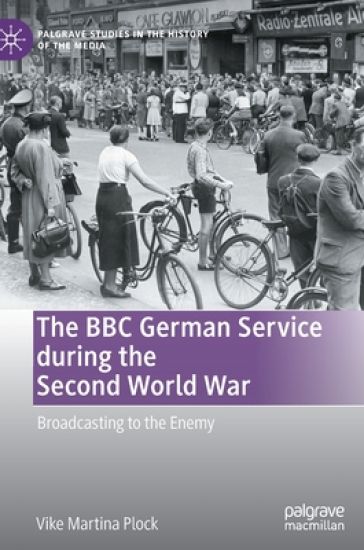
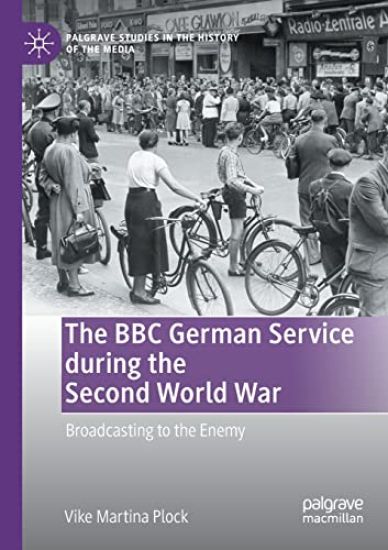
This book, part media history and part group biography, tells the story of the BBC’s attempts to reach out to listeners in Nazi Germany at a time when Anglo-German relations were particularly strained. Who were the individuals behind the microphone, whose names could only be mentioned in whispered conversations on the continent? Who wrote the satirical sketches that offered comic relief to housewives struggling to obtain enough food to feed their families? And who made decisions about programme delivery and staffing? Drawing extensively on previously unexamined archival material, The BBC German Service during the Second World War: Broadcasting to the Enemy sheds light on the complex, often difficult working arrangements at the wartime BBC where people from different nationalities and socio-political backgrounds collaborated and argued about the delivery of an effective propaganda programme that would assist the Allies in defeating the Nazis.
This book, part media history and part group biography, tells the story of the BBC’s attempts to reach out to listeners in Nazi Germany at a time when Anglo-German relations were particularly strained. Who were the individuals behind the microphone, whose names could only be mentioned in whispered conversations on the continent? Who wrote the satirical sketches that offered comic relief to housewives struggling to obtain enough food to feed their families? And who made decisions about programme delivery and staffing? Drawing extensively on previously unexamined archival material, The BBC German Service during the Second World War: Broadcasting to the Enemy sheds light on the complex, often difficult working arrangements at the wartime BBC where people from different nationalities and socio-political backgrounds collaborated and argued about the delivery of an effective propaganda programme that would assist the Allies in defeating the Nazis.
Eug ne Sue (1804 -1857) fue un escritor franc s nacido en Par s. Autor de novelas por entregas publicadas en diversos peri dicos de la poca. Este autor fue en la d cada de 1840 uno de los autores m s le dos y m s influyentes de Francia. Ha entrado en la historia de la literatura como uno de los creadores de la novela por entregas, publicada en los diarios, y como autor de la novela quiz de mayor xito publicada en un peri dico: Los misterios de Par s. Estuvo fuertemente influenciado de la ideas socialistas, y en especial del socialismo ut pico, que emerg an en aquella poca en el escenario pol tico europeo, dej ndolas plasmadas en su gran obra Los misterios de Par s y tambi n en El jud o errante; estos dos libros fueron dramatizados por el propio Sue.
Se trata en realidad de dos novelas cortas, Kernok le pirate (Kernok el pirata) y El Gitano, totalmente independientes una de otra.Kernok el pirata cuenta la historia de un verdadero pirata, huyendo de la idealizaci n artificial que de este personaje hicieron otros autores.El Gitano cuenta las aventuras de un joven y guapo pirata, que recorre las costas de Espa a, provocando el terror de los navegadores de C diz y Sanl car. Su truco es que posee dos tartanas, una la lleva l y la otra un adolescente que ha educado a su manera. Cuando no atracan barcos, los dos amigos se dedican a la buena vida, a bordo de sus barcos o en C diz, en los brazos de las cortesanas... En una de estas excursiones por tierra, el Gitano es capturado...Eug ne Sue (1804 -1857) fue un escritor franc s nacido en Par s. Autor de novelas por entregas publicadas en diversos peri dicos de la poca. Este autor fue en la d cada de 1840 uno de los autores m s le dos y m s influyentes de Francia. Ha entrado en la historia de la literatura como uno de los creadores de la novela por entregas, publicada en los diarios, y como autor de la novela quiz de mayor xito publicada en un peri dico: Los misterios de Par s.Estuvo fuertemente influenciado de la ideas socialistas, y en especial del socialismo ut pico, que emerg an en aquella poca en el escenario pol tico europeo, dej ndolas plasmadas en su gran obra Los misterios de Par s y tambi n en El jud o errante; estos dos libros fueron dramatizados por el propio Sue.
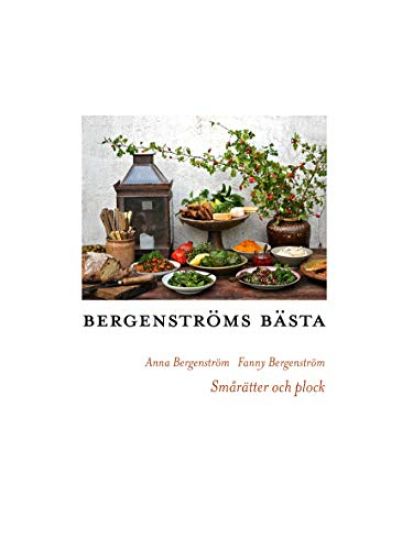
Bergenströms Bästa kallar Anna och Fanny sin nya bokserie med små och behändiga kokböcker. Här samlar de sina bästa recept, både gamla trotjänare och många nya favoriter. Först ut är titeln "Smårätter och plock fylld med idéer till läcker och lättfixad plockmat. Här finns svenska klassiker, franska och italienska smårätter samt en lång rad tapas och meze. Du hittar också plock med inspiration från Sydamerika och Sydostasien i denna innehållsrika lilla kokbok för både vardag och fest.
« Les deux gnomes que vous voyez l sont messieurs Plick et Plock. Les voil qui, en furetant dans la maison, ont d couvert une bouteille de champagne. Plick ne se sent plus de joie. Plock non plus, ainsi que l'expriment clairement leurs attitudes. Ce n'est pas qu'ils aient jamais bu de champagne, ils ne savent m me pas ce que c'est; mais ils devinent que cette bouteille pourrait bien leur fournir l'occasion de se distraire. Plock, esprit ing nieux, a d couvert les ficelles qui retiennent le bouchon et le moyen de les faire dispara tre. Seulement, c'est joliment fatigant de couper des ficelles et c'est bien le moins que, l'op ration faite, on se repose un brin sur un si ge moelleux. Oui, mais, on a beau tre gnome et malin, on ne pense pas tout, surtout si l'on ignore la force irr sistible d'expansion de l'acide carbonique emprisonn dans une bouteille; et voil comme quoi les farceurs sont souvent punis par o ils ont p ch .
Die konkrete Bildung und Auflosung stiller Reserven im Jahresabschluss richtet sich an ubergeordneten unternehmenspolitischen Zielsetzungen aus. Aktuelle Anderungen im Bankaufsichtsrecht sowie der sich abzeichnende Bedeutungszuwachs angloamerikanischer Rechnungslegung beeinflussen dabei in gravierender Weise die traditionelle Stille-Reserven-Politik der Grossbanken. Ziel der Arbeit ist es, die aus den neuen Entwicklungen erwachsenden Konsequenzen qualitativ und quantitativ abwagend zu analysieren und Entscheidungshilfen fur die zukunftige Stille-Reserven-Politik aufzuzeigen. Der Autor untersucht hierzu eingehend die der Stille-Reserven-Politik vorgelagerten Zielsetzungen und zeigt Moglichkeiten zur Losung auftretender Zielkonflikte auf."
This book investigates inner-German economic ties, travel contacts, and national consciousness that proved to be of greater consequence after Gorbachev's accession to power. It addresses the inevitability of the German Democratic Republic revolution and unification with the Federal Republic.
This book investigates inner-German economic ties, travel contacts, and national consciousness that proved to be of greater consequence after Gorbachev's accession to power. It addresses the inevitability of the German Democratic Republic revolution and unification with the Federal Republic.
The Basic Treaty between the Federal Republic of Germany (FRG) and the German Democratic Republic (GDR) for the first time provided a framework for the exchange of permanent missions and laid the foundation for expanded bilateral cooperation between the two German states. This book charts the progress of inner-German relations in the formative years of the 1970’s and explains how the revival of the German question in the l980's followed from striking changes in East and West German priorities and policies. Dr. Plock assesses the degree of practical cooperation in such areas as trade, travel, and the exchange of media representatives and also identifies the impact of Soviet interests on the inner-German relationship. Dr. Plock notes that despite a clear upgrading in FRG-GDR relations under Chancellors Willy Brandt and Helmut Schmidt, inner-German progress continues to be hostage to the overall East-West political and security climate. Yet the author sees a bipartisan West German commitment to partnership with the GDR as well as East Berlin's pragmatic approach to the relationship as stabilizing features of the European political landscape, even though the goals of future "Deutschlandpolitik" will continue to remain ill-defined.