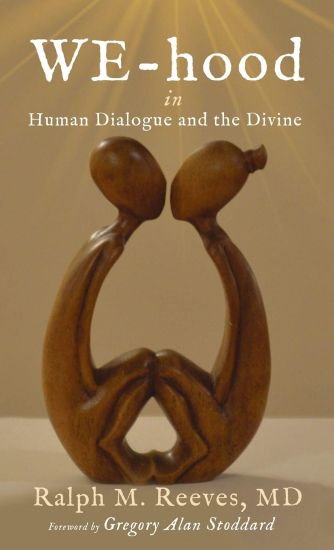
We humans are capable of great relationships. That is, we are capable of grand WE-hood. This is our heritage, though it is often unclaimed. In this book, we explore this heritage, not merely by theorizing about it, but rather by presenting several actual statements of relationship in psychotherapy that clearly embody WE-hood. We will celebrate and study these statements and their significance. We will find that they are significant not only for the pair of persons with whom they came into being, but also for the broader world. After we explore those human-to-human statements, we will note that WE-hood is also said to characterize the divine. We will consider parallels between the WE-hood attributed to the divine and the WE-hood that is observable in human partners in dialogue. Then we will be surprised to see how these two realms of human and divine can come together, and lead to much deepening of the relationships. This deepening will also inform the broader world of language and communication and wisdom and love. Dance in wonder
This text is designed to give students a comprehensive view of the British electoral system. Its innovative comparative and theoretical approach will provide a link between courses in British politics, comparative politics and political theory. The book looks at electoral systems in relation to democratic theory and examines the justification for modern electoral rules. It compares parliamentary elections with various other kinds of election, and it looks at the differences between British experience and that of other countries. Andrew Reeve and Alan Ware aim to inform the debate about whether our electoral system should be reformed, by raising such crucial issues as the connection between democracy and the electoral process, the significance of the territorial dimension in the British electoral system, and the role the election system plays in allocating values in a society.
This text is designed to give students a comprehensive view of the British electoral system. Its innovative comparative and theoretical approach will provide a link between courses in British politics, comparative politics and political theory. The book looks at electoral systems in relation to democratic theory and examines the justification for modern electoral rules. It compares parliamentary elections with various other kinds of election, and it looks at the differences between British experience and that of other countries. Andrew Reeve and Alan Ware aim to inform the debate about whether our electoral system should be reformed, by raising such crucial issues as the connection between democracy and the electoral process, the significance of the territorial dimension in the British electoral system, and the role the election system plays in allocating values in a society.
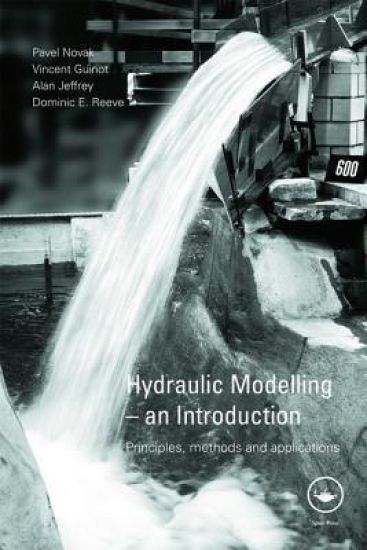
Modelling forms a vital part of all engineering design, yet many hydraulic engineers are not fully aware of the assumptions they make. These assumptions can have important consequences when choosing the best model to inform design decisions.Considering the advantages and limitations of both physical and mathematical methods, this book will help you identify the most appropriate form of analysis for the hydraulic engineering application in question. All models require the knowledge of their background, good data and careful interpretation and so this book also provides guidance on the range of accuracy to be expected of the model simulations and how they should be related to the prototype.Applications to models include: open channel systemsclosed conduit flowsstorm drainage systemsestuariescoastal and nearshore structureshydraulic structures.This an invaluable guide for students and professionals.
Modelling forms a vital part of all engineering design, yet many hydraulic engineers are not fully aware of the assumptions they make. These assumptions can have important consequences when choosing the best model to inform design decisions.Considering the advantages and limitations of both physical and mathematical methods, this book will help you identify the most appropriate form of analysis for the hydraulic engineering application in question. All models require the knowledge of their background, good data and careful interpretation and so this book also provides guidance on the range of accuracy to be expected of the model simulations and how they should be related to the prototype.Applications to models include: open channel systemsclosed conduit flowsstorm drainage systemsestuariescoastal and nearshore structureshydraulic structures.This an invaluable guide for students and professionals.