Kirjojen hintavertailu. Mukana 11 627 463 kirjaa ja 12 kauppaa.

Kirjahaku

Etsi kirjoja tekijän nimen, kirjan nimen tai ISBN:n perusteella.

1000 tulosta hakusanalla René Alexander D. Orquiza

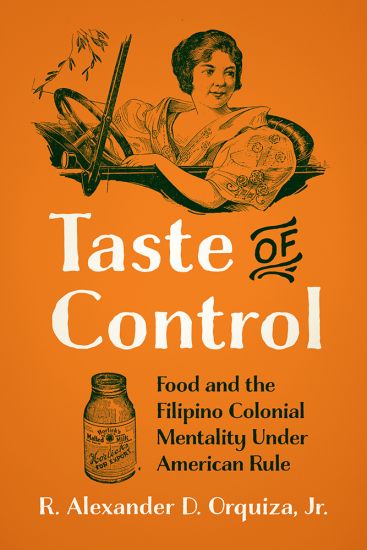
Taste of Control

Taste of Control

René Alexander D. Orquiza

Rutgers University Press
2020
nidottu
Winner of the 2021 Gourmand Awards, Asian Section & Culinary History Section Filipino cuisine is a delicious fusion of foreign influences, adopted and transformed into its own unique flavor. But to the Americans who came to colonize the islands in the 1890s, it was considered inferior and lacking in nutrition. Changing the food of the Philippines was part of a war on culture led by Americans as they attempted to shape the islands into a reflection of their home country.Taste of Control tells what happened when American colonizers began to influence what Filipinos ate, how they cooked, and how they perceived their national cuisine. Food historian René Alexander D. Orquiza, Jr. turns to a variety of rare archival sources to track these changing attitudes, including the letters written by American soldiers, the cosmopolitan menus prepared by Manila restaurants, and the textbooks used in local home economics classes. He also uncovers pockets of resistance to the colonial project, as Filipino cookbooks provided a defense of the nation’s traditional cuisine and culture.Through the topic of food, Taste of Control explores how, despite lasting less than fifty years, the American colonial occupation of the Philippines left psychological scars that have not yet completely healed, leading many Filipinos to believe that their traditional cooking practices, crops, and tastes were inferior. We are what we eat, and this book reveals how food culture served as a battleground over Filipino identity.
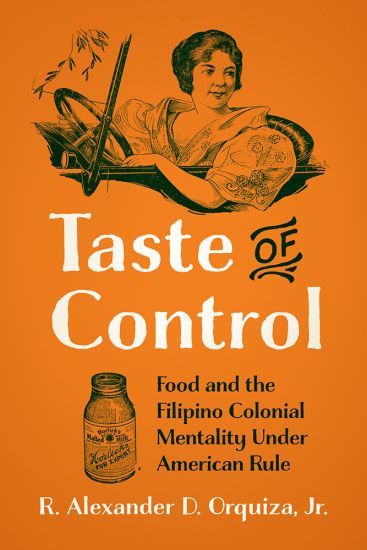
Taste of Control

Taste of Control

René Alexander D. Orquiza

Rutgers University Press
2020
sidottu
Winner of the 2021 Gourmand Awards, Asian Section & Culinary History Section Filipino cuisine is a delicious fusion of foreign influences, adopted and transformed into its own unique flavor. But to the Americans who came to colonize the islands in the 1890s, it was considered inferior and lacking in nutrition. Changing the food of the Philippines was part of a war on culture led by Americans as they attempted to shape the islands into a reflection of their home country.Taste of Control tells what happened when American colonizers began to influence what Filipinos ate, how they cooked, and how they perceived their national cuisine. Food historian René Alexander D. Orquiza, Jr. turns to a variety of rare archival sources to track these changing attitudes, including the letters written by American soldiers, the cosmopolitan menus prepared by Manila restaurants, and the textbooks used in local home economics classes. He also uncovers pockets of resistance to the colonial project, as Filipino cookbooks provided a defense of the nation’s traditional cuisine and culture.Through the topic of food, Taste of Control explores how, despite lasting less than fifty years, the American colonial occupation of the Philippines left psychological scars that have not yet completely healed, leading many Filipinos to believe that their traditional cooking practices, crops, and tastes were inferior. We are what we eat, and this book reveals how food culture served as a battleground over Filipino identity.

Wirtschaftliche Verursachung Versus Rechtliche Entstehung Bei Ungewissen Verbindlichkeiten
F r die Pr fung eines Ansatzes von Verbindlichkeitsr ckstellungen erweist sich die wirtschaftliche Verursachung der Verbindlichkeit als besonders schwer greifbar. Hierauf basierend hat sich neben einer umfassenden Kasuistik auch eine Kontroverse in der Fachliteratur gebildet. Die Linie des BFH ist dabei meist schwer von den konkret entschiedenen F llen abstrahierbar. Einheitliche Ma st be betreffend die generelle Pr zisierung der wirtschaftlichen Verursachung bestehen daher bis heute nicht. Die Arbeit unternimmt den Versuch, ausgehend von steuerrechtlichen und bilanzrechtlichen Grundlagen, sowohl auf die Frage nach der Relevanz der wirtschaftlichen Verursachung als auch nach deren inhaltlicher Ausgestaltung Antworten herzuleiten und schlie lich hieraus einen abweichenden L sungsansatz zu kreieren.